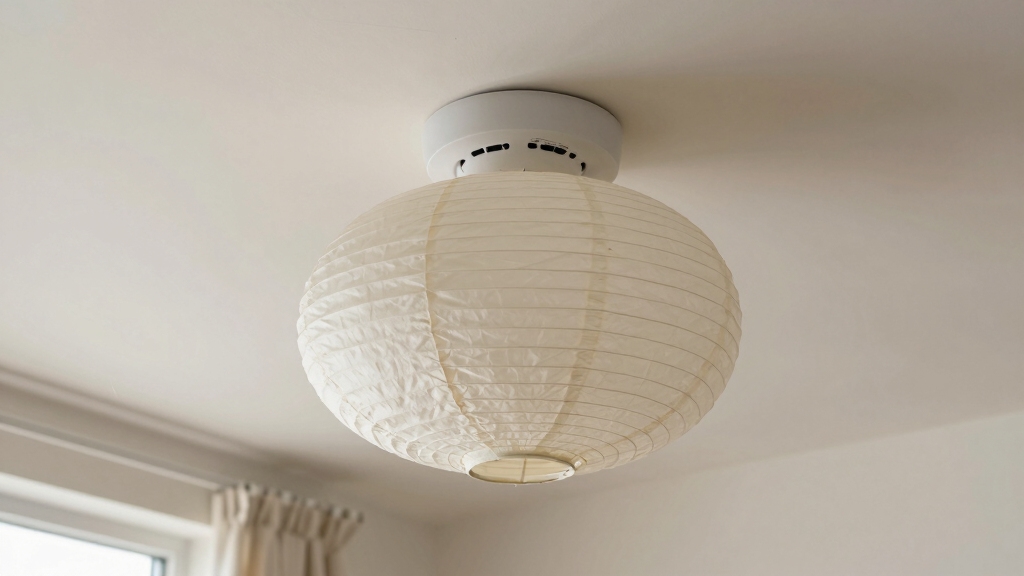

Covering a smoke detector is generally illegal and considered tampering under state laws. You risk fines, misdemeanor charges, or even imprisonment if covering leads to injury or fire damage.
In rental properties, it breaches lease agreements and can trigger eviction. Temporary covers are only allowed during active construction with manufacturer approval.
Tampering may void insurance and increase liability if alarms fail. Keep detectors clear and functional to stay compliant and safe.
Understanding the full scope of laws and enforcement helps you avoid serious consequences.
Key Takeaways
- Many states classify covering smoke detectors as tampering, making it illegal and subject to fines, misdemeanors, or imprisonment.
- Covering detectors can result in criminal charges like reckless endangerment or even criminally-negligent homicide if death occurs.
- Unauthorized covers may void insurance policies and lead to claim denial or policy cancellation.
- Temporary covers are only legal during active construction if manufacturer-approved and must be removed immediately afterward.
- Tenants covering detectors violate lease agreements and can face eviction, fines, or legal action from landlords.
Legal Rules on Covering Smoke Detectors
Although you might think covering a smoke detector is a harmless way to avoid nuisance alarms, doing so is often illegal and considered tampering under state laws.
Covering a smoke detector may seem harmless but is often illegal and viewed as tampering under state laws.
For example, in New York, covering a detector can be classified as reckless endangerment of property, a class B misdemeanor. In York, Pennsylvania, ordinances impose escalating fines starting at $100 for the first offense.
Beyond fines, some states impose criminal liability, including charges like criminally-negligent homicide if a death results from fire due to tampering.
Civil liability can also arise if your action directly causes injury or property damage. It’s essential to understand that covering smoke detectors isn’t just unsafe; it exposes you to significant legal consequences.
This emphasizes the importance of keeping detectors unobstructed at all times. Temporary covers must be removed promptly after work to ensure proper detector function and avoid legal risks.
Impact of Covering Smoke Detectors on Rental Properties
Covering a smoke detector in a rental property? That’s a big no-no! Not only are you violating your lease, but you’re also putting yourself and others in serious danger.
Landlords have a responsibility to enforce safety regulations and to keep tenants informed about the risks involved. If you keep covering the detector, things could get really serious—like facing legal action.
It’s crucial to understand that ignoring these safety rules might even lead to eviction or, in some cases, criminal charges. So, before you think about tampering with those detectors, pause and consider the consequences.
Your safety—and the safety of those around you, should always come first! Regular maintenance, including not obstructing detectors, is essential to keep these devices ready and reliable.
Tenant Lease Violations
Covering a smoke detector in a rental property directly violates most tenant lease agreements, posing serious health and safety risks.
When you cover or tamper with these devices, you breach not only the lease terms but also essential safety regulations designed to protect you and others.
Landlords rely on properly functioning detectors to meet legal and insurance requirements. Covering detectors can trigger faults on alarm panels, easily detected during inspections, leading to warnings or eviction.
Even if you claim nuisance alarms from cooking, ventilating properly is the legal solution, not obstruction.
Violating lease provisions by covering smoke detectors can result in fines, forced removal of covers, or legal action.
Ultimately, you compromise your safety and risk losing your rental home by disregarding these critical safety measures.
Maintaining proper placement and avoiding covering detectors is crucial since high humidity can already cause false alarms, and obstructing sensors only worsens detection reliability.
Landlord Enforcement Duties
Landlords must actively enforce smoke detector regulations to guarantee tenant safety and comply with legal obligations. If tenants cover detectors, you must issue warnings and document violations promptly.
Failure to act can lead to health hazards and legal consequences. Regular inspections help detect tampering early, allowing you to address issues before escalation. Collaborate with HMO officers when repeated violations occur to ensure compliance.
It is important to understand that many smoke detectors only provide local alerts and do not automatically notify emergency services, so prompt tenant response remains critical.
| Enforcement Step | Description |
|---|---|
| Initial Warning | Notify tenant of violation verbally and in writing |
| Inspection | Conduct and document smoke detector checks |
| Collaboration with HMO | Engage local officers for persistent breaches |
| Record Keeping | Maintain evidence for potential legal use |
You’re responsible for maintaining safe rental properties by preventing detector tampering.
Eviction and Legal Risks
If tenants tamper with or obscure smoke detectors, you face significant eviction and legal risks that can jeopardize your rental business.
Covering detectors breaches lease agreements and violates health and safety codes, giving you grounds for eviction.
Repeated violations may prompt intervention by housing management officers, who document tampering and notify you officially.
You can also incur fines, which escalate with each offense, and potentially face civil liability if tampering contributes to fire injuries or property damage.
Criminal charges like reckless endangerment or worse may apply depending on your state.
To protect your rental property and comply with laws, you must promptly warn tenants about covering detectors.
Conduct regular inspections and enforce lease provisions strictly.
Failing to act can expose you to costly legal consequences and endanger tenant safety.
Regular maintenance and inspections, including checking for sensor malfunctions, can help prevent issues related to detector tampering and ensure tenant safety.
When Are Temporary Smoke Detector Covers Allowed?
You can use temporary smoke detector covers, but there are some important guidelines to keep in mind.
First off, these covers are only allowed on construction sites and should be manufacturer-approved. They help protect the sensors from dust and debris while work is underway.
Now, the main goal here is to prevent false alarms without putting safety at risk. It’s all about keeping the environment safe while you’re busy building or renovating.
Once the construction is finished, don’t forget to inspect and remove all those covers! It’s crucial to ensure that the smoke detectors are functioning properly again.
After all, safety should always come first!
Using covers can also help minimize false alarms caused by steam and dust during construction.
Construction Site Use
Protecting smoke detectors during construction prevents dust, drywall debris, and paint overspray from clogging sensors and causing false alarms.
You can use temporary covers specifically designed for this purpose, often made of bright-colored hard plastic that fits only over the sensor.
These covers comply with NFPA 72 standards, which allow their use during active construction to keep detectors operational and uncontaminated.
However, you must remove them immediately after construction ends to restore full fire detection functionality.
Using unauthorized or makeshift covers is illegal and risks detector failure, voids insurance, and can result in fines or criminal charges.
Always verify covers are manufacturer-approved and installed only for temporary protection during construction or renovation, never as a permanent solution.
Proper use maintains safety without compromising legal compliance.
Photoelectric smoke alarms rely on an optical chamber design to accurately detect smoke while minimizing false alarms, which is why maintaining sensor cleanliness is critical during construction.
Manufacturer-Approved Covers
Manufacturers approve temporary smoke detector covers strictly for use during construction or renovation to shield sensors from dust, paint, and debris.
You can only use these covers when work creates airborne contaminants that might impair detector functionality.
These covers are typically brightly colored hard plastic, designed to fit over the sensor without disabling the entire unit.
It’s essential you remove them immediately after the project ends to restore full operation.
Using non-approved covers or leaving them on beyond construction violates fire safety codes and risks legal penalties.
Always follow manufacturer guidelines and NFPA 72 standards when applying and removing these covers.
This guarantees your smoke detector remains reliable while protecting it during hazardous work, keeping your property compliant and safe.
Temporary covers should never interfere with the smoke detector’s continuous power source to ensure uninterrupted operation.
Post-Construction Inspection
Ensuring smoke detectors are free of obstructions following construction is crucial for safety compliance and proper operation. Temporary covers approved by manufacturers and compliant with NFPA 72 are allowed only during active construction to shield sensors from dust, paint, and debris.
Once construction ends, you must promptly remove these covers to avoid safety risks and legal violations. Post-construction inspections require you to verify detectors aren’t blocked by paint, dust, or residual covers. Chapter 17 mandates protection during construction but insists on complete clearance afterward.
Failure to remove covers can result in alarms failing during emergencies, leading to potential criminal and civil liabilities. Always conduct thorough inspections post-construction to confirm your smoke detectors are fully operational and compliant with fire safety codes.
Additionally, performing a functional test after covering removal ensures the alarm’s reliability and proper operation.
Insurance Risks of Tampering With Smoke Detectors
When you tamper with or cover a smoke detector, you risk invalidating your homeowner’s insurance policy if a fire occurs and the alarm fails to operate.
Insurance companies view tampering as negligence, which can lead to denied claims for fire damage or injury.
This leaves you financially exposed and legally vulnerable.
Additionally, covering detectors endangers your property and others nearby by delaying emergency response.
Key insurance risks include:
- Denial of fire damage claims due to non-functional alarms
- Increased liability for injuries or property loss linked to detector tampering
- Potential cancellation or non-renewal of your insurance policy
To protect yourself, always maintain unobstructed, fully operational smoke detectors in compliance with safety standards and insurer requirements.
Before performing any maintenance or troubleshooting on your fire alarm system, it is critical to contact authorities and notify the monitoring station to ensure proper coordination and compliance.
Penalties for Covering Smoke Detectors
Although it may seem harmless, covering a smoke detector carries significant penalties that you need to understand. Many states classify this act as tampering, which can result in fines, misdemeanor charges, and even imprisonment if unpaid.
Penalties escalate with repeated violations, and each day the detector remains covered counts as a separate offense. Beyond legal consequences, covering detectors endangers lives and voids insurance coverage.
| Offense Level | Penalty Type |
|---|---|
| 1st Offense | $100 Fine |
| 2nd Offense | $250 Fine |
| 3rd Offense | $500 Fine |
| Continued Violation | Separate Offense Daily |
You must avoid covering detectors to comply with laws and maintain safety.
Enforcement by Landlords and Authorities
Because tenants covering smoke detectors pose serious safety risks, landlords and authorities take enforcement seriously. When you tamper with detectors, landlords must promptly warn you and can involve Housing Maintenance Officers (HMOs) if violations continue.
Authorities rely on inspections and documented evidence, including photos, to enforce compliance. You should expect escalating measures, from verbal warnings to legal action, if you persist.
Key enforcement actions include:
- HMOs documenting violations and notifying landlords.
- Agents inspecting properties and photographing tampering evidence.
- Landlords issuing written warnings before pursuing fines or eviction.
Maintaining Smoke Detectors Safely Without Covers
Enforcing smoke detector regulations only works if tenants and landlords understand how to properly maintain these devices without resorting to covers.
You should never paint or obstruct smoke detectors, as even small blockages can impair sensor function.
Instead, regularly test detectors using the test button to ensure batteries and alarms work correctly.
Install detectors away from windows, doors, or ducts to prevent drafts from causing false alarms.
During construction, use only manufacturer-approved temporary covers designed to protect sensors from dust and debris.
Remove these covers promptly afterward.
Maintain clear access to detectors and perform visible inspections to identify any obstructions or damage.
Frequently Asked Questions
What Materials Are Safe to Use for Temporary Smoke Detector Covers?
You should only use manufacturer-approved, hard plastic covers that fit securely over the sensor during construction or maintenance.
These covers protect against dust, paint overspray, and debris without impairing function.
Avoid any makeshift materials like foil, tape, or fabric, which can block sensors and disable alarms.
Always remove temporary covers promptly and test the detector to verify it works properly afterward.
How Do Smoke Detectors Detect Smoke Particles?
Ever wonder how smoke detectors know when to sound the alarm? They detect smoke particles using either ionization or photoelectric technology.
Ionization detectors sense tiny charged particles from combustion, while photoelectric ones use a light beam to spot larger smoke particles scattering light.
Both methods quickly identify smoke in the air, triggering the alarm to warn you of fire. Understanding this helps you appreciate why keeping detectors unobstructed is essential.
Can Pets Trigger False Alarms on Smoke Detectors?
Yes, pets can trigger false alarms on smoke detectors. Their fur and dander sometimes interfere with the sensor’s ability to distinguish smoke particles.
Additionally, pet hair or dust kicked up by their movement may set off alarms, especially in ionization-type detectors.
To minimize false alarms, keep detectors clean, place them away from pet resting areas, and consider photoelectric alarms, which are less sensitive to pet-related triggers.
Are There Smoke Detectors That Are Less Sensitive to Cooking Smoke?
You don’t want your smoke detector screaming louder than a fire alarm at a popcorn party, right?
Luckily, yes, there are smoke detectors designed to be less sensitive to cooking smoke.
Photoelectric alarms detect smoldering fires with less nuisance from steam or burnt toast.
This is unlike ionization types that often overreact.
Choosing a photoelectric model keeps your kitchen calm without sacrificing safety.
How Often Should Smoke Detector Batteries Be Replaced?
You should replace your smoke detector batteries at least once a year to guarantee reliable operation.
Many experts recommend doing this during daylight saving time changes as a convenient reminder.
Additionally, test your detectors monthly by pressing the test button to confirm the batteries work.
If your alarm chirps, replace the battery immediately.
Keeping your smoke detector powered is vital for your safety and early fire detection.
Safety First: The Real Cost of Covering Smoke Detectors
Covering smoke detectors is generally illegal and risky, especially in rental properties where landlords enforce safety rules strictly.
For example, a tenant in New York faced fines after covering a detector to block alarms during cooking. Temporary covers are only allowed during maintenance and must be removed immediately.
Remember, tampering not only endangers lives but can void insurance and lead to penalties. Always prioritize safety by keeping detectors clear and functional.