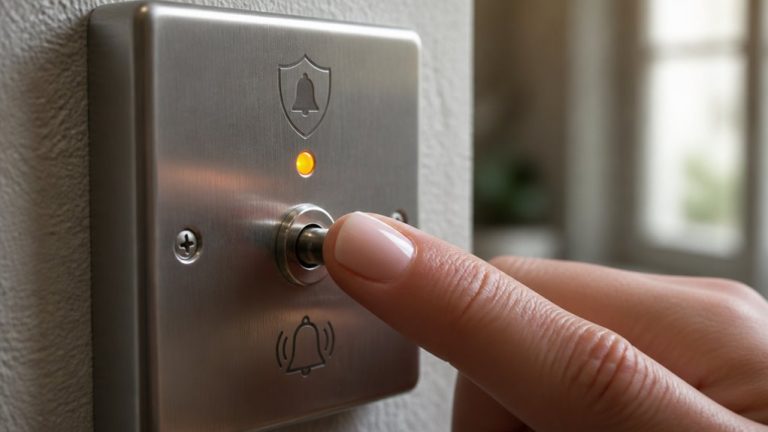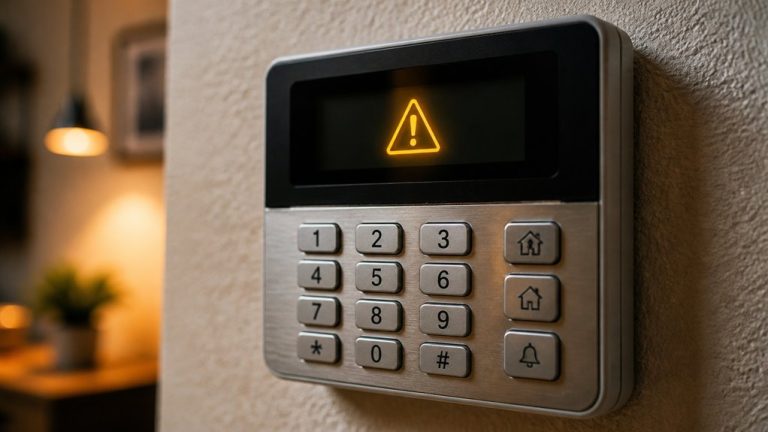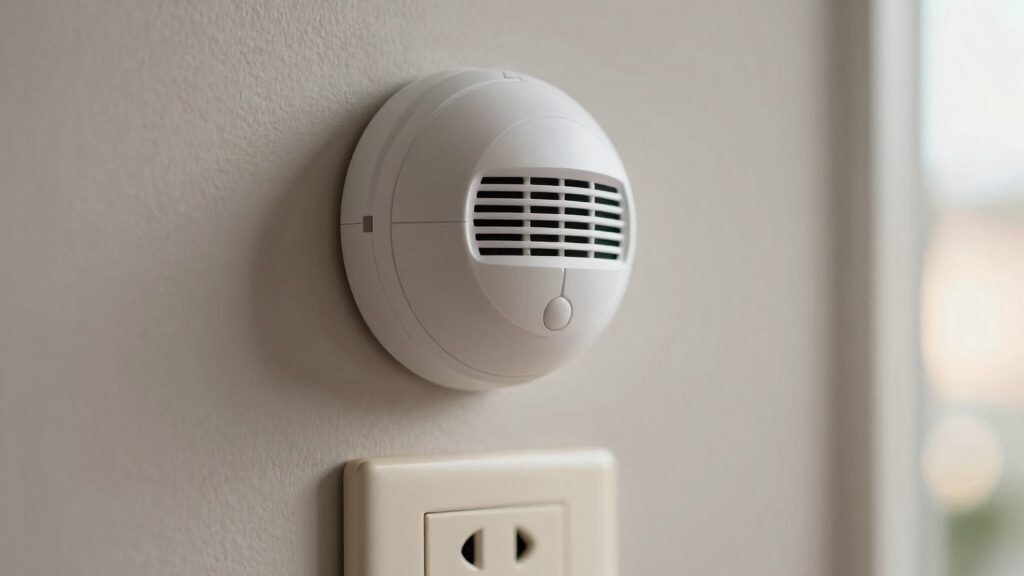

You’re not going to find a smoke detector classified as an outlet because they serve entirely different functions.
Smoke detectors monitor air quality for combustion particles and trigger alarms for fire safety, while outlets provide continuous AC power for appliances.
Electrical codes explicitly separate these devices, requiring dedicated circuits for detectors to guarantee reliability and compliance.
Combining or substituting them risks safety and legal issues. Understanding their power setups and code distinctions can clarify why these roles must stay distinct.
Key Takeaways
- Smoke detectors are fire safety devices designed to detect smoke, not to supply electrical power like outlets.
- Electrical outlets provide continuous AC power for appliances and are designed for load distribution across circuits.
- Building codes and the NEC explicitly classify smoke detectors separately from electrical outlets.
- Smoke detectors are installed based on fire safety codes, while outlets follow electrical code requirements such as NEC 210.52.
- Interchanging smoke detectors and outlets compromises safety, code compliance, and device functionality.
What Is a Smoke Detector and How Does It Work?
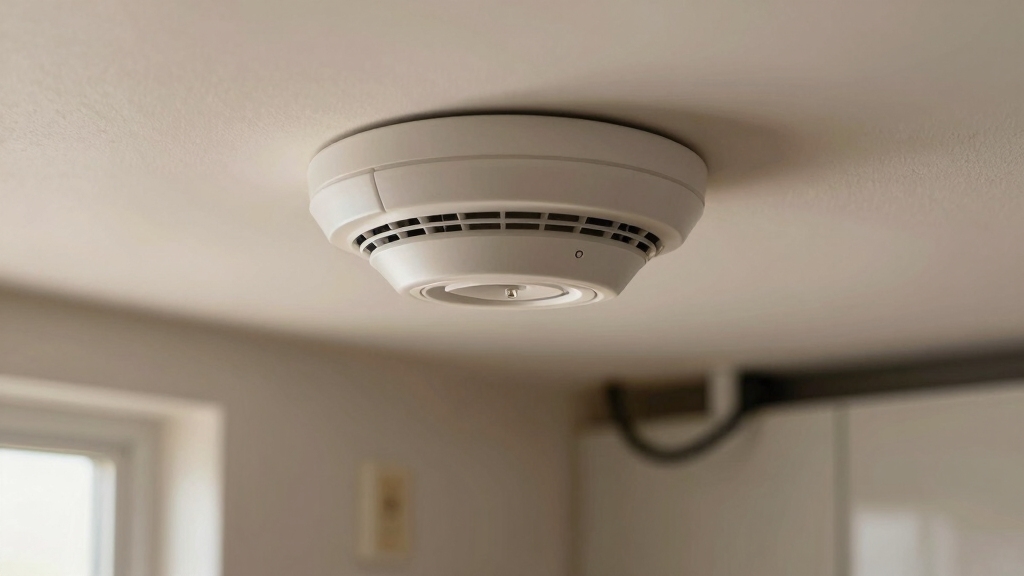
Although you might often overlook them, smoke detectors play a critical role by continuously monitoring the air for particles produced by combustion.
You’ll find two primary sensor types: photoelectric detectors use a light beam to detect smoke particles scattering light, while ionization detectors measure changes in ion flow caused by combustion ions.
Both types convert these signals into electrical impulses that trigger alarms when smoke concentration exceeds preset thresholds.
You can encounter hardwired units connected to dedicated 120V circuits with battery backups ensuring functionality during outages, or plug-in models relying on standard outlets for power.
Their design focuses solely on early fire detection, not power delivery.
Understanding this mechanism is essential before differentiating smoke detectors from electrical outlets under code requirements.
Hardwired smoke detectors typically include a battery backup to maintain operation during power outages and comply with safety regulations.
Are Smoke Detectors Classified as Outlets Under Electrical Codes?
When reviewing electrical codes like the NEC and IRC, you’ll find that smoke detectors are explicitly not classified as electrical outlets.
Electrical codes clearly distinguish smoke detectors from electrical outlets based on their function and purpose.
The NEC defines outlets as receptacles supplying power for portable devices, whereas smoke detectors are fire safety devices designed solely for detection and alarm functions.
Though some smoke detectors may plug into outlets or be hardwired on dedicated circuits, electrical codes maintain a clear distinction based on function and installation requirements.
For example, NEC section 210.52 mandates outlets in specific areas, but smoke detectors are installed per separate fire safety provisions.
You won’t find any code language equating smoke detectors to outlets, as their operational purpose and electrical characteristics differ fundamentally.
This reflects their distinct roles in building safety and electrical design compliance.
Many smoke detectors are hardwired with backup batteries to ensure continuous operation even during power outages.
How Smoke Detectors Differ From Electrical Outlets in Function and Code?
You know, smoke detectors and electrical outlets really serve different purposes when it comes to safety. Smoke detectors are all about giving you that early warning in case of a fire, while electrical outlets are there to provide continuous power for your devices.
Because of these distinct roles, electrical codes handle them differently. They’ve specific requirements for where to place them and how to wire them, all based on what each one does.
And here’s something interesting: smoke detectors usually operate on dedicated circuits and often come with battery backups. On the flip side, outlets are designed to handle general power loads.
So, while they might seem similar at first glance, they couldn’t be more different in function and code. Hardwired smoke detectors often feature interconnectivity, triggering all alarms simultaneously for whole-home alerts which enhances safety.
Distinct Safety Functions
Safety remains the primary distinction between smoke detectors and electrical outlets, as each device serves fundamentally different roles within a building’s electrical and fire protection systems.
You rely on smoke detectors to provide early fire warnings by detecting smoke via sensors. Outlets supply continuous AC power to appliances.
Consider these key functional differences:
- Purpose: Smoke detectors prioritize life safety by triggering alarms. Outlets focus solely on power delivery.
- Operation: Smoke detectors interrupt normal power flow during alarms. Outlets maintain uninterrupted power.
- Reliability: Hardwired smoke detectors include battery backups for operation during outages. Outlets depend entirely on building power.
Proper placement near bedrooms and key living areas maximizes early warnings and enhances safety.
Understanding these distinctions guarantees you recognize why smoke detectors aren’t classified as outlets. Their safety functions must remain separate and uncompromised.
Code Compliance Differences
Although smoke detectors and electrical outlets both involve electrical connections, they must meet distinct code requirements reflecting their different functions.
You’ll find smoke detectors governed by fire safety codes like the IRC, which mandates placement outside bedrooms but not inside sleeping areas. This is unlike outlets, which NEC section 210.52 requires in specific locations within those zones.
Smoke detectors often require dedicated 120V circuits without general receptacles to promote reliability. Outlets serve continuous power needs and must be installed in accessible locations such as hallways and living spaces.
Codes explicitly separate these devices; smoke detectors aren’t classified as outlets under NEC or IRC. You must adhere to these distinctions during installation to maintain compliance, promote safety, and avoid code violations that could compromise fire detection or electrical distribution functions.
Additionally, local codes often require hardwired detectors with battery backup to ensure consistent operation and interconnected alarms throughout the home.
Power Supply Variations
When comparing smoke detectors and electrical outlets, their power supply characteristics reveal fundamental functional and regulatory differences.
You’ll find that smoke detectors typically receive power through dedicated 120V circuits or plug directly into outlets but remain distinct devices.
Outlets continuously supply AC power to devices, while smoke detectors prioritize uninterrupted operation with battery backups.
Consider these key distinctions:
- Smoke detectors often exist on dedicated circuits to avoid overload, unlike outlets that serve multiple devices.
- Hardwired detectors incorporate backup batteries to maintain function during outages; outlets do not.
- Electrical codes never classify smoke detectors as outlets, reflecting their distinct safety roles.
Understanding these variations helps you comply with NEC and IRC codes while ensuring both safety and functionality.
Regular maintenance, including battery replacement, is essential to ensure smoke detectors function correctly and provide continuous protection.
How Smoke Detectors Receive Their Power Supply?
Smoke detectors usually get their power from hardwired connections that supply 120V AC. They often have batteries as a backup to ensure they keep working even during a power outage. Pretty smart, right?
Then there are plug-in models that draw power from standard electrical outlets. These also come with internal batteries that kick in if the main power goes out. It’s a good system that helps them stay reliable.
Many hardwired smoke alarms use battery backup options like AA, 9V, or sealed 10-year lithium batteries to maintain continuous protection during outages.
Hardwired Power Connections
Hardwired smoke detectors draw their power directly from a dedicated 120-volt electrical circuit, ensuring a reliable energy source that supports continuous operation.
This setup separates the detector’s power supply from general household outlets, enhancing safety and compliance.
When you install a hardwired smoke detector, consider these key aspects:
- Dedicated Circuit: It must be connected to a circuit designed exclusively for smoke detectors to prevent overload and interference.
- Interconnection Wiring: Multiple detectors link via interconnect wires, enabling simultaneous alarms throughout the building.
- Battery Backup: Integrated batteries maintain functionality during power outages, guaranteeing uninterrupted protection.
It is crucial to turn off power at the circuit breaker before installation or maintenance to prevent electrical shock and ensure safety.
Plug-In Detector Power
Plug-in smoke detectors draw their power directly from standard electrical outlets, plugging in to access the 120-volt AC supply necessary for operation. This design leverages existing receptacles to power the detector without requiring dedicated wiring.
You should recognize that these detectors depend on the outlet’s electrical continuity. Any interruption in outlet power disables the device unless it includes an internal battery.
Unlike hardwired units connected to dedicated circuits, plug-in models are constrained by outlet placement, which can limit ideal detector positioning.
Additionally, these detectors don’t alter the outlet’s function or classification. While convenient, relying solely on plug-in power may reduce reliability during power outages. Hence, understanding how plug-in detectors interface with outlet power clarifies why they remain distinct from outlets in both function and electrical code definitions.
For optimal safety, it is important to note that smoke detectors should be installed according to manufacturer guidelines to ensure reliable operation.
Battery Backup Systems
Safeguarding uninterrupted operation during power outages relies heavily on battery backup systems integrated into smoke detectors. These systems maintain the detector’s functionality when AC power is lost, critical for continuous fire detection.
You’ll find three primary battery backup types:
- Sealed lithium-ion batteries provide long-life, maintenance-free power lasting up to 10 years.
- Replaceable alkaline or lithium batteries require periodic changing to guarantee reliability.
- Nickel-cadmium rechargeable batteries recharge automatically when AC power is restored.
Hardwired detectors typically combine AC power with a battery backup, safeguarding no interruption in smoke sensing and alarm signaling during outages.
This dual power source differentiates smoke detectors from outlets, which only provide AC power. It is important to replace Kidde smoke alarms every 10 years to ensure sensor sensitivity and reliable operation.
Differences Between Hardwired and Plug-In Smoke Detectors
When choosing a smoke detector, you’ll notice significant differences in power source, installation, and reliability between models.
Hardwired detectors connect directly to your home’s 120V electrical system with battery backup. This ensures continuous operation during power outages.
Plug-in detectors rely on standard outlets for power and typically include a 9V battery for backup. They are more portable but less reliable.
| Feature | Hardwired Smoke Detector | Plug-In Smoke Detector |
|---|---|---|
| Power Source | 120V dedicated circuit + battery | Standard outlet + 9V battery |
| Installation | Permanent wiring, interconnect capable | Simple plug-in, no wiring needed |
| Reliability | High, continuous power + backup | Moderate, outlet-dependent power |
Understanding these distinctions helps you select the appropriate device for safety and code compliance.
Typical Wiring and Placement Practices for Smoke Detectors Versus Outlets
Although smoke detectors and electrical outlets both require proper wiring, their installation practices and placement criteria differ markedly due to their distinct functions and code requirements.
Proper wiring is essential, but smoke detectors and outlets differ significantly in installation and placement requirements.
You’ll notice these key differences:
- Wiring: Smoke detectors typically use dedicated 120V circuits with interconnect wiring for simultaneous alarms. Outlets share circuits designed for continuous power delivery.
- Placement: Detectors must be installed outside sleeping areas and on ceilings or high walls for effective smoke detection. Outlets follow NEC mandates for accessibility, often near floor level in bedrooms, hallways, and alcoves.
- Code Compliance: Smoke detectors prioritize early fire warning and require battery backup. In contrast, outlets focus on power availability without alarm integration.
Understanding these differences guarantees you comply with electrical codes and maintain safety without confusing the separate roles of detectors and outlets.
Can Smoke Detector Circuits Also Power Electrical Outlets?
How do smoke detector circuits interact with electrical outlets in a typical installation?
Generally, smoke detector circuits are dedicated 120V lines separate from general-purpose outlets to assure uninterrupted power and compliance with code.
However, in some wiring configurations, outlets may tap into the same circuit feeding hardwired smoke detectors if the circuit’s ampacity and load calculations allow.
You must verify these factors to avoid overloading and maintain safety.
While wiring diagrams occasionally show shared power, NEC and local codes typically discourage combining smoke detector circuits with outlets to preserve reliability and fire safety functions.
If you decide to power outlets from smoke detector circuits, make certain proper grounding and circuit protection.
Ultimately, smoke detector circuits can power outlets only under strict technical and code-compliant conditions.
Why You Shouldn’t Replace Electrical Outlets With Smoke Detectors?
You really shouldn’t replace electrical outlets with smoke detectors. They serve completely different purposes!
Outlets are there to provide you with continuous power for all your devices, while smoke detectors are focused on detecting fires and sounding alarms.
Plus, swapping them out like that goes against code requirements. These codes are in place to ensure that you have both proper electrical access and fire safety in your home.
If you make this kind of substitution, you could risk noncompliance, which isn’t just a hassle—it can also compromise your safety and lead to system failures. So, it’s best to keep them separate and stick to their intended functions!
Different Functions And Purposes
Since smoke detectors and electrical outlets serve fundamentally different roles, you shouldn’t consider replacing outlets with smoke detectors. Each device performs critical but distinct functions essential to safety and utility.
Understanding their differences helps clarify why substitution isn’t viable:
- Power Delivery vs. Detection: Outlets provide continuous AC power to appliances. Smoke detectors monitor air quality to detect fire hazards, triggering alarms rather than supplying power.
- Circuit Design: Smoke detectors often operate on dedicated circuits with battery backup. This guarantees alarm function during outages. Outlets share general circuits designed for load distribution, not emergency signaling.
- Functional Priorities: Outlets prioritize energy accessibility. Smoke detectors emphasize early warning and life safety. Interchanging these roles compromises both electrical function and fire safety.
Recognizing these technical distinctions helps maintain both reliable power access and effective fire detection. This prevents device failure or code violations.
Code Compliance And Safety
Although smoke detectors and electrical outlets may appear to share wiring infrastructure, building codes clearly separate their roles to guarantee safety and functionality. You mustn’t replace outlets with smoke detectors because codes like NEC and IRC mandate specific installations to assure fire safety and continuous power availability.
Smoke detectors require dedicated circuits or specific wiring, while outlets serve power needs and have distinct placement rules. Mixing these functions risks compliance violations and compromises safety.
| Aspect | Smoke Detector |
|---|---|
| Code Classification | Fire safety device, not outlet |
| Circuit Requirement | Dedicated or interlinked circuit |
| Location Requirement | Outside bedrooms, hallways |
| Function | Early fire detection |
Risks Of Improper Replacement
When smoke detectors replace electrical outlets improperly, they compromise both safety and functionality. This creates significant hazards. You risk violating electrical codes, which differentiate these devices clearly. Here’s why you shouldn’t substitute outlets with smoke detectors:
- Circuit Overload: Smoke detectors typically operate on dedicated 120V circuits. Adding outlet loads can exceed ampacity, causing potential fire hazards or device failure.
- Loss of Power Access: Removing outlets eliminates essential power sources for appliances. This reduces convenience and possibly forces unsafe workarounds.
- Compromised Fire Safety: Smoke detectors require uninterrupted power and backup batteries. Improper replacement or wiring can disable alarms or cause false alarms, endangering occupants.
You must maintain distinct functions and comply with NEC and IRC codes to guarantee both electrical safety and effective fire detection.
Safety Risks of Combining Smoke Detectors and Electrical Outlets
If you combine smoke detectors and electrical outlets improperly, you increase the risk of circuit overload and compromise the reliability of fire detection systems.
Smoke detectors require dedicated circuits to guarantee uninterrupted operation. Outlets supply continuous power to variable loads. Sharing circuits can cause voltage drops, triggering false alarms or detector failure.
The differing safety priorities mean combining these devices risks code violations and endangers occupant safety.
| Risk Type | Cause | Impact |
|---|---|---|
| Circuit Overload | Excessive load on shared line | Tripped breakers, fire hazard |
| Alarm Failure | Voltage fluctuations | Missed early fire warnings |
| Code Non-Compliance | Mixing device functions | Legal and insurance issues |
| False Alarms | Electrical noise from outlets | Reduced occupant trust |
You must avoid mixing smoke detectors with outlets to maintain system integrity.
Installation Best Practices to Comply With Fire and Electrical Codes
In adhering to fire and electrical codes, you must install smoke detectors and outlets according to established standards that prioritize both safety and functionality.
You’ll make certain smoke detectors are placed outside sleeping areas per IRC. NEC mandates outlets in designated locations like alcoves. Proper wiring and circuit allocation prevent overloads and maintain system reliability.
Follow these best practices:
- Hardwire smoke detectors to dedicated 120V circuits with battery backup to guarantee continuous operation during outages.
- Use interconnect wiring to synchronize alarms across multiple detectors for immediate fire notification.
- Verify outlet placement complies with NEC 210.52, avoiding conflicts with smoke detector locations to maintain code compliance and operational integrity.
Frequently Asked Questions
How Often Should Smoke Detectors Be Tested and Maintained?
You should test your smoke detectors at least once a month by pressing the test button to make certain the alarm sounds properly.
Replace batteries annually, or sooner if the low-battery warning chirps.
Clean detectors every six months to remove dust or debris that might impair sensors.
Hardwired units require professional inspection every few years to verify wiring integrity and battery backup functionality.
This maintenance helps ensure reliable operation and compliance with safety standards.
What Types of Batteries Are Best for Smoke Detectors?
Sure, feel free to power your smoke detector with leftover novelty batteries from last decade’s gadget graveyard. Just kidding!
You should use high-quality alkaline or lithium 9-volt batteries for reliable performance.
Lithium batteries last longer and handle temperature extremes better, making them ideal for smoke detectors.
Avoid cheap or rechargeable batteries as they might fail during critical moments.
Always follow manufacturer specs to make certain your detector stays powered and ready to save lives.
Can Smoke Detectors Detect Carbon Monoxide as Well?
Yes, some smoke detectors can detect carbon monoxide, but only if they’re combination units designed for both smoke and CO detection.
Standard smoke detectors use photoelectric or ionization sensors for smoke, not CO.
You’ll need a dual-sensor device or a dedicated CO detector for accurate carbon monoxide monitoring.
Make sure to check the device specifications to verify it meets your safety needs for both fire and CO hazards.
What Is the Average Lifespan of a Smoke Detector?
Smoke detectors typically tick through ten years before their sensors start slipping. You should swap your smoke detector after a decade to maintain accurate alerts.
Over time, dust, humidity, and sensor degradation diminish detection efficiency. Hardwired or battery-powered units both require replacement around this timeframe.
Regular testing and timely battery changes help, but the entire device’s lifespan hinges on maintaining peak sensor sensitivity for reliable fire safety.
Are There Smart Smoke Detectors With Mobile App Alerts?
Yes, you’ll find smart smoke detectors that send mobile app alerts directly to your phone.
These devices use Wi-Fi or Bluetooth to communicate real-time fire or carbon monoxide warnings, allowing you to monitor your home remotely.
Many models integrate with smart home systems for enhanced control and notifications.
This technology improves response time and safety by ensuring you’re alerted even when you’re away from the premises.
Separate Circuits, Safer Homes: The Final Word on Smoke Detector Wiring
You shouldn’t confuse smoke detectors with electrical outlets. They serve distinct functions and follow different codes. For example, imagine wiring a smoke detector to an outlet circuit. A malfunction could disable both, risking safety.
Smoke detectors must have dedicated power sources, whether hardwired or battery-powered, to guarantee reliable operation.
Always follow installation best practices to comply with fire and electrical codes. This prevents hazards and guarantees your home’s protection.