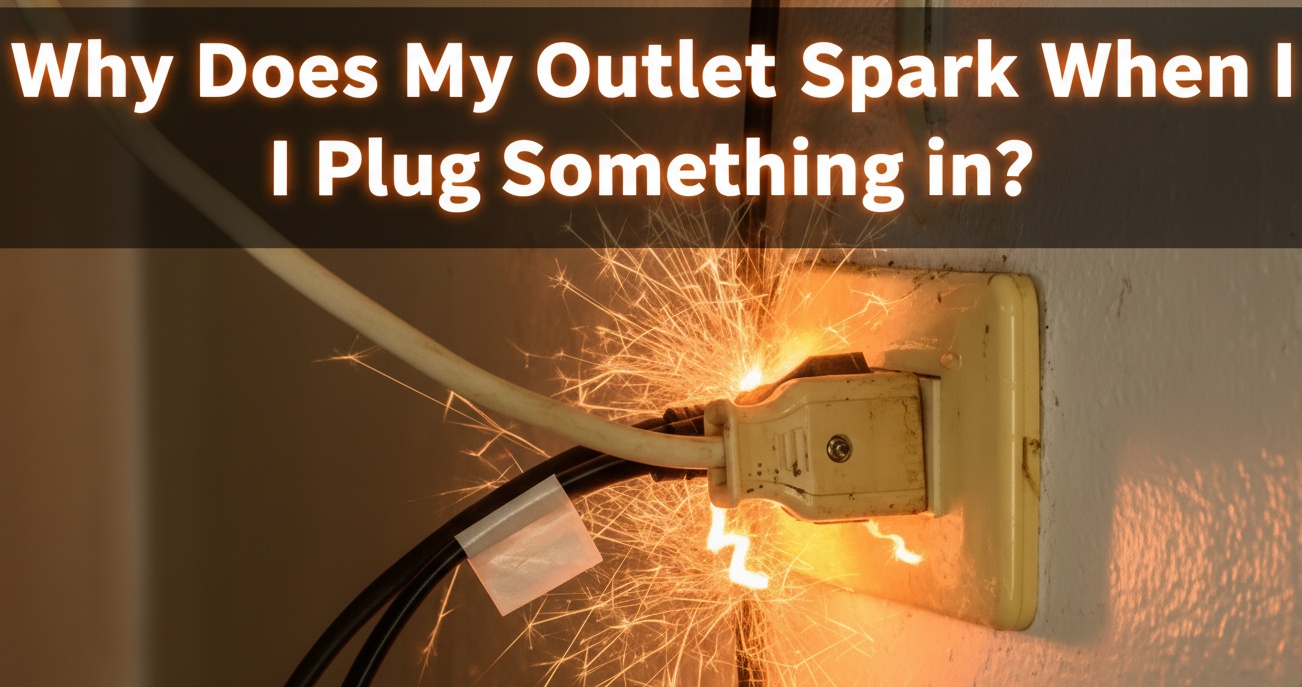

When you plug something in, a brief spark often appears as electrical current rapidly flows across the contacts, creating a momentary micro-arc. This normal spark is usually a faint blue flash and lasts only a fraction of a second.
However, repeated or intense sparking can indicate circuit overloads, worn outlets, faulty wiring, or moisture issues. Understanding these causes helps you recognize when sparking is safe and when it signals a problem requiring attention.
Key Takeaways
- Brief blue sparks when plugging in are normal micro-arcs caused by transient electrical contact between plug prongs and outlet connectors.
- Prolonged or intense sparking indicates potential faults like short circuits, worn contacts, or loose wiring needing professional inspection.
- Overloaded circuits cause excess current, generating heat and sparks due to increased resistance or loose connections.
- Moisture in or around the outlet can create unintended current paths, increasing sparking risk and corrosion of contacts.
- Discoloration, warmth, burning smells, or frequent breaker trips near outlets signal hazardous issues requiring immediate electrician evaluation.
Why Do Outlets Spark When Plugging In?
When you plug a device into an outlet, you may notice a brief blue spark.
A brief blue spark may appear momentarily when plugging a device into an electrical outlet.
This occurs due to a rapid electrical current draw from the power grid, causing a transient discharge known as a micro-arc or benign arcing.
These micro-arcs happen when the plug’s metal prongs make contact with the outlet’s internal connectors, momentarily completing the circuit.
The spark lasts only a fraction of a second and poses no safety risk under normal conditions. This phenomenon is common in virtually all outlets during both plug insertion and removal.
It differs markedly from prolonged or intense sparking, which may indicate electrical faults. Understanding this normal sparking helps you distinguish it from potential hazards requiring further inspection or repair.
However, if sparks become frequent or intense, it may signal electrical faults that require professional attention to prevent fire hazards.
How to Identify Normal Outlet Sparking and When It’s Safe?
Although occasional sparking during plug insertion is common, you should recognize the characteristics that distinguish normal sparking from hazardous conditions.
Normal sparks, often blue micro-arcs, occur briefly as electricity rapidly transfers when connecting a device. These sparks last only a fraction of a second and pose no danger.
To identify safe sparking, consider these factors:
- Duration: Sparks should be momentary, disappearing immediately once the plug is fully inserted.
- Color: Normal sparks are faint blue; white or yellow sparks suggest wiring issues.
- Frequency: Occasional sparking during plug-in or removal is typical, but repeated or intense sparking requires attention.
If you observe persistent sparking or suspect electrical faults, it is important to follow immediate safety measures such as turning off power and consulting a licensed professional.
How Overloaded Circuits Cause Outlet Sparks?
When you plug too many devices into a single outlet or circuit, you really start to push your luck. You might exceed its designed capacity, and that can lead to an excessive current flow. And guess what? That overload generates heat in the wiring. Not good!
This heat can cause sparks, trigger breaker trips, or even make your lights flicker.
If that overheating happens repeatedly, it can really damage your system. Plus, it significantly raises the risk of a fire hazard. So, it’s definitely something to keep in mind!
Regular maintenance and monitoring of your electrical system can help identify issues before they cause dangerous sparks.
Excessive Device Load
Any outlet or circuit has a maximum current capacity designed to handle a limited number of devices safely. When you plug too many appliances into one outlet or circuit, you risk exceeding this capacity, causing sparks.
Excessive device load forces electrical current beyond safe limits, heating wires and contacts, which leads to arcing or sparking at the outlet.
To assure this, you should:
- Limit devices per outlet; ideally, use only two or three high-draw items per circuit.
- Avoid daisy-chaining multiple power strips or extension cords.
- Assess individual device amperage to ensure combined load stays within circuit ratings.
Additionally, understanding common locksmith service fees can help you budget for professional electrical or lock-related repairs safely and avoid emergency surcharges.
Circuit Capacity Limits
Since electrical circuits have fixed capacity limits, exceeding these thresholds causes outlets to spark due to excessive current flow. When you connect too many devices to a single circuit, the cumulative current demand surpasses the circuit’s rating, typically 15 or 20 amps.
This overload stresses the wiring and outlet contacts, creating small arcs as electricity jumps gaps caused by increased resistance or loosened connections. These sparks indicate the circuit is struggling to handle the load, risking damage to components.
Overloaded circuits often trigger breaker trips as a protective response. To prevent sparking, limit the number of high-power appliances on one circuit and avoid daisy-chaining multiple power strips.
Understanding and respecting circuit capacity guarantees safe, stable electricity flow and reduces the chances of outlet sparking during plug-in.
Overheating And Fire Risk
Overloaded circuits frequently cause outlet sparks by generating excessive heat within wiring and connections. When you plug too many devices into one outlet or circuit, the current surpasses the designed capacity, causing wires to overheat and sparking to occur.
This heat buildup increases the risk of electrical fires. To minimize this danger, you should:
- Limit devices to two or three per outlet to prevent excessive current draw.
- Avoid using power strips that accommodate six or more plugs on a single circuit.
- Inspect older homes carefully, as outdated wiring combined with high-power appliances exacerbates overheating.
In case of outlet sparks, having a dry chemical fire extinguisher nearby can provide powerful fire control if ignition occurs.
The Dangers of Short Circuits in Outlets
When a hot wire contacts a neutral or ground wire, it creates a short circuit that can cause a sudden surge of current, leading to sparks, overheating, and melted insulation.
This low-resistance path allows electricity to flow uncontrollably, stressing wiring and components. You might notice tripped breakers or scorch marks near the outlet, clear signs of a serious fault.
Short circuits often result from damaged wiring, faulty outlet components, or moisture intrusion. If left unaddressed, the excessive heat generated can ignite nearby materials, posing a significant fire hazard.
It’s critical that you avoid using outlets exhibiting these symptoms and have a licensed electrician inspect and repair any suspected short circuits promptly to guarantee your safety and prevent property damage.
Certified professionals use precise, controlled methods to diagnose and repair electrical faults while maintaining operational integrity and preventing further damage.
Signs Your Outlet Is Worn Out and Sparking
You’ll often notice signs of wear in outlets that have been in use for many years or subjected to heavy load. Worn-out outlets develop loose or corroded internal contacts, leading to intermittent arcing and sparking during plug-in.
Outlets used for years or heavy loads often show wear, causing loose contacts and sparking during use.
To identify a worn outlet, watch for these indicators:
- Crackling or sparking sounds when inserting or removing plugs, caused by poor electrical contact.
- Warm outlet faceplates or discoloration around the sockets, signaling overheating due to resistance.
- Visible sparks or small bursts of light at the plug connection, indicating unstable current flow.
These signs suggest your outlet’s internal components have degraded, posing safety risks like electrical fires. Replacing worn outlets promptly guarantees reliable, secure electrical connections and prevents further damage. For additional safety, consider using protective covers similar to peephole covering guards to reduce exposure to accidental contact and dust buildup.
How Moisture Can Cause Outlet Sparks?
When moisture sneaks into an outlet, it can really mess things up. It boosts conductivity between the contacts, which leads to unintended current paths. And guess what? That’s how sparks happen!
So, it’s super important to steer clear of using any outlets that are exposed to water or high humidity. Make sure they’re completely dry and have been inspected before you even think about plugging something in.
Oh, and here’s a handy tip: installing GFCI outlets can be a lifesaver! These outlets are designed to quickly cut the power if they detect moisture, helping to prevent those pesky sparks from happening in the first place.
So, if you’re in a moisture-prone area, consider making that upgrade! To maintain safety, avoid placing electrical devices in humid, dusty locations where moisture can accumulate and cause malfunctions.
Moisture’s Effect On Conductivity
Although outlets are designed to safely conduct electricity, moisture markedly alters their conductivity by creating unintended pathways for current flow.
When water or humidity infiltrates an outlet, it reduces the resistance between conductive parts, enabling current to arc or short circuit. This leads to sparking that can damage the outlet or pose safety hazards.
Specifically, moisture impacts conductivity by:
- Lowering insulation resistance, allowing leakage currents to pass between contacts.
- Facilitating corrosion on metal components, degrading connections and increasing arcing risk.
- Creating conductive films across surfaces, enabling micro-arcs during plug insertion or removal.
Understanding these effects helps you recognize why outlets in damp environments, like kitchens or bathrooms, are more prone to sparking.
Proper inspection and drying are critical before use to prevent electrical hazards. Additionally, maintaining proper ventilation and airflow around electrical appliances can reduce moisture buildup and lower the risk of sparks and related fire hazards.
Preventing Moisture-Related Sparks
Managing moisture exposure is crucial to preventing sparks in electrical outlets. Even small amounts of water can compromise insulation and create conductive paths that lead to arcing.
To reduce this risk, guarantee outlets in moisture-prone areas like kitchens, bathrooms, and outdoors are equipped with GFCI protection. This protection promptly cuts power upon detecting ground faults.
Keep outlets dry by promptly addressing leaks, spills, and condensation. Use outlet covers or weatherproof enclosures for external receptacles to block humidity and rain.
Avoid plugging devices into damp outlets; always allow them to dry completely before use. Regularly inspect outlets for signs of moisture damage, such as discoloration or corrosion.
Replace compromised units immediately. These measures maintain outlet integrity, limiting short circuits and preventing hazardous sparks caused by moisture intrusion.
Using ground-fault circuit interrupters (GFCIs) in moisture-prone areas is recommended because they rapidly detect and interrupt fault currents caused by moisture exposure, enhancing safety.
Why Faulty Wiring Makes Your Outlets Spark?
Since faulty wiring often involves loose, frayed, or damaged wires, your outlets can produce intermittent sparks as electricity arcs across compromised connections.
This arcing occurs because the electrical current jumps gaps created by poor or broken contacts, which poses significant fire risks.
You might notice white or yellow sparks, unlike the normal blue micro-arcs seen during safe plug insertion. Here are the key reasons faulty wiring sparks your outlets:
- Loose connections cause inconsistent contact, leading to sparks when current flows irregularly.
- Frayed or damaged insulation exposes wires, increasing the chance of short circuits and arcing.
- Poor installation or aging wiring deteriorates contact integrity, generating intermittent electrical discharges.
Addressing these issues quickly prevents damage and improves electrical safety in your home.
When to Call an Electrician About Outlet Sparking?
If you notice sparks that last beyond a brief flash or observe discoloration, warmth, or a burning smell around your outlet, you should call an electrician immediately.
These symptoms indicate potential hazards like short circuits, worn-out outlets, or faulty wiring that require professional assessment.
Also, if your breaker trips frequently when using the outlet or you detect crackling sounds, don’t delay contacting a licensed electrician.
Avoid using outlets exposed to moisture or showing signs of overheating, as these conditions can escalate fire risks.
Even occasional sparks warrant evaluation if accompanied by flickering lights or multiple devices on one circuit.
Timely expert intervention prevents electrical fires, guarantees code compliance, and protects your home’s electrical integrity. Never attempt to fix sparking outlets yourself unless qualified.
Frequently Asked Questions
Can Certain Appliance Types Cause More Sparking Than Others?
Yes, some appliances cause more sparking when plugged in, especially those with motors or heating elements like refrigerators, microwaves, or air conditioners.
These devices draw a sudden surge of current at startup, creating a brief spark due to rapid electricity flow.
While brief sparking is normal, repeated or intense sparks may indicate outlet wear, loose wiring, or overload.
You should monitor and address any unusual sparking to guarantee safety.
Do Outlet Sparks Damage My Electronic Devices?
Think of outlet sparks as tiny lightning bolts—brief and usually harmless flashes.
In most cases, these micro-arcs won’t damage your electronics because they last just milliseconds.
However, persistent or intense sparking signals faulty wiring or worn contacts.
This can send unstable currents that may harm sensitive devices.
To protect your equipment, make sure outlets are in good condition.
Have a professional inspect any repeated or strong sparks promptly.
Is It Safe to Use Extension Cords With Sparking Outlets?
No, it’s not safe to use extension cords with sparking outlets.
Sparking indicates underlying issues like worn contacts, faulty wiring, or moisture exposure.
Connecting extension cords can worsen the problem, increasing fire risk and damaging devices.
You should stop using that outlet immediately and have a licensed electrician inspect and repair it before plugging in any extension cords or appliances.
Safety must come first to prevent hazards.
Can Outlet Sparking Affect My Home Insurance Coverage?
Imagine your home’s electrical system as its heartbeat.
Any fault, like sparking outlets, signals risk.
Yes, sparking outlets can impact your home insurance coverage. Insurers may deny claims or raise premiums if electrical hazards, such as faulty wiring or worn outlets causing sparks, aren’t fixed promptly.
You should promptly repair or replace sparking outlets and keep documentation to guarantee your coverage remains valid and to avoid fire-related claim disputes.
How Often Should Outlets Be Inspected for Sparking Issues?
You should have your outlets inspected for sparking issues at least once every one to two years, especially in older homes or if you notice any signs like flickering lights or warm outlets.
If you experience frequent sparking, buzzing, or discoloration, schedule an immediate professional inspection.
Regular maintenance helps identify worn-out outlets, faulty wiring, or moisture problems early, reducing fire risk and ensuring your electrical system remains safe and reliable.
Protecting Your Home Through Smart Electrical Care
Sparking sockets signal serious safety concerns, so stay sharp and scrutinize your setup. While small sparks might seem standard, sudden surges suggest stressed circuits or shoddy wiring.
Spot signs like worn outlets, moisture, or overloads to stop sparks from sparking bigger problems. Swiftly securing skilled service can save you from shocks or short circuits.
Remember, regular reviews and repairs reduce risks and reinforce reliable, risk-free residential wiring. Stay safe, stay savvy.