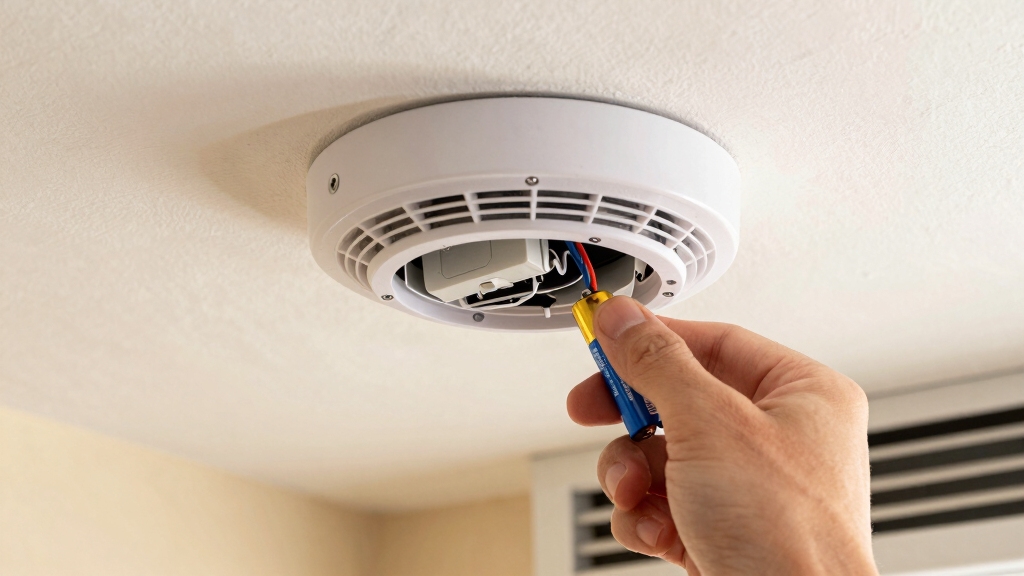

Yes, you need battery backups in hardwired smoke detectors to guarantee they work during power outages. These backups provide uninterrupted power when your home’s electrical system fails, keeping alarms functional and meeting building codes.
Without batteries, detectors can become inoperative during blackouts, compromising safety. Backup batteries usually require periodic replacement, with options ranging from standard alkaline to long-life lithium types.
Understanding proper maintenance and code requirements will help you keep your system reliable and compliant.
Key Takeaways
- Hardwired smoke detectors require battery backups to operate during power outages and maintain continuous fire detection.
- Backup batteries provide fail-safe power when the home’s electrical system fails, ensuring occupant safety during blackouts.
- Building codes mandate battery backups for hardwired detectors to meet fire safety and uninterrupted alarm requirements.
- Battery backup systems seamlessly switch power sources to prevent detection lapses during electrical interruptions.
- Regular battery maintenance and replacement are essential for reliable operation and code compliance in hardwired smoke detectors.
Why Hardwired Smoke Detectors Need Battery Backups?
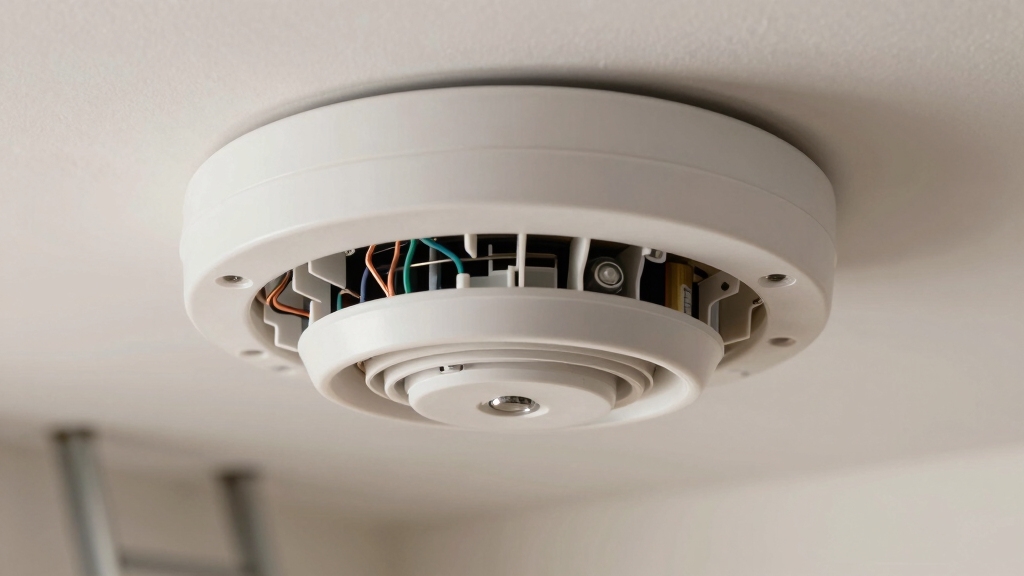
Although hardwired smoke detectors draw power directly from your home’s electrical system, they still need battery backups to assure continuous operation during power outages.
The primary electrical connection supplies consistent voltage, but power interruptions can occur due to outages or wiring faults.
Battery backups serve as an independent power source, assuring the detector remains functional when AC power is unavailable.
This dual power approach complies with building codes requiring uninterrupted fire detection. Without a battery backup, the detector would fail during a blackout, compromising safety.
You must maintain these batteries regularly, as their capacity gradually diminishes. Using recommended battery types, typically 9V alkaline or lithium, supports reliable backup performance.
This redundancy assures the smoke detector’s alarm activates regardless of electrical supply status, providing essential protection at all times.
Many hardwired smoke alarms use sealed 10‑year lithium batteries to offer maintenance-free backup power, reducing the need for frequent battery changes.
How Battery Backups Keep Smoke Detectors Working During Power Outages?
When the main power goes out, your hardwired smoke detector counts on its battery backup to keep working. It’s like having a safety net!
Usually, you’ll find alkaline, AA, or lithium batteries doing the heavy lifting here. Each type comes with its own lifespan and performance quirks.
To make sure your smoke detector stays ready for action during power outages, regular maintenance is key. Don’t forget to check those batteries and replace them on time.
This way, you can rest easy knowing your detector will be operational when you need it most!
Additionally, many hardwired smoke detectors are part of monitored systems that can alert emergency services automatically even during power failures.
Battery Backup Importance
Since hardwired smoke detectors rely primarily on your home’s electrical system, their battery backups play a crucial role in maintaining functionality during power outages.
When the main power fails, the backup battery immediately supplies the necessary voltage to keep the detector active, ensuring uninterrupted smoke detection.
This seamless shift prevents any lapse in safety monitoring, which could prove critical during emergencies.
Without a functioning backup, your detector becomes inoperative during outages, compromising early warning capabilities.
Consequently, maintaining a charged, reliable battery backup is essential for continuous operation. You must regularly inspect and replace backup batteries to guarantee their readiness.
Many hardwired smoke detectors also support interconnection with other alarms to enhance overall fire safety in your home.
Types Of Backup Batteries
To keep your hardwired smoke detector functioning during power outages, battery backups rely on specific battery types designed for reliability and longevity. Choosing the right battery guarantees your safety system remains effective when main power fails.
Here are common backup batteries:
- 9V Alkaline: Often found in older models, lasting 12-18 months but require regular replacement.
- AA Alkaline: Used in modern units, delivering similar lifespan with easy availability.
- Lithium 10-Year Sealed: Offers extended life, up to a decade, reducing maintenance frequency.
- CR123A Lithium: High-performance option lasting 3-5 years, ideal for advanced detectors.
Each type balances cost, lifespan, and reliability. Using high-quality batteries prevents leaks and premature failures, keeping your smoke detector operational during critical power outages. Regular maintenance and testing of these batteries ensures the backup system remains dependable when needed.
Maintenance And Replacement
Although hardwired smoke detectors draw power from your home’s electrical system, their battery backups play a crucial role during outages by maintaining continuous operation.
You must test detectors monthly to make certain both primary and backup power sources function correctly. Battery backups typically require replacement every 1 to 2 years, depending on battery type and manufacturer specifications.
Neglecting battery maintenance compromises system reliability, especially during power failures. When replacing batteries, use high-quality alkaline or lithium types recommended for your model to prevent leakage and ensure longevity.
Additionally, replace the entire hardwired smoke detector unit every 10 years as sensors degrade over time. Uniform maintenance across interconnected units is essential to maintain system integrity and code compliance, guaranteeing continuous protection regardless of electrical interruptions.
Regular cleaning and testing help prevent dust accumulation that can degrade detector performance and cause false alarms.
Types of Batteries Used in Hardwired Smoke Detectors
Hardwired smoke detectors typically rely on specific battery types to guarantee reliable backup power during outages. These batteries make certain your detector functions even when the main power fails, maintaining safety.
You’ll encounter several battery options:
- 9V alkaline batteries, common in older models, last 12-18 months but require regular replacement.
- AA alkaline batteries, used in many modern units, also provide 12-18 months of backup.
- Lithium 10-year sealed batteries offer extended life and low maintenance, ideal for newer detectors.
- CR123A lithium batteries, found in high-performance alarms, last 3-5 years and resist leakage.
Choosing high-quality batteries reduces risks of leakage and premature failure, making certain uninterrupted backup power when you need it most. It is also critical to test detectors monthly and replace batteries every six months to ensure continuous protection.
Building Code Requirements for Battery Backups in Hardwired Smoke Detectors
Since building codes aim to guarantee maximum safety, they mandate that all smoke detectors connected to a home’s electrical system include a battery backup. This requirement guarantees continuous operation during power outages, maintaining fire detection reliability.
For homes built or renovated after 1975, local codes typically require hardwired smoke detectors with integrated battery backups, never battery-only units. Although codes don’t always specify the battery type, 10-year lithium batteries are strongly recommended for longevity and reduced maintenance.
You must also guarantee proper installation by certified professionals to meet code compliance. Noncompliance can lead to inspection failures and increased safety risks. Regular testing and maintenance of the backup battery ensure reliable function during outages, similar to how battery backup systems extend sump pump longevity.
When to Replace Backup Batteries in Hardwired Smoke Detectors
Maintaining the battery backup in your smoke detector is a key part of guaranteeing continuous protection during power outages. You should replace backup batteries regularly to prevent failure when you need them most. Here’s when to act:
- Every 1 to 2 years: Most alkaline or AA batteries last this long before losing efficacy.
- When low-battery chirps occur: Unlike battery-only models, hardwired units may signal less frequently, so don’t ignore any alerts.
- After power outages: A backup battery can drain during outages, so check and replace it promptly.
- If the battery shows signs of leakage or corrosion: This can damage the detector and impair function.
Regular maintenance and timely replacement ensure the device’s reliable operation and compliance with safety codes. Adhering to this replacement schedule guarantees your hardwired smoke detector remains reliable and code-compliant at all times.
Pros and Cons of Battery Backup in Hardwired Smoke Detectors
Hey there! So, when it comes to hardwired smoke detectors, having a battery backup is pretty crucial. It means that even if the power goes out, your detectors will still work, keeping you and your family safe.
But, let’s not forget that with that battery backup comes a bit of responsibility. You need to keep up with regular maintenance and make sure you’re replacing those batteries on time. Otherwise, you could be left with a system that just isn’t functioning when you need it most.
It’s really helpful to weigh the pros and cons of having battery backup in your smoke detectors. This way, you can set up your smoke detection system to be as safe and reliable as possible.
Understanding what you’re getting into can make all the difference in ensuring peace of mind for you and your loved ones. Just like a peephole’s effectiveness relies on its proper installation and maintenance, your smoke detector’s reliability depends on consistent care and attention to its battery backup system.
Battery Backup Importance
Frequently, battery backup in hardwired smoke detectors proves essential for ensuring continuous operation during power outages. Without it, you risk losing fire detection when you need it most. The battery backup maintains alarm functionality even if your home’s electrical system fails.
Here’s why it matters:
- Safety Assurance: Keeps alarms active during blackouts, protecting your family.
- Code Compliance: Meets building regulations that mandate backup systems.
- System Reliability: Prevents false security from power-dependent units.
- Peace of Mind: Provides confidence your alarm won’t fail unexpectedly.
While battery backup requires periodic replacement, its benefits in uninterrupted performance and compliance outweigh the maintenance efforts.
You want your smoke detector ready at all times, and battery backup ensures exactly that, even when the power’s out. Proper inspection frequency and maintenance also help guarantee your smoke detectors function effectively over time.
Maintenance And Replacement
While battery backup substantially enhances the reliability of hardwired smoke detectors during power outages, it introduces specific maintenance responsibilities.
You need to replace backup batteries every 1-2 years to guarantee functionality. Monthly testing of detectors remains essential regardless of power source.
When the detector reaches its 10-year lifespan, replace the entire unit to maintain safety standards. Neglecting battery replacement risks compromised alarm effectiveness.
| Maintenance Aspect | Requirement/Note |
|---|---|
| Battery Replacement | Every 1-2 years |
| Testing Frequency | Monthly |
| Device Replacement | Every 10 years |
| System Uniformity | Maintain all interconnected units |
Advantages And Drawbacks
Although hardwired smoke detectors rely primarily on your home’s electrical system, their battery backups play a crucial role in guaranteeing continuous operation during power outages.
This dual power source enhances safety but also introduces trade-offs you should consider.
- You gain uninterrupted protection during outages, critical for fire safety.
- You must perform regular battery replacements to maintain backup reliability.
- You face additional upfront costs and the need for professional installation.
- You benefit from code compliance and interconnected alarms, amplifying alert coverage.
While battery backups improve reliability and compliance, they require ongoing maintenance. Ignoring battery replacement risks detector failure during a power loss.
Balancing these pros and cons secures your system functions effectively, safeguarding your home effectively.
Maintaining Battery Backup to Ensure Hardwired Smoke Detector Reliability
Regularly maintaining the battery backup in your hardwired smoke detector is indispensable to guarantee continuous operation during power outages.
Even though your detector relies primarily on household electricity, its battery backup serves as a critical fail-safe.
You should test the detector monthly and replace backup batteries every 1-2 years to prevent system failure.
Use 10-year lithium batteries when possible, as they provide extended reliability and reduce maintenance frequency.
Avoid expired or low-quality batteries that risk leaks or rapid discharge.
Keep in mind that low battery warnings are less prominent in hardwired units, so proactive replacement is crucial.
Neglecting battery upkeep compromises your detector’s effectiveness and code compliance, increasing fire risk.
Frequently Asked Questions
Can I Install Hardwired Smoke Detectors Myself Without an Electrician?
You technically can install hardwired smoke detectors yourself, but it’s not recommended unless you have electrical experience.
These units connect directly to your home’s wiring and require proper integration with your circuit and other alarms. Mistakes can cause malfunctions or code violations.
For safety and compliance, it’s best to hire a licensed electrician who understands local codes and guarantees the system works reliably, especially with interconnections and battery backups.
How Do Interconnected Hardwired Smoke Detectors Communicate With Each Other?
Think of interconnected hardwired smoke detectors like a team linked by a communication wire.
They communicate through dedicated interconnect wiring integrated into your home’s electrical system. When one detector senses smoke, it sends an electrical signal via this wiring to all other units, triggering their alarms simultaneously.
This precise, wired communication guarantees immediate, synchronized alerts throughout your home. It enhances safety by giving you consistent warnings regardless of where smoke is detected.
What Happens if the Backup Battery Dies but the Home Power Is On?
If the backup battery dies while your home power is on, your hardwired smoke detector will still function using the main electrical supply.
However, you lose protection during power outages since the battery backup won’t provide emergency power. This compromises your system’s reliability in blackouts.
You should replace the backup battery promptly to guarantee continuous protection, as neglecting it reduces your detector’s effectiveness and could violate safety codes.
Are There Smart Hardwired Smoke Detectors With Mobile Alerts Available?
Yes, you can get smart hardwired smoke detectors that send mobile alerts.
These devices integrate with your home Wi-Fi and connect to apps on your smartphone, letting you monitor alarms remotely.
When smoke or carbon monoxide is detected, you’ll receive instant notifications, even if you’re away.
They often include battery backups for outages and support interconnection with other alarms, combining traditional reliability with modern convenience and enhanced safety features.
How Loud Are Hardwired Smoke Detectors Compared to Battery-Only Models?
Hardwired smoke detectors generally produce alarms around 85 decibels, similar to battery-only models, meeting safety standards.
However, because hardwired systems are interconnected, when one triggers, all alarms sound simultaneously, increasing overall volume throughout your home.
This interconnection enhances your ability to hear alerts from any room, especially in larger spaces.
Don’t Let a Power Cut Silence Your Smoke Alarm
You absolutely need batteries in your hardwired smoke detectors. Without them, they’re powerless the moment the grid fails. Battery backups aren’t just a nice-to-have; they’re the lifeline that keeps your safety system screaming when darkness falls.
Neglecting this tiny power source is like expecting a fortress to stand without walls. Keep those batteries fresh, replace them regularly, and make certain your detectors never skip a beat. Because in emergencies, seconds count and failure isn’t an option.