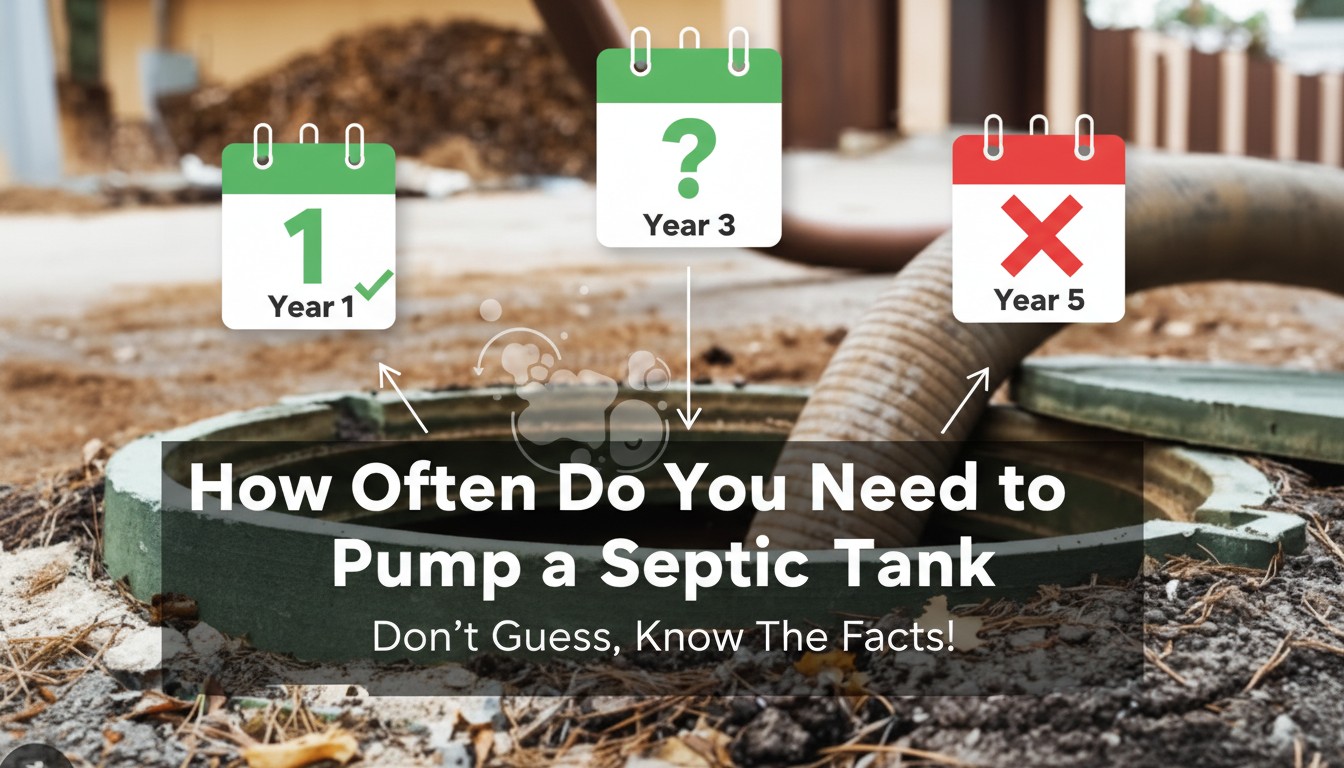

You should pump your septic tank every 3 to 5 years to prevent solids buildup and system failure. Your household size and water use affect this interval. More people and heavy water or solid waste shorten the time between pumpings.
Smaller tanks fill faster and need more frequent service. Older or mechanically complex systems require closer attention, sometimes annual inspections.
Understanding these factors helps you optimize maintenance and avoid costly repairs. Further details are available to help you fine-tune your schedule.
Key Takeaways
- Septic tanks generally require pumping every 3 to 5 years to prevent solids buildup and system failure.
- Households with more occupants or smaller tanks need more frequent pumping, sometimes every 2 to 3 years.
- High water use and heavy solids from garbage disposals shorten pumping intervals, potentially to every 6 months.
- Older or plastic tanks often need pumping every 2 to 3 years due to faster degradation and solids accumulation.
- Systems with mechanical components require annual inspections and may need more frequent pumping to maintain function.
Septic Tank Pumping Frequency: General Guidelines
Typically, you should pump your septic tank every 3 to 5 years to maintain peak function.
Concrete tanks generally adhere to this schedule, while plastic tanks require pumping every 2 to 3 years due to their susceptibility to damage.
Regular inspections by a septic professional at least every three years are essential to assess sludge levels and system integrity.
Alternative septic systems with mechanical components, such as electrical float switches or pumps, need annual inspection to prevent malfunctions.
Timely pumping prevents solids buildup, which can lead to system failure and costly repairs. Adhering to these general guidelines optimizes system longevity and ensures efficient wastewater treatment.
If you’re unsure about your tank type or condition, consult a licensed septic service provider for tailored recommendations.
Additionally, frequent use or environmental factors can accelerate wear on mechanical components, making routine maintenance critical to avoid premature failures.
How Household Size Affects Septic Tank Pumping Frequency?
Household size markedly influences how often you need to pump your septic tank because more occupants generate greater volumes of wastewater and solids.
For example, a 1,000-gallon tank serving two people typically requires pumping every 5-6 years. However, if five or more people share the same tank, pumping is necessary every 2-3 years.
Understanding this relationship helps you schedule maintenance efficiently to avoid system overload. Regular inspection and locating your septic tank using yard indicators can prevent unexpected problems and ensure timely pumping.
| Household Size | Tank Capacity (gallons) | Pumping Frequency | Notes |
|---|---|---|---|
| 2 people | 1,000 | 5-6 years | Lower wastewater volume |
| 4 people | 1,500 | 5-6 years | Balanced usage |
| 4 people | 1,000 | ~2.5 years | Smaller tank, same users |
| 5+ people | 1,000 | 2-3 years | High wastewater volume |
Why Septic Tank Size Changes Your Pumping Schedule?

Septic tank size directly influences how often you need to schedule pumping because it determines the volume of solids and liquids the system can hold before requiring service.
Larger tanks accommodate more waste, extending the interval between pumpings, while smaller tanks fill up faster and need more frequent attention.
As a rule of thumb, you should plan to pump once per 1,000 gallons of tank capacity, though this varies with household size and usage.
For example, a 1,000-gallon tank typically requires pumping every 3-5 years. However, if your household is large or usage is intense, that interval shortens.
Understanding your tank’s exact capacity helps you set a precise maintenance schedule. This prevents overflows and costly repairs while ensuring peak system performance.
Regular inspections every 3 to 5 years are also recommended to evaluate sludge levels, baffles, and structural integrity to prevent failures and extend tank lifespan.
How Water Use and Waste Solids Influence Pumping Needs?
Tank size sets the baseline for pumping intervals, but how much water you use and the amount of solids your household produces directly affect how quickly your septic system fills.
High water usage from showers, dishwashers, and laundry increases wastewater volume, filling the tank faster. Similarly, heavy solids from cooking waste and garbage disposals accelerate sludge buildup, requiring more frequent pumping.
To manage your septic system effectively, consider these factors:
- Monitor water consumption patterns every 2-3 years to assess impact on tank filling rates.
- Limit garbage disposal use to reduce solids entering the tank.
- Use efficient appliances and fixtures to minimize wastewater volume.
- Schedule pumping intervals based on solids production, with heavy solids potentially requiring service every 6 months.
Regular pumping every 3 to 5 years is recommended to prevent sludge buildup that can lead to costly septic system failures. Balancing water use and solids input helps optimize your septic maintenance schedule.
When to Schedule More Frequent Pumping for Older or Complex Systems?
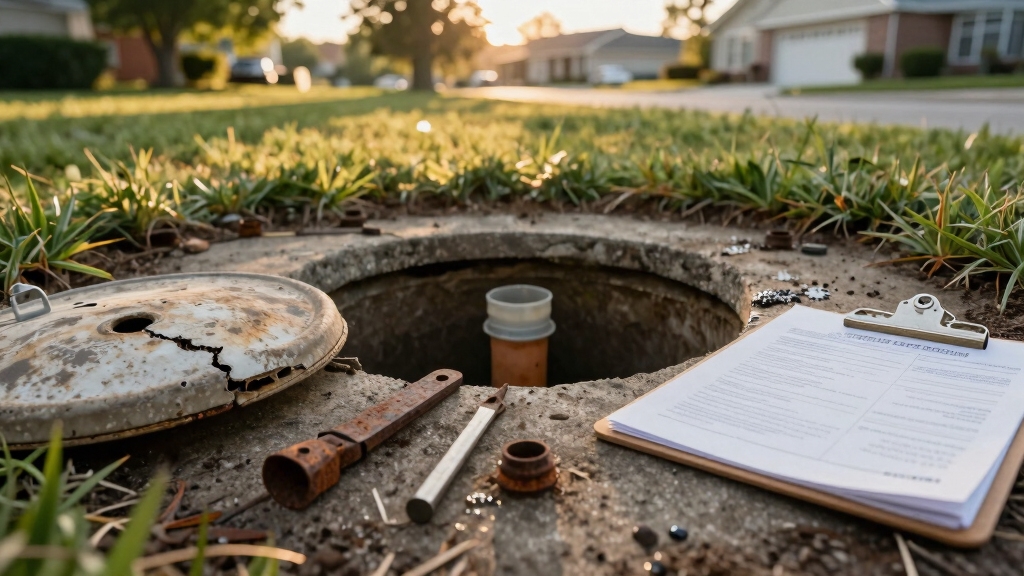
Although many systems follow standard pumping intervals, older or more complex setups often demand more frequent service to maintain peak function.
Older or more complex septic systems require more frequent pumping to ensure optimal performance and longevity.
If your septic system has mechanical components such as pumps or electrical float switches, you should schedule annual inspections and potentially more frequent pumping.
Aging tanks, especially those made of plastic, may degrade or develop leaks, requiring closer monitoring and shorter pumping intervals, often every 2 to 3 years.
Additionally, older systems might accumulate solids faster due to compromised settling efficiency, necessitating increased pumping frequency.
Consult a licensed septic professional who can evaluate your system’s condition, household size, and usage patterns to tailor a maintenance schedule.
Staying proactive prevents costly failures and guarantees your system operates efficiently within local regulations and manufacturer guidelines.
Frequently Asked Questions
Can I Pump My Septic Tank Myself or Should I Hire a Professional?
You can technically pump your septic tank yourself, but it’s best to hire a licensed professional. Septic pumping requires specialized equipment and knowledge to avoid damage or health risks.
Professionals assess tank size, condition, and sludge levels accurately, guaranteeing proper cleaning and disposal. DIY pumping risks incomplete removal, system damage, or legal issues.
Hiring an expert protects your system’s longevity and guarantees compliance with local regulations, saving you time and potential costly repairs.
What Are the Signs of a Failing Septic System?
If your septic system’s acting like a ticking time bomb, watch for slow drains, bad odors, or soggy spots in your yard. You might notice toilet backups or gurgling sounds in pipes. These signs indicate blockages or system overload.
Don’t ignore frequent pumpings or inspections, especially if your household size or water use is high. Catching issues early helps avoid costly repairs and keeps your system running smoothly and efficiently.
How Much Does Septic Tank Pumping Typically Cost?
Septic tank pumping typically costs between $250 and $500, depending on your tank size and location.
Larger tanks or systems with difficult access might push costs higher.
You’ll pay more if your septic service includes inspections or additional maintenance.
Keep in mind, regular pumping prevents costly repairs down the line.
It’s wise to get quotes from licensed professionals in your area to guarantee accurate pricing tailored to your system.
Are There Environmentally Friendly Septic Tank Additives?
Yes, you can use environmentally friendly septic tank additives designed to boost bacterial activity, helping break down solids more efficiently.
These additives typically contain natural enzymes and microbes that support the tank’s biological processes without harming the environment.
However, you should choose additives carefully, as some may disrupt system balance or violate local regulations.
Always consult a septic professional before use to guarantee compatibility with your specific system and local codes.
How Does Heavy Rain Affect Septic Tank Function?
Heavy rain can saturate the soil around your septic system, slowing or preventing effluent absorption into the drain field.
This may cause backups or system overloads. You should avoid excessive water use during and after storms to reduce stress on the system.
Additionally, inspect your drainage to make certain rainwater diverts away from the septic area.
This minimizes surface water infiltration that could impair septic function and increase the risk of failure.
Regular Pumping: Key to Long-Lasting Septic Performance
You’ll want to pump your septic tank regularly, like clockwork, to keep it running smoothly. Imagine your system as a finely tuned engine. Ignoring buildup can cause costly backups or failures.
Household size, tank capacity, and water use all shape your pumping schedule. Older or complex systems need extra care.
Stay ahead by monitoring these factors closely. Schedule pumping before problems surface to ensure your septic system performs efficiently and reliably for years to come.