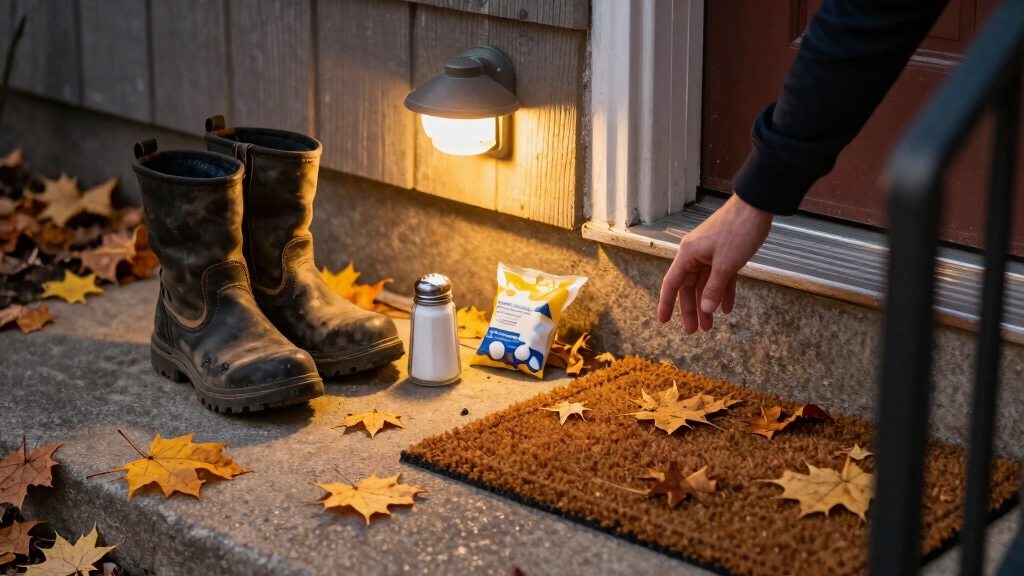

To stay safe this fall, keep your walkways clear of wet leaves and debris that can cause slips. Use good lighting, especially motion-sensor or dusk-to-dawn bulbs, to spot hazards in low light.
Wear footwear with non-slip soles for better grip indoors and out. Secure handrails and install grab bars at home to prevent falls on stairs and in bathrooms.
Check ladders carefully before use, maintaining three points of contact, and drive cautiously in fog and wet conditions. Explore more strategies to protect yourself as the season changes.
Key Takeaways
- Clear walkways of leaves and debris regularly to prevent slippery surfaces and hidden tripping hazards.
- Install and maintain adequate lighting, including motion-sensor and pathway lights, for safe navigation during shorter daylight hours.
- Use handrails on stairs consistently and ensure they are securely installed and properly maintained for stable support.
- Wear footwear with non-slip soles and good traction to reduce fall risk on wet or uneven fall surfaces.
- Keep indoor floors clutter-free, secure rugs with non-skid backing, and install grab bars in bathrooms for added safety.
Why Fall Prevention Matters This Autumn?
As autumn arrives, you face increased risks of falls due to slippery leaves, shorter daylight hours, and unpredictable weather conditions.
Autumn brings slippery leaves, reduced daylight, and unpredictable weather, increasing the risk of falls.
These factors markedly raise the likelihood of injuries, particularly for older adults, who experience one in four falls annually.
Fall-related incidents cause 95% of hip fractures among 800,000 reported injuries each year.
Emergency visits and fatalities linked to falls have surged by 20% and 60%, respectively.
This data underscores the critical need for vigilance during the fall season.
Being aware of environmental hazards and understanding the severity of fall consequences empowers you to take proactive measures.
Recognizing these risks guarantees you address them promptly, reducing the chances of injury and maintaining your safety as seasonal conditions change.
Proper planning, such as maintaining clear and unobstructed access paths, is essential to prevent accidents and ensure safe maintenance.
Preventing Falls at Home: Key Tips for Safety
You can markedly reduce your risk of falls at home by taking targeted safety measures.
Start by keeping floors and walking paths clear of clutter, cords, and loose rugs to eliminate tripping hazards.
Install sturdy handrails on both sides of stairways and make sure all steps have secure, non-slip surfaces.
Wear sensible footwear with good traction indoors, avoiding slippers or smooth soles.
Avoid standing on unstable surfaces like chairs or tables; use a proper step stool instead.
Maintain consistent, adequate lighting inside your home, especially in hallways and stairwells, to clearly see obstacles.
Regularly inspect and repair uneven flooring or loose floorboards.
Additionally, securing your home’s entry points with reinforced frames can enhance overall safety and prevent unauthorized access.
Improving Outdoor Lighting for Safer Fall Walks
When daylight fades, poor outdoor lighting can easily lead to slips and falls during your evening walks. You need to make certain all pathways, steps, and entrances are well-lit, eliminating shadows that obscure hazards.
Ensure all outdoor areas are well-lit to prevent slips and falls as daylight fades.
Install motion-sensor lights to illuminate areas only when you approach, conserving energy while enhancing safety. Replace dim or flickering bulbs immediately to maintain consistent brightness.
Consider using LED lights for their longevity and clear illumination. Trim overgrown bushes or tree branches that block light fixtures.
Use pathway lighting to clearly define walking routes, especially on uneven surfaces. Regularly check your outdoor lighting system before dusk to confirm all components function properly.
For optimal safety and energy efficiency, consider installing dusk to dawn lighting that automatically activates at sunset and deactivates at sunrise, ensuring consistent illumination throughout the night.
Choosing the Right Footwear to Avoid Slip Injuries
When it comes to picking the right shoes to prevent slip injuries, you really want to focus on materials that resist slipping, especially when you’re dealing with wet or icy surfaces.
Trust me, it’s a game changer!
Also, don’t forget about the fit. Your shoes should fit properly and offer enough support to help you maintain your balance and keep fatigue at bay. That’s super important, right?
And let’s not overlook the soles! Go for ones that have strong traction patterns; they’re designed to grip uneven or slick ground effectively. It can make all the difference when you’re out and about!
Footwear Material Importance
Selecting the right footwear material plays a crucial role in preventing slip injuries, especially in environments prone to wet or uneven surfaces.
You want soles made from rubber or other non-slip materials that offer strong grip and traction.
Avoid smooth leather or plastic soles, as they become dangerously slick when wet.
Look for footwear with textured or patterned outsoles to channel away moisture and improve contact with the ground.
Materials that maintain flexibility in cold conditions also help maintain stability.
Additionally, waterproof or water-resistant uppers prevent your feet from becoming damp, reducing the risk of slips caused by discomfort or cold.
Moisture can increase slip hazards by creating conductive films that reduce friction on surfaces.
Proper Fit and Support
Make sure your footwear fits securely and provides adequate support to minimize slip risks and maintain balance during fall activities.
Ill-fitting shoes can cause instability, increasing your chance of a fall. Choose shoes that snugly wrap your feet without pinching or excessive looseness.
Pay close attention to arch support and heel stability; these features keep your foot aligned and reduce strain. Avoid shoes that allow your foot to slide inside, which compromises grip and control.
When trying on footwear, walk on various surfaces to test comfort and support under real conditions. Also, ensure your shoes accommodate any orthotic inserts you may use.
Proper fit and support are vital steps in preventing slips and maintaining safe footing throughout the season.
For added safety, consider gear with quick-release buckles that allow for fast adjustments and emergency removal in case of a fall.
Sole Traction Features
Choosing footwear with reliable sole traction is essential to prevent slip injuries during fall activities. You need soles that grip well on wet leaves, icy patches, and uneven surfaces.
When selecting shoes, focus on these key features:
- Tread Pattern: Opt for deep, multidirectional grooves that channel water and debris away to maintain contact with the ground.
- Material Composition: Choose rubber soles with high friction coefficients, designed specifically for slippery conditions.
- Flexibility and Cushioning: Make sure the sole bends naturally with your foot while providing shock absorption to enhance stability.
Additionally, consider footwear with soles made from corrosion-resistant materials to ensure durability and maintain grip performance over time.
Clearing Leaves and Debris to Prevent Slip Hazards
When leaves and debris accumulate on walkways and driveways, they create slippery surfaces that greatly increase your risk of falls. You should regularly clear these areas using a rake or leaf blower to maintain safe footing.
Wet leaves are especially hazardous, reducing traction and hiding uneven spots or cracks. Inspect your paths carefully and remove any debris immediately. Dispose of the leaves properly to avoid creating new hazards elsewhere.
Pay close attention to corners, edges, and shaded areas where moisture lingers longer. Keep gutters and drains clean to prevent overflow that contributes to slippery buildup. Additionally, regular inspection and maintenance of outdoor sensors can help prevent safety hazards caused by moisture exposure.
Using Handrails and Supports to Stay Safe on Stairs
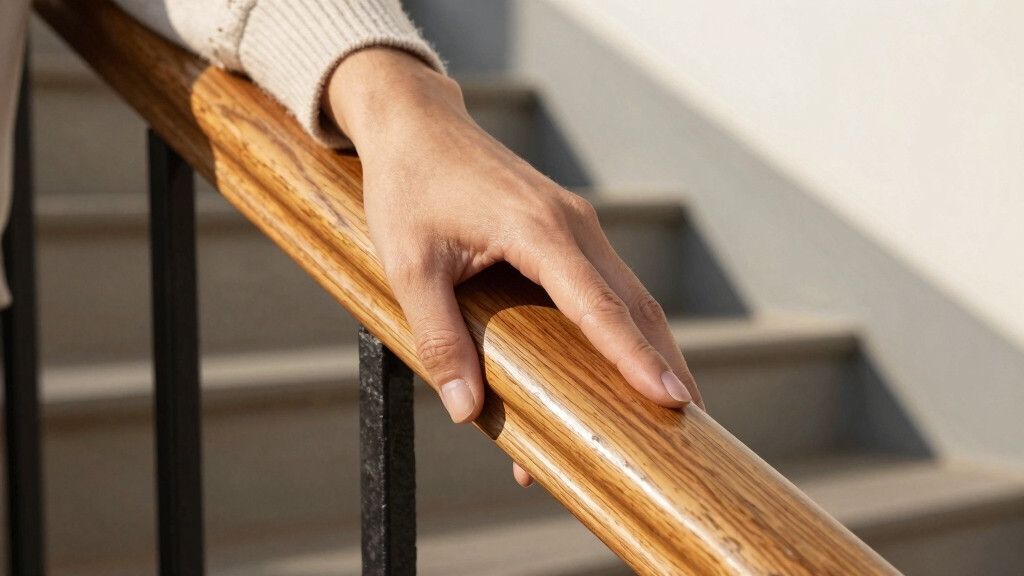
Using handrails every time you climb or descend stairs is a smart move! They really help reduce your risk of falls by giving you that steady support and balance you need.
Just imagine how much safer you feel when you have something to hold onto.
Now, when it comes to handrails, it’s important to ensure they’re securely installed. You want them to be at a comfortable height, ideally between 34 and 38 inches.
And don’t forget—handrails should extend the full length of the staircase. That way, you have a continuous grip from top to bottom.
Let’s not overlook maintenance, either! Properly maintained and correctly placed handrails are essential safety features in any home or workplace stairway.
They really make a difference in keeping you and everyone else safe. So, next time you’re heading up or down the stairs, remember to use those handrails!
Regular inspection frequencies and maintenance checks ensure handrails remain safe and reliable over time.
Benefits Of Handrail Use
Grasping handrails while negotiating stairs markedly reduces your risk of falls and injuries by providing essential support and stability.
When you use handrails consistently, you enhance your balance and control, especially on uneven or slippery steps.
This simple action helps distribute your weight evenly, preventing missteps that lead to accidents. Key benefits include:
- Immediate physical support to catch yourself during slips or trips.
- Increased confidence and reduced hesitation, promoting safer stair navigation.
- Lowered strain on lower limbs by sharing the load through your arms.
Regular maintenance and timely replacement of safety features like handrails ensure continued effectiveness and prevent wear and corrosion that can compromise stability.
Proper Handrail Installation
Handrails provide essential support, but their effectiveness depends on proper installation. You need to make certain handrails are securely anchored into wall studs or solid framing, not just drywall, to withstand weight and prevent loosening.
Position the handrail between 34 to 38 inches above stair treads for peak grip and comfort. The diameter should be 1.25 to 2 inches, allowing your hand to wrap around firmly. Maintain a clearance of at least 1.5 inches from the wall to avoid pinching fingers or slipping.
Extend handrails the full length of the stairs, including landings, to offer continuous support. Regularly inspect brackets and fasteners for wear or damage, tightening or replacing them as needed. Proper installation greatly reduces fall risks and enhances your safety on stairs.
For additional security, consider installing a peephole with a properly designed cover to maintain privacy and prevent unwanted visibility.
Fall Prevention Tips for Protecting Older Adults
Reducing fall risks around the home starts with clear, clutter-free floors and well-lit spaces that help older adults navigate safely.
You can markedly lower the chance of injury by addressing common hazards and promoting steady mobility. Focus on these key actions:
- Install grab bars and handrails in essential areas such as bathrooms and stairways to provide firm support.
- Encourage regular vision and medication reviews, as impaired sight and side effects increase fall risk.
- Choose footwear with non-slip soles and make sure rugs or mats have non-skid backing to prevent slipping.
Implementing these measures creates a safer environment and empowers older adults to maintain independence while reducing the 1 in 4 annual fall injury statistic among those aged 65 and older.
Ladder Safety Tips for Fall Home Maintenance
While securing your home against falls is essential, maintaining safety during fall home maintenance tasks is equally important, especially when using ladders.
Always read and follow the ladder’s instructions before use. Choose a ladder that suits the task and inspect it for damage or defects.
Set the ladder on a firm, level surface and make certain it’s fully extended and locked. Keep your body centered between the side rails and avoid overreaching; move the ladder instead.
Wear sturdy, non-slip footwear and avoid loose clothing that could catch. If possible, have someone hold the ladder steady for you.
Never carry heavy or bulky items up the ladder; use a tool belt or hoist items separately. Prioritize these steps to reduce risk and maintain control during your fall projects.
Preventing Workplace Falls in Fall Weather Conditions
Hey there! Just a quick reminder to stay alert to those pesky weather-related hazards, especially during fall. Wet leaves and frost can really increase the risk of slips and falls on the job.
Now, let’s talk about footwear. It’s super important to wear shoes that have good traction. Nobody wants to take a tumble on slick surfaces, right?
And when it comes to ladders, always remember to follow safety precautions. Secure that ladder and keep three points of contact at all times. This is especially crucial when the weather can be unpredictable in the fall. Stay safe out there!
Weather-Related Hazard Awareness
Because fall weather brings wet leaves, early frost, and unpredictable rain, you need to stay vigilant about weather-related hazards that increase the risk of workplace falls.
These conditions create slippery surfaces and reduce visibility, demanding heightened attention and proactive measures.
To protect yourself and coworkers, focus on these key points:
- Inspect walking surfaces regularly. Remove wet leaves, clear debris, and report icy patches immediately.
- Use proper lighting in outdoor and transitional areas to detect hazards early, especially during shorter daylight hours.
- Communicate weather changes promptly to all employees, ensuring everyone is aware of increased risks and adjusts their movements accordingly.
Proper Footwear Importance
Choosing the right footwear plays a critical role in preventing workplace falls during fall weather conditions.
You need shoes with non-slip soles that provide firm traction on wet leaves, slick surfaces, and uneven ground common in autumn.
Avoid smooth soles or high heels; they increase slip risk. Opt for footwear with sturdy ankle support to reduce twisting injuries on unpredictable terrain.
Waterproof materials help keep your feet dry, maintaining comfort and balance.
Regularly inspect your shoes for worn treads and replace them promptly.
Remember, proper footwear complements other safety measures by enhancing your stability and grip.
Prioritizing this simple yet effective step markedly lowers your chance of fall-related injuries on the job during the challenging fall months.
Ladder Safety Precautions
When working with ladders during fall, taking strict safety precautions is crucial to prevent serious injuries and fatalities.
Fall weather increases hazards like wet leaves and slippery rungs, so you must be vigilant. Follow these essential steps:
- Inspect your ladder thoroughly before use, checking for defects, loose parts, or wet surfaces that could cause slipping.
- Position the ladder on stable, level ground, avoiding uneven or soft soil that compromises balance. Always secure the base and top if possible.
- Maintain three points of contact: two hands and one foot or two feet and one hand while climbing or descending. Never overreach; instead, reposition the ladder to keep your body centered.
Driving Safely in Fall: Avoiding Slips and Accidents
Frequently, fall conditions create unique driving hazards that demand your full attention to avoid slips and accidents.
You must slow down for reduced visibility caused by fog, dusk, and falling leaves, which can make roads slippery.
Avoid driving through floodwaters; just six inches of moving water can cause loss of control.
Watch carefully for wildlife and obey animal crossing signs to prevent sudden collisions.
Never pass school buses with flashing red lights and exercise extra caution near playgrounds and residential areas.
Maintain your vehicle’s tires and brakes to ensure peak traction on wet or leaf-covered surfaces.
Frequently Asked Questions
How Do Nutrition and Hydration Affect Fall Risk in Older Adults?
You must understand that proper nutrition and hydration directly impact your muscle strength, balance, and cognitive function, all vital in reducing fall risk.
When you stay hydrated, your joints and muscles work better, and your mind stays sharp to react quickly.
Eating a balanced diet rich in calcium, vitamin D, and protein helps maintain bone density and muscle mass.
Neglecting these can lead to weakness, dizziness, and increased chances of falling.
What Are the Psychological Effects of Falls on Seniors?
You might think a fall is just a physical event, but it deeply impacts your mental health too.
Experiencing a fall can cause you to feel fear, anxiety, and loss of confidence, which often leads to social isolation.
This psychological toll increases your risk of future falls because you may limit activity, weakening your strength and balance.
Recognizing and addressing these emotional effects is essential for your overall recovery and safety.
Can Certain Medications Increase the Risk of Falls?
Yes, certain medications can increase your risk of falls by causing dizziness, drowsiness, or impaired balance.
These include sedatives, antidepressants, blood pressure drugs, and some pain relievers.
Always review your medications with your healthcare provider, especially if you notice changes in coordination or alertness.
They can adjust dosages or suggest alternatives to help keep you steady on your feet and reduce the chance of dangerous falls.
How Does Vision Impairment Contribute to Fall Incidents?
Seeing is believing, but when your vision blurs, falls become more likely.
When your eyesight weakens, you miss hazards like uneven surfaces or obstacles, increasing your fall risk.
Poor depth perception and reduced peripheral vision make maneuvering tricky, especially in low light.
You might misjudge steps or stairs, leading to slips.
What Role Does Exercise Play in Improving Balance and Preventing Falls?
Exercise plays a vital role in improving your balance and preventing falls by strengthening muscles, enhancing coordination, and increasing flexibility.
When you engage in activities like tai chi, yoga, or balance training, you sharpen your body’s stability and reaction time.
Regular exercise also boosts your confidence in movement, reducing the fear of falling.
Consistency is key; make exercise part of your routine to markedly lower your fall risk.
Step Confidently Into Fall—Safety Starts With You
As the season gently shifts, don’t let hidden stumbles disrupt your momentum. By staying vigilant, securing your home, choosing proper footwear, and maintaining clear pathways, you’ll navigate autumn with confidence and grace.
Remember, small precautions today prevent larger setbacks tomorrow. Whether you’re tending to outdoor chores or driving through crisp landscapes, your mindful actions guarantee safety remains your steady companion throughout fall’s subtle challenges.
Stay proactive and keep every step secure this season.