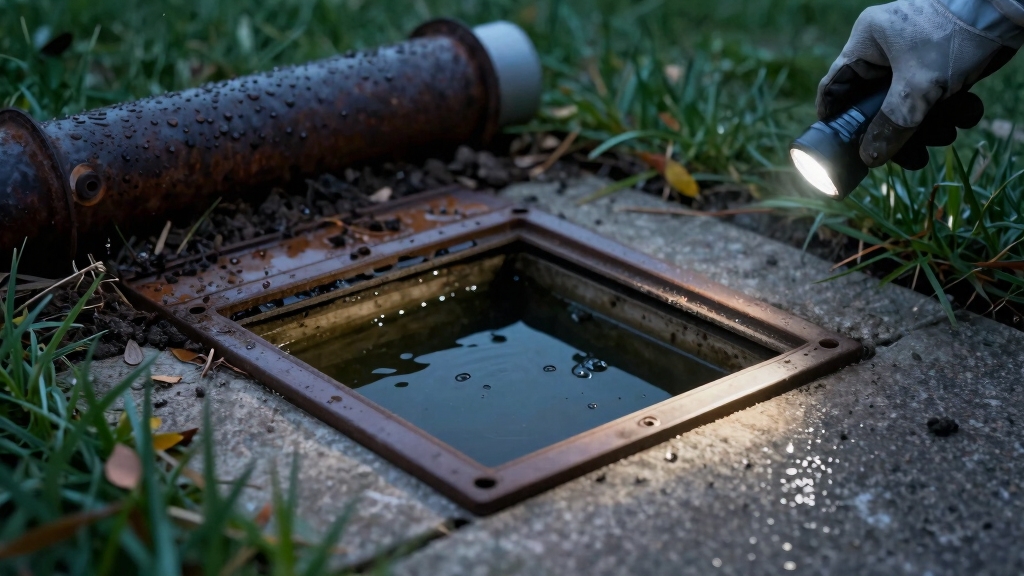

You’ll know your septic tank is full if you notice slow drains across sinks and tubs, or toilets needing multiple flushes. You may also hear gurgling pipes. Outside, persistent sewage odors or pooling water near your tank signal trouble.
These issues can lead to health risks like sewage backups and groundwater contamination. It’s vital to act promptly to prevent damage and costly repairs. Understanding these signs helps you recognize problems early and maintain system health.
Key Takeaways
- Slow draining sinks, tubs, and toilets needing multiple flushes often indicate a septic tank nearing full capacity.
- Gurgling or bubbling noises in plumbing pipes suggest trapped air or blockages from a full tank.
- Sewage odors around the tank or yard signal untreated waste surfacing due to a full septic system.
- Pooling water or soggy ground near the septic tank or drain field indicates compromised wastewater absorption.
- Sewage backups into toilets, sinks, or tubs are urgent signs that the septic tank is full and needs pumping.
How To Tell If Your Septic Tank Is Full?
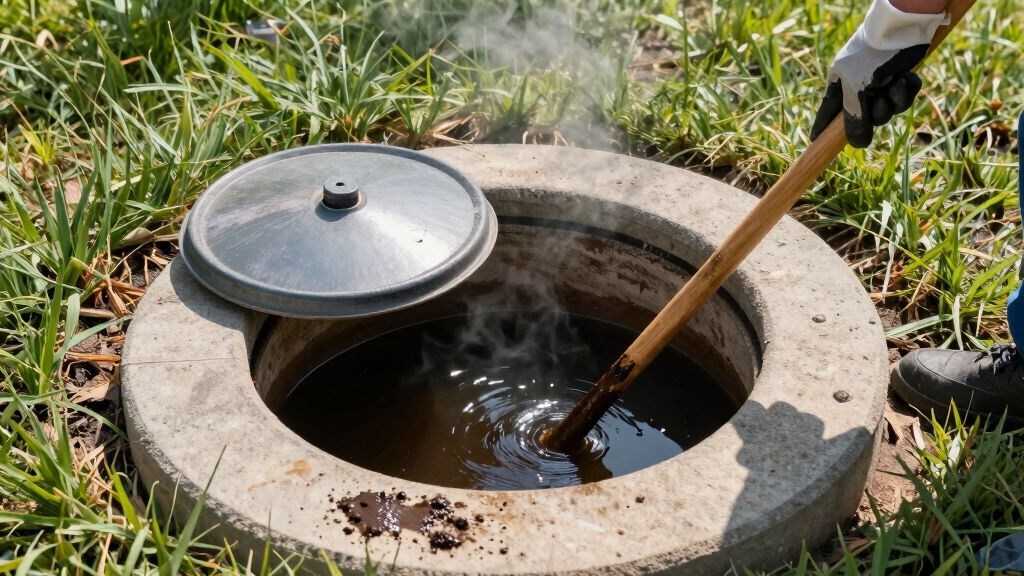
You can tell your septic tank is full by recognizing key signs that indicate system backup or failure.
Look for slow drainage across multiple fixtures, signaling that wastewater isn’t flowing properly through the system.
If water takes longer than usual to empty from sinks or tubs, this suggests the tank is nearing capacity.
Additionally, persistent sewage odors near drains or around the septic tank itself reveal untreated waste is backing up, a critical warning of overfill.
Pooling water or soggy patches in the yard near the drain field also indicate the system’s absorption capacity is compromised.
Gurgling sounds in pipes can further confirm that air and waste are struggling to move through a full tank.
Monitoring these signs allows you to act before severe system failures occur.
Consulting septic system records can help confirm tank status and guide timely maintenance decisions.
Indoor Signs: Slow Drains, Gurgling Pipes, And Sewage Backup
Frequently, slow drains serve as an early indoor indicator that your septic tank is nearing capacity.
When sinks, tubs, and showers drain sluggishly or toilets require multiple flushes, your system likely faces a backup.
You may hear gurgling or bubbling noises in pipes, signaling trapped air due to blockages or an overfilled tank.
These sounds typically accompany slow drainage and indicate impaired wastewater flow.
In severe cases, sewage may back up into toilets, sinks, or tubs, representing an urgent warning that your septic tank is full and unable to process waste effectively.
Ignoring these signs risks health hazards and property damage.
Prompt professional inspection and maintenance are essential once you detect these indoor symptoms to restore proper septic function.
Regular septic tank pumping prevents solids buildup that leads to these problems and extends the system’s life.
Outdoor Signs: Sewage Odors And Pooling Water Around Your Septic Tank
Indoor indicators like slow drains and gurgling pipes often precede outdoor signs that your septic tank is full.
Slow drains and gurgling pipes indoors often signal that your septic tank is nearing capacity.
You may notice persistent sewage odors near your septic tank or yard, signaling untreated waste is surfacing due to system overload.
These smells aren’t just unpleasant; they indicate a failing system needing prompt professional evaluation.
Additionally, pooling water or soggy patches around the septic tank or drain field reveal insufficient wastewater absorption.
If you spot standing water where the ground normally stays dry, your septic system likely can’t handle effluent properly.
These outdoor signs should prompt immediate inspection and maintenance to prevent further complications, ensuring your septic tank functions efficiently and protects your property’s environment.
Contact a septic professional promptly when you observe drain field failure symptoms to avoid costly damage and system replacement.
Health Risks: Sewage Backup And Well Water Contamination
When septic tanks reach capacity, raw sewage can back up into your home’s plumbing fixtures, posing immediate health hazards and property damage risks.
This backup can contaminate surfaces with harmful pathogens, increasing the risk of infections.
Additionally, an overfull septic tank can leak contaminants into the soil, threatening nearby well water quality.
You need to recognize these critical health dangers promptly:
- Sewage overflow in toilets, sinks, or showers causing unsanitary conditions
- Elevated nitrate levels or bacterial contamination in well water from septic leaks
- Persistent exposure to raw sewage increasing risk of gastrointestinal illnesses
Understanding these risks helps you prioritize timely intervention to protect your family’s health and prevent costly repairs.
Monitoring septic system performance and water quality is essential for early detection of system failure.
Regular septic pumping every 3 to 5 years is crucial to prevent sludge buildup that leads to tank overfilling and system failure.
What To Do When Your Septic Tank Is Full?
If your septic tank fills up, you need to act quickly to prevent damage and health hazards.
First, stop water usage to reduce system overload. Next, call a certified septic professional for tank pumping and inspection.
Avoid DIY repairs as improper handling can worsen the issue. Regular maintenance guarantees costly failures.
Monitor symptoms like odors, slow drains, or pooling water and address them promptly.
Proper tank placement with consistent grading and exact distances also helps avoid long-term operational problems.
| Emotion | Action Needed | Consequence if Ignored |
|---|---|---|
| Anxiety | Contact professional | Health risks increase |
| Urgency | Limit water use | System backups worsen |
| Frustration | Schedule pumping | Property damage occurs |
| Relief | Conduct maintenance | Septic longevity improves |
| Confidence | Follow expert advice | Safe environment guaranteed |
Frequently Asked Questions
How Often Should a Septic Tank Be Professionally Inspected?
You should have your septic tank professionally inspected every 3 to 5 years to make certain proper function and prevent costly failures.
However, if you notice slow drains, odors, or pooling water, schedule an inspection immediately.
Regular inspections help identify issues like sludge buildup or leaks early, maintaining system efficiency and protecting your property.
Homes with larger tanks or fewer occupants may require less frequent checks, but always follow your service provider’s recommendations.
Can Household Chemicals Affect Septic Tank Health?
Yes, household chemicals can affect your septic tank’s health.
When you pour harsh cleaners, solvents, or antibacterial agents down the drain, they can kill the beneficial bacteria that break down waste in your tank.
Without these microbes, solids accumulate faster, risking clogs and system failure.
To protect your septic system, use septic-safe products and avoid excessive chemical use.
This ensures your tank operates efficiently and lasts longer.
What Is the Typical Lifespan of a Septic Tank?
A typical septic tank lasts between 20 to 40 years, depending on usage, maintenance, and soil conditions.
If you pump it regularly, usually every 3 to 5 years, and avoid harsh chemicals, you can extend its lifespan.
Poor maintenance or overuse causes early failure.
Monitoring for signs like slow drains or odors helps spot issues early, preserving your system’s longevity and preventing costly repairs or replacements down the road.
Are There Septic Tank Additives That Actually Work?
You’ll find that most septic tank additives don’t provide lasting benefits.
They claim to boost bacteria or break down solids, but scientific studies show limited effectiveness.
Your septic system relies on natural bacterial activity, which additives rarely improve markedly.
Overusing additives might even disrupt the tank’s balance.
Instead, focus on regular pumping and proper waste disposal to maintain your system’s health.
Consult professionals before using any additives.
How Can I Prevent Septic Tank Problems in Winter?
Winter’s chill can freeze your septic system’s lifeline, so you’ll want to insulate exposed pipes and keep your tank’s lid secure to prevent frost damage.
Avoid excessive water use to reduce strain. Clear snow away from the drain field to let it breathe.
Regularly pump your tank before winter hits, and don’t flush harsh chemicals that disrupt bacterial balance.
These steps make certain your septic system stays functional and trouble-free all season.
Protect Your Home With Proactive Septic Maintenance
If you notice slow drains, gurgling pipes, or sewage odors, your septic tank might be full. Did you know that nearly 25% of septic system failures result from neglecting timely pumping?
Ignoring these signs can lead to costly repairs and health risks like well water contamination. Act promptly by scheduling a professional inspection and pumping to maintain your system’s efficiency and protect your home’s safety.
Staying proactive saves you money and hassle in the long run.