
Yes, your smoke detector can go bad due to several factors. Battery issues, like missing or expired batteries, cause about 75% of failures.
Environmental factors, such as dust buildup or poor placement near vents, impair sensor function. Manufacturing defects also undermine reliable operation.
User habits, like removing batteries to stop nuisance alarms, further increase risk. Regular maintenance and correct installation are essential to keep it working properly.
Exploring these causes will help you guarantee your detector provides reliable protection.
Key Takeaways
- Smoke detectors can fail due to manufacturing defects, environmental factors, or user behavior impacting their effectiveness.
- Batteries are the most common failure cause, with missing, dead, or expired batteries leading to non-operation.
- Dust buildup and improper placement delay or prevent smoke detection, reducing alarm reliability.
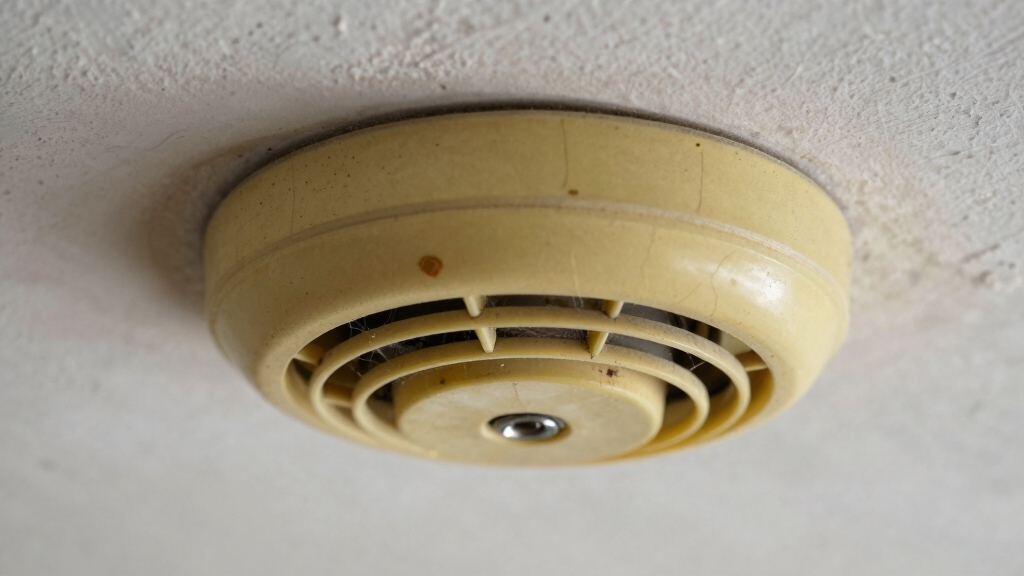
- Design degradation over time means detectors should be replaced every 10 years to maintain safety.
- Regular maintenance, including monthly testing and biannual cleaning, is essential to prevent detector failure.
Why Smoke Detectors Fail: Common Causes Explained
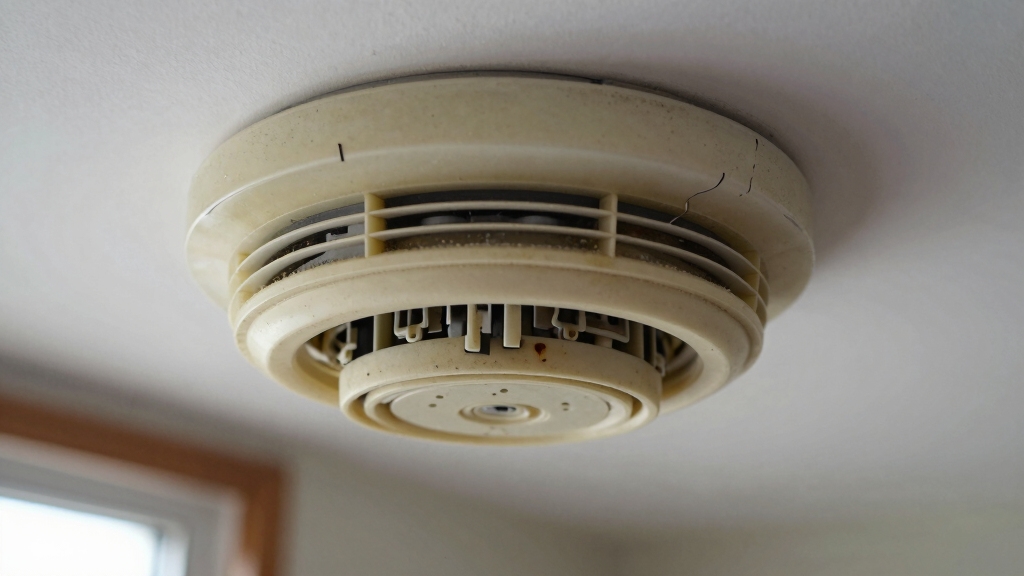
Although smoke detectors are essential for home safety, they often fail due to a range of preventable issues.
Smoke detectors are crucial for safety but frequently fail due to avoidable problems.
You should know that about 25% to 30% of smoke alarms in homes don’t function properly during tests.
Failures often stem from manufacturing defects, improper placement, or environmental factors like dust buildup, which compromises sensor sensitivity.
High ceilings and smoke stratification can delay alarm activation, reducing effectiveness.
Additionally, painting over detectors or difficulty accessing units for maintenance also contributes to malfunction.
While these issues represent roughly 10% to 20% of failures, they markedly impact reliability.
Understanding these technical factors helps you maintain your smoke detector’s performance.
This ensures it operates correctly when you need it most and reduces the risk of undetected fires in your home.
Importantly, most hardwired smoke detectors still require a battery backup to function during power outages and maintain continuous protection.
Why Battery Problems Are the Biggest Smoke Detector Issue?
Frequently, battery problems cause the majority of smoke detector failures, making them the most critical issue to address for reliable fire safety. Missing, dead, or disconnected batteries account for roughly 75% of all smoke alarm malfunctions.
You should regularly check and replace batteries to avoid catastrophic failure during a fire. Nuisance alarms often lead users to remove batteries, further increasing risk.
| Issue | Impact on Smoke Detector |
|---|---|
| Missing Batteries | 50% of non-operational alarms |
| Dead Batteries | 25% of failures |
| Battery Expiration | 57% of battery-related issues |
| User Removal for Silence | Major contributor to failure |
| Battery-Powered vs Wired | 77% vs 92% operation rates |
Prioritize battery maintenance to make certain your smoke detector remains functional and dependable. Using batteries with stable voltage output can significantly reduce the risk of unexpected smoke detector failure.
How Design and Manufacturing Defects Affect Smoke Alarm Safety?
When you rely on a smoke alarm, you expect it to alert you promptly in an emergency.
A smoke alarm should always alert you quickly when danger arises.
However, design and manufacturing defects can undermine that trust.
Defective components, poor circuitry, or flawed sensor calibration may cause alarms to fail or trigger late, putting you at risk.
Both ionization and photoelectric detectors remain vulnerable to these issues, which manufacturers must address rigorously.
Such defects contribute to roughly 10% of smoke alarm failures, emphasizing the critical need for quality control during production.
If you use a faulty smoke detector, it mightn’t detect smoke accurately or sound the alarm when needed.
Manufacturers bear liability for malfunctions, making it essential for you to choose certified, tested alarms.
Promptly replace any suspect units to guarantee your safety.
Regular maintenance, including monthly testing, is also vital to ensure reliable operation and prevent false alarms.
How Environmental and User Habits Impact Smoke Detector Performance?
Defects in smoke alarm design and manufacturing can compromise safety, but external factors and user behaviors also play significant roles in detector performance.
Environmental conditions like dust accumulation inside detection chambers impair sensor sensitivity, causing false alarms or failure to activate. High ceilings and smoke stratification can prevent smoke from reaching the detector promptly, delaying alerts.
Painting over alarms or placing them in inaccessible locations further reduces effectiveness. User habits contribute critically; frequent nuisance alarms, often triggered by cooking, lead many to disable or remove batteries, undermining protection.
Despite available silence buttons, many users remove batteries entirely, causing substantial failure rates. Recognizing how environment and behavior impact smoke detector function helps you understand why alarms may fail even when devices are technically sound.
Following maintenance and replacement guidelines is essential to ensure detectors remain reliable and effective over time.
How to Maintain Your Smoke Detector for Reliable Protection?
Although smoke detectors are designed to provide reliable early warnings, maintaining their functionality requires consistent attention to proper care and routine checks.
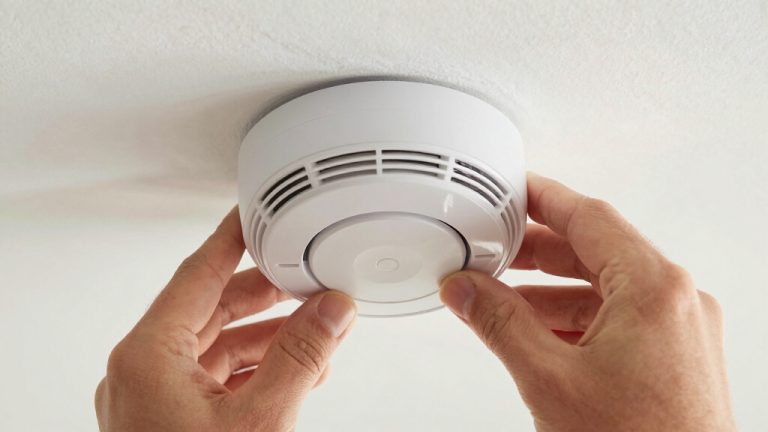
You must test alarms monthly, replace batteries annually, and clean detectors to prevent dust buildup that impairs sensitivity. Avoid painting over devices or installing them near vents, which can affect operation.
Replace units older than ten years to mitigate design degradation.
Nearly 70% of false fire alarm alerts are caused by low batteries or dust buildup, so addressing these issues promptly is essential.
| Maintenance Task | Recommended Frequency |
|---|---|
| Test alarm sound | Monthly |
| Replace batteries | Annually |
| Clean detector | Every 6 months |
| Replace unit | Every 10 years |
Following these steps guarantees your smoke detector remains dependable. This reduces failure risk caused by user neglect and environmental factors.
Frequently Asked Questions
How Often Should Smoke Detectors Be Replaced Entirely?
You should replace smoke detectors every 10 years to guarantee reliable operation. Over time, sensors degrade, and manufacturing defects or environmental factors can impair performance.
Regularly test alarms monthly and replace batteries yearly or as needed. If your detector frequently malfunctions or triggers nuisance alarms, consider replacing it sooner.
Staying proactive with maintenance and timely replacement greatly reduces the risk of failure during a fire emergency.
Are There Different Smoke Detectors for Various Types of Fires?
Imagine catching a smoldering fire’s faint smoke versus the sudden blaze of flames. Yes, you’ll find different smoke detectors designed for various fires.
Ionization detectors react quickly to flaming fires with small particles, while photoelectric detectors sense smoldering fires with larger smoke particles.
You can also get dual-sensor alarms combining both technologies. Choosing the right type improves your home’s safety by detecting specific fire types more reliably.
Can Smoke Detectors Detect Carbon Monoxide?
Smoke detectors can’t detect carbon monoxide (CO) because they’re designed to sense smoke particles, not gas.
You’ll need a dedicated carbon monoxide detector or a combined smoke and CO alarm to monitor CO levels effectively.
Relying solely on smoke detectors leaves you vulnerable to CO poisoning, which is odorless and colorless.
Make sure you install and maintain the right devices to protect yourself from both fire and carbon monoxide hazards.
What Are the Legal Requirements for Smoke Detector Installation?
You’re legally required to install smoke detectors in specific locations, like every bedroom, outside sleeping areas, and on each floor, including basements.
Building codes mandate interconnected alarms for enhanced safety. You must conduct regular inspections and maintenance to guarantee functionality.
Landlords and building owners must comply, as failing to install or maintain alarms can result in legal consequences.
Staying current with local codes is essential, as requirements may vary by jurisdiction.
How Do Interconnected Smoke Alarms Improve Home Safety?
Think of interconnected smoke alarms as a safety net that instantly spreads warning signals across your entire home.
When one detects smoke, they all sound off, giving you vital extra seconds to escape.
This system reduces the risk of unnoticed fires, especially during sleep or in larger homes.
By ensuring rapid, synchronized alerts, interconnected alarms greatly enhance your safety.
They make your home a reliable sanctuary against fire hazards.
Stay Alert: Keep Your Smoke Detector Ready When It Matters Most
You can’t afford to let your smoke detector become a silent sentinel, failing when you need it most. Battery issues, manufacturing defects, and environmental factors all chip away at its reliability.
By understanding these risks and maintaining your device regularly, you make certain it stays sharp and ready. Remember, a well-kept smoke detector is your first line of defense.
Don’t let it go bad on you when safety is on the line.