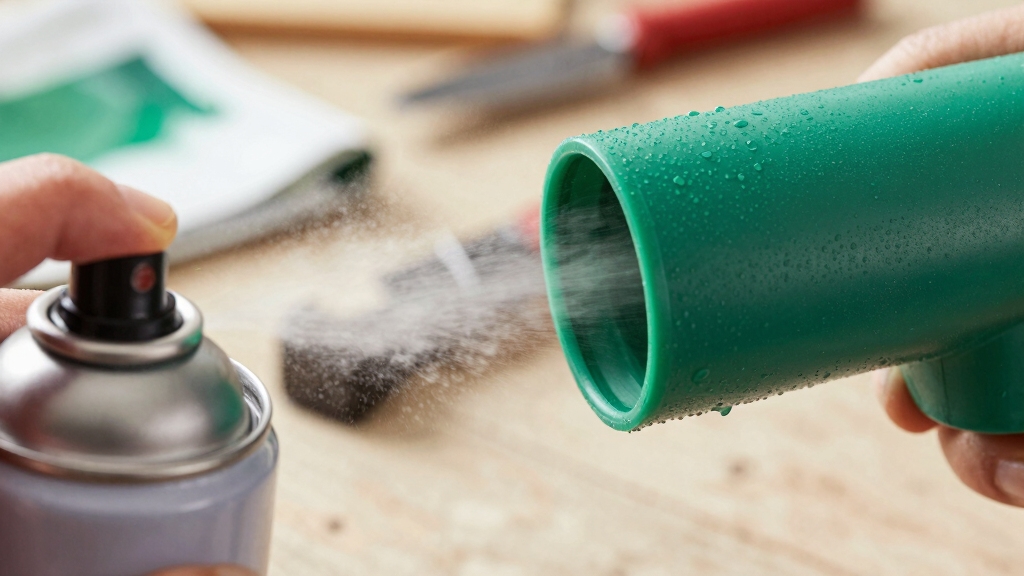

You can paint PVC pipe with spray paint if you prepare the surface properly by sanding with fine-grit sandpaper and cleaning it with acetone to remove dust and wax.
Use a plastic-bonding spray paint like Krylon Fusion or Rust-Oleum Specialty for durable adhesion. Apply thin, even coats with adequate drying time between layers.
Proper ventilation and protective gear are essential for safety. Understanding these steps guarantees a long-lasting finish and better results for your project.
Key Takeaways
- PVC pipe must be sanded with 180–220 grit sandpaper and cleaned with acetone for optimal spray paint adhesion.
- Use plastic-rated spray paints like Krylon Fusion or Rust-Oleum Specialty Paint designed specifically for PVC surfaces.
- Applying an adhesion promoter or plastic-compatible primer enhances paint bonding and prevents peeling on PVC pipe.
- Spray thin, even coats with 20–30 minutes drying time between layers, and allow 24–48 hours for full curing.
- Wear protective gear and work in well-ventilated areas to ensure safety while spray painting PVC pipe.
Preparing PVC Pipe for Painting
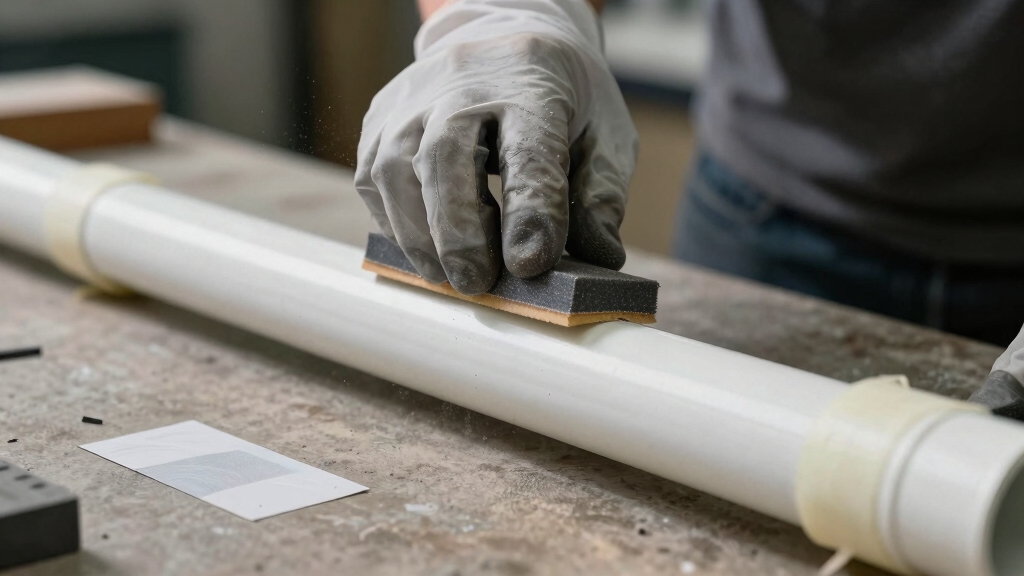
Before you start painting PVC pipe, you need to prepare its surface properly to guarantee lasting adhesion.
Begin by sanding the pipe with 180-220 grit sandpaper to mechanically dull the glossy finish. This creates a mildly scratched surface that helps paint grip.
Start by sanding with 180-220 grit sandpaper to dull the gloss and improve paint adhesion.
Alternatively, use 240 grit for a finer abrasion or 120 grit for lighter sanding. Multiple passes secure a uniform dullness.
Using gentle cleaning techniques similar to those recommended for routine care ensures no damage to the surface while maintaining cleanliness.
You can also apply acetone or lacquer thinner, which swells the PVC surface and removes waxy residues. This provides a porous texture for better paint adhesion.
It is important to work in sections when using acetone since it evaporates quickly, ensuring effective cleaning of the pipe’s surface chemical cleaning. Make the pipe completely clean and dry before moving to priming or painting.
Choosing the Right Spray Paint for PVC
When you’re picking out spray paint for PVC, it’s a good idea to go for plastic-rated options. Brands like Krylon Fusion or Rust-Oleum are great choices because they really bond to the surface, which makes them more durable.
Plus, if you can find paint-and-primer combos, that’ll make your life easier by simplifying the application process and boosting adhesion.
Oh, and before you start painting, it’s helpful to prep the pipe a bit. A light sanding followed by a quick wipe with acetone can really increase the surface porosity, which maximizes that bonding. It’s a small step that can make a big difference in the final result!
Proper surface preparation is essential because PVC is a plastic that does not absorb paint easily, so creating a rough texture helps the paint stick better to the pipe’s surface surface preparation.
Using the right tools and techniques ensures a durable finish similar to how specialized drill bits improve installation quality in other materials.
Plastic-Rated Paint Types
Selecting the right spray paint for PVC requires choosing formulations specifically rated for plastics to guarantee strong adhesion and durability.
You’ll want paints like Rust-Oleum Specialty Paint for Plastic or Krylon Fusion All-In-One, both designed for PVC without needing a separate primer.
These use modified alkyd or acrylic resins and solvents like acetone, assuring flexible, crack-resistant coatings.
Paints with built-in primers, such as Krylon ColorMax Plus Primer or Rust-Oleum Universal All Surface, enhance adhesion and offer UV and water resistance.
For ideal results, adhesion promoters or primers tailored for plastics prevent cracking caused by PVC’s expansion. Proper surface preparation is crucial, similar to how replacement readiness is essential before installing new components like door peepholes.
Certain top-performing spray paints, like Krylon K04293777, are noted for their ultra-flat matte finish and excellent adhesion to flexible plastics, making them a reliable choice for PVC projects.
Always test on a small hidden area first.
Choosing plastic-rated paints guarantees a durable, vibrant finish suitable for both indoor and outdoor PVC applications.
Brand Recommendations
Explore top spray paint brands engineered specifically for PVC to guarantee peak adhesion, durability, and finish quality.
Krylon Fusion stands out, bonding directly to PVC without primer, offering 8-12 sq ft coverage and drying in one hour to a durable, chip-resistant finish. Its finish looks and feels like a durable plastic coating, which resists peeling/chipping.
Rust-Oleum Painter’s Touch 2X features ultra-cover technology, excellent adhesion, and multiple finish options, making it versatile for PVC projects.
Rust-Oleum Universal All Surface is another reliable choice, designed for plastics without special preparation and available in varied colors.
For plastic-specific needs, Rust-Oleum Paint for Plastic (Model 211360) provides targeted adhesion for PVC parts.
Finally, Krylon COLORmaxx complements Fusion with high-performance coverage and color variety.
Choosing any of these guarantees a professional, long-lasting finish on PVC surfaces.
Adhesion Enhancers
Beyond choosing a high-quality spray paint brand tailored for PVC, you’ll want to enhance adhesion to guarantee a durable finish. Adhesion enhancers chemically modify the PVC surface, improving paint bonding and environmental resistance.
These primers work on various plastics, including PVC, ABS, and flexible polymers. When selecting and applying adhesion enhancers, consider these key factors:
- Application method: Use aerosol spray for bare plastic or solvent-based primers with wipes or brushes. Allow recommended dry times (typically 1 hour minimum). The Spray Paint, Adhesion Promoter / Flexible Primer from Firebird Central is an example of an aerosol spray that offers quick drying and easy application for plastics.
- Compatibility: Assure the enhancer suits PVC and related thermoplastics to optimize surface wetting and grip. Understanding the material compatibility of adhesion enhancers helps prevent peeling and ensures long-term durability.
- Drying time: Choose fast-drying formulas that flash off within five minutes or flexible primers drying to handle in 1 hour for efficient workflow.
Proper use of adhesion enhancers assures your spray paint adheres firmly and lasts.
Step-by-Step Application Process
Before you start painting, make sure the PVC pipe surface is properly prepared by sanding with fine-grit sandpaper and cleaning with acetone to remove dust and waxes that hinder paint adhesion.
This preparation is crucial because sanding creates a roughened surface that helps the paint stick better.
Shake the plastic-rated spray paint can thoroughly for consistent paint flow. Position the pipe against a cardboard backdrop to rotate it smoothly.
Apply the first coat with slow, steady, side-to-side or up-and-down spray passes, using a light touch to prevent drips. Allow approximately five minutes for this base layer to cure.
Repeat with at least one more thin coat, ensuring even coverage and uniform color buildup. Always wait for each layer to dry before applying the next.
Use protective gear and ventilate the area properly to maintain safety and paint quality throughout the process.
Drying and Curing Times for Best Results
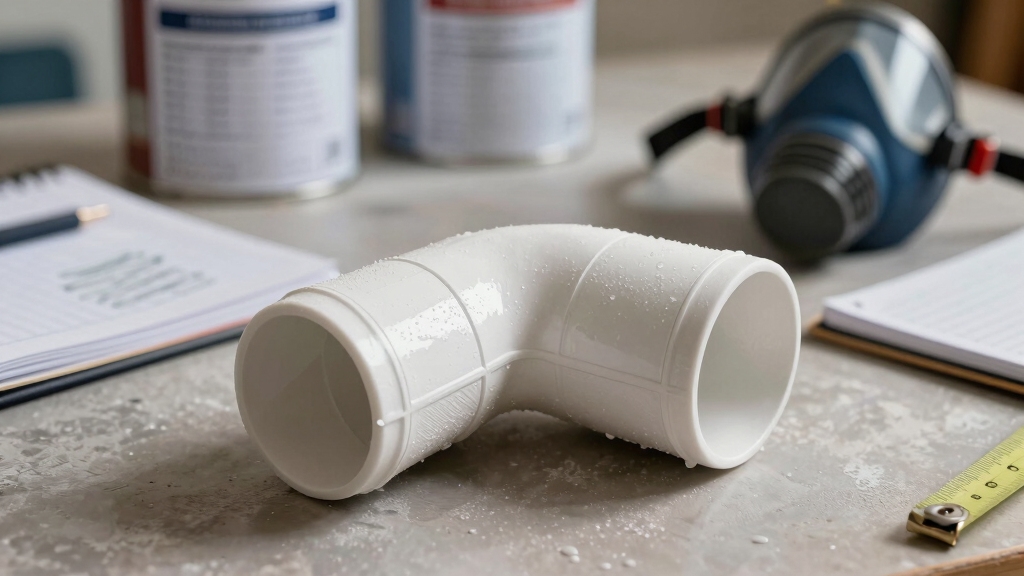
Once you’ve applied each coat carefully and allowed the recommended drying time between layers, understanding the drying and curing periods becomes key to achieving durable, well-adhered paint on PVC pipe.
Typically, you should wait 20-30 minutes between coats to guarantee proper adhesion and avoid drips. Spray paint delivers a fine mist that ensures even coverage across the smooth surface of PVC.
Proper curing time is essential to maximize durability and adhesion, especially in varying humidity conditions.
After the final coat, allow a minimum of 24 hours to dry fully, with 24-48 hours preferred for peak curing.
For applications prone to scratches, extend curing up to one week.
- Light, thin coats dry faster and bond better to PVC’s smooth surface.
- Use plastic-rated spray paint to enhance adhesion and drying efficiency.
- Guarantee environmental factors like temperature and humidity are controlled to prevent extended drying times.
Safety and Code Compliance Considerations
Although painting PVC pipe with spray paint may seem straightforward, you must prioritize safety precautions and adhere to relevant codes to prevent health hazards, fire risks, and compliance issues.
Using spray paint near flammable liquids requires careful handling to avoid accidental ignition.
Always wear gloves, eye protection, and a respirator. Work in a well-ventilated area.
Limit flammable liquids onsite and guarantee all electrical equipment near spray areas is explosion-proof.
Proper ventilation and airflow systems must meet air quality standards to reduce exposure risks in spray areas OSHA requirements.
Follow NEC marking rules to keep manufacturer labels visible. Remove debris promptly to comply with regulations.
| Safety Aspect | Requirement | Purpose |
|---|---|---|
| Personal Protective Equipment | Gloves, goggles, respirator | Prevent chemical exposure |
| Flammable Materials | Limit quantity, use safety cans | Reduce fire risk |
| Code Compliance | Maintain visible markings, remove debris | Ensure legal and safe use |
Limitations and Compatibility of Painted PVC
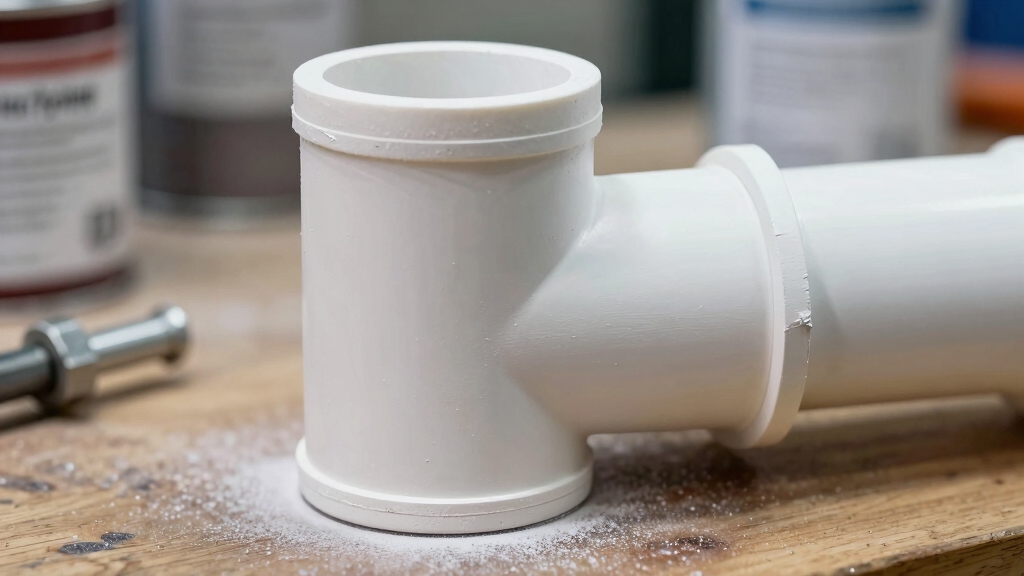
Making sure safety and compliance is only part of working with painted PVC pipe; understanding the material’s limitations and compatibility with various paints is equally important.
PVC’s smooth, non-porous surface demands thorough sanding and solvent cleaning to make certain paint adhesion. Without proper preparation, paint may peel or flake. It is also helpful to mask areas near fittings with tape to avoid paint on cup ends for future fittings.
Additionally, knowing how light interacts with surfaces can help anticipate how paint will look on PVC’s texture and gloss.
Key considerations include:
- Use primers like Kilz or specialty paints such as Krylon Fusion or Rustoleum plastic-bonding formulas for durable bonding.
- Avoid heavy paint applications to prevent runs and uneven coverage on PVC’s slick surface.
- Environmental factors like UV exposure and moisture impact paint longevity; selecting appropriate formulations is critical to maintaining long-term durability.
Frequently Asked Questions
Can Painted PVC Pipe Be Used for Drinking Water Applications?
You shouldn’t use painted PVC pipe for drinking water applications.
Applying spray paint introduces untested chemicals that can leach harmful contaminants into the water. This compromises the pipe’s NSF certification, which guarantees safety and regulatory compliance.
Only NSF-certified, uncoated PVC pipes maintain the necessary health standards. So, to protect water quality and meet legal requirements, avoid painting PVC pipes intended for potable water systems.
How Does Humidity Affect Drying Times of Spray Paint on PVC?
Humidity directly slows spray paint drying on PVC by reducing solvent evaporation rates.
When humidity exceeds 70%, drying extends from hours to days, increasing tackiness and risking condensation, which causes paint lifting or peeling.
You’ll want to paint in low humidity, around 50% or less, to achieve touch-dry in 30 to 60 minutes and full cure within 24 to 48 hours.
Using fans or dehumidifiers can help accelerate drying in humid conditions.
Is It Safe to Paint PVC Pipe Used in Aquariums?
You can safely paint PVC pipe used in aquariums, but only with fully cured, aquarium-safe paints like Krylon Fusion.
These paints bond well and are non-toxic after curing.
Studies show curing times can reduce solvent toxicity by over 95%.
Make sure you apply thin layers in a ventilated area and allow complete drying, typically several days, to evaporate solvents fully.
Avoid mold-resistant or toxic paints.
Never use painted pipes in tanks with scraping fish to prevent paint ingestion.
Can You Paint PVC Pipe That Has Already Been Installed?
Yes, you can paint PVC pipe that’s already installed.
Start by lightly sanding the surface to dull it, then clean off dust and grease thoroughly.
Mask surrounding areas to protect from overspray.
Use plastic-specific spray paint, applying thin, even coats from 10-12 inches away.
Allow each coat to dry before reapplying.
Painting installed pipes improves aesthetics and provides durable coverage.
Make certain good ventilation and avoid heavy coats to prevent runs and peeling.
Does Painting PVC Pipe Affect Its Flexibility or Strength?
Painting PVC pipe doesn’t weaken its flexibility, but improper preparation can cause surface issues.
You’ll maintain pipe strength if you prep properly: sand lightly, clean thoroughly, and apply plastic-compatible paint in thin layers.
Skipping these steps risks peeling and flaking, which can expose PVC to UV damage, eventually making it brittle.
Get Professional Results When You Paint PVC Pipe With Spray Paint
You can paint PVC pipe with spray paint if you prepare the surface properly, choose the right paint, and apply it carefully. You’ll achieve better adhesion by cleaning, sanding, and priming the pipe.
You’ll guarantee durability by allowing adequate drying and curing times. You’ll maintain safety by following guidelines and code requirements.
Remember, painting enhances appearance but doesn’t alter PVC’s chemical compatibility or structural integrity. So paint smart, paint precise, and paint informed.