
You can recycle some parts of air filters, like metal grilles and cardboard frames, but most filter media, such as fiberglass or activated charcoal, aren’t recyclable and must be disposed of carefully.
To recycle, seal used filters in a plastic bag to contain dust and separate recyclable components before handing them off. Checking with local recycling centers or HVAC suppliers will help you find the right program.
Exploring washable and reusable filters can further cut waste and costs while maintaining efficiency.
Key Takeaways
- Fiberglass and synthetic air filters are generally non-recyclable due to mixed media contamination.
- HEPA filters and metal grilles can be recycled after separating recyclable parts like cardboard frames.
- Used filters should be bagged and sealed carefully to contain dust before disposal or recycling.
- Local recycling centers and HVAC suppliers may offer specific take-back or mail-in recycling programs.
- Washable and reusable filters reduce waste and offer an eco-friendly alternative to single-use filters.
Which Air Filters Can Be Recycled?
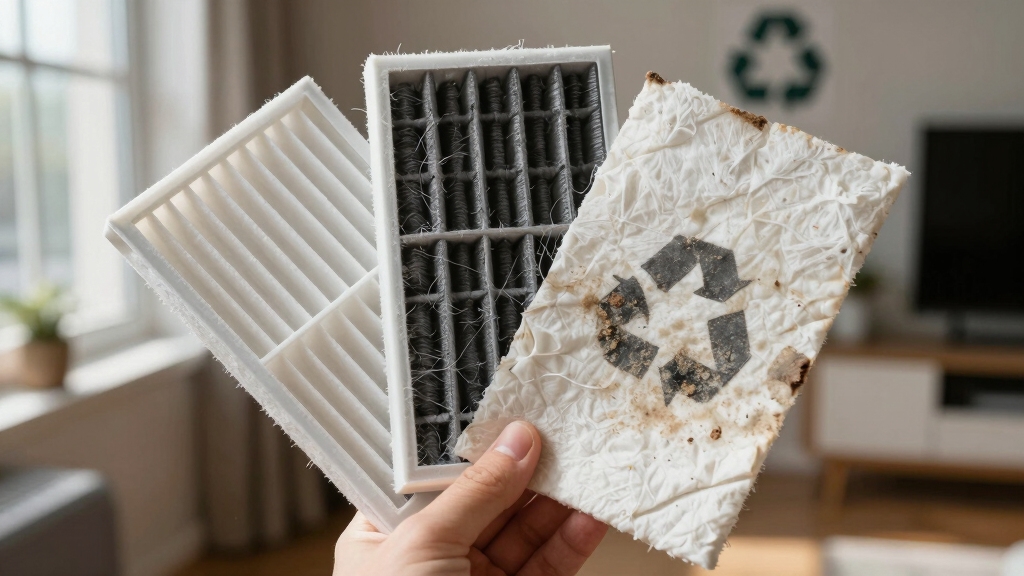
Which air filters can you actually recycle depends largely on their materials and construction.
Fiberglass and synthetic filters are generally non-recyclable due to their composite media, so you’ll need to dispose of those as waste.
HEPA filters offer better recycling potential once you remove metal grilles and cardboard frames, which you can often recycle separately.
Carbon filters also qualify after you extract plastic and metal components; however, the activated charcoal media must go to trash.
Aluminum filters, commonly found in A/C or humidifiers, aren’t recyclable in standard programs. Pleated cotton or fabric filters often qualify as reusable rather than recyclable.
To maximize recycling chances, focus on filters with separable, recyclable frames and avoid mixed-media filters that contaminate batches and complicate processing.
Proper maintenance and regular inspection can improve air filter longevity and efficiency, similar to how routine cleaning reduces risks in appliances like electric dryers with proper venting and airflow.
How to Prepare Used Air Filters for Recycling or Disposal?
Before you recycle or dispose of used air filters, handle them carefully to prevent dust release and contamination.
First, place the filter into a plastic bag without shaking it. Seal the bag tightly with tape to trap dust and debris.
Next, separate recyclable parts like cardboard frames if possible. Avoid mixing filter media with recyclables since synthetic fibers and fiberglass contaminate batches.
Finally, follow your local disposal regulations strictly. Proper handling of components containing sealed lithium batteries is essential if your air filter device integrates smart sensor technology.
| Step | Action | Reason |
|---|---|---|
| 1 | Place filter in plastic bag | Contain dust and debris |
| 2 | Seal bag securely with tape | Prevent contamination |
| 3 | Separate cardboard frame | Facilitate frame recycling |
| 4 | Avoid shaking filter | Reduce airborne dust release |
| 5 | Follow local disposal rules | Assure proper handling |
Where to Recycle Air Filters Locally and Online?
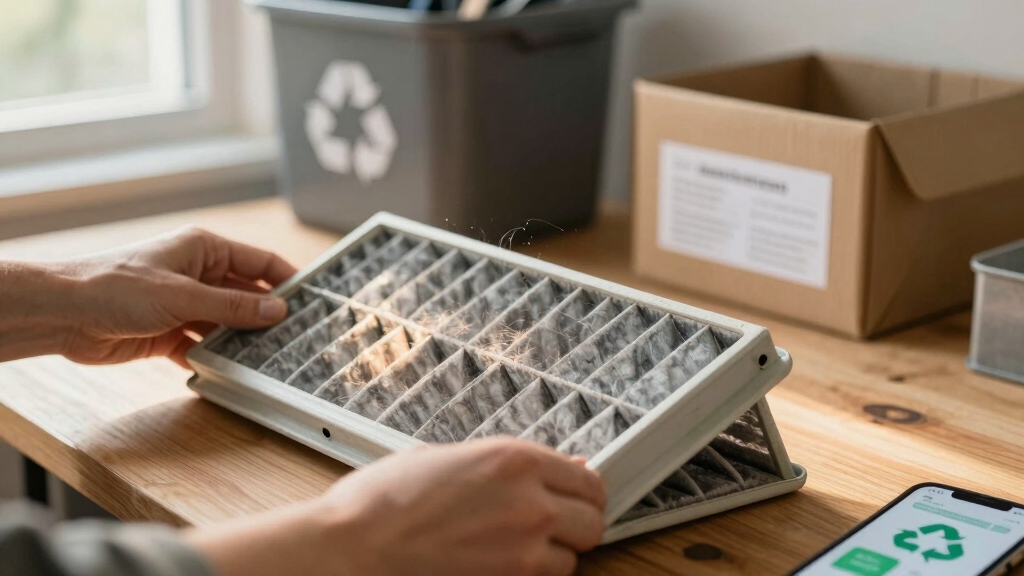
When looking to recycle air filters locally or online, you’ll need to identify facilities or programs equipped to handle their mixed materials safely.
Start by contacting your local recycling center to confirm if they accept specific filter types or frames, especially those made of cardboard or plastic. HVAC suppliers often offer take-back programs or can direct you to specialized industrial recyclers who clean and process filters at reduced costs.
For online options, consider mail-in services that provide prepaid shipping for used filters; some even return refurbished units. Always separate recyclable components, like metal grilles or cardboard frames, before sending.
Due to the presence of various metals and materials, understanding the metal composition of air filters can help determine the best recycling method.
Washable and Reusable Air Filters to Reduce Waste
Exploring local and online recycling options for air filters highlights the ongoing challenge of managing mixed materials and contamination.
To effectively reduce waste, you can choose washable and reusable air filters that simplify maintenance and minimize disposal frequency.
Consider these points:
- Washable filters, often made of pleated cotton or fabric, can be cleaned according to manufacturer instructions and reused multiple times.
- Wire mesh filters allow easy cleaning with water and mild detergent, maintaining filtration efficiency.
- Reusable filters reduce dependency on single-use products, cutting down landfill contributions.
- Industrial-grade reusable filters employ wet or dry cleaning to restore up to 98% efficiency, demonstrating scalability.
- Proper measurement and maintenance of air filter dimensions can enhance their performance and lifespan.
Environmental and Cost Benefits of Recycling Air Filters
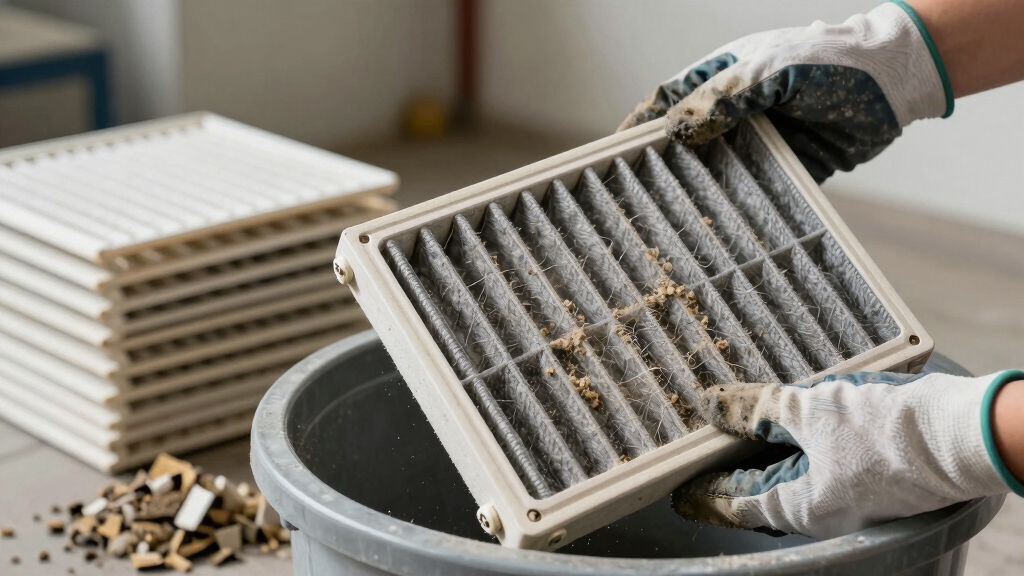
Although air filters may seem like minor components, recycling them offers significant environmental and economic advantages by reducing landfill waste and promoting resource sustainability.
By diverting used filters from landfills, you minimize environmental litter and reduce the demand for virgin materials.
Specialized industrial recycling programs clean and refurbish filters, cutting replacement costs by up to 40%, which benefits your budget over time.
Choosing reusable or washable filters further enhances savings and lowers waste generation.
To maximize these benefits, you should separate recyclable parts such as cardboard frames and metal grilles before recycling.
Also, consult local facilities or suppliers for appropriate disposal methods to guarantee compliance and efficiency.
Implementing these strategies improves your HVAC system’s sustainability while controlling operational expenses.
Additionally, maintaining your HVAC system properly reduces risks associated with faulty components and ensures safer indoor air quality.
Frequently Asked Questions
How Often Should Air Filters Be Replaced for Optimal Efficiency?
You should replace your air filters every 1 to 3 months for peak efficiency, depending on factors like filter type, usage, and air quality.
High-efficiency or pleated filters may last longer, while fiberglass filters require more frequent changes. If you have pets or allergies, changing monthly helps maintain airflow and indoor air quality.
Regular replacement prevents system strain, reduces energy costs, and extends HVAC lifespan. Always follow manufacturer guidelines for best results.
What Health Risks Come From Handling Dirty Air Filters Improperly?
Handling dirty air filters carelessly is like opening Pandora’s box.
You risk inhaling dust, mold spores, and allergens trapped inside.
These contaminants can trigger respiratory issues, allergic reactions, or worsen asthma.
To protect yourself, always seal used filters in plastic bags without shaking them.
Wear gloves and a mask, and dispose of them promptly outdoors.
Following these steps minimizes exposure and safeguards your health from harmful airborne particles.
Can Air Filters Be Composted or Used in Gardening?
You shouldn’t compost or use standard air filters in gardening because they contain synthetic fibers, fiberglass, and contaminants harmful to soil health.
Dirty filters trap dust, allergens, and pollutants, which can degrade compost quality. Instead, opt for reusable, natural-fiber filters if you want gardening compatibility.
Always check manufacturer guidelines before repurposing filter materials. Avoid introducing synthetic components that disrupt microbial activity and plant growth in your compost or garden soil.
Do Air Filter Materials Affect Indoor Air Quality Differently?
Think of your indoor air like a delicate ecosystem. Filter materials directly influence its balance.
Fiberglass or synthetic fibers may release particles, worsening air quality, while HEPA filters trap microscopic contaminants effectively.
Activated carbon filters absorb odors and gases, improving comfort. Choosing the right filter material guarantees you control allergens and pollutants, optimizing your environment.
Regular replacement and proper maintenance keep your air clean, safeguarding health and enhancing HVAC efficiency.
How Do Industrial Air Filter Recycling Processes Work?
Industrial air filter recycling uses cleaning methods to restore filter media efficiency up to 98%.
You’ll see wet or dry cleaning processes that remove dust and debris without damaging fibers.
After removing metal or plastic components, filters undergo controlled cleaning cycles.
This reduces waste and extends filter lifespan, cutting costs by 30-40% compared to new units.
You can often access these services via specialized programs or mail-in options through suppliers.
Turning Everyday Maintenance Into Eco Action
You might think recycling air filters is as outdated as a rotary phone, but it’s actually a smart, modern solution to reduce waste and save money. By knowing which filters qualify, properly prepping them, and finding local or online recycling options, you can cut environmental impact substantially.
Opting for washable filters further enhances sustainability. Taking these steps guarantees you’re not only maintaining air quality but also contributing to a more efficient, eco-friendly future.