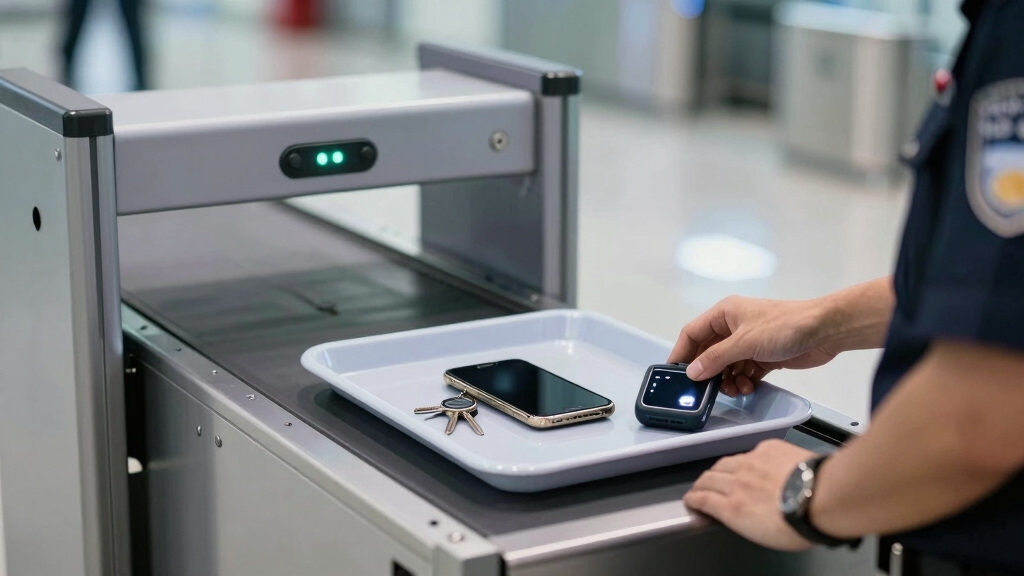

You can’t rely on basic metal detectors to consistently detect phones because modern devices use mainly non-ferrous materials like aluminum and copper. These materials produce weak electromagnetic signatures.
Advanced detectors improve detection by operating on multiple frequencies and using multi-zone sensors to pinpoint phones, even when powered off.
Specialized ferromagnetic and RF-based systems further enhance accuracy but face limitations due to shielding and power state. Understanding these technical nuances will clarify the conditions and technologies that affect phone detectability.
Key Takeaways
- Basic metal detectors often miss modern phones due to low ferromagnetic content and non-metallic materials used in phone construction.
- Advanced multi-frequency detectors can identify phones by detecting aluminum, copper, and internal ferromagnetic components even when powered off.
- Specialized ferromagnetic and RF-based detectors detect phones regardless of power state but RF methods fail if phones are off or in airplane mode.
- Phone detectability depends on metal composition, casing material, and shielding, which can reduce or block electromagnetic signal detection.
- Environmental interference and active phone signals cause false alarms and erratic responses, complicating accurate metal detector phone screening.
How Basic Metal Detectors Interact With Cell Phones?
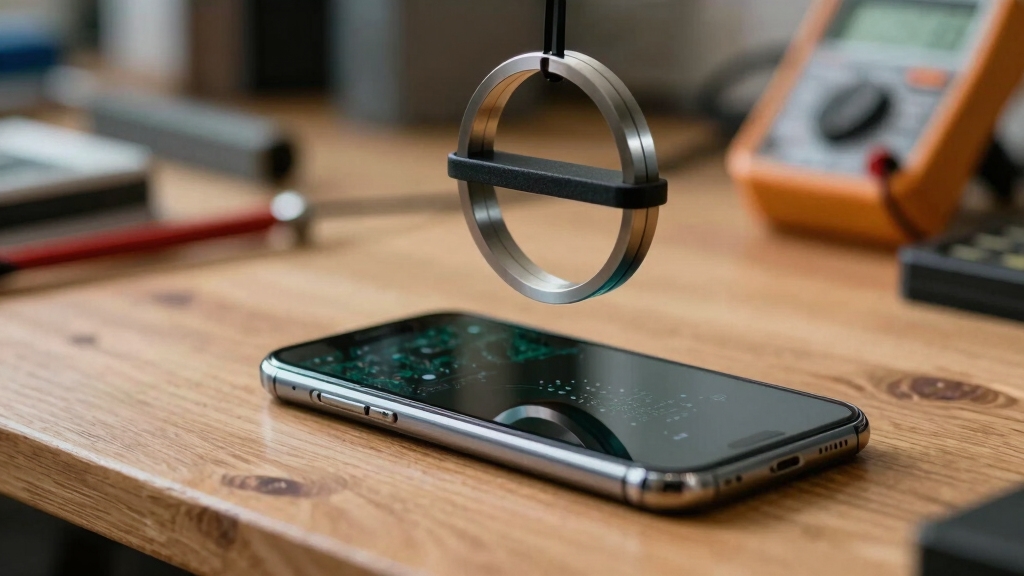
When you pass through a basic metal detector, it generates a magnetic field using electric current in wire coils to detect ferromagnetic materials like iron and nickel. The detector senses disturbances caused by metallic objects entering this field, inducing secondary magnetic fields that trigger alarms. These devices primarily target ferrous metals, limiting their sensitivity to components rich in iron, nickel, or cobalt. However, the design focus of these detectors means they are optimized for certain metal shapes and sizes, affecting detection consistency.
Modern cell phones, however, contain chiefly non-ferromagnetic materials such as aluminum, copper, and lithium, which produce weaker electromagnetic responses. Consequently, the detector’s sensors often receive signals below the threshold needed to indicate presence.
Basic detectors can’t distinguish phones from other metallic items due to limited sensor technology and programming. Their design focuses on ferrous threats, resulting in inconsistent detection of contemporary mobile phones.
Traditional walkthrough detectors are not specifically designed to detect electronic devices like cell phones, as they rely mainly on the presence of metal rather than device functionality or power state metal detection limitation.
Capabilities of Advanced Metal Detectors for Phone Detection
Basic metal detectors often struggle to reliably identify modern smartphones due to their limited sensitivity and focus on ferrous metals. Their detection capability can be enhanced when combined with multi-point locking systems that secure entry points against unauthorized device introduction.
Advanced metal detectors overcome these limitations by operating simultaneously across multiple frequencies.
Operating across multiple frequencies, advanced metal detectors achieve superior detection capabilities beyond basic models.
They generate uniform magnetic fields that eliminate blind spots. They detect minimal metal masses, including aluminum and copper components inside phones, regardless of power state or disassembly. Specialized models target specific items like cell phones, enhancing detection capabilities in high-security scenarios.
Multi-zone detection, ranging from 33 to 66 zones, enables precise localization of concealed devices. This accelerates inspections and maintains throughput over 60 individuals per minute.
You can adjust sensitivity levels and independently calibrate zones to optimize detection while minimizing false alarms.
Integration features like WiFi monitoring, relay controls, and rechargeable power support flexible deployment.
These capabilities collectively enable you to detect concealed phones with high accuracy, even when they’re hidden internally or powered down.
Specialized Technology Designed for Detecting Mobile Devices
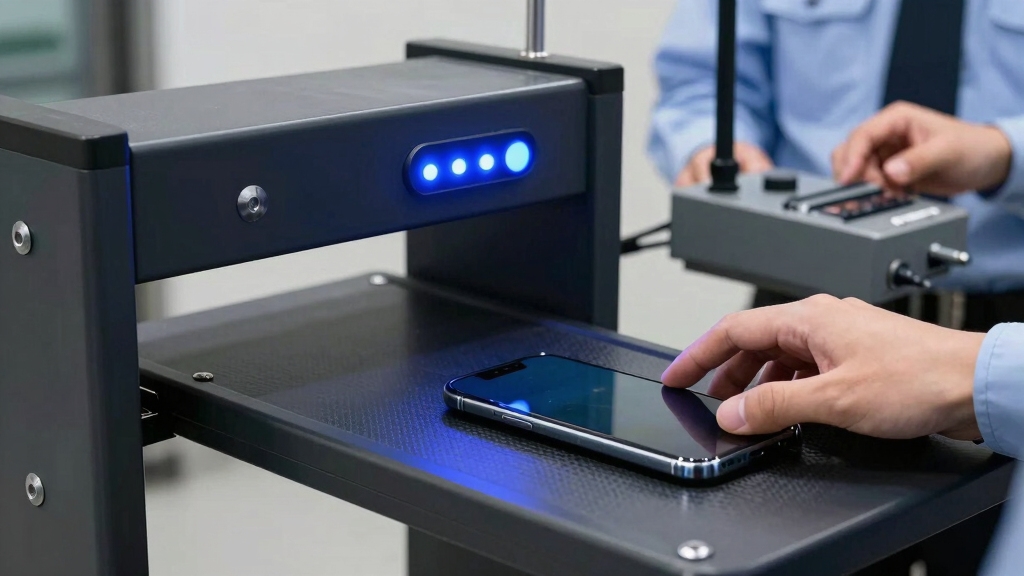
Although detecting concealed mobile devices poses challenges, specialized technologies have been engineered to address these with high accuracy and efficiency. You can rely on these systems to pinpoint phones regardless of power state or concealment method.
- Ferromagnetic Detection targets magnetized ferrous components, enabling passive, omnidirectional scanning without radiation emission. This ensures safety and minimal false alarms. The MSD Cell Phone Detector, specifically designed for use in prisons, leverages this technology to provide rapid and easy detection of contraband devices.
- RF Signal-Based Detectors, like the Hunter, scan from 400 MHz to 6 GHz. They capture cellular, Wi-Fi, and Bluetooth bursts with adjustable antennas and interference filters for precise signal identification.
- Multi-Sensor Arrays, such as the SentryHound-Pro, deploy multiple sensors across head-to-feet zones. They detect a broad range of devices, including phones, tablets, and smartwatches, with configurable settings and extensive coverage.
These specialized technologies provide robust, adaptive detection capabilities tailored to modern security needs.
Factors Affecting the Detectability of Modern Phones
Understanding the detectability of modern phones requires examining multiple influencing factors that impact metal detector performance.
The metal composition, primarily aluminum with about 3% iron in casings, batteries, and accessories, directly affects detection sensitivity. Phones also contain small amounts of gold and copper, which contribute to their electromagnetic signatures. Additionally, reverse parallax effects in how metal detectors interpret signals can influence detection accuracy.
Detector operating frequency plays a critical role; security-grade units tuned broadly can detect aluminum and copper, while hobbyist devices optimized for ferrous metals may miss non-ferromagnetic phone components.
Physical design also matters. Smaller phones or those with plastic or silicone cases reduce metal signatures, complicating detection.
Environmental factors like multiple metallic items generate signal clutter, hindering phone isolation.
Finally, shielding via non-metallic containers or ferrite materials can absorb or deflect electromagnetic fields, further reducing detectability.
Understanding these variables helps you anticipate detection challenges with modern mobile devices.
Common Challenges in Phone Detection With Metal Detectors
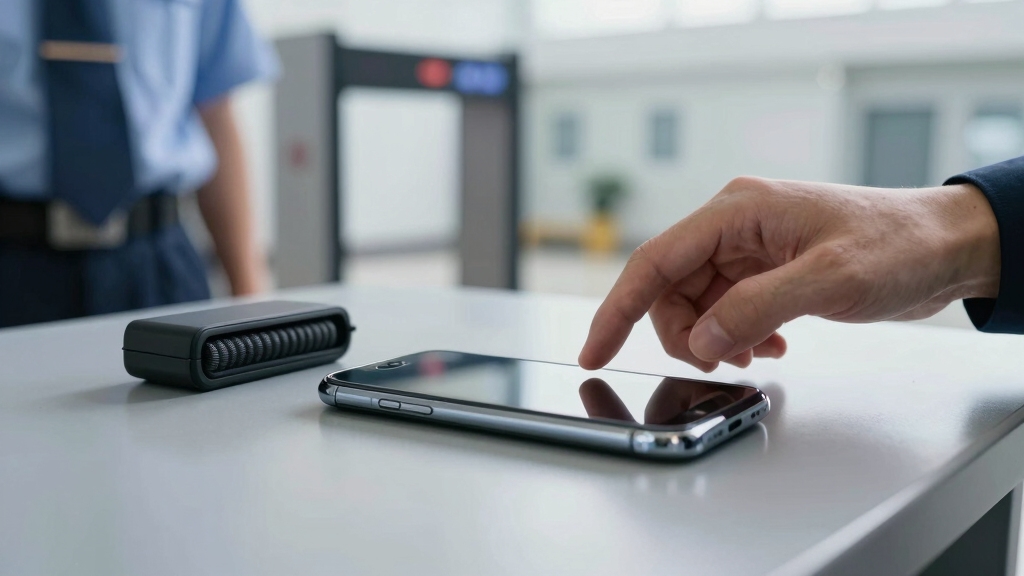
Because cell phones emit electromagnetic signals and contain varying metal components, detecting them with metal detectors presents several technical challenges.
You’ll face issues such as electromagnetic interference, limited detection ranges, and false positives, complicating phone identification.
Specifically:
- Electromagnetic Interference (EMI): Phones actively emitting signals cause erratic detector responses. This reduces accuracy and generates false alarms. For example, Bluetooth devices used for hands-free calls can create additional interference affecting detector depth and clarity.
- Detection Range Constraints: Metal detectors require close proximity, often just a few inches, to identify phones. This makes thorough screening labor-intensive. Moreover, the sensitivity limitations of detectors to certain metal sizes further complicate effective detection.
- False Positive Rates: Metal detectors can’t distinguish phones from other metal objects. This triggers frequent false alerts that slow down security processes.
These challenges highlight the limitations of current detection technologies.
They require manual verification and specialized tuning to enhance performance while maintaining operational efficiency.
Practical Uses of Metal Detectors for Locating Phones
Metal detectors have stepped up to effectively locate phones across various settings by leveraging advanced sensor technologies and tailored detection protocols. Installing such detection systems can be considered an effective security upgrade in many facilities.
Advanced sensor technologies enable metal detectors to accurately locate phones across diverse environments.
In high-security environments, ferromagnetic detectors identify phones, even powered off, by sensing internal components like mainboards and speakers. Their omnidirectional sensors enable full-body scans with rapid accuracy, essential in correctional facilities and restricted zones. These detectors utilize the ferromagnetic metals such as iron, cobalt, and nickel found inside phones to perform their detection.
Advanced metal detectors differentiate phones from benign items using AI-enhanced multi-sensor arrays, pinpointing device locations precisely at entrances without disrupting flow. Schools and event venues employ these systems to enforce phone bans while maintaining smooth screening.
Furthermore, multi-protocol tools detect devices across cellular and wireless standards, closing evasion loopholes by sensing individual parts. These practical applications greatly enhance security by reliably locating concealed phones in diverse operational contexts.
Limitations and Interference in Phone Detection Systems
While advanced detection technologies have improved phone locating capabilities, several inherent limitations and interference factors still challenge their effectiveness.
Modern phones use low-ferromagnetic, non-conductive materials, reducing metal detector sensitivity. RF detection fails if phones are powered off or in airplane mode, making devices invisible without active transmissions. Environmental and electromagnetic interference further degrade accuracy. Additionally, RF detectors provide long-range coverage that is effective for scanning large areas but cannot detect non-transmitting devices. The presence of environmental interference can also cause detection inaccuracies and false positives.
Key limitations include:
- Material Composition: Reduced ferromagnetic content in phones limits standard metal detector effectiveness despite advanced sensors.
- Operational Constraints: RF detectors depend on active signals, missing powered-down or disassembled phones.
- Interference Factors: Electromagnetic noise from infrastructure and environmental conditions cause false alerts and detection shadows.
Understanding these constraints helps you evaluate the practical reliability of phone detection systems in security applications, emphasizing the need for complementary screening methods.
Frequently Asked Questions
Can Metal Detectors Differentiate Between Phone Brands or Models?
No, metal detectors can’t differentiate between phone brands or models. They detect ferromagnetic materials common in all smartphones but don’t analyze device-specific details.
You’ll find that detection signals are identical regardless of manufacturer. These systems only alert you to a phone’s presence. To identify the exact make or model, you’ll need manual inspection or more advanced technology beyond standard ferromagnetic detection capabilities.
How Do Metal Detectors Handle Phones With Non-Metallic Cases?
Imagine sliding your phone, wrapped in a sleek silicone case, through a security scanner. You might think the non-metallic shell hides it from metal detectors, but internal components like aluminum frames, batteries, and circuit boards still register.
These detectors analyze metallic signatures beneath cases, so your phone’s core metals trigger alerts regardless of outer materials. In short, non-metallic cases don’t fool detectors; internal metals guarantee consistent detection.
Are Metal Detectors Effective at Detecting Phones in Airplane Mode?
Standard metal detectors aren’t very effective at detecting phones in airplane mode since these phones often emit no signals and may have minimal metal components.
However, ferromagnetic detectors can detect such phones by sensing their metal parts, even when switched off or in airplane mode.
If you rely solely on RF detectors, they’ll likely miss these devices.
Combining ferromagnetic detection with RF methods offers the best chance of locating phones regardless of mode.
What Training Is Required to Operate Specialized Phone Detectors?
You’ll need intense training to master specialized phone detectors. Think absorbing RF signal theory, device operation, and frequency analysis until it’s second nature.
Certifications like GIAC Advanced Smartphone Forensics or Cellebrite Mobile Examiner prove your skills. You’ll interpret complex data, understand encryption, and execute hands-on labs.
Continuous education keeps you sharp as technology evolves. Without this foundation, operating these detectors effectively is nearly impossible.
Can Metal Detectors Detect Phones Hidden Inside Electronic Devices?
Standard metal detectors struggle to detect phones hidden inside electronic devices due to non-ferrous materials.
However, specialized ferrous detection technology like the Manta Ray or FMD2 can identify ferromagnetic components within phones, even when concealed inside bags or devices.
These detectors sense metallic parts at close range, ensuring concealed phones don’t evade detection.
Do Metal Detectors Detect Phones the Same Way as Other Electronics?
In the end, you’ll find that while basic metal detectors can pick up some phone components, they often miss the mark with modern devices due to advanced materials and shielding.
Advanced and specialized detectors improve accuracy, but even they face challenges like interference and phone design.
When it comes to detecting phones, it’s not always a walk in the park. You’ll need the right technology and conditions to reliably separate the signal from the noise.