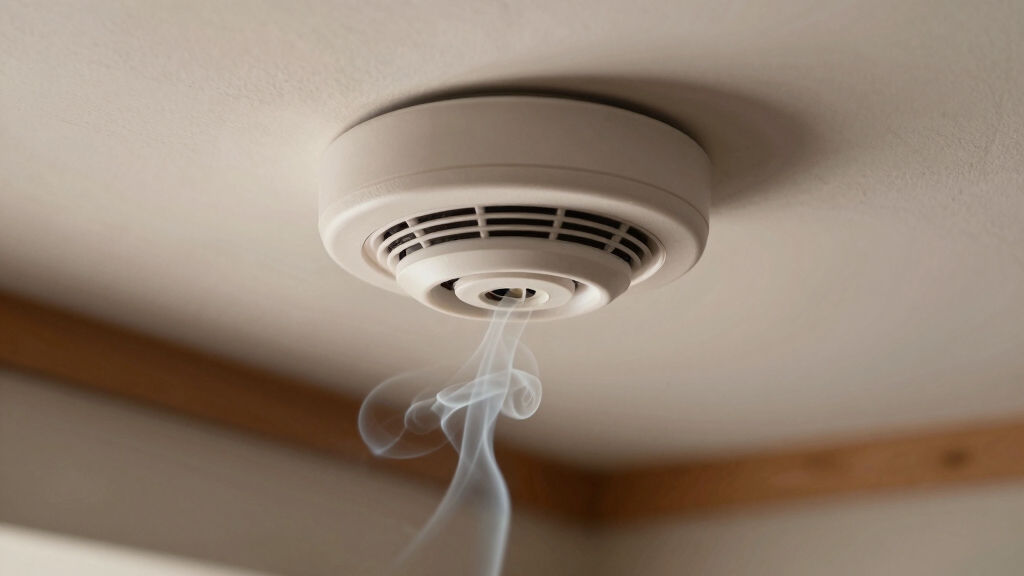

Incense smoke often triggers smoke alarms because it releases fine particles that disrupt ionization detectors’ electrical current.
Ionization alarms react strongly to these small particulates, making false alarms common during incense burning.
Photoelectric alarms mainly detect larger, denser smoke typical of fires, so they’re less prone to incense-related triggers unless smoke is very dense.
Placement and ventilation critically affect alarm activation risk. Understanding these factors can help you manage and reduce false smoke alarm incidents effectively.
Key Takeaways
- Ionization smoke alarms are highly sensitive to small incense smoke particles, often causing false alarms during incense burning.
- Photoelectric alarms mainly detect larger, denser smoke particles and rarely trigger from typical incense smoke.
- Burning multiple cone or stick incense increases smoke density, raising the likelihood of activating smoke alarms.
- Placing incense too close to ceiling-mounted detectors or in poorly ventilated spaces increases false alarm risk.
- Proper ventilation and maintaining at least 3 feet distance between incense and detectors help prevent nuisance alarms.
How Ionization and Photoelectric Smoke Alarms Detect Smoke?
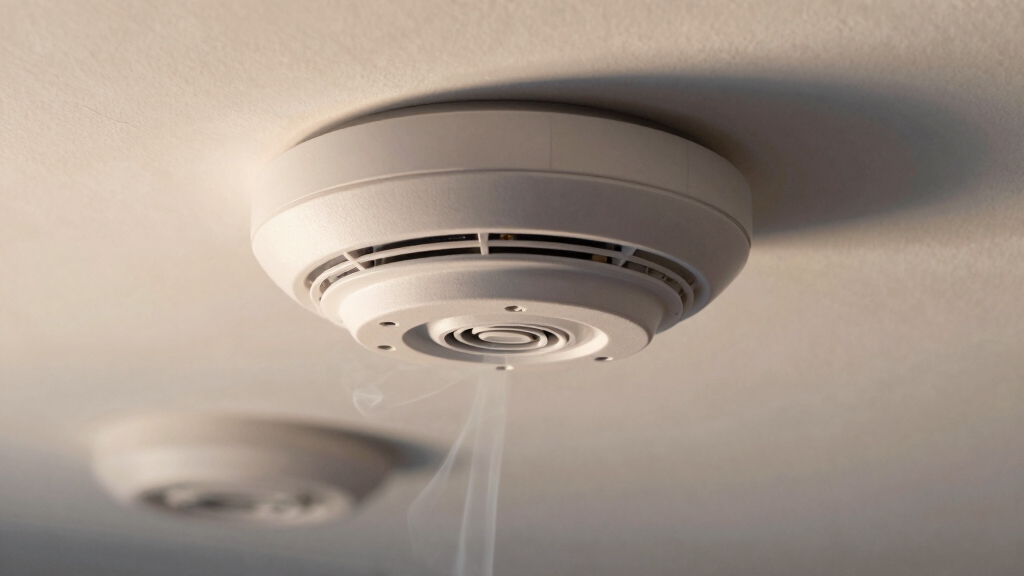
When smoke particles drift into a detector, ionization and photoelectric alarms react differently based on their sensing technology.
Ionization alarms use a radioactive source to ionize air, creating a steady electrical current between two plates. Smoke particles disrupt this current, triggering the alarm. These detectors are especially sensitive to smaller particles.
Photoelectric alarms, on the other hand, employ an infrared light beam aimed away from the sensor. When larger smoke particles scatter the light into the sensor, the alarm activates.
You should understand that ionization types detect finer particulate matter, while photoelectric units respond primarily to larger, denser particles. Both technologies scan airborne particulates but differ in their detection mechanisms and sensitivity profiles, influencing how they respond to various smoke sources.
Photoelectric alarms provide early warning for smoldering fires by detecting scattered light from large smoke particles.
Why Ionization Smoke Alarms React More to Incense Smoke?
Ionization smoke alarms frequently respond more strongly to incense smoke because their detection method targets smaller particles that incense produces.
These alarms use a radioactive source to ionize air molecules, creating an electrical current.
When fine particulate matter, like the small smoke particles from burning incense, enters the ionization chamber, it disrupts this current, triggering the alarm.
Since incense smoke particles are typically smaller and more numerous than the larger particulates generated by most fires, ionization detectors register a more pronounced interference.
This heightened sensitivity increases the likelihood of false alarms during incense burning, especially if the smoke concentration is elevated near the detector.
Understanding this mechanism helps you position incense properly and manage smoke exposure to avoid unnecessary activations.
Additionally, ionization detectors are more prone to false alarms due to moisture interference from environmental factors, which can exacerbate sensitivity to small particles like incense smoke.
How Photoelectric Alarms Detect Incense Smoke vs Fire Smoke?
Photoelectric alarms work by detecting smoke through a neat little process. They measure how particles scatter an infrared light beam inside the sensor chamber.
When it comes to fire smoke, you’ll notice that it’s made up of larger, denser particles. These particles scatter more light, which means the alarms trigger more reliably.
Now, incense smoke is a different story. It produces smaller, less dense particles, which don’t scatter light as effectively. That’s why photoelectric alarms don’t respond as quickly or reliably to incense.
However, dense airborne particles like steam or smoke can similarly scatter light and cause false alarms in photoelectric detectors.
Particle Size Sensitivity
Although both types of smoke alarms detect airborne particles, photoelectric alarms respond primarily to larger particles that scatter infrared light. Incense smoke particles tend to be smaller and less dense than typical fire smoke.
This means they often fall below the size threshold that photoelectric sensors prioritize. When you burn incense, the emitted particles may not scatter enough light to activate these alarms unless the smoke becomes concentrated or the incense is placed very close.
In contrast, fire smoke generates larger, denser particulates that efficiently trigger photoelectric detectors. Understanding this size sensitivity helps you anticipate when incense might cause false alarms.
You can reduce this risk by managing particle concentration, such as ensuring proper ventilation and positioning incense away from detectors. This minimizes the chance that smaller incense particles will activate photoelectric alarms.
Additionally, photoelectric alarms’ reliance on the Tyndall Effect makes them particularly sensitive to dense particle clouds, which can increase false alarm risks if incense smoke accumulates.
Light Scattering Mechanism
Understanding how light interacts with smoke particles clarifies why photoelectric alarms respond differently to incense smoke compared to fire smoke.
Photoelectric detectors operate by emitting an infrared light beam into a sensing chamber. When smoke particles enter, they scatter this beam, triggering the alarm if scattering exceeds a threshold.
Incense smoke typically consists of smaller, less dense particles, scattering less light than fire smoke’s larger, denser particulates.
Key points to ponder:
Photoelectric alarms detect smoke via light scattering, favoring larger particles. Incense smoke’s smaller particles scatter insufficient light to consistently trigger alarms.
Fire smoke produces dense particulate clouds, causing significant light disruption. Detector sensitivity and particle concentration critically influence response likelihood.
Thus, you’ll find photoelectric alarms less prone to false alerts from incense smoke than from fire smoke.
However, environmental factors such as heat and humidity can exacerbate sensor sensitivity and potentially increase false alarm occurrences even with smaller smoke particles.
Which Incense Types Produce the Most Smoke?
When you choose incense, it’s important to know that cone incense produces the most smoke due to its larger burning surface area. This releases a higher volume of particulates into the air.
This increased particulate density raises the likelihood of smoke alarm activation. Stick incense generates moderate smoke levels, producing fewer airborne particles and reducing alarm risk.
Backflow cone incense directs smoke downward, lessening particulate dispersion near ceiling-mounted detectors. The quantity and density of smoke from multiple cones or sticks compound this effect, markedly increasing smoke concentration.
Understanding these differences helps you select incense types that minimize smoke output, especially in environments with sensitive or highly regulated smoke detection systems.
Ultimately, cone incense demands caution, while stick and backflow cones offer safer alternatives for controlling smoke production.
Ensuring good ventilation during incense burning can help disperse smoke particles and reduce the chance of triggering smoke alarms.
How Incense Placement Influences Smoke Alarm Activation?
Selecting the right type of incense is only part of controlling smoke alarm activation; how you position the incense relative to detectors plays a significant role as well.
Placing incense too close to a smoke alarm increases the particulate concentration directly at the sensor, greatly raising the chance of triggering an alarm. To minimize false alarms, consider these placement strategies:
Position incense at least several feet away from ceiling-mounted detectors to reduce direct smoke exposure.
Avoid placing incense in enclosed or confined spaces where smoke can accumulate near alarms.
Use backflow incense holders to direct smoke downward, limiting upward particulate travel toward detectors.
Make certain incense isn’t directly beneath or adjacent to alarm vents or air circulation pathways feeding into detectors.
Proper placement manages particulate dispersion, lowering nuisance alarm risks effectively.
Additionally, relocating smoke detectors away from areas prone to smoke or steam exposure can significantly reduce false alarms, as improper placement is a common cause of nuisance triggers and detector malfunction. placement guidance
How Ventilation Reduces Incense Smoke Alarm Triggers?
By ensuring adequate ventilation, you actively reduce the concentration of incense smoke particles in the air, markedly lowering the likelihood of triggering smoke alarms.
Ventilation dilutes airborne particulates, dispersing smoke before it accumulates near detectors. This is critical because both ionization and photoelectric alarms respond to particulate density; lowering this density prevents the disruption of electrical currents or light scattering necessary to trigger alarms.
You can achieve effective ventilation through open windows, exhaust fans, or HVAC systems, enhancing air exchange rates and preventing smoke stagnation.
Without sufficient airflow, smoke particles concentrate and linger, increasing false alarm risks. Consequently, controlling ventilation is a fundamental preventive strategy, especially in enclosed or sensitive environments where smoke detectors exhibit heightened sensitivity to incense smoke.
Burning Multiple Incense Sticks and Smoke Alarm False Alarms
Adequate ventilation reduces incense smoke accumulation. However, burning multiple incense sticks can quickly elevate particulate density beyond safe thresholds.
When you burn several sticks simultaneously, the combined smoke output increases the concentration of airborne particulates. This raises the likelihood of triggering smoke alarms, especially in environments with limited airflow or highly sensitive ionization detectors.
To mitigate false alarms, consider these technical factors:
- Increased particulate density disrupts ionization detector current more rapidly.
- Multiple smoke sources create overlapping smoke plumes, intensifying exposure.
- Insufficient dispersion causes localized high-density smoke pockets near detectors.
Detector sensitivity calibration may not differentiate between fire and incense smoke at elevated densities.
Regular maintenance, including cleaning vents and sensors, helps prevent false alarms caused by dust and debris.
Safer Incense Types to Use Near Smoke Detectors
Choosing incense types with lower smoke output can markedly reduce the risk of triggering smoke alarms. Stick incense generates moderate smoke, making it less likely to activate detectors compared to cone incense, which produces denser smoke due to its larger burning area.
Backflow cone incense directs smoke downward, minimizing ceiling detector exposure. Selecting these types strategically helps you avoid nuisance alarms, especially around ionization detectors sensitive to smaller particles.
| Incense Type | Smoke Output Level | Detector Activation Risk | Recommended Use |
|---|---|---|---|
| Stick incense | Moderate | Low | Preferred near detectors |
| Cone incense | High | High | Avoid in sensitive areas |
| Backflow cone | Moderate | Low | Use for controlled smoke flow |
| Multiple sticks | High | Very High | Not recommended |
When setting up devices near incense, proper location and placement is essential to minimize false alarms and ensure optimal sensor performance.
Simple Tips to Stop Incense From Setting off Smoke Alarms
To keep incense from setting off your smoke alarms, it’s a good idea to place your incense far away from the detectors. Ideally, keep it below ceiling height—that way, there’s less chance of smoke reaching the alarms.
Also, make sure there’s plenty of ventilation in the room. Opening a window or using a fan can really help disperse the smoke particles quickly, which helps maintain good air quality.
And hey, try to control how much incense you burn at once. Burning a smaller amount can lower the concentration of smoke in the air, reducing the chances of those pesky false alarms.
If you find false alarms persist, consider relocating detectors away from areas with frequent smoke exposure to improve alarm reliability.
Optimal Incense Placement
Smoke detectors respond primarily to airborne particles, so placing your incense thoughtfully can prevent unnecessary alarms.
Position your incense to minimize smoke exposure to the detector’s sensing chamber.
Keep the smoke path away from ceilings where most alarms are installed to reduce particle density near sensors.
Follow these precise placement guidelines:
Maintain at least a 3-foot horizontal distance from any smoke detector.
Avoid burning incense directly underneath or above detectors.
Use holders that direct smoke downward or laterally, not upward.
Place incense in open areas away from corners where smoke can accumulate.
Ventilation and Smoke Control
Although incense smoke often produces fine particles that can trigger alarms, you can greatly reduce this risk by ensuring proper ventilation and controlling smoke dispersion in the room.
Start by opening windows or activating exhaust fans to facilitate continuous airflow, which dilutes smoke concentration and prevents particle accumulation near detectors.
Position fans to direct smoke away from ceiling-mounted alarms, reducing particulate exposure.
Avoid enclosed spaces with stagnant air, as this increases the likelihood of triggering ionization or photoelectric sensors.
Additionally, limit incense burning to a single stick to minimize particulate density.
By managing airflow and smoke direction deliberately, you maintain particle levels below detector sensitivity thresholds.
This approach markedly lowers false alarm risks while preserving incense use in sensitive environments.
Frequently Asked Questions
Can Incense Smoke Damage Smoke Detector Sensors Over Time?
Incense smoke itself won’t damage your smoke detector sensors over time, but consistent exposure to dense smoke can cause buildup on ionization or photoelectric components.
This residue may reduce sensor sensitivity, leading to delayed or missed alarms. To keep your detector functioning optimally, avoid burning incense too close or frequently in enclosed spaces without ventilation.
Regular maintenance, including cleaning the detector, will help prevent particulate accumulation and guarantee reliable performance.
Are There Specific Brands of Incense Less Likely to Trigger Alarms?
When it comes to incense brands less likely to set off alarms, you’ll want to go for those known for producing minimal smoke and fine ash, like Satya Sai Baba or Shoyeido.
These brands burn cleaner, reducing particulate matter that smoke detectors pick up.
However, placement and ventilation matter more than brand alone.
Even the best incense can raise alarms if you ignore the basics and get too close.
How Long After Extinguishing Incense Does the Smoke Alarm Risk Remain?
After extinguishing incense, the risk of triggering a smoke alarm can persist for 10 to 30 minutes, depending on ventilation and smoke particle density.
You should ensure adequate airflow to disperse residual smoke quickly, especially near sensitive detectors.
Keep incense away from alarms and avoid enclosed spaces.
The smaller incense particles linger longer in stagnant air, maintaining the potential to disrupt ionization or photoelectric sensors until fully cleared.
Do Humidity or Temperature Affect Incense Smoke Triggering Alarms?
Think of humidity and temperature as the invisible puppeteers of smoke behavior.
Higher humidity causes incense smoke particles to absorb moisture, making them heavier and less likely to linger near detectors, reducing false alarms.
Conversely, warmer temperatures speed smoke’s rise and dispersion, affecting detector exposure.
You’ll find that humid, warm environments can lower the chance of incense triggering alarms, while dry, cool air keeps particles suspended longer, increasing detection risk.
Can Smoke Alarms Be Recalibrated to Ignore Incense Smoke?
You generally can’t recalibrate standard smoke alarms to ignore incense smoke specifically, because they detect airborne particulates indiscriminately.
Their sensitivity settings are fixed to guarantee early fire detection. For tailored responses, you’d need specialized alarms with adjustable sensitivity or multi-sensor systems.
Instead, focus on prevention: place incense away from detectors, improve ventilation, or use less smoky incense types to reduce nuisance alarms without compromising safety.
Incense Without the Alarm Drama: A Smarter Approach
If you think burning a single incense stick will never set off your smoke alarm, think again. It’s like waving a red flag in front of a bull.
Ionization alarms are hyper-sensitive to tiny particles, while photoelectric ones detect denser smoke differently. To avoid a false alarm symphony, you must strategically place your incense, ensure proper ventilation, and choose cleaner-burning types.
Master these technical nuances, and you’ll keep your smoke alarms vigilant without unnecessary panic.