
Yes, your septic tank absolutely needs a properly designed vent.
Venting prevents hazardous gas buildup like methane and hydrogen sulfide that impair treatment and threaten safety. It maintains balanced air pressure, supports bacterial breakdown, and prevents costly damage such as cracked walls or pump failure.
Regulations mandate vent sizes, placement, and individual vents for each compartment to guarantee efficiency and compliance. Vent performance also affects leach field health.
Understanding vent design and maintenance is key to protecting your system’s longevity.
Key Takeaways
- Septic tanks require vents to maintain balanced internal pressure and enable continuous gas and oxygen exchange for effective waste treatment.
- Without proper venting, gas buildup can cause pressure, odors, system failures, and hazardous leaks.
- Vent pipes, typically 3 to 4 inches in diameter, must be installed near compartment tops and comply with local codes.
- Vents prevent damage to tank components, improve drainage, and protect leach field function.
- Proper venting is mandatory for regulatory compliance, safety, and system longevity.
Why Proper Venting Is Essential for Septic Tanks?
Because septic tanks generate gases as waste decomposes, proper venting is essential to release pressure and prevent dangerous buildup. If you don’t guarantee adequate venting, pressure can accumulate, causing structural damage and costly repairs.
Proper venting in septic tanks prevents dangerous gas buildup and costly structural damage.
Vent pipes must comply with local codes, typically requiring 3- or 4-inch diameters and precise placement, usually within 7 meters of the tank. You need to provide dedicated vents for each tank compartment, incorporating gas deflection devices in inlet and outlet tees to optimize gas flow.
Proper venting also supports continuous air draft, facilitating oxygen exchange critical for treatment media function. Without it, gas pressure can compromise the leach field’s performance and pose safety risks.
Maintaining vent integrity isn’t optional; it’s a regulatory and operational necessity you must follow. Additionally, proper venting is essential during final inspections to ensure system functionality and regulatory compliance.
How Gas Builds Up Inside Septic Tanks and the Role of Venting?
Generating gases inside septic tanks results from the anaerobic decomposition of organic waste, producing methane, carbon dioxide, and other volatile compounds. These gases accumulate in tank compartments, increasing internal pressure.
Without venting, gas buildup leads to unsafe conditions and impedes tank function.
| Gas Type | Origin | Effect on Tank |
|---|---|---|
| Methane (CH4) | Organic matter decay | Flammable, pressure buildup |
| Carbon Dioxide (CO2) | Microbial respiration | Corrosive potential, pressure increase |
| Hydrogen Sulfide (H2S) | Sulfur compound breakdown | Toxic, foul odor |
Understanding this gas generation helps you appreciate why venting is critical. It safely releases gases, maintains pressure equilibrium, and ensures the septic system operates efficiently and safely. Proper venting also helps prevent corrosion and damage caused by corrosive gases like carbon dioxide.
How Venting Prevents Damage and Costly Repairs?
When venting is neglected, pressure from accumulating gases strains the septic tank’s structural components and internal mechanisms. This can lead to cracks, leaks, or malfunctioning inlet and outlet tees.
Proper venting releases these gases, preventing overpressure that compromises tank integrity and disrupts flow between compartments. Without venting, you risk costly repairs from damaged inlet/outlet tees and compromised seals that allow wastewater leakage.
Ventilation also maintains the necessary air draft to support microbial activity for effective waste breakdown.
Consider these consequences of poor venting:
- Cracked tank walls from gas pressure accumulation
- Blocked or broken inlet/outlet tees due to pressure stress
- Premature failure of seals causing leaks and environmental hazards
To avoid these issues, it is important to locate and inspect the septic system components regularly, including using inspection caps and risers to ensure proper venting function.
What Building Codes Require for Septic Tank Vents?
When it comes to building codes for septic tanks, one important requirement is having vent holes in the partitions. These vents are crucial for managing gas pressure effectively.
Now, local regulations usually specify the exact sizes for vent pipes, which are typically around 3 or 4 inches in diameter. This sizing helps ensure proper airflow and keeps the system running smoothly.
Another key point is that codes also require house connections to allow gas to vent from the tank. This is essential to prevent any hazardous buildup inside your home. So, following these guidelines is really important for safety and functionality!
Regular maintenance, including inspection and cleaning of the vent pipes, is recommended to prevent blockages that can cause backups and maintain proper system ventilation.
Code-Mandated Vent Holes
Although septic tank designs vary, building codes consistently require vent holes in partitioned tanks to guarantee proper gas release and system safety.
These vents prevent pressure buildup from gases like methane and hydrogen sulfide, which can damage the tank or disrupt system function. Codes mandate that vents be positioned near the top of partitions to allow continuous air exchange and prevent dangerous conditions.
When inspecting or installing vent holes, consider that:
Vents must be sized and located according to local regulations to guarantee effective gas escape.
Each tank compartment requires dedicated venting to maintain proper airflow.
Vent holes often integrate with inlet/outlet tees featuring gas deflection devices for controlled venting.
Following these code requirements guarantees your septic system operates safely and efficiently. Regular professional inspection and maintenance help ensure the vents and entire system function properly and prevent system failure risks.
Local Size Specifications
Because proper vent sizing directly affects septic system performance and safety, building codes specify exact dimensions and placement for vent pipes.
Typically, vent pipes measure 3 or 4 inches in diameter, aligned to guarantee efficient gas release and air flow.
You must position the air outlet vent within seven meters of the septic tank to maintain proper ventilation pressure.
Local codes also require each partitioned tank to have dedicated vents, preventing gas buildup in isolated compartments.
Additionally, inlet and outlet tees incorporate gas deflection devices to direct fumes safely.
Adhering to these specifications guarantees the septic system operates without pressure hazards or odor issues.
Failing to meet these size standards risks system malfunction, structural damage, and non-compliance penalties.
Always consult your local building code for precise vent sizing requirements.
Proper venting also helps minimize health and safety risks associated with gas buildup and unpleasant odors in the septic system.
Venting in House Connections
When connecting your septic tank to the house plumbing, building codes require that the system includes proper venting to safely release gases generated within the tank.
This venting prevents pressure buildup, which can cause pipe damage, odors, or dangerous gas accumulation. Codes typically mandate that the house connection allows a continuous air draft, guaranteeing gases flow out without back pressure.
You’ll notice these key requirements for venting in house connections:
- A vent pipe, often 3 to 4 inches in diameter, positioned close to the tank within 7 meters.
- Gas deflection devices in inlet and outlet tees to control flow.
- Dedicated vents for each tank compartment to maintain balanced pressure.
Following these code specifications guarantees safe, efficient septic system operation and compliance with local regulations.
What Vent Pipe Sizes and Designs Are Required?
Since proper venting is critical to septic tank function, you must adhere to specific pipe sizes and designs dictated by local building codes.
Typically, vent pipes measure 3 or 4 inches in diameter to guarantee adequate gas release and pressure balance. Each compartment requires a dedicated vent, positioned within 7 meters of the tank for effective airflow.
Vent designs often include gas deflection devices integrated into inlet and outlet tees to prevent gas buildup.
Proper ventilation and maintenance are required to avoid blocked vents and hazardous gas buildup.
| Vent Pipe Diameter | Common Sizes (inches) |
|---|---|
| Minimum Size | 3 |
| Standard Size | 4 |
| Design Feature | Gas deflection devices |
Following these specifications maintains system safety and optimizes septic operation.
How Your House Connection Lets Septic Gas Escape?
Proper vent pipe sizing and design guarantee gases generated within the septic tank compartments are effectively released. Your house connection acts as a critical pathway, enabling septic gases to vent safely into the atmosphere. This prevents pressure buildup that could damage your system.
Proper vent pipe design ensures safe release of septic gases, preventing harmful pressure buildup in your system.
This connection incorporates gas deflection devices at inlet and outlet tees to direct flow and minimize odor intrusion. The vent pipe diameter, typically 3 or 4 inches, aligns with code requirements to maintain adequate airflow.
Consider how your house connection facilitates gas escape through a sealed, vertical vent pipe extending above the roofline for dispersion. Gas deflection tees prevent backflow into the home plumbing. Continuous air draft promotes steady gas evacuation and oxygen exchange.
This design guarantees septic gases don’t accumulate, sustaining system integrity and safety. Regular maintenance and inspection of vent pipes help prevent clogs and ensure proper airflow, which is essential for system longevity.
Where Septic Tank Vents Should Be Located?
Although septic tank vents must meet code specifications, their placement requires careful consideration to guarantee effective gas release and system performance.
You should position vents away from flooding zones and steep slopes to prevent obstruction and maintain airflow.
Locate vents within seven meters of the tank to secure prompt gas evacuation. They must be accessible for inspection and maintenance, typically near the tank’s access points.
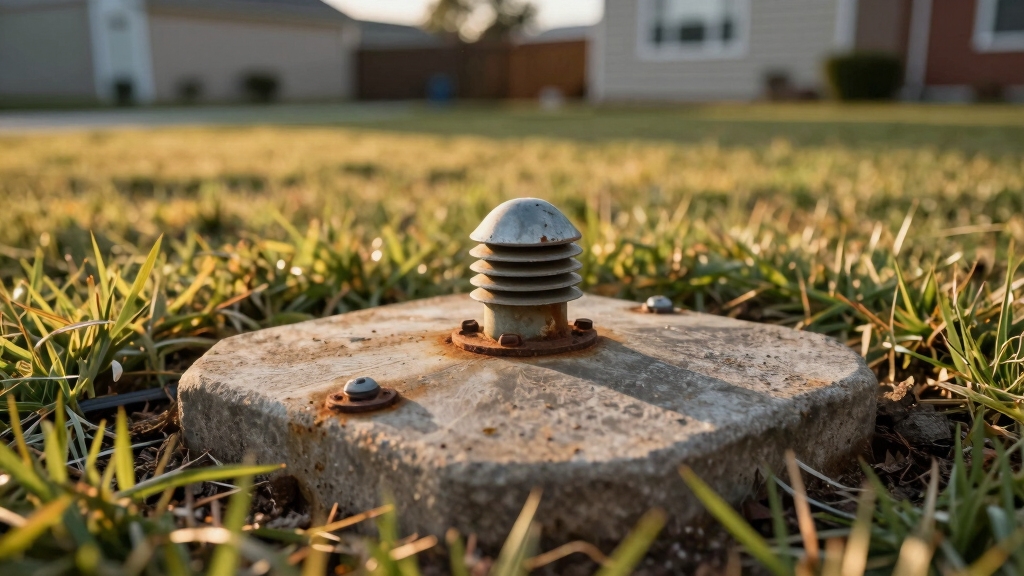
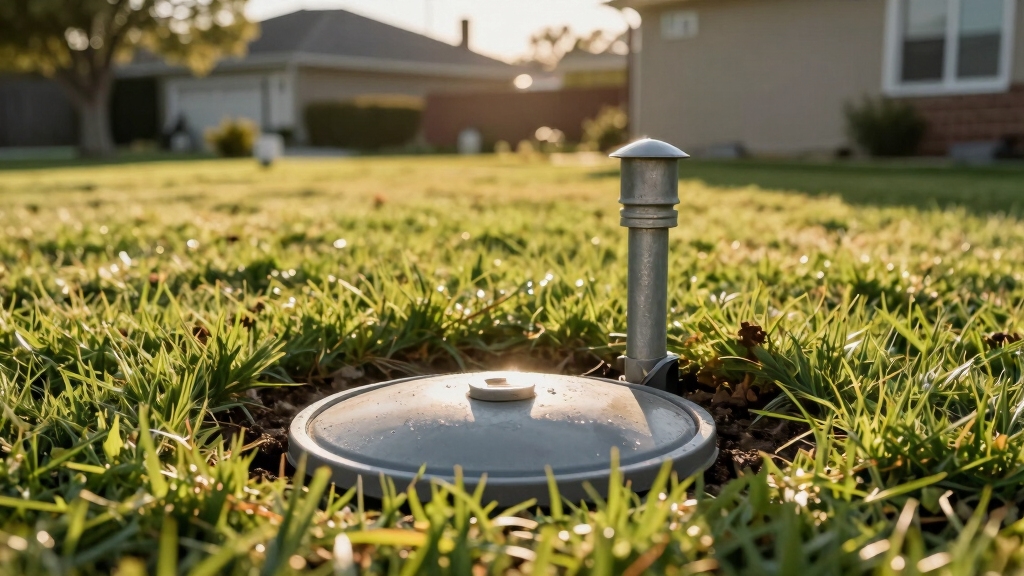
Placing vents above ground, visible as vertical pipes, facilitates monitoring and prevents water infiltration.
Avoid situating vents where prevailing winds could direct gases toward occupied spaces.
For partitioned tanks, each compartment requires dedicated vent holes near the top to enable inter-compartmental gas exchange.
Regular inspections by a septic professional at least every three years help ensure vents and the entire system function properly and prevent costly failures through proactive maintenance.
How Septic Tank Vents Affect Leach Field Performance?
A well-vented septic tank directly influences the efficiency and longevity of your leach field by maintaining balanced air pressure and gas exchange within the system.
Without proper venting, gas buildup can create backpressure, impairing effluent flow to the leach field and causing soil clogging.
Ventilation also supports aerobic conditions critical for microbial activity in the leach field, enhancing treatment performance.
You’ll notice improved drainage and fewer odors when vents function correctly.
Key impacts include:
- Prevention of gas accumulation that disrupts effluent dispersal.
- Maintenance of oxygen flow to support aerobic bacteria in the soil.
- Reduction of hydraulic pressure that can saturate and damage the leach field.
Proper vent design guarantees consistent system operation, protecting your leach field investment. Monitoring for gas leak indicators is essential to ensure venting functions safely and effectively.
How to Inspect and Maintain Septic Tank Vents?
Since septic tank vents play a critical role in maintaining system balance and safety, you must inspect them regularly to prevent gas buildup and pressure issues.
Begin by visually examining the vent pipe for obstructions, damage, or corrosion. Make certain the air outlet vent remains free of debris and is positioned correctly within seven meters of the tank.
During routine septic system pumping every 3–5 years, include vent inspection to check for sludge or scum buildup affecting gas deflection devices in inlet and outlet tees.
Verify vent pipe diameter complies with local building codes, typically 3 or 4 inches, to maintain proper airflow.
Address any cracks, blockages, or improper installations promptly to avoid pressure imbalances that can compromise system integrity and leach field performance.
What Happens Without a Septic Tank Vent?
If your septic tank doesn’t have proper ventilation, things can get pretty dicey.
You see, gas pressure will start to build up inside. And that’s not good! It can lead to structural damage to the tank components.
Over time, that pressure imbalance might cause seals to fail or even cracks to develop, which really compromises the system’s integrity.
And let’s be real—without venting, your system is likely to experience some serious operation failures.
Those gases can really disrupt the flow and treatment processes.
Gas Pressure Buildup
Neglecting septic tank ventilation causes gas pressure to accumulate rapidly, creating hazardous conditions within the system. Without a vent, gases like methane and hydrogen sulfide can’t escape, leading to increased internal pressure.
This buildup disrupts normal flow and may force gases back into plumbing fixtures, risking toxic exposure. You’ll notice:
- Bubbling in drains and toilets caused by trapped gases seeking release paths.
- Unpleasant sulfur-like odors permeating the home environment.
- Potential malfunction of gas deflection devices, impairing compartmental gas exchange.
The vent pipe acts as an essential pressure relief, maintaining equilibrium by allowing continuous air exchange. Without it, you compromise system integrity and increase the risk of gas-related hazards.
Proper venting guarantees safe dissipation of gases, prevents pressure spikes, and sustains efficient septic tank operation.
Structural Damage Risks
When a septic tank lacks proper ventilation, internal gas pressure can exert excessive force on structural components, leading to cracks, leaks, and eventual tank failure.
Without a vent to release accumulating gases like methane and hydrogen sulfide, pressure builds unevenly, stressing tank walls and partitions beyond design limits.
This stress compromises tank integrity, causing fissures that allow effluent to escape, contaminating soil and groundwater.
Additionally, pressure differentials may deform inlet and outlet fittings, impairing seals and increasing vulnerability to infiltration and exfiltration.
Over time, this structural degradation escalates repair costs and shortens tank lifespan.
Proper venting equalizes pressure, preventing these mechanical failures.
Consequently, ensuring compliance with venting codes and installation standards is critical to maintain tank durability and environmental safety.
System Operation Failure
Although a septic tank functions as a closed system, it relies on proper ventilation to maintain balanced internal pressure and facilitate gas exchange between compartments. Without a vent, gases accumulate, causing pressure buildup that disrupts flow and treatment efficiency.
You’ll notice system failures such as slow drainage, backflow, or odors indicating trapped gases. This pressure imbalance can also damage internal components and leach field function.
Without venting, you risk gas pockets forming, leading to pump strain or failure. Reduced oxygen flow impairs bacterial breakdown of waste, increasing the risk of hazardous gas leaks and compromising safety.
Proper venting guarantees continuous airflow, preventing operational failures and maintaining system longevity. Ignoring vent requirements results in costly repairs and regulatory noncompliance.
Frequently Asked Questions
Can I Install a Septic Tank Vent Myself or Hire a Professional?
You can install a septic tank vent yourself if you have plumbing expertise and understand local codes.
However, it’s usually best to hire a professional. Proper vent sizing, placement, and connection are critical for safety and system function.
Mistakes can cause gas buildup or code violations, leading to costly repairs.
Professionals guarantee compliance with regulations and optimize vent performance, reducing risks and ensuring long-term reliability of your septic system.
What Materials Are Best for Septic Tank Vent Pipes?
Choosing vent pipe materials is like picking armor for your septic system. Durability is key. You’ll want corrosion-resistant materials like PVC or ABS plastic because they withstand harsh gases and moisture without rusting.
These plastics are lightweight, easy to install, and meet most local codes. Avoid metal pipes unless coated, as they corrode quickly. Guarantee the vent pipe diameter matches code, typically 3 to 4 inches, for peak airflow and pressure release.
How Do Weather Conditions Affect Septic Tank Vent Performance?
Weather conditions directly impact your septic tank vent performance.
Strong winds can disrupt the air draft, reducing gas expulsion efficiency.
Cold temperatures may cause vent pipe freezing, blocking airflow and risking pressure buildup.
Heavy rain or snow can obstruct vent outlets or cause water infiltration, impairing vent function.
You need to guarantee vent pipes are properly insulated, installed above flood levels, and regularly inspected to maintain peak venting under varying weather conditions.
Are There Odor Control Options for Septic Tank Vents?
Yes, you can use odor control options for septic tank vents.
Activated carbon filters or biofilters effectively absorb or neutralize gases emitted through vents.
You might also install vent covers with odor-trapping media or chemical scrubbers designed for septic gases.
Regular maintenance guarantees these systems perform well.
Selecting the right option depends on vent size, local codes, and environmental factors, so you should evaluate compatibility before installation.
Can Venting Requirements Vary for Different Types of Septic Systems?
You’ll find venting requirements subtly tailored to each septic system type, reflecting their unique designs and functions.
Conventional tanks often follow standard code vent sizes. Advanced or partitioned systems demand specific vent placements and sizes to guarantee optimal gas exchange and pressure balance.
Local regulations can impose nuanced differences. You must consult codes carefully to meet system-specific venting standards and maintain safe, efficient operation without risking costly complications.
Proper Venting: The Key to Long-Term Performanc
Think of your septic tank vent as the lungs of your system. Without it, toxic gases suffocate the balance, risking structural damage and costly repairs.
Proper venting guarantees smooth airflow, preventing pressure buildup and maintaining peak leach field function. Ignoring this crucial component disrupts the system’s harmony, like a clogged artery threatening flow.
You can’t afford to overlook venting; it’s the silent guardian of your septic’s health and longevity.