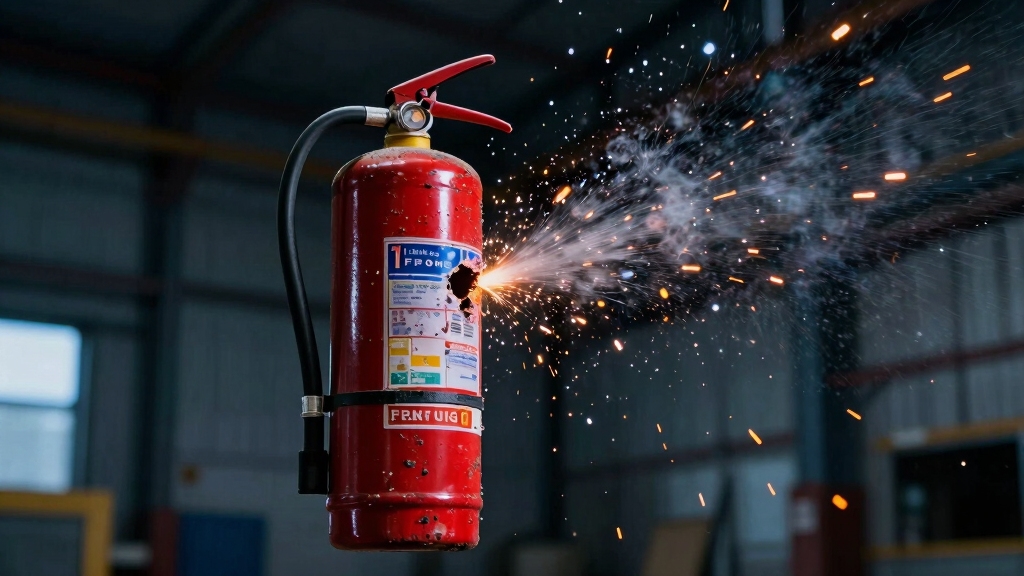

You won’t make a fire extinguisher explode by shooting it because built-in pressure relief valves and sealed container designs safely vent excess pressure.
CO2 extinguishers release gas rapidly but prevent catastrophic rupture. Water models have higher rupture risks due to steam pressure but still don’t explode dramatically.
Instead of bursting, the extinguisher depressurizes and vents contents quickly. If you want to understand why these safety features work and how extinguisher types differ, keep exploring.
Key Takeaways
- Shooting a fire extinguisher causes rapid depressurization and gas release, not a cinematic explosion.
- Built-in pressure relief valves prevent catastrophic rupture by venting excess pressure safely.
- CO2 extinguishers hiss loudly and release cold vapor when pierced but do not shatter violently.
- Water extinguishers have higher rupture risk due to steam pressure but still rarely explode dramatically.
- Movie explosions are exaggerated; real extinguishers release pressure gradually, avoiding sudden bursts.
Fire Extinguisher Safety Features That Prevent Explosions
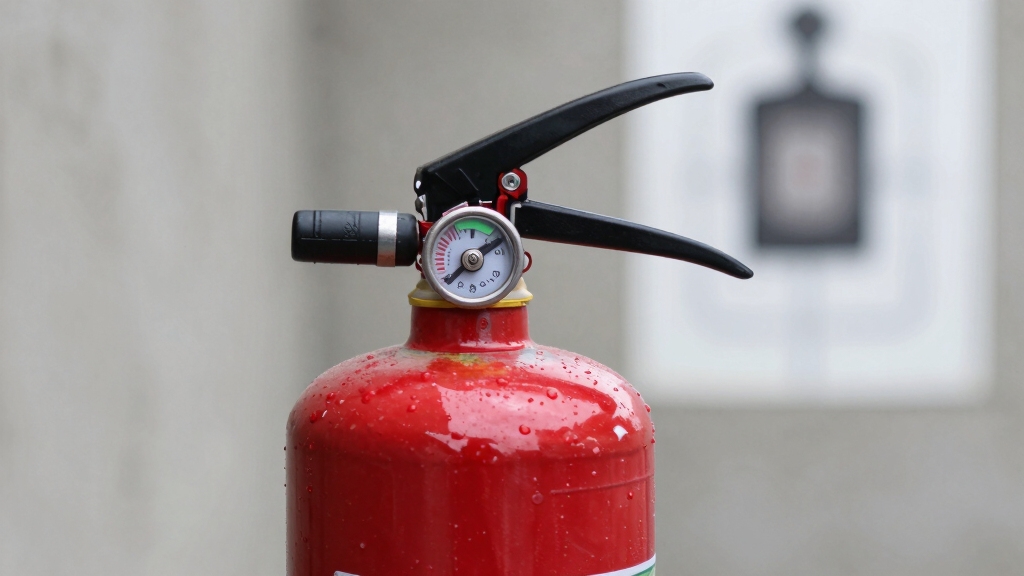
Although fire extinguishers contain pressurized contents, their design incorporates critical safety features that prevent them from exploding under normal or even extreme conditions.
Fire extinguishers are designed with essential safety features to prevent explosions under normal or extreme conditions.
You’ll find pressure relief valves that vent excess pressure before it reaches dangerous levels, avoiding catastrophic failure. The spring-mounted valves control the release of gas precisely, ensuring a steady discharge rather than a sudden rupture.
CO2 extinguishers, despite operating at around 800 PSI, include safety mechanisms like sealed containers and specialized release systems with sharp-pointed actuating rods to pierce valves in a controlled manner.
Understanding these features helps you see why fire extinguishers are engineered for safety, minimizing explosion risks even if damaged or exposed to heat.
These protections maintain pressure integrity and manage gas release effectively, preventing dangerous blowouts.
Additionally, the valve opening mechanism allows powder or gas to be expelled rapidly and safely, further reducing pressure buildup inside the extinguisher.
Differences Between CO2 and Water Fire Extinguisher Risks
Understanding the safety features of fire extinguishers sets the stage for comparing the distinct risks associated with CO2 and water-based units.
CO2 extinguishers contain pressurized gas at about 800 PSI, equipped with pressure relief valves that prevent explosive rupture by venting excess pressure safely.
Water extinguishers, operating near 100 PSI, lack such valves, increasing rupture risks under heat due to steam buildup.
Here’s a detailed comparison:
| Feature | CO2 Extinguisher | Water Extinguisher |
|---|---|---|
| Operating Pressure | ~800 PSI | ~100 PSI |
| Safety Valves | Present, vent excess pressure | Absent |
| Rupture Risk | Low, controlled venting | Higher, steam pressure buildup |
| Container Design | Sealed with safety valves | Sealed without venting |
| Heat Exposure Response | Gas safely vented | Pressure increases, rupture possible |
Proper inspection and maintenance are crucial to ensure extinguisher safety, especially under conditions of heat exposure, as outlined in inspection, maintenance, and after-use actions.
How Fire Extinguisher Pressure Relief Valves Prevent Rupture?
You know how important it’s to keep fire extinguishers safe, right? That’s where pressure relief valves come into play. These little heroes kick in when the internal pressure goes beyond safe limits. When that happens, they vent gas to prevent any potential rupture.
Imagine if those valves weren’t there. Overpressure could lead to some serious issues, maybe even catastrophic failure. So, it’s pretty clear that these valves are crucial for safety. They really do make a difference! Regular hydrostatic testing is also performed to ensure the structural integrity of the extinguisher under pressure.
Pressure Valve Functionality
When pressure inside a fire extinguisher rises beyond safe limits, pressure relief valves activate to prevent rupture.
These valves act as safety guards, opening automatically to vent excess gas and reduce internal pressure.
In CO2 extinguishers, spring-mounted valves precisely control gas release, maintaining pressure around 800 PSI without compromising container integrity.
You rely on these valves to respond instantly to dangerous overpressure, preventing catastrophic failure.
Their design guarantees that gas escapes through a controlled nozzle system, avoiding sudden bursts or explosions.
Unlike sealed water extinguishers, which lack this feature, CO2 models depend on these valves to manage pressure safely under heat exposure.
Understanding pressure valve functionality helps you appreciate why fire extinguishers don’t explode under typical stress but instead release pressure methodically.
Proper maintenance and knowing your extinguisher’s P-class rating ensure safe and effective fire suppression.
Overpressure Safety Mechanisms
Although fire extinguishers store pressurized contents that could pose risks, their built-in pressure relief valves actively prevent dangerous overpressure buildup that might cause rupture.
These valves automatically vent excess pressure by opening when internal pressure exceeds safe limits, protecting the extinguisher from catastrophic failure.
In CO2 extinguishers, which operate around 800 PSI, spring-mounted relief valves precisely control gas release through a nozzle system.
This ensures steady, safe venting rather than explosive rupture.
This mechanism efficiently handles pressure increases caused by heat exposure, releasing gas gradually over minutes without damage.
You should understand that these overpressure safety mechanisms are engineered to maintain container integrity, making sudden explosions highly unlikely even under extreme conditions.
Ultimately, pressure relief valves are critical components that safeguard both users and surroundings from potential harm.
By understanding the role of cooling agents in fire suppression, users can appreciate how controlled gas release also contributes to removing heat from fires safely.
What Happens When You Shoot a Fire Extinguisher?
Even if you shoot a fire extinguisher, it won’t explode like a bomb.
When you pierce a CO2 extinguisher, the contained gas rapidly escapes through the valve, producing a loud hissing noise and a sudden burst of cold vapor.
The pressure relief mechanisms prevent catastrophic rupture by safely venting gas, so the container won’t shatter violently.
With water extinguishers, shooting risks causing a dangerous rupture because they lack pressure relief valves. The sealed, pressurized water can burst out uncontrollably, potentially causing injury or damage.
However, neither type is designed to explode on impact. Instead, shooting compromises the extinguisher’s integrity, causing immediate depressurization and release of contents without the dramatic explosion often depicted in media.
Always handle extinguishers with care to avoid unintended hazards. For fires involving metals like magnesium or titanium, it’s crucial to use a Class D fire extinguisher specifically designed to safely handle combustible metal fires.
Why Fire Extinguishers Don’t Explode Like in Movies?
You might think that if a fire extinguisher gets damaged, it would just explode, right? Well, it turns out that’s not the case at all.
Fire extinguishers are designed with built-in pressure controls that keep everything in check.
These safety mechanisms manage the internal pressure really well. If there’s too much pressure, they release gas in a controlled way, which prevents any kind of catastrophic failure.
Similar to how air conditioners are designed to avoid hazards, proper maintenance and pressure control are crucial for safety in pressurized devices.
Built-In Pressure Controls
When you see fire extinguishers in movies, they often explode dramatically. But real extinguishers have built-in pressure controls designed to prevent such catastrophes.
These devices include pressure relief valves that automatically vent excess pressure before it reaches dangerous levels. For example, CO2 extinguishers store gas at around 800 PSI but rely on these valves and sealed container designs to avoid catastrophic failure.
Spring-mounted valves regulate gas release through controlled nozzles rather than allowing sudden bursts. Even under heat stress, safety valves release pressure gradually, preventing explosions.
The actuating mechanisms are precisely engineered to pierce valves in a controlled way, ensuring safe discharge. These integrated pressure controls make fire extinguisher explosions extremely unlikely, debunking the dramatic portrayals you see on screen.
Additionally, continuous monitoring and audible alarm alerts are crucial safety features in gas detection systems that similarly prevent hazardous pressure buildup in fire safety equipment.
Realistic Fire Extinguisher Limits
Fire extinguishers incorporate multiple safety features that limit pressure buildup and prevent explosive failures. You won’t see them explode like in movies because pressure relief valves and sealed container designs manage internal forces safely.
Even CO2 extinguishers, which store gas at high pressure, vent excess gas before reaching dangerous levels.
| Feature | Purpose |
|---|---|
| Pressure Relief Valve | Releases excess pressure safely |
| Spring-Mounted Valve | Controls gas release through nozzle |
| Sealed Container | Maintains integrity under pressure |
| Gas Cylinder Mechanism | Pierces valve in controlled way |
These features work together to make certain extinguishers release pressure gradually. This prevents catastrophic ruptures or explosions you might expect from Hollywood depictions. Understanding the role of pressure relief valves is crucial to appreciating how the safe design of these devices prevents accidents.
Safe Alternatives to Shooting a Fire Extinguisher in Emergencies
Although shooting a fire extinguisher might seem like a quick solution in an emergency, it’s neither safe nor effective.
Instead, you should use the extinguisher as designed by aiming the nozzle at the fire’s base and squeezing the handle to release the suppressant in a controlled manner.
If you face a rapidly spreading fire, prioritize evacuation and call emergency services immediately.
You can also use fire blankets or activate built-in fire suppression systems where available.
Remember, fire extinguishers include safety features to vent pressure safely, but shooting them risks damage and injury without improving fire control.
Trust the extinguisher’s intended mechanism and focus on proper use, situational awareness, and timely evacuation to handle emergencies safely and effectively.
Only attempt to use a fire extinguisher on small fires if you are confident, otherwise focus on evacuation procedures.
Frequently Asked Questions
Can Fire Extinguishers Be Reused After Being Shot or Damaged?
You generally can’t reuse fire extinguishers after they’ve been shot or damaged.
Once compromised, their internal pressure, seals, and safety mechanisms may no longer function reliably.
You should have a certified professional inspect and service them if possible.
However, often replacement is necessary.
Using a damaged extinguisher risks failure during an emergency.
What Legal Consequences Exist for Shooting a Fire Extinguisher?
Shooting a fire extinguisher sparks serious sanctions. You could face criminal charges such as vandalism, reckless endangerment, or destruction of property.
Law enforcement takes such actions seriously because damaged extinguishers compromise safety, risking lives and property. Additionally, you might be liable for replacement costs and fines.
Always remember, tampering with safety equipment isn’t just dangerous; it’s legally punishable, carrying consequences that could follow you for years. Stay safe and lawful.
How Should Damaged Fire Extinguishers Be Properly Disposed Of?
You should never toss damaged fire extinguishers in regular trash. Instead, take them to a local hazardous waste disposal center or a fire equipment service provider.
They’ll safely depressurize and recycle components, preventing environmental harm or injury. If the extinguisher contains CO2 or other chemicals, proper venting is vital.
Always check with local regulations to guarantee compliant disposal. Handling them responsibly protects you and your community.
Are There Specific Firearms That Can Cause Fire Extinguisher Explosions?
They say, “Don’t poke the bear,” and with fire extinguishers, that’s wise.
No specific firearm is designed to cause a fire extinguisher to explode. Safety valves and pressure relief systems prevent catastrophic ruptures, regardless of bullet caliber.
While high-powered rounds might puncture the container, they won’t trigger explosive failure.
What Is the Environmental Impact of Releasing Extinguisher Chemicals Unintentionally?
When you release fire extinguisher chemicals unintentionally, you risk environmental harm.
Dry chemical agents like monoammonium phosphate can contaminate soil and waterways, affecting plants and aquatic life.
CO2 releases contribute minimally to greenhouse gases but can still disrupt local air quality.
Water-based extinguishers generally pose less risk but may cause runoff issues.
You should always handle extinguishers carefully to avoid unnecessary chemical discharge and environmental contamination.
Use Fire Extinguishers Properly for Maximum Safety
You might think shooting a fire extinguisher would make it explode like a cartoon bomb, but thanks to built-in safety features, that’s not how they work.
Modern extinguishers have pressure relief valves and sturdy construction to prevent ruptures, whether CO2 or water-based.
So, don’t try to turn one into a cannon. Instead, use them as designed to stay safe.
Remember, they’re lifesavers, not props from a Wild West showdown.