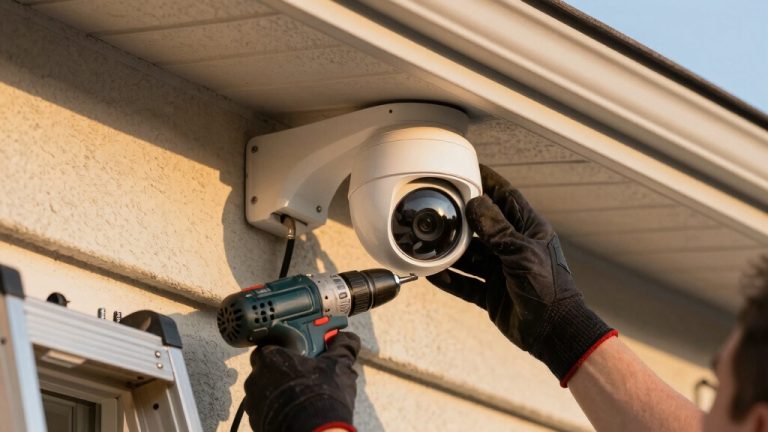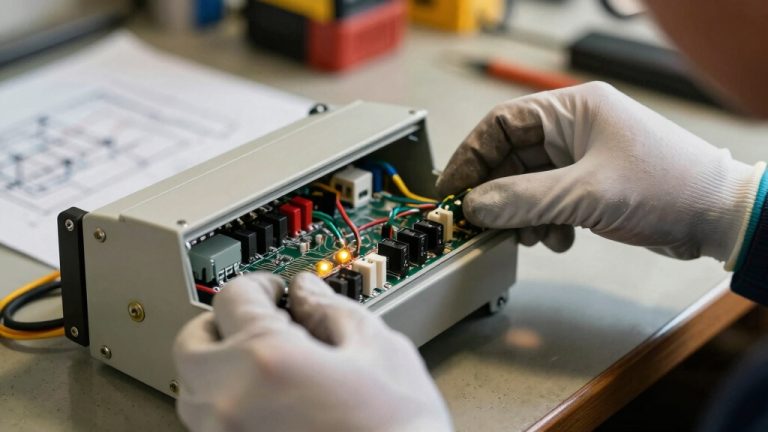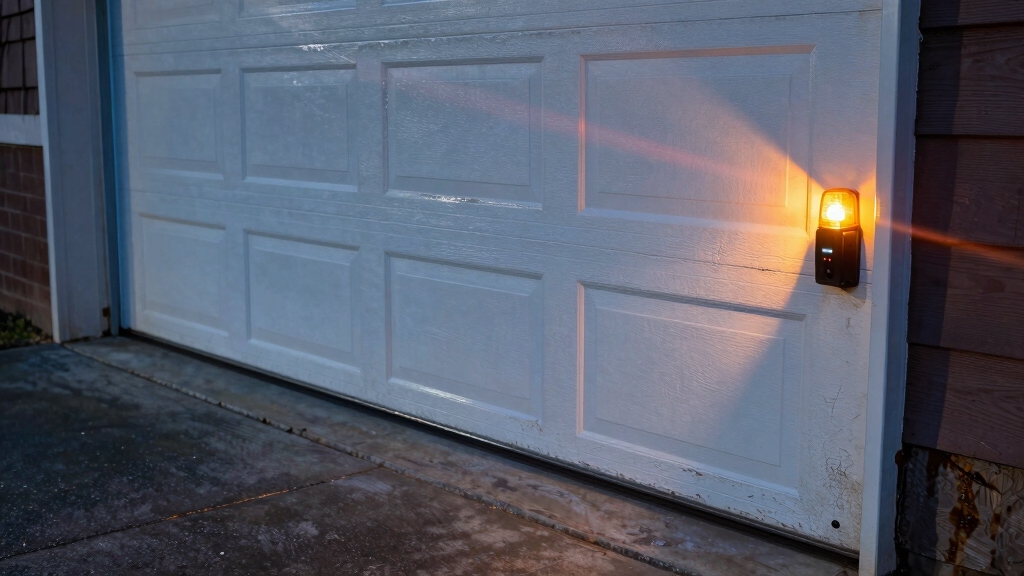

If your garage door is beeping and flashing, check for blocked or misaligned safety sensors. Dust or debris often disrupts the infrared beam and triggers alerts.
Wiring issues like loose or reversed wires can also cause error signals. Additionally, motor or logic board malfunctions or engaged physical locks may prompt warnings.
Regular maintenance, including sensor cleaning, wiring inspections, and system resets, helps prevent these issues. Explore further to understand detailed troubleshooting and maintenance steps.
Key Takeaways
- Dust or debris on sensor lenses often cause beeping and flashing by interrupting the infrared beam and triggering false obstruction alerts.
- Loose, broken, or reversed wiring disrupts sensor communication, leading to error codes and continuous flashing or beeping signals.
- Misaligned or obstructed safety sensors fail to communicate properly, causing the opener light to flash and emit beeping alerts.
- Overdue maintenance prompts warning signals; scheduled cleaning, lubrication, and inspections prevent beeping and flashing alerts.
- Motor malfunctions or faulty logic boards generate erratic flashing or beeping and require professional diagnosis and repair.
Common Causes of Garage Door Beeping and Flashing
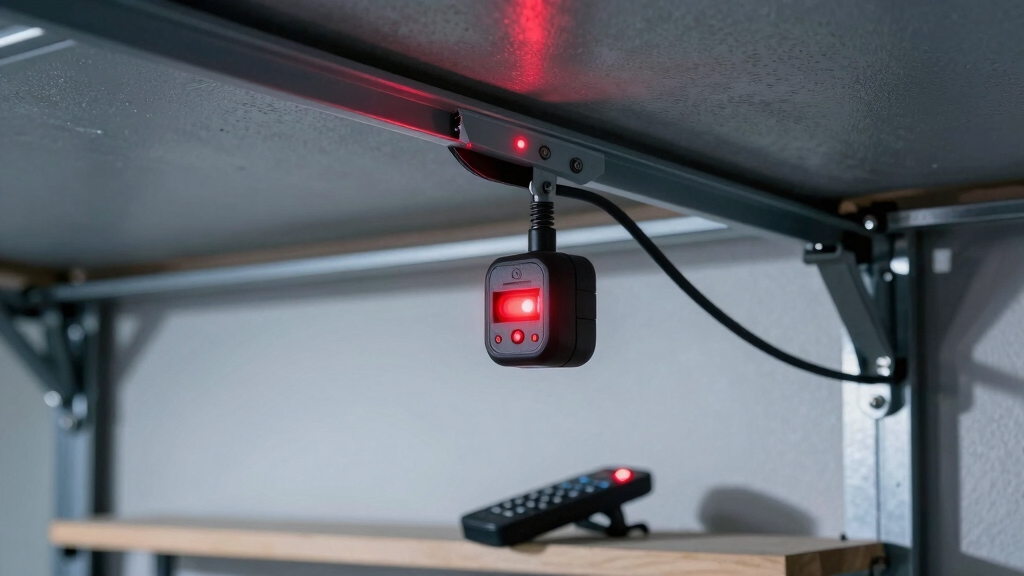
When your garage door starts beeping and flashing, it’s usually signaling a specific issue that needs immediate attention. Common causes include dust accumulation on sensor lenses, which weakens the infrared beam and triggers false obstruction alerts.
Beeping and flashing garage doors often indicate urgent issues like sensor dust buildup causing false obstruction alerts.
You might also encounter wiring problems. Loose, broken, or reversed wires disrupt communication between sensors and the opener, causing error codes or continuous flashing.
Additionally, the opener’s maintenance schedule can prompt warning signals when servicing is overdue, affecting system performance.
Motor unit malfunctions or faulty logic boards may cause erratic flashing or safety warnings, requiring professional evaluation.
Physical locking mechanisms engaged manually or automatically can stop door operation and activate alerts.
Always inspect these factors promptly to maintain safe and reliable garage door functionality. Power surges can also corrupt control boards and cause erratic beeping or flashing, making surge protection essential for preventing such issues.
How Blocked or Misaligned Safety Sensors Cause Alerts?
Although safety sensors operate invisibly along the garage door’s path, any obstruction or misalignment disrupts their infrared beam. This causes your opener’s light to flash and emit beeping alerts.
These sensors, positioned on either side near the floor, must face each other directly to maintain a continuous infrared connection. Even minor blockages like small objects or debris interrupt this beam, triggering the opener’s safety system.
Misaligned sensors fail to communicate properly, resulting in error signals and preventing door operation. To resolve alerts, check that both sensor eyes have solid LED indicators and are precisely aligned.
Correct positioning guarantees the infrared beam remains uninterrupted, allowing your garage door to function safely and without false alarms. For persistent issues, performing a sensor reset procedure by disconnecting power can often restore proper function.
Dust and Debris Impact on Garage Door Sensors
Hey there! To keep your garage door sensors working like a charm, it’s a good idea to clean the sensor lenses regularly. Just grab a soft microfiber cloth and wipe them down.
You’d be surprised how even tiny things—like spiderwebs, dust, or little bugs—can mess with the sensor signal and lead to false alerts.
For ongoing reliability, regular sensor maintenance and proper sensor realignment are essential to prevent malfunctions.
Sensor Lens Cleaning
Regularly cleaning the sensor lenses is essential to maintain accurate beam transmission and prevent false obstruction signals. Dust, dirt, and fine debris accumulate quickly on sensor surfaces, weakening the infrared beam and causing the garage door opener to misinterpret the path as blocked.
Use a soft microfiber cloth to gently wipe each lens, avoiding abrasive materials that could scratch or damage the sensor. For tougher grime, slightly dampen the cloth with water or a mild cleaner, ensuring no liquid seeps into the sensor housing.
Regular inspection and cleaning minimize error triggers and improve system reliability. Neglecting this routine risks increased false alarms, beeping, and light flashing due to impaired sensor performance.
Incorporate lens cleaning into your scheduled garage door maintenance for peak operation. Be aware that moisture exposure can cause sensor malfunction or short circuits, so avoid using liquids that may lead to sensor damage from moisture.
Common Sensor Obstructions
When dust and debris accumulate on garage door safety sensors, they weaken the infrared beam’s strength. This causes the opener to falsely detect obstructions, triggering beeping and flashing lights that signal a sensor issue.
You need to inspect sensors regularly, especially in dusty or cluttered garages, to maintain peak performance. Common obstructions include dust and dirt buildup on sensor lenses, spiderwebs and insect nests blocking the beam, small debris like leaves or paper scraps, residue from garage floor cleaning agents, and accumulated grease or oil smudges.
Use a soft microfiber cloth to gently clean the sensor lenses and remove obstructions. Regular maintenance prevents false triggers and guarantees reliable sensor communication for safe garage door operation.
For enhanced security, consider installing magnetic/contact sensors on your garage door to detect openings and trigger instant alerts.
Diagnosing Faulty or Reversed Sensor Wiring Problems
Although sensor wiring issues can be challenging to detect, identifying faulty or reversed wiring is critical for restoring proper communication between your garage door opener and safety sensors.
Start by inspecting the wiring harness for loose, broken, or pinched wires connecting each sensor to the opener. Look for torn insulation or dangling wires that can interrupt the signal.
Reversed wiring typically triggers distinct error codes, such as two flashes on Chamberlain systems, signaling incorrect polarity. Use a multimeter to test continuity and verify correct wire orientation.
Repair or replace damaged cables to guarantee uninterrupted sensor signals. After resolving wiring faults, reset the opener by unplugging and replugging it to clear error codes and restore normal operation.
Proper wiring integrity prevents continuous flashing and beeping caused by sensor signal failures. For safety, always disconnect power before working on sensor wiring to avoid electrical hazards and ensure correct installation of sensor wiring connections.
How Regular Maintenance Prevents Garage Door Alerts?
You really should think about scheduling regular maintenance for your garage door opener. It’s one of those things that keeps everything running smoothly and helps prevent those annoying beeping or flashing alerts that can pop up out of nowhere.
Routine servicing is super important. It takes care of sensor malfunctions by cleaning the lenses, checking alignments, and inspecting the wiring. Trust me, it’s worth it!
Taking this proactive approach not only extends the lifespan of your opener but also cuts down on unexpected system failures. So, why wait? Keeping up with maintenance can save you a lot of headaches down the line! Regular inspections should include checking wiring connections for stability and corrosion to ensure reliable operation and prevent alerts related to electrical issues such as loose contacts.
Importance Of Scheduled Servicing
Regularly scheduling maintenance for your garage door opener markedly reduces the chances of beeping alerts and flashing lights.
Proper servicing keeps mechanical components and electronic systems in peak condition, preventing warning signals caused by wear or malfunction.
By adhering to a maintenance routine, you make certain continuous safe operation and extend the lifespan of your opener.
Key benefits of scheduled servicing include:
Early detection of mechanical wear and tear preventing unexpected failures.
Timely lubrication of moving parts to reduce friction and noise.
Inspection and tightening of electrical connections for reliable sensor communication.
Cleaning and testing of sensors to avoid false alerts.
Professional calibration of the logic board and safety features to maintain system integrity.
Regular servicing is essential for preventing alerts and making certain safe garage door function.
Additionally, following recommended inspection frequencies helps ensure timely detection and correction of potential issues before they lead to operational problems.
Preventing Sensor Malfunctions
When you maintain your garage door sensors consistently, you markedly reduce the risk of malfunctions that trigger beeping and flashing alerts.
Regularly inspect sensor lenses for dust, dirt, spiderwebs, or debris that can obstruct the infrared beam. Use a soft microfiber cloth to clean lenses and confirm the sensors face each other directly with solid LED indicators signaling proper alignment.
Check wiring connections for looseness, damage, or reversed polarity, as faulty wiring interrupts communication and causes error codes.
Schedule professional maintenance to verify sensor functionality and address mechanical wear before failure occurs.
Additionally, ensure that the sensor brackets are properly aligned and the mounting surfaces are level and plumb to prevent misalignment issues that can cause sensor alerts.
Extending Opener Lifespan
Maintaining the safety sensors sets a foundation for the overall health of your garage door opener system. Regular maintenance reduces the risk of beeping and flashing alerts, ensuring smooth operation and extending the opener’s lifespan.
You should focus on these key tasks:
Inspect and clean sensors to remove dust, spiderwebs, and debris that weaken signal strength.
Verify sensor alignment by confirming LED indicators face each other directly.
Check wiring connections for wear, damage, or loose terminals to prevent communication failures.
Schedule professional servicing to lubricate moving parts and detect mechanical wear early.
Reset the system properly after any adjustment or repair to avoid error codes.
Additionally, ensuring correct load wire connections in the opener’s electrical circuit is essential to maintain safety and prevent malfunctions.
Troubleshooting Motor and Logic Board Issues
Although safety sensor issues often cause beeping and flashing lights, problems with the motor unit and logic board also frequently trigger these alerts.
If your motor unit’s light flashes ten times, inspect for blockages, sensor misalignment, or unplugged connections. A stalled or overloaded door typically causes nine flashes, signaling a mechanical or load issue requiring immediate attention.
Faulty logic boards may induce erratic light patterns or random activations due to internal circuit malfunctions. You should avoid attempting logic board repairs yourself; instead, seek professional diagnostics and potential board replacement.
Additionally, nearby electronic interference can cause inconsistent flashing without sensor obstruction. Always make sure to power cycle the unit after troubleshooting to reset the system and verify whether alerts persist before proceeding with further repairs.
How Physical and Auto-Lock Systems Trigger Alerts?
Since physical locking mechanisms directly affect the door’s ability to open, they often trigger beeping and flashing alerts on your garage door opener.
Physical locks can prevent door movement, causing your garage opener to beep and flash alerts.
When manual locks engage or the auto-lock system malfunctions, your opener detects the obstruction and signals an error.
These alerts help prevent damage or forced entry attempts.
Key triggers include:
- Manual locks physically blocking door movement
- Auto-lock systems failing to disengage properly
- Low batteries in auto-lock or safety beam components
- Manual mode engagement halting opener operation
- Unplugged or misaligned sensors after lock activation
Understanding these triggers helps you identify when a physical lock or auto-lock issue causes the alerts. This enables timely troubleshooting or professional servicing.
How to Reset Your Garage Door Opener After Errors?
When your garage door opener beeps or flashes due to errors, resetting the system often restores normal operation quickly. Start by unplugging the opener for 30 seconds to clear temporary faults. Inspect safety sensors for alignment and clean dust or debris.
After reconnecting power, press the reset or learn button on the motor unit to reinitialize the system. If errors persist, verify wiring integrity and sensor status LEDs.
| Step | Action |
|---|---|
| 1 | Unplug opener for 30 seconds |
| 2 | Clean and align safety sensors |
| 3 | Reconnect power |
| 4 | Press motor unit reset/learn button |
| 5 | Check wiring and sensor LEDs |
This procedure addresses most sensor and logic board related errors efficiently.
Frequently Asked Questions
Can Weather Conditions Cause My Garage Door to Beep or Flash Unexpectedly?
Yes, weather conditions can cause your garage door to beep or flash unexpectedly.
Moisture from rain or snow can obstruct or misalign safety sensors, triggering warning signals.
Cold temperatures may affect wiring insulation, causing intermittent sensor communication failures.
Wind can shake sensor alignment or introduce dust and debris into sensor lenses, leading to false obstruction detections.
Regular inspection and cleaning after adverse weather help maintain proper functionality and prevent such alerts.
Do Different Garage Door Brands Have Unique Beep and Flash Codes?
Yes, different garage door brands have unique beep and flash codes that indicate specific issues.
You’ll find that Chamberlain, LiftMaster, and Genie each use distinct patterns of flashes and beeps to signal sensor problems, wiring faults, or maintenance needs.
It’s important to consult your brand’s manual or support resources to accurately interpret these codes and troubleshoot effectively.
This prevents misdiagnosis and guarantees you address the correct problem promptly.
How Do Remote Control Battery Issues Affect Garage Door Alerts?
When your remote control battery weakens, it can cause inconsistent signals or no response from the garage door opener.
This often triggers alert beeps or flashing lights on the opener, indicating communication failure.
You’ll want to replace the battery promptly to restore proper function.
Low battery power leads to intermittent connection issues, prompting the system to signal you through specific beep patterns or light flashes.
This ensures you address the problem before complete remote failure.
Can Pets or Small Animals Trigger Safety Sensor Alerts?
Yes, pets or small animals can trigger safety sensor alerts if they interrupt the invisible beam between the sensors.
Even small obstructions like a cat or dog crossing the sensor path can cause the opener’s light to flash and the door to stop or reverse.
To prevent false alarms, make sure sensors are properly aligned and positioned higher or away from common pet pathways.
Regularly check for any debris or misalignment.
Is There a Way to Silence Beeping Without Fixing the Underlying Problem?
You can temporarily silence beeping by unplugging the garage door opener or disabling the chime feature if your model supports it.
However, this doesn’t address the root cause, like sensor misalignment or wiring issues. Ignoring the underlying problem risks safety and functionality.
For lasting silence, you must inspect, realign, clean, or repair sensors and wiring. Alternatively, schedule professional maintenance to guarantee the system operates correctly and safely.
Reset, Repair, Relax: Keep Your Garage Door Running Right
If your garage door starts beeping and flashing like it’s signaling a spaceship landing, don’t panic. It’s usually a sensor or wiring issue. Ignoring these alerts can turn a simple fix into a full-blown emergency, so act fast.
Regular maintenance and quick troubleshooting keep your system running smoothly and prevent costly repairs. Resetting your opener after addressing the root cause guarantees your garage door goes back to normal, hassle-free operation.