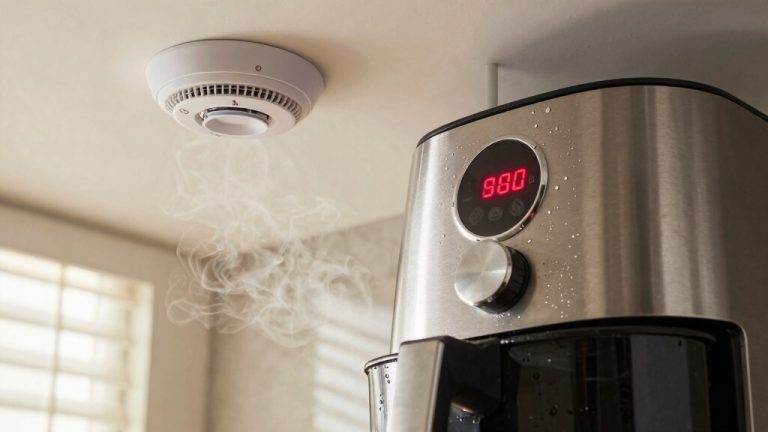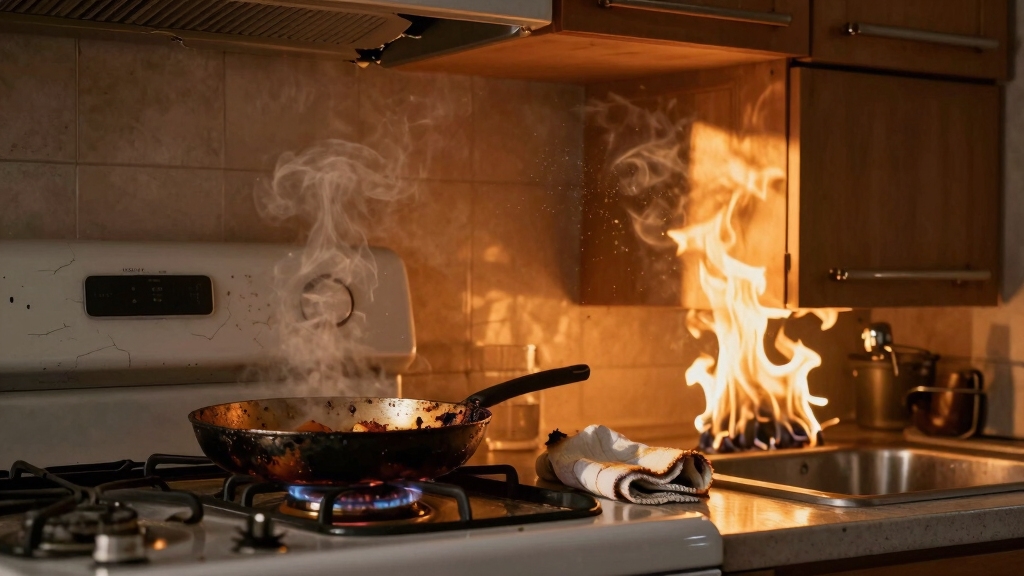

House fires often start because you leave stoves or ovens unattended, especially in the kitchen where nearly half of fires begin.
Heating equipment can malfunction or overheat without proper maintenance. Electrical issues like faulty wiring or overloaded circuits also cause fires.
Careless use of candles, smoking materials, or open flames adds risk, particularly in bedrooms and living rooms where fires become more deadly.
Understanding these causes can help you recognize critical safety measures to protect your home.
Key Takeaways
- Most house fires start from unattended cooking due to overheating oils or forgotten food on stoves and ovens.
- Heating equipment malfunctions and poor maintenance cause fires, especially from dust buildup and improperly placed space heaters.
- Electrical issues like wiring faults, overloaded circuits, and faulty appliances trigger nearly 8% of residential fires.
- Open flames from candles, smoking materials, and lighters cause fires, often due to neglect or improper use.
- Bedrooms and living rooms have high fire fatalities due to delayed detection and occupant vulnerability during sleep.
How Cooking Habits Cause Residential Fires?
Cooking habits frequently play a critical role in the onset of residential fires, with unattended stoves and ovens being the most common culprits.
When you leave cooking equipment unattended, the risk of ignition rises sharply. Nearly half of all residential fires start in kitchens, where distractions or neglect often lead to combustible materials catching fire.
You should recognize that cooking fires account for almost half of all house fires. This underscores how critical it’s to remain vigilant while cooking.
By actively monitoring your stove and oven, you reduce the likelihood of flare-ups from overheating oils or forgotten food.
Understanding these statistics helps you appreciate that simple inattention can quickly escalate to dangerous fires. This emphasizes the need for constant supervision and safety precautions during cooking.
Removing any one element of the fire triangle—heat, oxygen, or fuel—can effectively stop a fire from spreading.
How Heating Equipment Sparks Home Fires?
Heating equipment often triggers residential fires by malfunctioning or lacking proper maintenance, making it the second leading cause of such incidents.
Heating equipment is the second leading cause of residential fires due to malfunctions and poor maintenance.
When you overlook furnace servicing or neglect cleaning, dust and debris buildup can ignite, increasing fire risk.
Portable space heaters, though responsible for only 3% of heating fires, account for 41% of fatal heating fires. This highlights the dangers of improper placement or usage near combustible materials.
Additionally, faulty components or blocked vents in heating systems can cause overheating and sparks.
You must guarantee regular inspections, clean filters, and safe operation to reduce these hazards.
Understanding these factors allows you to prevent heating equipment from becoming a fire source, safeguarding your home and family effectively.
Power interruptions or surges can trigger compressor protection delay, which, if not properly managed, may lead to overheating and increased fire risk.
Common Electrical Problems That Cause Fires
Electrical malfunctions frequently ignite residential fires, accounting for nearly 8% of all incidents in homes. You should be aware that wiring issues, overloaded circuits, and faulty appliances are common culprits.
These hazards often stem from outdated or improperly installed electrical systems, increasing your fire risk. Brief blue sparks when plugging in devices are usually normal micro-arcs, but prolonged or intense sparking can indicate serious electrical faults requiring immediate attention.
| Cause | Description | Impact |
|---|---|---|
| Faulty Wiring | Deteriorated or damaged wires | Sparks and shorts |
| Overloaded Circuits | Excess devices on one outlet | Excess heat, potential ignition |
| Faulty Appliances | Malfunctioning electrical parts | Electrical shorts or fires |
| Space Heater Overload | Excessive current draw | Frequent electrical fires |
Understanding these problems helps you take preventive action and reduce fire hazards effectively.
How Open Flames and Smoking Start Fires?
Open flames and smoking materials frequently ignite residential fires by providing an easily combustible heat source.
You should know that smoking-related fires account for about 5% of home fires but represent a leading cause of fire fatalities.
Candles, matches, and lighters cause approximately 7% of residential fires, often due to improper use or neglect.
When you use open flames, such as candles or lighters, it’s vital to keep them away from flammable materials and never leave them unattended.
Smoking indoors increases fire risk, especially if ashes are improperly discarded.
Electronic cigarette batteries have also caused fires, though these incidents remain uncommon.
Understanding these risks helps you take preventative actions to reduce the likelihood of fire caused by open flames and smoking materials in your home.
Additionally, maintaining appliances like electric dryers by regularly cleaning lint traps and vents is crucial to prevent dryer fires that could indirectly lead to house fires.
Top Home Areas Where Fires Are Most Deadly
While open flames and smoking materials contribute markedly to fire risk, it’s important to recognize which areas of your home pose the greatest danger when a fire breaks out.
Recognizing the most hazardous areas in your home is key to fire safety.
Bedrooms and living rooms, despite accounting for fewer total fires, result in disproportionately high fatalities—25% each—due to factors like delayed detection and occupant vulnerability during sleep.
Kitchens, where 40% of fires start, cause 16% of fire deaths, often linked to unattended cooking. Heating equipment and fireplaces also present hazards, especially when maintenance lapses.
Understanding these high-risk zones lets you prioritize safety measures, such as installing smoke alarms strategically and maintaining equipment properly.
Your awareness and vigilance in these areas are essential to minimizing fire fatalities in your home.
For optimal protection, install smoke detectors inside bedrooms and on every level of your home to ensure early fire detection.
Frequently Asked Questions
What Safety Measures Reduce Fire Risks From Clothes Dryers?
To reduce fire risks from clothes dryers, you should clean the lint filter before every load, as lint buildup is highly flammable.
Regularly inspect and clean the dryer vent and ductwork to prevent blockages. Avoid overloading the dryer and never leave it running unattended.
Make sure the dryer is properly installed with adequate ventilation and maintain it according to manufacturer guidelines. These steps greatly lower your chances of a dryer-related fire.
Why Do Thanksgiving Fires Spike Compared to Other Days?
Thanksgiving fires spike because you’re cooking more extensively and often multitasking, which increases the risk of unattended stoves or ovens.
The holiday involves complex meal preparations, sometimes with unfamiliar equipment or distractions, leading to careless ignition.
Additionally, more people gather, raising the likelihood of accidental fires. You should stay vigilant, monitor cooking closely, and minimize distractions to reduce fire risks during this high-risk period.
How Do Electronic Cigarette Batteries Cause Fires?
You might think electronic cigarette batteries could explode like fireworks, but the reality’s more subtle yet dangerous.
These batteries can short-circuit or overheat due to manufacturing defects, improper charging, or physical damage.
When that happens, thermal runaway causes rapid temperature spikes, igniting nearby materials.
Though uncommon, such incidents pose serious fire risks in homes, demanding cautious use, quality chargers, and avoiding battery damage to keep you safe.
What Maintenance Prevents Fireplace-Related Fires?
You can prevent fireplace-related fires by regularly cleaning chimneys to remove creosote buildup, a highly flammable substance.
Schedule professional inspections and maintenance at least once a year to identify cracks, blockages, or structural damage.
Ensure proper ventilation and never leave fires unattended.
Maintaining fireplace components and using seasoned wood also reduce fire risks.
Consistent upkeep minimizes hazards linked to unattended fires, improper maintenance, and uncleaned chimneys.
How Can Careless Fire Ignition Be Minimized at Home?
To minimize careless fire ignition at home, you’ve got to build a fortress of vigilance. Always keep flammable items away from heat sources, never leave appliances running unattended, and guarantee your clothes dryer lint trap is clean.
Establish strict no-smoking zones indoors and use candles cautiously. Regularly educate everyone on fire safety protocols. This detailed, proactive approach reduces the 42% rise in accidental fires by turning carelessness into controlled caution.
Stay Alert, Stay Safe: Protecting Your Home from Fire Risks
You might think house fires are a problem of the past, like a telegram in the age of smartphones, but they remain a pressing danger today.
By understanding how cooking habits, heating equipment, electrical issues, and open flames contribute to fires, you can take precise steps to reduce risks.
Focus on the most vulnerable areas in your home and stay vigilant. Preventing fires requires careful attention to detail and proactive safety measures.