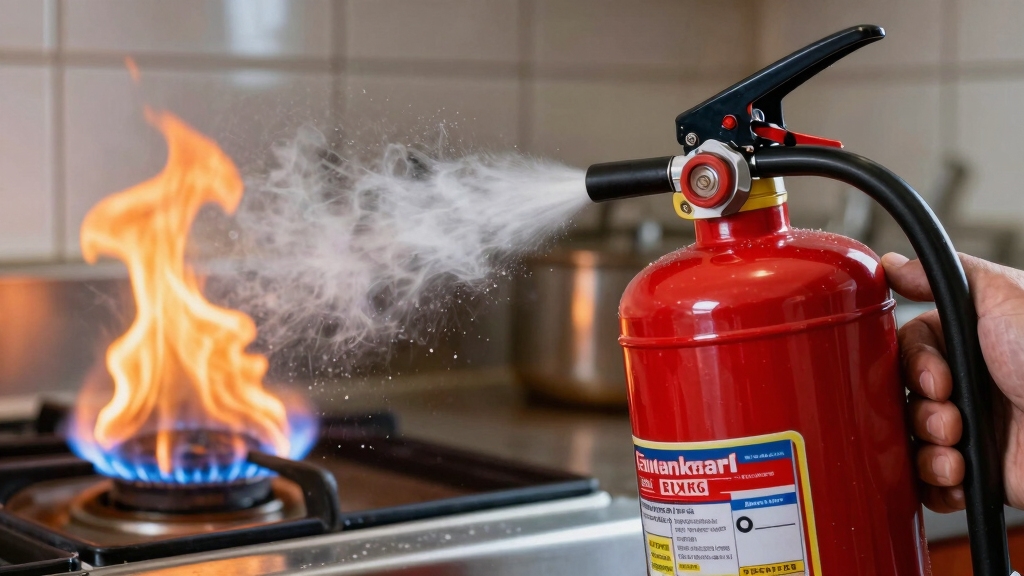

You stop a fire with a portable extinguisher by disrupting the fire triangle. This involves removing oxygen, cooling heat, or interrupting the chemical reaction.
Different agents target these elements: carbon dioxide displaces oxygen, water mist absorbs heat, and dry chemicals interrupt combustion.
Using the PASS method, you aim at the fire’s base, discharge the agent, and sweep until it’s out. This method works best on small, contained fires.
Understanding extinguisher types, safety, and after-use steps will ensure you handle fires effectively.
Key Takeaways
- Extinguishers remove oxygen to suffocate the fire, like carbon dioxide displacing oxygen.
- They absorb heat through rapid cooling, such as water mist lowering fire temperature.
- Some agents interrupt the chemical reaction sustaining combustion, like dry chemical or clean agents.
- Different extinguisher types target specific fire triangle elements: fuel, oxygen, or heat.
- Disrupting one or more elements stops fire propagation in its early, incipient stage.
How Fire Extinguishers Target the Fire Triangle?
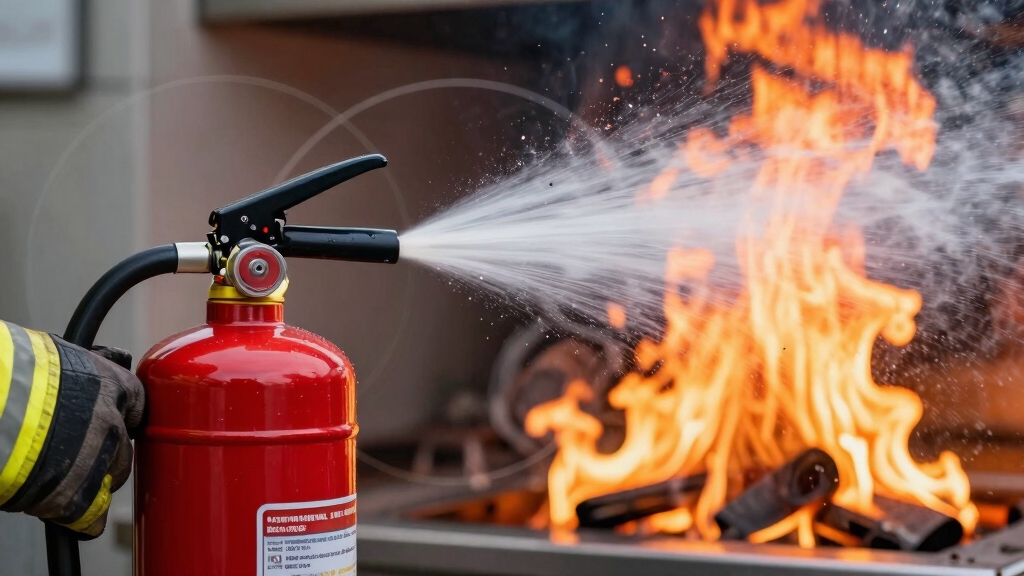
Although fires require fuel, oxygen, and heat to sustain themselves, portable fire extinguishers work by disrupting one or more of these essential elements in the fire triangle.
You’ll find that extinguishers are engineered to remove oxygen, absorb heat, or interrupt the chemical reaction maintaining the fire.
For example, carbon dioxide extinguishers displace oxygen and lower temperature with a cold discharge, effectively suffocating the fire.
Water mist extinguishers primarily remove heat through rapid cooling.
Each agent targets a critical point in the fire triangle, breaking the cycle that feeds combustion.
Understanding this mechanism helps you select the correct extinguisher and apply it effectively.
This precise disruption stops the fire’s propagation, allowing you to control incipient stage fires safely and efficiently.
Fire Extinguisher Types and How They Work
Building on how extinguishers target the fire triangle, understanding the specific types of portable fire extinguishers and their mechanisms is key to selecting the right tool for the job.
You’ll encounter dry chemical, dry powder, carbon dioxide, halogenated, and clean agent extinguishers. Each disrupts fire’s heat, fuel, or chemical reaction differently.
| Extinguisher Type | Mechanism of Action |
|---|---|
| Dry Chemical | Interrupts chemical reaction |
| Carbon Dioxide (CO2) | Removes oxygen and cools fire |
| Dry Powder | Separates fuel from oxygen or removes heat |
| Clean Agent | Interrupts chemical reaction without residue |
Knowing these differences helps you choose the extinguisher suited to the fire class and environment you face.
The PASS Method: Step-by-Step Fire Extinguisher Use
When you face a small, controllable fire, following the PASS method guarantees you operate a portable extinguisher effectively and safely.
This method provides clear, sequential actions to maximize extinguisher performance while minimizing risk.
Start by pulling the safety pin to release the handle.
Next, aim the nozzle at the fire’s base, where fuel feeds the flames.
Then, squeeze the handle to discharge the extinguishing agent.
Finally, sweep the nozzle side-to-side across the base until the fire is fully out.
Remember these key steps:
- Pull the pin to enable agent release
- Aim low at the fire’s base, not the flames
- Squeeze handle firmly for consistent discharge
- Sweep nozzle side-to-side to cover the fuel source
- Maintain a 6-8 foot distance during use for safety and effectiveness
Always position yourself with a clear exit behind you to ensure a safe escape route if needed.
When to Use a Fire Extinguisher and How to Stay Safe?
Before using a fire extinguisher, you must confirm the fire is small, contained, and safely controllable. Assess the fire size and type. If it spreads rapidly or endangers evacuation, evacuate immediately.
Always maintain a safe distance of 6-8 feet during use. Make certain your exit path remains unobstructed.
| Condition | Action | Safety Tip |
|---|---|---|
| Small, incipient fire | Use extinguisher immediately | Keep exit path clear |
| Large or spreading fire | Evacuate | Call emergency services |
| Unknown fuel type | Avoid extinguishing | Prevent inhalation of fumes |
| Obstructed exit | Do not attempt to fight fire | Prioritize personal safety |
Confirming these conditions ensures your safety and effective fire control. Remember to position yourself with a clear exit behind you to assure a quick escape while using the extinguisher.
Extinguisher Duration and What to Do After Use
Although portable fire extinguishers deliver their extinguishing agent quickly, you need to be aware that most discharge lasts about 10 seconds. Smaller models provide as little as 6 seconds, while larger ones can last up to 35 seconds.
This limited duration means you must act decisively and efficiently when using an extinguisher. After use, never assume the fire is fully out.
Here’s what you should do after discharging an extinguisher:
- Monitor the area for any signs of re-ignition.
- Don’t turn your back on the fire immediately.
- Alert emergency services regardless of fire status.
- Replace or recharge the extinguisher promptly.
- Document the incident and report it to safety personnel.
Following these steps guarantees continued safety and preparedness. Be aware that shooting or damaging an extinguisher compromises its pressure integrity and renders it unsafe for future use.
Frequently Asked Questions
How Often Should Portable Fire Extinguishers Be Inspected?
You should inspect portable fire extinguishers monthly to make certain they’re fully charged, accessible, and undamaged.
Check the pressure gauge, nozzle, and pull pin for proper condition.
Perform a thorough annual maintenance check by a certified technician, verifying internal components and functionality.
Regular inspection ensures reliability during emergencies and compliance with safety regulations.
Don’t forget to document each inspection to maintain proper records and address any identified issues promptly.
Can Expired Fire Extinguishers Still Be Used Safely?
Using an expired fire extinguisher is like relying on a cracked shield in battle. It’s risky and unreliable.
You shouldn’t use an expired extinguisher because its pressure, chemical agent effectiveness, or mechanical parts may have degraded. This compromises its ability to extinguish fires safely and efficiently.
Always check the inspection tag and replace or service expired units to guarantee peak performance during an emergency. Safety depends on up-to-date, properly functioning equipment.
What Are the Environmental Impacts of Different Extinguisher Agents?
You should know that dry chemical agents can leave harmful residues. This requires cleanup and potentially affects soil and water.
Carbon dioxide extinguishers release gas with minimal residue but contribute to greenhouse gases.
Halogenated and clean agents are less damaging to the ozone but may have global warming potential.
Water mist is environmentally friendly, using only water, but may cause water damage.
Choose agents considering both effectiveness and environmental impact.
How Do I Dispose of a Used or Damaged Fire Extinguisher?
You should never throw a used or damaged fire extinguisher in the trash.
First, fully discharge any remaining agent outdoors or at a designated disposal site.
Then, contact your local fire department or hazardous waste disposal center for specific instructions.
Many areas require extinguishers be taken to recycling facilities or hazardous waste collection events to handle pressurized containers and chemicals safely.
Follow all local regulations to guarantee proper, environmentally safe disposal.
Are There Special Extinguishers for Electrical Fires in Homes?
When electrical fires strike, you need the right tool in your arsenal. Yes, special extinguishers exist for home electrical fires: Class C extinguishers.
These typically use dry chemical agents or clean agents that interrupt the fire’s chemical reaction without conducting electricity.
Using water-based types risks shock hazards. So, always choose an extinguisher labeled for Class C fires to safely tackle electrical flames and protect your home effectively.
Your Fire Response Matters: Use Extinguishers Right
Now that you know how portable fire extinguishers disrupt the fire triangle, you can act confidently in emergencies. For example, a small kitchen fire can be quickly controlled using a Class K extinguisher, cutting off fuel and heat.
Remember to follow the PASS method and assess your safety first. Proper use not only stops fires effectively but also minimizes damage and injury, making your preparedness essential for quick, technical fire response.