
You should replace your carbon monoxide detector every 5 to 7 years, though some advanced models like Kidde’s post-2013 units last up to 10 years.
Lifespan depends on sensor technology, brand, and battery type. Sealed lithium batteries can extend life, while alkaline requires more frequent changes.
Environmental factors like humidity and dust also affect durability. Watch for end-of-life alerts like beeping or error messages and test monthly.
Understanding maintenance and replacement timing guarantees your safety and reliable detection.
Key Takeaways
- Most carbon monoxide detectors last between 5 to 7 years before sensor accuracy declines.
- Kidde detectors made after 2013 can last up to 10 years, while older models last about 7 years.
- First Alert detectors typically require replacement within 5 to 7 years of installation.
- Replace detectors immediately if they show end-of-life signals like beeping every 30 seconds or error messages.
- Regular monthly testing and battery replacement help maintain detector reliability throughout its lifespan.
How Long Do Carbon Monoxide Detectors Typically Last?
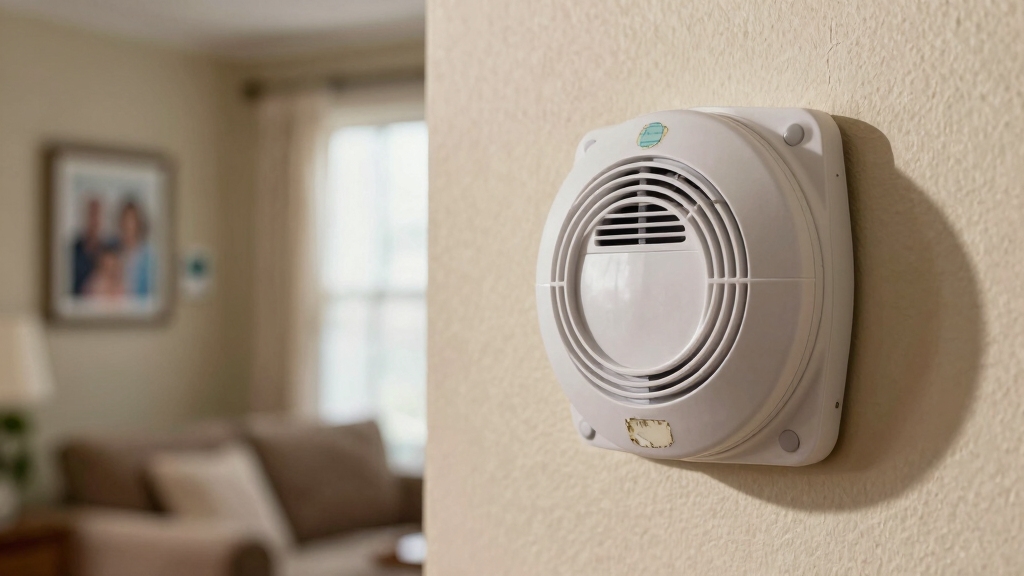
Although carbon monoxide detectors are essential for safety, they don’t last forever; most models have a typical lifespan of five to seven years.
Some advanced models, like Kidde alarms manufactured after 2013, extend up to 10 years, while older Kidde units last around seven years.
First Alert detectors typically require replacement within five to seven years.
The sensor degrades over time, reducing detection accuracy.
Environmental factors such as humidity, temperature changes, dust, and debris accelerate this wear.
Battery type and exposure to elements also influence lifespan, varying by manufacturer and model.
You need to understand these variables because they directly impact your detector’s reliability.
Monitoring your specific model’s expected durability guarantees you maintain effective protection against carbon monoxide exposure throughout the detector’s operational life.
For optimal safety, it is important to replace detectors at end of life as recommended by manufacturers to ensure continued reliable operation.
How Often Should You Replace Carbon Monoxide Alarms?
Understanding the typical lifespan of your carbon monoxide detector sets the stage for knowing exactly when to replace it. Most alarms last between five and seven years, with some models reaching up to ten.
Knowing your carbon monoxide detector’s lifespan helps determine the ideal time for replacement.
To maintain safety, replace your unit based on these key points:
- Replace every 5 to 7 years, even if it still seems functional.
- Watch for end-of-life signals like beeping every 30 seconds or error messages.
- Conduct monthly tests and replace batteries regularly to guarantee accuracy.
- If the alarm fails a test or shows signs of malfunction, replace it immediately.
Following this schedule and monitoring warnings guarantees your detector remains reliable, protecting you from undetectable carbon monoxide hazards. Additionally, replacing batteries every six months or using sealed 10-year lithium batteries can help reduce frequent replacements and maintain consistent alarm performance.
Why Does Lifespan Vary Between Different Brands?
You might’ve noticed that the lifespan of different brands can really vary, right? Well, that mainly comes down to the design choices and the sensor technologies they use.
Some manufacturers go the extra mile by incorporating more durable sensors and advanced components that are better at resisting wear from the environment. It’s pretty fascinating when you dig into those technical differences because they really help explain why some models stand the test of time much better than others.
Additionally, environmental factors such as humidity and steam can affect detector accuracy and longevity, influencing how long a carbon monoxide detector remains reliable.
Manufacturer Design Differences
Since carbon monoxide detectors rely on different sensor technologies and manufacturing standards, their lifespan can vary markedly between brands.
You’ll notice these key design factors influence how long your detector remains reliable:
1. Quality of internal components: Higher-grade parts resist wear and environmental damage better.
2. Battery type and integration: Lithium batteries extend life. Replaceable batteries may reduce longevity if neglected.
3. Calibration and self-testing features: Advanced self-diagnostics help maintain accuracy and alert you to sensor degradation.
4. Housing and sealing: Well-sealed units prevent dust and moisture intrusion, preserving sensor function longer.
Regular maintenance and monthly testing also play a crucial role in ensuring your detector’s sensor sensitivity remains effective throughout its lifespan.
Understanding these differences helps you choose a detector that fits your safety needs and replacement schedule precisely.
Sensor Technology Variations
Beyond manufacturing quality and design features, the type of sensor technology plays a major role in how long a carbon monoxide detector remains effective.
Different brands use varied sensor mechanisms. Electrochemical sensors dominate due to accuracy and stability, but their degradation rates differ based on materials and construction.
For example, some sensors incorporate advanced catalysts that slow wear, extending lifespan to 10 years. Others employ simpler designs that degrade within five to seven years.
Environmental resilience built into sensor technology also varies. Some are better sealed against humidity and dust, preserving sensitivity longer.
When you choose a detector, consider these sensor differences as they directly impact reliability and replacement intervals. Understanding sensor technology helps you select a detector aligned with your maintenance capabilities and safety expectations.
It is important to note that carbon monoxide detectors use electrochemical sensors specifically calibrated for CO detection and will not detect other gases such as natural gas.
How Do Environmental Factors Affect Detector Longevity?
Understanding how environmental factors affect your carbon monoxide detector’s longevity is crucial for ensuring its reliable performance.
Recognizing environmental impacts on your carbon monoxide detector is key to maintaining its dependable functionality.
Several external conditions directly impact sensor durability and overall device function. You need to monitor these to maximize your detector’s lifespan:
- Humidity levels: Excess moisture accelerates sensor wear, leading to reduced sensitivity.
- Temperature fluctuations: Extreme heat or cold stresses internal components, degrading accuracy.
- Dust and debris accumulation: Particles clog sensors, causing false readings or failure.
- Battery type and exposure: Low-quality batteries or corrosion from environmental exposure shorten operational life.
Additionally, maintaining a reliable battery backup is essential to keep your detector operational during power outages and extend its effective service life.
What Are the Signs Your CO Detector Needs Replacing?
Although carbon monoxide detectors are designed for long-term reliability, you need to recognize specific signs indicating they require replacement to maintain safety.
First, if your detector fails to sound during a monthly test, it’s a clear indicator it’s no longer dependable.
Pay attention to error messages or malfunction alerts, which suggest internal sensor failure.
Constant chirping or false alarms, even after replacing batteries, also signal sensor degradation.
Visually inspect your unit; a yellowed or discolored casing points to aging electronics.
Keep in mind that detectors older than seven years should be replaced regardless of performance, as sensor effectiveness diminishes over time.
Regular testing and maintenance of CO detectors enhance their reliability and help prevent exposure to dangerous levels of carbon monoxide, a colorless and odorless gas that can accumulate indoors unnoticed.
Responding promptly to these indicators guarantees your detector reliably safeguards against carbon monoxide exposure.
What Do End-of-Life Warnings on CO Detectors Mean?
You might notice end-of-life warnings from your CO detectors in a few different ways.
For instance, if you hear beeping every 30 seconds, see error messages like ERR or END, or experience intermittent chirping that doesn’t stop even after replacing the battery, it’s time to pay attention.
These signals are your detector’s way of saying that its sensor is no longer reliable.
So, what does that mean for you? It means you need to replace the unit as soon as possible to ensure you’re still protected.
Don’t wait around—when you see those warnings, take action right away!
Remember to install UL-certified carbon monoxide detectors on every level of your home to ensure comprehensive safety coverage.
Identifying End-of-Life Signals
When your carbon monoxide detector starts beeping every 30 seconds or displays messages like ERR or END, it’s signaling that the unit has reached the end of its effective lifespan.
These alerts are critical to recognize, as they indicate your detector no longer reliably senses CO levels. You need to replace it immediately to maintain safety.
Watch for these key signals:
- Consistent beeping every 30 seconds despite fresh batteries.
- Error codes such as ERR or END on the display.
- Intermittent alerts or flashing lights without CO presence.
- Failure to activate during monthly testing.
Ignoring these signs risks undetected CO exposure. Stay vigilant and replace your detector promptly. Additionally, maintaining your detector with regular testing helps ensure early detection of power degradation and reliable operation.
Common Warning Indicators
Recognizing common warning indicators on your carbon monoxide detector helps you understand exactly what the device communicates about its status.
Typically, end-of-life warnings manifest as a beep every 30 seconds or an intermittent chirping that won’t stop even after replacing batteries.
Some models display error codes like ERR or END, signaling sensor failure or expiration.
You might notice flashing lights or unusual sounds without any detected carbon monoxide presence.
These indicators point to sensor degradation or malfunction, a clear sign your detector’s effectiveness has diminished.
Since sensors wear down and environmental factors accelerate this, these warnings guarantee you don’t rely on an outdated device.
Pay close attention, as ignoring these signals compromises your safety and indicates it’s time for replacement.
For continuous safety, consider installing electronic detection devices that provide real-time monitoring and alert you promptly to hazardous gas levels.
Actions Upon Warning Alerts
Although end-of-life warnings on your carbon monoxide detector may seem occasional or minor, they demand immediate attention to maintain your home’s safety.
These alerts indicate the sensor’s effectiveness is compromised due to aging or environmental wear. Ignoring them risks undetected CO exposure.
When you receive such warnings, you should:
- Replace the detector immediately, as it can no longer reliably detect carbon monoxide.
- Avoid relying solely on battery replacement, since chirping often signals sensor failure.
- Test the new unit after installation to confirm proper operation.
- Maintain regular testing and cleaning to extend the lifespan of your new detector.
Prompt action upon warnings guarantees continuous protection against this silent, deadly hazard. Don’t delay; your safety depends on it.
How Does Battery Type Influence Carbon Monoxide Detector Lifespan?
Battery type markedly impacts the lifespan of your carbon monoxide detector by influencing both its operational duration and sensor reliability.
Alarms powered by lithium batteries typically last longer, up to ten years, because lithium cells maintain a steady voltage and resist environmental degradation better than alkaline batteries.
Alkaline batteries, while cheaper, require frequent replacement and can cause intermittent power drops. This may trigger false low-battery warnings or sensor malfunctions.
Rechargeable batteries may reduce detector lifespan if their voltage output fluctuates or if they fail to hold charge over time.
Hard-wired detectors often have backup lithium batteries to maintain continuous operation during outages, preserving sensor function.
Choosing the right battery type guarantees consistent power, reducing wear on the sensor and extending your detector’s effective life within manufacturer guidelines.
Maintenance Tips to Extend Your Carbon Monoxide Detector’s Life
Regularly testing and cleaning your carbon monoxide detector are essential steps to maintain its reliability and extend its lifespan.
Neglecting maintenance can lead to sensor degradation and false alarms, putting your safety at risk.
Ignoring upkeep risks sensor damage and false alarms, compromising your safety.
To maximize your detector’s effective life, focus on these key actions:
- Test your detector monthly to confirm the sensor and alarm function correctly.
- Replace batteries every six months or as recommended, preventing power failures.
- Clean the detector regularly to remove dust and debris that could impair sensor accuracy.
- Vacuum the interior gently during battery changes to avoid dust buildup inside the unit.
How to Test and Clean Your Carbon Monoxide Detector Properly?
It’s super important to test your carbon monoxide detector every month. Just press that test button to ensure it’s working properly. You definitely want to know it’s doing its job, right?
And hey, don’t forget about the batteries! It’s a good idea to replace them every six months or whenever daylight saving time rolls around. That way, you can keep the power consistent and avoid any surprises.
While you’re at it, make sure to clean off any dust and debris from the unit. This is especially important when you change the batteries. A little bit of maintenance can really help prevent sensor interference and extend the life of your detector. It’s an easy way to stay safe!
Monthly Testing Routine
Consistently testing your carbon monoxide detector each month guarantees it operates effectively when you need it most. To assure accuracy and reliability, follow this precise routine:
- Press and hold the test button until the alarm sounds, verifying the sensor and circuitry function correctly.
- Inspect the detector for dust or debris; gently vacuum or wipe it clean without using liquids.
- Check the display or indicator lights for error messages or unusual signals that may suggest malfunction.
- Confirm the detector responds promptly to the test; any delay or failure means immediate replacement is necessary.
Battery Replacement Schedule
Frequently replacing the batteries in your carbon monoxide detector is essential to maintain its reliability and guarantee accurate detection.
You should replace batteries every six months or at daylight saving changes to avoid power interruptions.
Some models require annual battery changes, so always follow your manufacturer’s instructions.
When replacing batteries, use the recommended type, either alkaline or lithium, to assure peak performance and lifespan.
After installing fresh batteries, test the unit immediately by pressing the test button to confirm proper function.
If the detector chirps persist despite new batteries, this signals sensor degradation or malfunction, and the entire unit may need replacing.
Regular battery maintenance is critical since a failing battery can cause intermittent alerts or failure to detect dangerous CO levels, putting safety at risk.
Cleaning Dust and Debris
When maintaining your carbon monoxide detector, cleaning dust and debris is essential to preserve sensor accuracy and overall functionality. Dust buildup can obstruct the sensor, causing false alarms or failure to detect CO.
Follow these steps for effective cleaning:
- Power down the unit by removing batteries or unplugging it to guarantee safety.
- Use a soft brush or vacuum with a brush attachment to gently remove dust from vents and surfaces.
- Avoid using water or cleaning solvents that could damage internal components.
- After cleaning, reinstall batteries and test the alarm by pressing the test button to confirm proper operation.
Regular cleaning minimizes sensor wear caused by environmental factors and extends your detector’s reliable lifespan. Neglecting this can compromise your safety by reducing detection sensitivity.
What to Do When Your Carbon Monoxide Detector Reaches Expiry
Although your carbon monoxide detector may still appear functional, you should replace it promptly once it reaches its expiry date to guarantee reliable protection. The sensor’s efficiency diminishes over time, and environmental factors accelerate wear.
Ignoring replacement risks false negatives or failure during emergencies. Follow this clear replacement guide:
| Detector Type | Lifespan Range | Replacement Recommendation |
|---|---|---|
| Kidde (post-2013) | 10 years | Replace at 10 years |
| First Alert | 5-7 years | Replace between 5-7 years |
| Pre-2013 Kidde | 7 years | Replace at 7 years |
| Lithium/Hardwired | Up to 10 years | Replace entire unit at 10 |
| General CO Alarms | 5-7 years | Replace every 5 years |
Test monthly, heed end-of-life warnings, and discard expired units immediately to maintain peak safety.
Frequently Asked Questions
Can Carbon Monoxide Detectors Detect Other Gases Besides CO?
Imagine a smoke detector’s sharp beep slicing through silence. It’s designed specifically for smoke, not other gases.
Similarly, carbon monoxide detectors focus solely on CO. They don’t detect gases like natural gas or propane.
You’ll need specialized sensors for other gases, as CO detectors use electrochemical sensors tailored to carbon monoxide’s unique chemical signature.
Relying on a CO detector for other gases risks missing dangerous leaks. Always use the correct device for each hazard.
Are There Carbon Monoxide Detectors Compatible With Smart Home Systems?
Yes, you can find carbon monoxide detectors that work with smart home systems. These smart CO alarms connect via Wi-Fi or Bluetooth, letting you monitor levels remotely through an app.
They often integrate with platforms like Alexa or Google Home, sending alerts to your phone or smart devices.
When choosing, make certain compatibility with your system and check for features like voice alerts and real-time notifications to enhance safety and convenience.
How Do Carbon Monoxide Detectors Differ From Smoke Alarms?
Carbon monoxide detectors differ distinctly from smoke alarms in detection design.
You’ll find CO detectors sense invisible, odorless gas, alerting you to toxic threats, while smoke alarms spot smoke particles signaling fire.
Their sensors specialize: CO detectors use electrochemical cells; smoke alarms rely on ionization or photoelectric sensors.
You must install both for safety since they safeguard against separate dangers: silent carbon monoxide versus visible, smoky fires, ensuring thorough household protection.
What Should I Do if My CO Detector Goes off Unexpectedly?
If your CO detector goes off unexpectedly, you should immediately leave your home and call emergency services from outside.
Don’t ignore the alarm or assume it’s a false alert; it signals dangerous carbon monoxide levels.
Once outside, ventilate your home by opening windows and doors if safe.
After professionals clear the area, check the detector for error codes or malfunctions.
Replace it if it’s old or faulty to guarantee reliable protection.
Can a Carbon Monoxide Detector Be Relocated to a Different Room?
You might think moving your carbon monoxide detector is simple, but it’s not always advisable. Yes, you can relocate it, but only after carefully considering the new location’s safety.
Avoid kitchens or bathrooms with high humidity, and keep it at breathing level, typically 5 feet above the floor. Make certain it’s near sleeping areas but away from drafts or vents.
Always follow the manufacturer’s guidelines to maintain reliable detection.
Keep Your Silent Guardian Strong: Replace Your CO Detector on Time
Think of your carbon monoxide detector as a silent guardian whose strength fades over time. You’ll want to replace it every 5 to 7 years, depending on brand and environment, to guarantee it remains reliable.
Regular testing, cleaning, and battery checks act like routine tune-ups, keeping it sharp. When signs of wear appear or it reaches expiry, don’t hesitate to replace it promptly.
Your safety depends on this vigilant sentinel’s unwavering alertness.