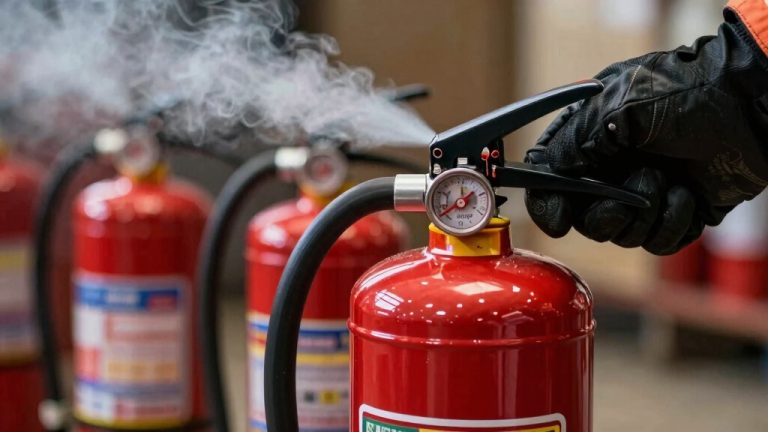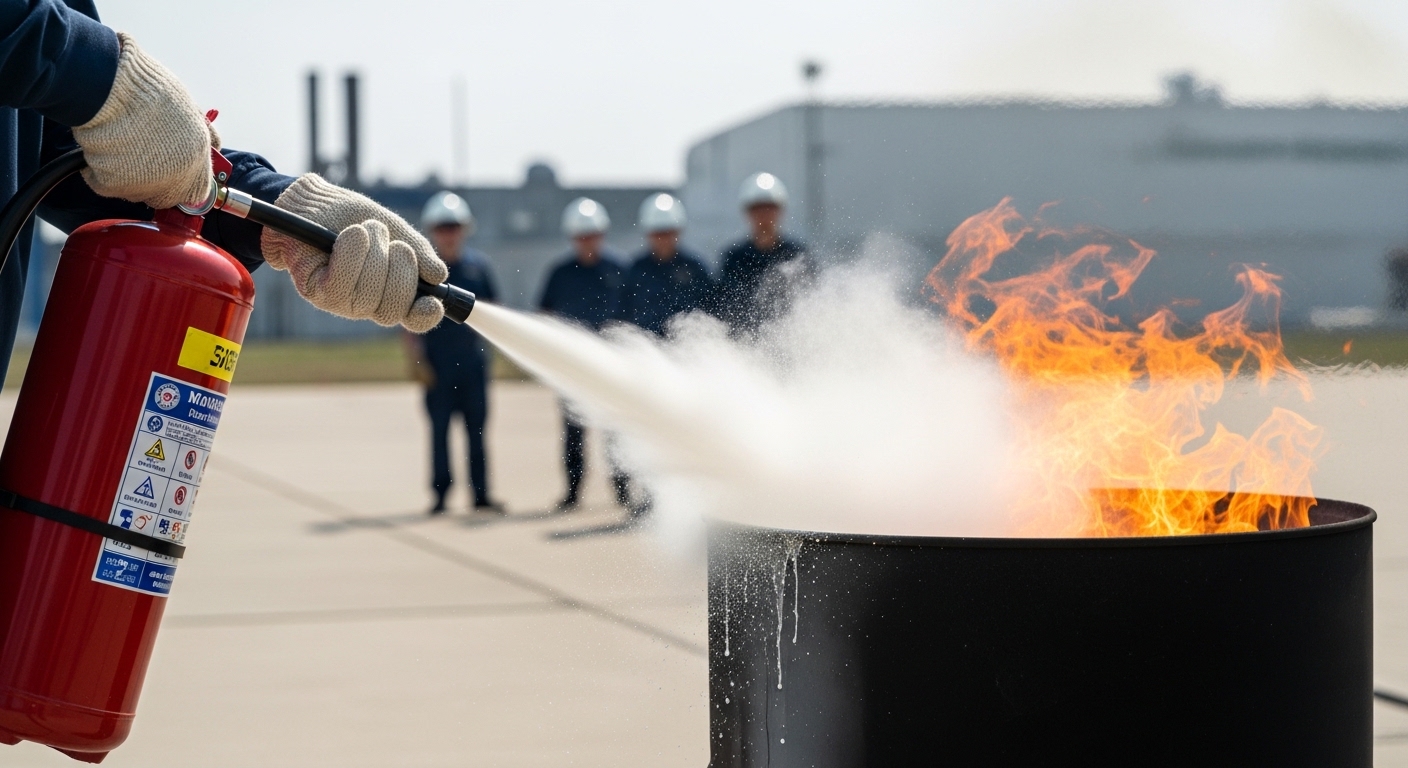

You need fire extinguisher training annually to stay competent and comply with OSHA standards. Initial training happens right when you’re hired or assigned extinguisher duties. Refresher sessions keep your skills sharp.
Each session includes hands-on practice to build muscle memory and confidence. If workplace hazards or regulations change, you may need extra training. Keeping to this schedule guarantees you’re ready for emergencies and meets legal requirements.
Exploring further will show why hands-on practice and maintenance matter.
Key Takeaways
- Initial fire extinguisher training is required immediately upon hiring or designation to use extinguishers.
- Annual refresher training is mandatory to maintain employee competence and preparedness.
- Hands-on practice must be included in every training session to build practical skills.
- Additional training is required if workplace hazards or regulations change.
- Regular training ensures compliance with OSHA standards and supports effective emergency response.
When Is Fire Extinguisher Training Required By OSHA?
OSHA requires fire extinguisher training whenever portable fire extinguishers are present in the workplace. You must provide this training immediately upon hiring or as soon as you designate employees to use firefighting equipment.
New hires should receive fire extinguisher instruction during their induction to guarantee readiness. The initial training covers essential topics such as when to use extinguishers, how to operate them, and the hazards involved in firefighting.
You’ll need to explain differences between extinguisher types so employees understand which to use in various fire scenarios. This foundational training guarantees employees can respond correctly and safely during emergencies, meeting OSHA’s regulatory standards.
Regular refresher training is also recommended to maintain ongoing vigilance and ensure skills remain sharp over time.
Who Needs Fire Extinguisher Training In The Workplace?
Although not every employee needs extensive fire extinguisher training, anyone designated to use firefighting equipment must receive thorough instruction to respond effectively in emergencies.
Designated employees must receive thorough fire extinguisher training for effective emergency response.
You must make certain that employees assigned this responsibility get all-inclusive training covering extinguisher types, operation, and hazard recognition.
This training should occur promptly upon assignment or hire if extinguishers are present.
While designated employees require hands-on practice and detailed knowledge, other staff need only basic fire safety awareness and evacuation procedures.
You should clearly communicate roles so non-designated employees understand they must evacuate immediately when alarms sound.
Making certain designated personnel meet OSHA’s training standards not only complies with regulations but also enhances workplace safety by preparing those responsible to act swiftly and confidently during fire incidents.
Regular inspection and maintenance of extinguishers is also essential to ensure their reliability when used.
How Often Should Fire Extinguisher Training Be Completed?
Regularly completing fire extinguisher training is essential to keep your skills sharp and ensure you’re prepared to respond effectively during emergencies.
OSHA mandates initial training upon employment or designation to use extinguishers, ensuring you understand proper use from the start. Afterward, you must complete refresher training annually to maintain competence and stay updated on safety standards.
Hands-on practice is also required to build confidence in real situations.
Here’s how often you should complete fire extinguisher training:
- Initial training upon hire or assignment
- Annual refresher training to reinforce knowledge
- Hands-on practice during each training session
- Additional training if regulations or workplace hazards change
Following this schedule keeps you compliant and ready to act safely.
What Topics Are Covered In Initial And Refresher Training?
In this training, you’ll get to know the basics of fire extinguishers—like when to use them and how to do it safely and effectively.
We’ll dive into the different types of extinguishers out there and discuss the specific hazards you might encounter in a fire situation. And don’t worry, it’s not just all theory!
You’ll get plenty of hands-on practice. This way, you can build the practical skills needed to respond quickly and safely when an emergency arises.
Additionally, understanding the pressure relief valves and their role in preventing explosive failures is an important safety aspect covered in the training.
Fire Extinguisher Basics
Initial and refresher fire extinguisher training consistently cover essential topics to equip you with the knowledge and skills needed for effective fire response. This training guarantees you know when and how to use extinguishers safely and confidently.
It also emphasizes hands-on practice, which is vital for proficiency. You’ll learn key principles that help you respond quickly and correctly in emergencies.
Here are the core topics covered:
- Proper operation techniques and safe handling
- Recognizing when to attempt extinguishing or evacuate
- Understanding extinguisher maintenance and inspection basics
- Hands-on training to build practical skills and confidence
Additionally, training often includes guidance on selecting the appropriate Class K extinguisher for grease fires and understanding the PASS method for safe use.
Types And Hazards
Because different fires require specific extinguishing methods, your training will cover the various types of fire extinguishers and the hazards involved in using them.
You’ll learn to identify classes of fires, such as A, B, C, D, and K, and which extinguisher suits each type. This knowledge is vital to avoid using the wrong extinguisher, which can worsen the fire or cause injury.
Training also addresses risks like electrical hazards and chemical reactions that you must recognize before attempting to extinguish a fire.
Both initial and annual refresher sessions emphasize understanding these distinctions to guarantee your safety and effective response.
Additionally, training will teach you the importance of using the correct Class K fire extinguisher for grease fires to ensure effective and safe extinguishment.
Practical Usage Skills
Consistently, fire extinguisher training programs focus on developing your practical skills to confidently and safely operate the equipment during an emergency.
Both initial and refresher training cover essential topics to guarantee you’re prepared and compliant with OSHA standards. You’ll learn:
- How to identify different types of extinguishers and their appropriate uses according to fire class.
- Step-by-step operational procedures, including the PASS technique (Pull, Aim, Squeeze, Sweep).
- Recognition of fire hazards and the proper timing to engage or evacuate.
- Hands-on practice to build muscle memory and response speed under controlled conditions.
This practical approach guarantees you maintain proficiency, respond effectively, and protect yourself and others in real fire scenarios.
Why Hands-On Fire Extinguisher Training Practice Matters?
Hey there! You really need hands-on fire extinguisher training to stay OSHA compliant and keep your skills sharp. Let’s be honest, watching videos or sitting through lectures just doesn’t cut it when it comes to learning how to handle a fire extinguisher.
When you actually practice those essential techniques, you’re way more likely to remember them. Training in a controlled and safe environment really prepares you to respond with confidence when a real emergency hits. It’s all about being ready when it matters most!
OSHA Compliance Requirements
Although general instruction provides foundational knowledge, OSHA mandates hands-on fire extinguisher training to guarantee designated employees can effectively operate the equipment during emergencies. You can’t rely on videos or theory alone; practical experience is essential.
OSHA’s standard 1910.157(g)(1) requires employers to provide this training promptly upon designation and annually thereafter. To stay compliant, you must:
- Make certain hands-on practice complements classroom instruction.
- Use safe, controlled settings like fire drills for training.
- Engage qualified professionals to deliver and supervise hands-on sessions.
- Maintain accurate records verifying training completion and frequency.
Following these steps ensures your team is prepared and your workplace meets OSHA standards. This helps avoid costly penalties while boosting safety readiness.
Understanding the fire triangle is crucial for trainees to select the correct extinguishing methods during hands-on practice.
Skill Retention Benefits
Regular hands-on fire extinguisher training markedly enhances employees’ ability to retain critical skills during emergencies.
When you actively practice using extinguishers, you build muscle memory and confidence, which are essential under stress.
This practical experience helps you respond quickly and correctly, reducing hesitation that could escalate a fire.
Without hands-on practice, theoretical knowledge fades, making it harder to perform effectively when it counts.
OSHA mandates such training to guarantee you’re not just familiar with procedures but proficient in execution.
By regularly engaging in hands-on drills, you maintain sharpness in handling equipment and understanding its operation.
This ongoing practice equips you to act decisively, protecting lives and property while complying with safety standards.
Regular drills also help identify hazards like blocked exits and equipment issues before emergencies occur.
Safe Practice Environments
When practicing fire extinguisher use, conducting training in safe, controlled environments is essential. This approach guarantees you can develop confidence and proficiency without real danger, aligning with OSHA’s hands-on training requirements.
Safe practice environments allow for realistic scenarios where you can learn proper techniques and extinguisher handling. Here’s why these environments matter:
- They provide a risk-free space to practice aiming, operation, and discharge.
- You gain experience managing different extinguisher types safely.
- Instructors can offer immediate feedback to correct improper techniques.
- You build muscle memory vital for quick, effective fire response.
How Professional Maintenance Supports Fire Extinguisher Training Compliance?
Because professional maintenance guarantees fire extinguishers remain fully operational, it directly supports your compliance with OSHA training requirements.
When your extinguishers are serviced annually by certified technicians, you ensure they function correctly during training and emergencies. This reliability helps you meet OSHA standards for both equipment readiness and employee training effectiveness.
| Maintenance Task | Frequency | Compliance Benefit |
|---|---|---|
| Visual Inspection | Monthly | Confirms extinguisher visibility |
| Pressure Check | Annually | Ensures operational readiness |
| Internal Examination | Every 6 years | Detects hidden damage |
| Hydrostatic Testing | Every 12 years | Verifies container integrity |
Professional maintenance enables accurate training, reinforcing your organization’s fire safety culture and regulatory adherence.
Frequently Asked Questions
Can Fire Extinguisher Training Be Conducted Online to Meet OSHA Standards?
No, you can’t rely solely on online fire extinguisher training to meet OSHA standards.
OSHA requires hands-on practice in addition to instructional content. This means you must participate in in-person training sessions where you actually handle the equipment.
Watching videos alone doesn’t fulfill compliance. To meet OSHA regulations, your employer must provide practical, supervised fire extinguisher training.
This training is often conducted by certified fire protection professionals, ensuring you’re proficient and confident in emergency use.
What Types of Fires Correspond to Different Extinguisher Classes?
Picture a grease fire roaring in your kitchen. That’s a Class K fire, best tackled with a Class K extinguisher.
Class A extinguishers handle ordinary combustibles like wood and paper. Class B targets flammable liquids like gasoline.
Electrical fires demand Class C extinguishers. For fires involving metals, you’ll need Class D.
Understanding these classes guarantees you pick the right extinguisher, acting quickly and safely when seconds count.
How Are Fire Extinguisher Training Records Maintained and Verified?
You must maintain fire extinguisher training records accurately and verify them regularly.
Keep detailed documentation of each employee’s initial and refresher training dates, topics covered, and hands-on practice sessions.
Use a centralized, secure system, either digital or physical, for easy access and audits.
Verify records during OSHA inspections or internal reviews to ensure compliance.
Proper recordkeeping demonstrates that you meet regulatory requirements and helps track training effectiveness and scheduling.
Are Non-Designated Employees Required to Know Fire Extinguisher Locations?
Yes, you’re required to know where fire extinguishers are located, even if you’re not designated to use them.
OSHA mandates that all employees be familiar with fire extinguishers’ locations so they can evacuate safely during emergencies.
While only designated employees get full training on extinguisher use, everyone else must quickly identify these tools to avoid hazards and guarantee a safe, orderly evacuation when a fire alarm sounds.
What Certifications Do Fire Extinguisher Service Technicians Need?
Think of a fire extinguisher technician as the guardian of safety’s shield. You need them to hold valid certifications that prove their expertise, renewed every three years.
These certifications confirm their skill in performing annual maintenance, pressure checks, mechanical inspections, and legal compliance. Without this professional validation, you risk incomplete service, jeopardizing safety.
Always make certain your technician carries up-to-date credentials to keep your fire extinguishers reliable and ready.
Equip Your Team for the Unexpected
You can’t afford to wait until a fire breaks out to realize the importance of extinguisher training. OSHA requires regular training to keep you and your team prepared.
By completing initial and refresher courses, including hands-on practice, you stay ready to act confidently in emergencies. Remember, “an ounce of prevention is worth a pound of cure.”
Stay compliant, stay safe, and make certain your fire extinguishers are professionally maintained for peak performance.