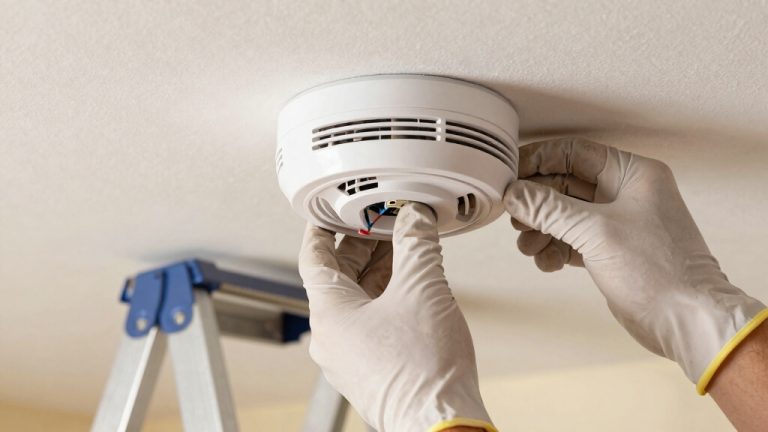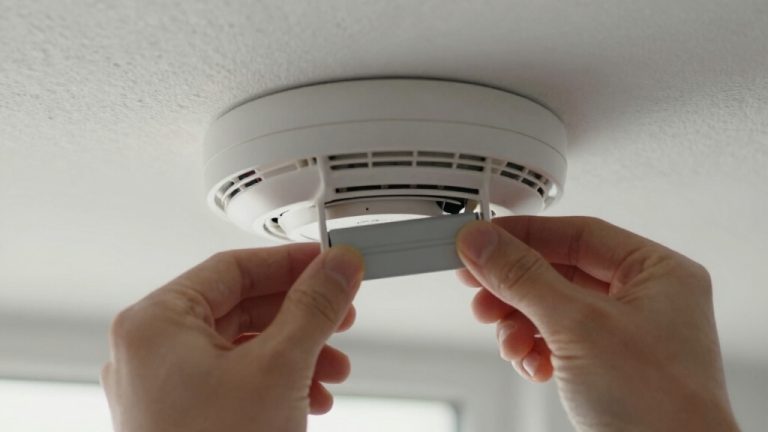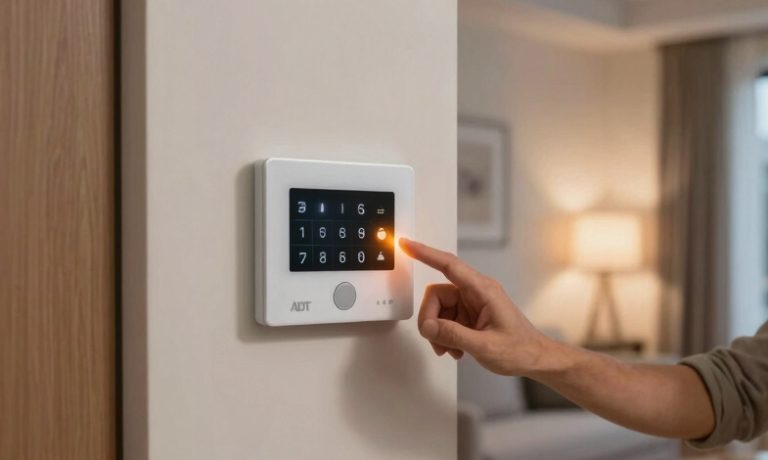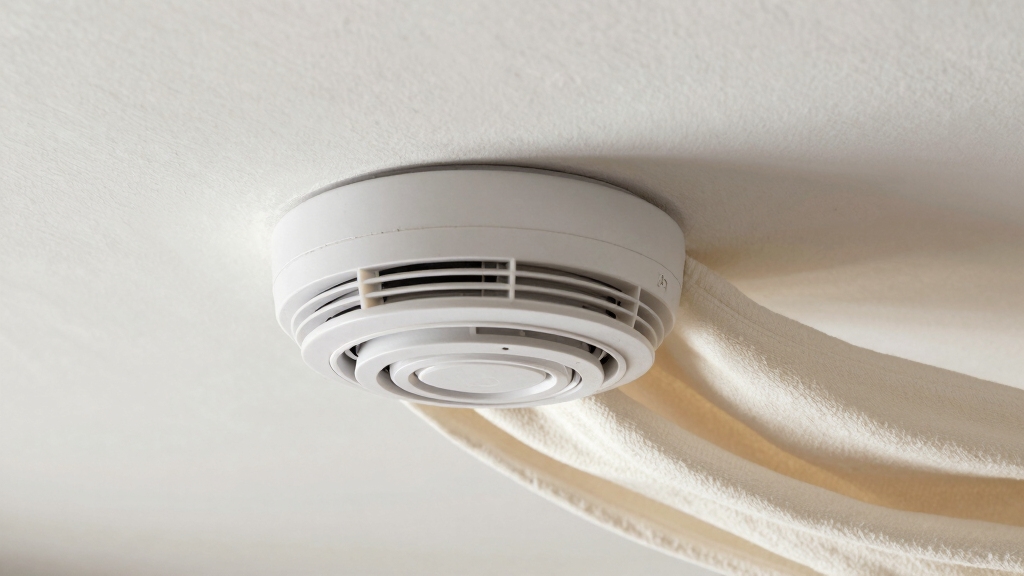

When you need to cover a smoke alarm temporarily, such as during painting or construction, use approved methods like plastic bags, shower caps, or painter’s tape.
These protect sensors from dust, paint, and steam that cause false alarms. Secure covers tightly without gaps and remove them promptly afterward to avoid leaving your home unprotected.
Avoid using opaque or homemade covers, and never leave them in place longer than necessary. To make certain you apply covers safely and correctly, keep exploring proper techniques and precautions.
Key Takeaways
- Temporarily cover smoke alarms during painting, construction, or steam-heavy tasks to prevent false alarms and sensor damage.
- Use plastic bags, shower caps, or painter’s tape depending on the activity duration and exposure level.
- Secure covers tightly with rubber bands or tape, ensuring no gaps or holes remain to maintain effective protection.
- Inspect covers for tears or holes before and during use to guarantee full sensor shielding.
- Remove the cover promptly after work finishes to restore normal alarm function and home safety.
When and Why You Should Cover Smoke Alarms?
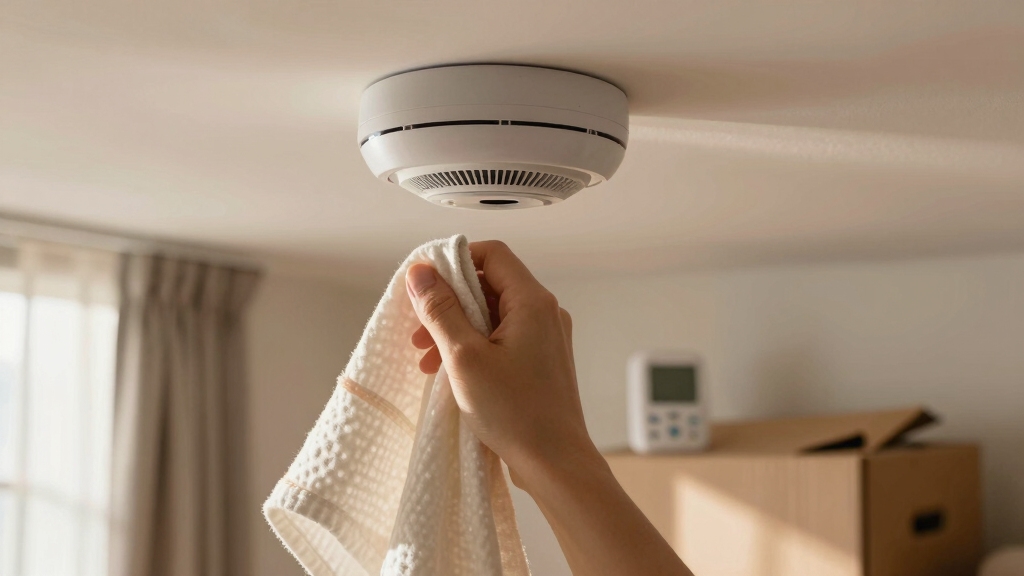
Although smoke alarms are critical for safety, you should cover them temporarily during activities like painting, construction, or steam-heavy tasks to prevent false alarms or damage.
Dust, paint overspray, or steam can clog the sensor chamber, triggering false alarms or impairing functionality. Covering the detector shields it from contaminants, ensuring reliable operation once the job finishes.
However, make sure your cover fully blocks exposure without interfering with the alarm’s housing or mounting. Always remove the cover promptly after completing the activity to restore normal detection.
Failing to do so risks leaving your home unprotected during an emergency. By taking these precautions, you maintain both safety and alarm integrity throughout necessary but potentially disruptive work.
Steam particles can interfere with detection by mimicking smoke and triggering false alarms, especially in photoelectric detectors.
Choosing the Right Method to Cover Your Smoke Alarm
When it comes to covering your smoke alarm, it’s important to pick a method that suits your unique situation. You want to ensure you’re protected without sacrificing safety. There are a few options to consider: plastic bags, shower caps, painter’s tape, or even covers approved by the manufacturer.
Each of these methods has its own perks, depending on where you’re and how long you need to use them. So, take a moment to think about your environment and the duration you need the cover in place.
Balancing these factors will help you keep your smoke alarm functioning properly while avoiding those annoying false triggers or potential damage. Additionally, be aware that environmental factors like humidity and steam can cause false alarms if covers trap moisture around the detector.
Method Advantages Comparison
Consider the specific conditions and duration when selecting the best method to cover your smoke alarm.
The plastic bag method offers complete coverage and strong protection from steam or dust but requires careful securing to prevent slipping.
Shower caps provide a snug fit with elastic bands, making them quick to apply and less prone to displacement.
Painter’s tape allows precise coverage, is highly visible, and easy to remove, ideal for short-term use.
Manufacturer dust covers guarantee a perfect fit and reliable protection but may require purchase.
Construction-approved covers offer robust defense against heavy debris but are suited primarily for longer projects.
Each method demands vigilant removal afterward to maintain safety.
Choose based on your environment, exposure level, and how long you need coverage, always prioritizing your smoke alarm’s operability.
Additionally, be mindful that high humidity above 70% can cause false alarms, so covering methods should also consider minimizing exposure to moisture-triggered false alarms.
Suitability For Different Situations
Selecting the right method to cover your smoke alarm depends heavily on the specific circumstances and duration of coverage needed.
For short activities like cooking or showering, a plastic bag or shower cap provides quick, effective protection against steam and dust.
If you’re painting or sanding, painter’s tape or manufacturer dust covers offer better protection from fine debris and overspray.
During extensive construction, only use approved dust or paint covers to prevent sensor damage and false alarms.
Ensure you remove them promptly. Avoid permanent coverings to maintain alarm operability.
Always check for a secure fit to prevent slippage and set reminders to remove covers immediately after work finishes.
Choosing the proper method safeguards your alarm without compromising safety in emergencies.
Because photoelectric smoke alarms are especially sensitive to large smoke particles from smoldering fires, protecting their sensors from dust and debris is critical to maintain early detection capabilities.
How to Use the Plastic Bag Method Safely?
To use the plastic bag method safely, start by ensuring that the bag completely covers the smoke detector.
You want to avoid any holes or gaps, so take your time with this step.
Once it’s in place, secure it tightly with a rubber band or some tape where the ceiling meets the detector housing.
This will help prevent it from slipping off.
Before you dive into your activity, it’s a good idea to double-check the bag’s fit.
Make sure there’s no way for steam, smoke, or dust to sneak in.
It’s all about keeping that detector safe while you work!
Regular cleaning is also important to prevent dust buildup that can cause false alarms.
Proper Bag Placement
When you cover a smoke detector with a plastic bag, you must make sure the bag fits snugly without any holes or gaps.
Position the bag so it fully encloses the entire detector housing, preventing steam, dust, or smoke from entering.
Avoid loose areas where the bag could slip or allow contaminants inside.
Carefully inspect the bag for tears or weak spots before placement.
Make certain the bag extends just enough to cover the detector without excess material that might catch on fixtures or airflow.
Proper alignment is critical; misplacement can compromise protection and trigger false alarms.
Keep in mind, the bag should sit flush against the ceiling around the detector base to maintain a secure seal.
This precise placement keeps the detector safe during activities generating dust or moisture.
Always remember that placing detectors on the ceiling away from vents maximizes their effectiveness and reduces false alarms.
Securing The Bag
Once you’ve positioned the plastic bag over the smoke detector, secure it firmly by stretching a rubber band around the base where the ceiling meets the detector housing.
This tight seal prevents the bag from slipping or allowing steam, dust, or smoke to enter. If you don’t have a rubber band, use tape as an alternative, ensuring it holds the bag in place without gaps.
Avoid loose or overly stretched bands that could break or shift. Double-check that the bag completely covers the detector with no holes or tears.
Take care not to damage the detector while securing the bag. Properly fastening the bag guarantees effective protection during activities like painting or showering.
Maintain safety precautions until you remove the cover promptly after use.
Remember, regular maintenance including cleaning detectors every 6 months helps keep smoke alarms functioning properly even after temporary coverings.
Inspecting For Gaps
Before you finalize securing the plastic bag over your smoke detector, carefully inspect it for any gaps, holes, or tears that could compromise protection.
Even small openings allow steam, dust, or smoke particles to infiltrate, defeating the purpose of the cover.
Hold the bag up to light and examine it thoroughly, paying close attention to the corners and edges.
If you spot any damage, replace the bag immediately.
After confirming the bag’s integrity, make certain it fits snugly over the detector without slack that could cause slippage.
Use a rubber band or tape to seal the bag tightly where the ceiling meets the detector housing, preventing any entry points.
This cautious inspection guarantees the plastic bag method shields your smoke alarm effectively during activities.
Regular maintenance includes cleaning vents and sensors to prevent false alarms and unnecessary chirping.
Protect Your Detector With a Shower Cap
Stretch a shower cap over your smoke detector to shield it effectively from dust, steam, or paint particles during home projects.
The elastic band secures the cap firmly between the ceiling and detector housing, preventing slips.
Before applying, carefully check the cap for holes or tears to assure full protection.
This method offers a quick, reusable barrier without compromising the detector’s integrity.
Battery backup is critical to keep your detector functioning during power outages, ensuring continuous fire safety protection.
| Feature | Importance |
|---|---|
| Elastic Band Fit | Prevents slipping |
| Cap Integrity | No holes or tears allowed |
| Full Coverage | Blocks dust and steam entry |
| Easy Removal | Restore detector functionality |
Use the shower cap cautiously and remove it promptly after work to maintain safety standards.
Applying Painter’s Tape to Cover Smoke Alarms Temporarily
When you need a quick, temporary barrier for your smoke alarm, applying painter’s tape directly over the sensor chamber can effectively block dust, steam, or haze from triggering false alarms.
Use a bright-colored tape like blue or green to guarantee visibility, avoiding transparent or white tapes that might be overlooked.
Carefully cover the entire sensor chamber without leaving gaps, as any openings could allow contaminants in.
Press the tape firmly to secure it but avoid stretching it excessively, which may cause it to peel prematurely.
Remember, this method is only for short-term use during activities that generate dust or steam.
Once the environment clears, promptly remove the tape to restore full detector functionality and maintain safety.
Set a reminder if necessary to avoid forgetting the tape.
For ongoing false alarms, consider relocating detectors away from kitchens or bathrooms to reduce environmental triggers.
Using Manufacturer and Construction Covers for Reliable Protection
Several types of manufacturer and construction covers offer reliable protection for your smoke alarms during renovations or messy work.
These covers prevent dust, paint overspray, and debris from clogging sensors and triggering false alarms.
Protect your alarms from dust, paint, and debris to avoid sensor clogging and false alarms during renovations.
You should choose covers approved by the manufacturer or compliant with NFPA 72 standards for safe, temporary use.
Here’s what you need to know:
- Manufacturer dust covers fit snugly over alarms, designed specifically to protect sensors without hindering operation.
- Construction covers, often brightly colored, shield alarms from drywall dust and paint.
- Always confirm the cover’s compatibility with your alarm model before applying.
- Remove all covers promptly after work ends to restore full detector functionality and ensure safety.
Using approved covers guarantees dependable protection without compromising alarm performance.
How to Safely Remove Smoke Alarm Covers?
Remove smoke alarm covers promptly once any dust, paint fumes, or steam have cleared to guarantee your detectors function correctly.
Begin by carefully peeling off plastic bags, shower caps, tape, or manufacturer-approved covers without forcing or damaging the unit.
Use gentle, steady motions to avoid dislodging or breaking the alarm.
Check for any residue or adhesive left behind and clean it with a soft cloth if necessary.
Confirm that no parts remain obstructed, ensuring full sensor exposure.
Set reminders to remove temporary covers after work to prevent oversight.
Never leave covers in place longer than necessary, as this compromises safety.
Regularly inspect all alarms to verify they’re uncovered and fully operational.
Prioritize this step; your safety depends on a fully functional smoke alarm.
Avoiding Common Mistakes When Covering Smoke Alarms
Properly covering smoke alarms requires more than just applying a protective layer.
Effectively covering smoke alarms involves careful methods beyond simply adding a protective layer.
Avoiding common mistakes guarantees the device remains effective and safe during work.
When you cover smoke alarms, follow these essential guidelines:
- Use manufacturer-approved covers or methods like plastic bags or shower caps to avoid damage or false alarms.
- Ensure the cover fits snugly without gaps or holes to prevent dust, steam, or paint from entering the sensor chamber.
- Avoid opaque or white tape; choose brightly colored painter’s tape for visibility and easy removal reminders.
- Remove all covers promptly after work completion to restore alarm functionality and prevent safety hazards.
Frequently Asked Questions
Can Covering Smoke Alarms Affect Home Insurance Policies?
Yes, covering smoke alarms can affect your home insurance policies. Insurers expect you to maintain fully operational safety devices.
If a covered alarm fails to detect smoke during a fire, your claim could be denied or reduced due to negligence. You should only cover alarms temporarily during specific activities and remove covers promptly.
Always document the removal to ensure compliance and avoid jeopardizing your coverage or safety.
How Often Should Smoke Alarm Batteries Be Checked During Cover Use?
You should check smoke alarm batteries at least once a month, even when covers are in place.
Covers can temporarily protect the detector, but battery power remains critical for functionality.
Don’t skip this routine; a weak battery could cause false alarms or failure during emergencies.
Set reminders to test alarms regularly and replace batteries promptly.
Once you remove the cover, verify the detector works properly before leaving it unattended.
Are There Any Health Risks From Covering Smoke Alarms?
You might think wrapping your smoke alarm is like giving it a cozy blanket, but ironically, that “comfort” can pose serious health risks.
By covering it, you risk delayed fire detection, which can expose you to toxic smoke and dangerous fumes longer than necessary.
Always remember, these covers are temporary and should be removed promptly to keep you safe.
Never leave alarms covered indefinitely; it’s a risky gamble with your health.
Can Pets Accidentally Remove Smoke Alarm Covers?
Yes, pets can accidentally remove smoke alarm covers, especially if the covers aren’t secured tightly.
You should use methods like elastic shower caps or tightly fastened plastic bags with rubber bands to minimize this risk.
Avoid loose tape or flimsy covers that pets might paw at or chew.
Always inspect your alarms regularly to make certain covers remain in place, maintaining protection without compromising your smoke detector’s function or safety.
Is It Legal to Cover Smoke Alarms in Rental Properties?
Over 70% of fire-related deaths occur in homes without working smoke alarms.
Legally, you generally can’t cover smoke alarms in rental properties because it compromises safety and violates fire codes.
Landlords must make certain alarms function properly, and tenants should never disable or cover them.
Temporary covers may be allowed during specific activities if approved and promptly removed.
Always check local laws and lease agreements to stay compliant and protect everyone’s safety.
Peace of Mind Starts with Smart Safety Choices
Covering your smoke alarm can prevent false alarms during activities like painting or cooking, but it’s vital to do it safely.
Did you know that 74% of home fire deaths occur in properties without working smoke alarms? Always choose approved covers and remove them promptly after use to maintain your safety.
By following the right methods, you protect both your home and your peace of mind without compromising early fire detection. Stay cautious and responsible.