
You can hide security cameras by choosing elevated spots with clear sightlines that avoid glare and obstructions.
Use natural elements like trees or architectural features such as eaves and gutters. Apply camouflage skins or enclosures to blend devices seamlessly outdoors.
Indoors, embed cameras into everyday objects like clocks or lampshades, ensuring adequate ventilation and unobstructed views.
Miniature and wireless models help keep wiring discreet. Proper placement and concealment maximize effectiveness. Explore more techniques for ideal security setup.
Key Takeaways
- Place cameras high on shelves, eaves, or cabinets for wide views and reduced visibility.
- Use natural elements like foliage, fake rocks, or birdhouse enclosures to blend outdoor cameras.
- Conceal cameras inside everyday objects such as tissue boxes, lampshades, or decorative clocks.
- Opt for mini or pinhole cameras disguised as smoke detectors, chargers, or alarm clocks.
- Hide and secure wiring with raceways or use wireless models to eliminate visible cables.
Choosing the Best Spots to Hide Security Cameras
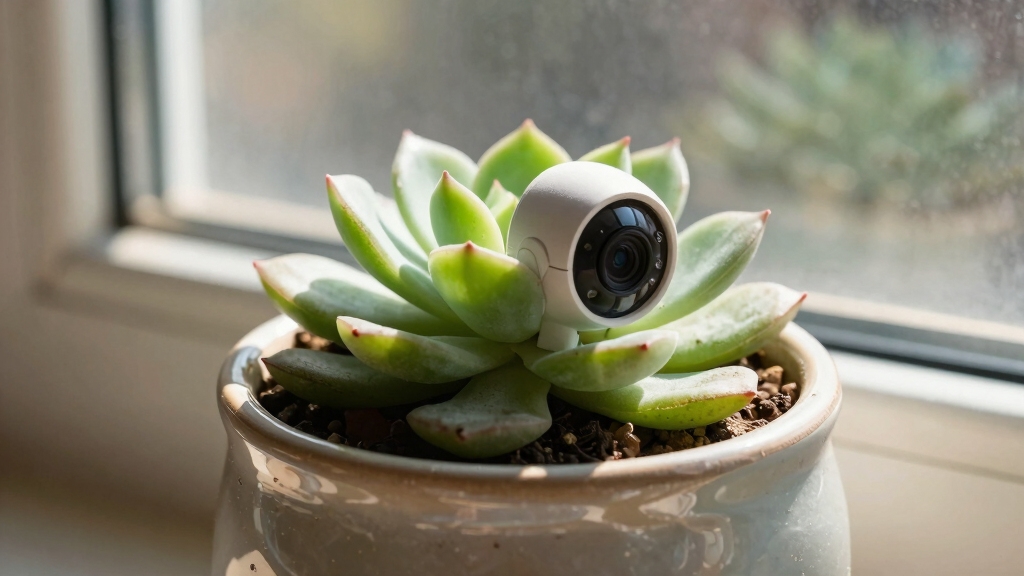
When choosing the best spots to hide security cameras, you should prioritize locations that offer clear sightlines while remaining inconspicuous.
Position cameras high on cabinets, shelves, or eaves to maximize coverage and reduce detection risk.
Avoid backlighting and ensure the lens isn’t obstructed by decorations or furniture.
Test angles to capture key entry points, hallways, or high-traffic areas.
Integrate cameras near electronics or within everyday items to blend naturally into surroundings.
Manage wiring discreetly using raceways or opt for wireless models to minimize visible cables.
Remember to factor in lighting conditions; avoid glare and shadows that can degrade image quality.
Strategic placement enhances surveillance effectiveness without alerting intruders or compromising aesthetics.
Additionally, using lens detectors during inspections can help ensure hidden cameras remain undetected by others.
Outdoor Camouflage Techniques for Security Cameras
You can really make your outdoor security cameras blend in by using natural elements like trees, foliage, and even flower pots. It’s amazing how well they can merge into the garden environment!
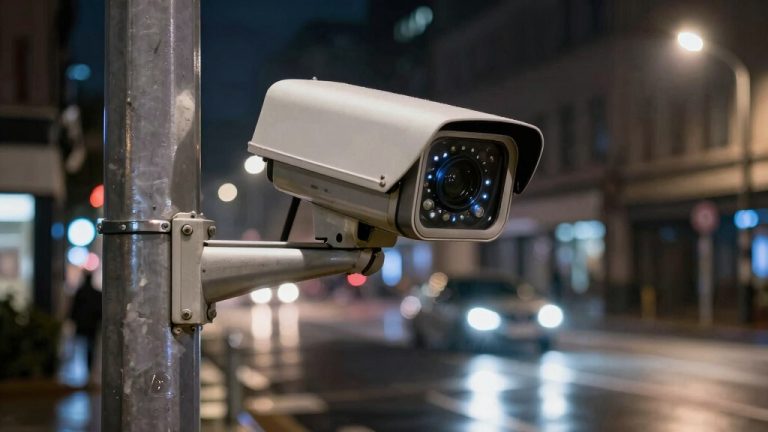
Plus, if you think about it, architectural features like eaves, downspouts, and mailboxes offer great spots to mount your cameras. They not only help hide the cameras but also ensure you’re getting the coverage you need.
Adjusting Motion Zones when positioning your cameras can further optimize detection accuracy while minimizing false alerts.
Natural Element Integration
Blending security cameras with natural outdoor elements enhances concealment while maintaining effective surveillance coverage.
To achieve this, position cameras strategically within dense foliage like bushes or tree branches, ensuring the lens has an unobstructed view.
Use camouflage skins mimicking leaves or bark texture to reduce visual detection.
Incorporate fake rock housings or birdhouse enclosures to blend with garden features.
When mounting near plants or flower pots, secure cameras to avoid movement that could reveal their presence.
Opt for weatherproof models and verify lens alignment to prevent blind spots.
Concealing wiring within branches or underground conduits preserves the natural aesthetic.
This integration method leverages environmental elements, providing discreet monitoring without compromising functionality or field of view.
For enhanced installation efficiency, consider cameras with Power over Ethernet (PoE) support to simplify wiring and power delivery.
Architectural Concealment Methods
Although outdoor natural elements provide excellent concealment, architectural features offer equally effective opportunities to camouflage security cameras with greater structural stability.
You can integrate cameras within gutters, downspouts, or eaves, leveraging their fixed positioning for optimal coverage and weather protection.
Embedding cameras inside mailbox enclosures or solar panel housings conceals devices while maintaining line-of-sight.
Employ fake rock casings or birdhouse mounts to blend with outdoor decor without sacrificing durability.
When mounting on white walls, place cameras under eaves to minimize visibility and enhance vantage points.
Use camouflage skins matching architectural textures to reduce detection risk.
Make certain all installations maintain unobstructed fields of view, proper ventilation, and secure wiring, employing raceways or wireless solutions to minimize exposure.
This approach balances effective concealment with functional reliability for outdoor surveillance.
Additionally, integrating cameras with motion-activated lights can improve security by deterring potential intruders and enhancing image clarity during low-light conditions.
Disguising Security Cameras With Everyday Indoor Objects
You know, one great way to keep your security cameras discreet is by using everyday items you already have at home. Think about it—things like tissue boxes, lampshades, or even clocks can cleverly hide a camera while still keeping an eye on things. The key is to place them strategically so they blend right in with your decor.
When you’re setting things up, try to think about where you can mount the camera. High shelves or decorative containers can be perfect spots! This way, you can maximize your coverage without drawing too much attention. Just make sure the camera has a clear view of the area you want to monitor. It’s all about keeping your space looking normal while still being secure!
To enhance your setup, consider the use of infrared LEDs that can help cameras operate discreetly, especially in low light conditions.
Creative Indoor Camouflage
Everyday household items can serve as effective concealment for indoor security cameras, allowing you to monitor spaces discreetly without raising suspicion.
To achieve seamless integration, embed pinhole or mini cameras inside objects like tissue boxes, stuffed toys, or lampshades, guaranteeing lens apertures align with unobstructed sightlines.
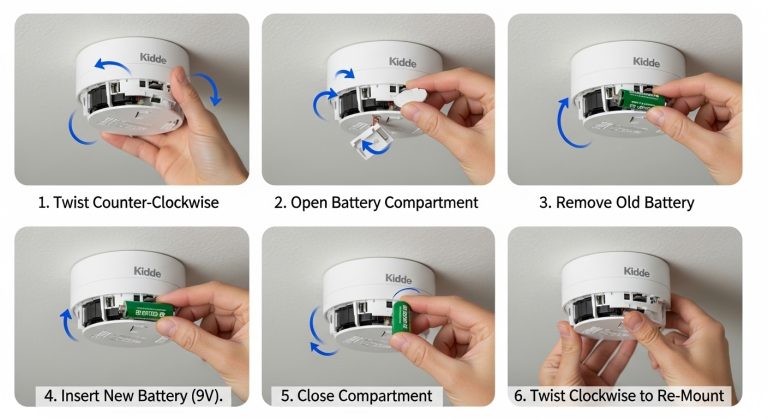
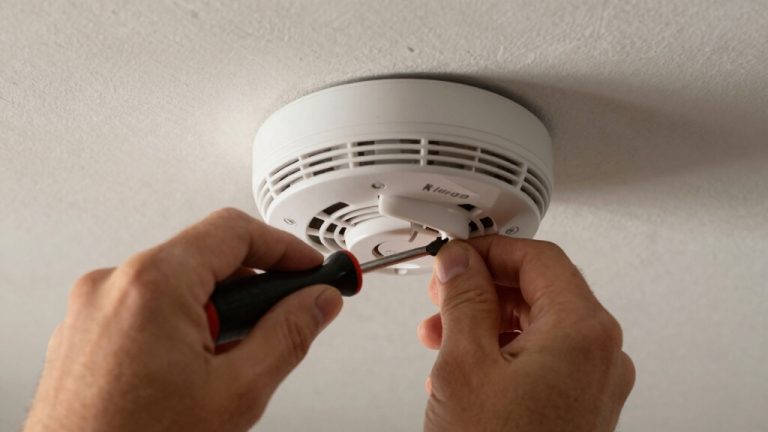
Utilize smoke detectors, fake candles, or digital clock radios as camera enclosures, maintaining ventilation and minimizing infrared glare.
Position cameras within decorative books or photo frames equipped with one-way glass for covert surveillance.
When integrating with furniture, place cameras on high shelves, inside storage boxes with drilled lens holes, or behind ornamental clocks to optimize coverage without attracting attention.
Safeguard wiring by concealing it using raceways or opting for wireless models.
This precise embedding enhances security while preserving the room’s aesthetic and functionality.
For added discretion, consider the optical limitations of peepholes and other lenses, which can prevent outsiders from detecting cameras hidden behind small openings.
Common Household Hiding Spots
Within common household environments, numerous objects serve as ideal concealment spots for security cameras, enabling discreet surveillance without drawing attention. You can disguise cameras inside everyday items like tissue boxes, smoke detectors, or digital photo frames.
These spots maintain functionality while housing your device unobtrusively. Selecting compact or pinhole cameras facilitates placement in small enclosures without obstructing the lens.
| Object Type | Example Items | Benefits |
|---|---|---|
| Household Decor | Lampshades, picture frames | Blends with room aesthetics |
| Functional Devices | Smoke detectors, clocks | Avoids suspicion, dual-purpose |
| Storage Solutions | Tissue boxes, shoeboxes | Easy access, ventilation options |
Use these common spots to keep your surveillance discreet and effective. For enhanced security and concealment, integrating cameras with hybrid mechanisms can provide both mechanical and electronic protection while maintaining invisibility.
Optimizing Camera Placement
Maximize the effectiveness of indoor camera concealment by carefully selecting placement that balances coverage, visibility, and disguise.
Position cameras inside everyday objects like tissue boxes, lampshades, or decorative books, ensuring the lens has an unobstructed field of view.
Mount cameras high on shelves or cupboards to gain a broad vantage while minimizing detection.
Avoid backlighting glare by testing sightlines and adjusting angles accordingly.
Integrate cameras with dual-purpose devices such as digital clock radios or USB chargers to reduce suspicion.
Manage wiring discreetly using raceways or opt for wireless models to eliminate visible cables.
Rotate hiding spots periodically to maintain unpredictability.
Always ensure adequate ventilation within enclosures to prevent overheating and maintain peak camera performance.
Additionally, be aware that some devices can be disguised as everyday electronics, so careful inspection for unfamiliar wiring or attachments can help avoid unwanted detection.
Integrating Security Cameras Seamlessly With Furniture and Decor
By embedding security cameras into furniture and decor, you can maintain effective surveillance without drawing attention.
Utilize high shelves, decorative trunks, or side tables with drawers to house cameras discreetly.
Position compact models inside wide-opening vases, behind ornamental clocks, or between bookends for unobtrusive coverage.
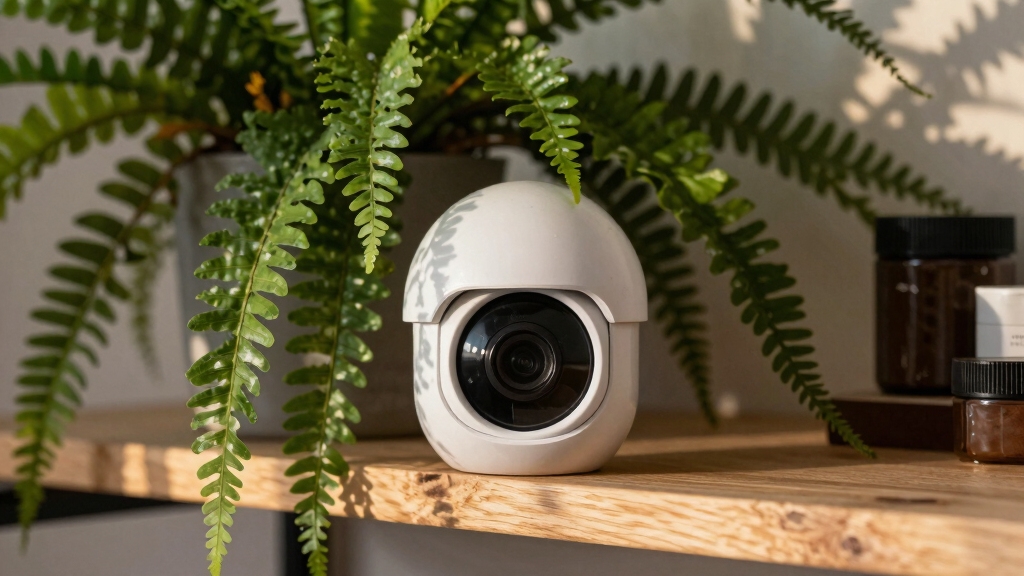
Integrate cameras with potted plants, especially dense foliage like spider or snake plants, allowing lenses to peer through leaves while blending naturally.
Use storage boxes, baskets, or jewelry boxes with carefully drilled lens holes and adequate ventilation to prevent overheating and maintain image clarity.
Place cameras near light sources or common household items to avoid suspicion, ensuring the camera’s field of view remains unobstructed.
This approach optimizes concealment while preserving functionality, leveraging existing decor elements to achieve seamless security integration.
For enhanced situational awareness, consider cameras that provide a wider field of view than traditional peepholes.
Mini and Specialized Security Cameras for Tight Spaces
While integrating cameras into furniture and decor offers effective concealment, tight or confined spaces call for more specialized solutions.
Embedding cameras in furniture hides them well, but cramped spaces demand even more discreet, specialized options.
Mini and pinhole cameras, requiring gaps as narrow as 2mm, excel in such environments. They’re ideal for embedding in tissue boxes or small electronics.
Battery-powered spy cams eliminate wiring challenges, allowing flexible placement indoors or outdoors. Disguised models mimicking phone chargers, smoke detectors, or alarm clocks blend functionality with stealth.
Wireless pinhole cameras suit inaccessible spots, but consider wired versions for superior image quality. Additionally, motion-activated bird feeder cams and WiFi-enabled garden decor provide smart, unobtrusive monitoring.
When selecting these miniaturized devices, prioritize adequate ventilation and unobstructed lens placement. Also, ensure compatibility with your environment’s power and network infrastructure to maintain peak performance and concealment in restricted areas.
Using a convex lens inside the device can help achieve a wide-angle view even in very small cameras.
Optimizing Security Camera Placement and Visibility
Although selecting the right camera is vital, you also need to focus on strategic placement to guarantee peak coverage and concealment. Mount cameras high on cabinets, eaves, or shelves to maximize vantage points while reducing visibility.
Position lenses near natural cover like plants or architectural features, such as downspouts, gutters, or mailbox cams, to blend seamlessly. Always test sightlines to avoid obstructions or backlighting glare, ensuring clear footage.
Manage wiring with raceways or opt for wireless models to maintain discreetness. Rotate hiding spots seasonally and combine concealed cameras with visible deterrents to enhance security.
Indoors, integrate cameras inside everyday objects or furniture to avoid suspicion. Prioritize ventilation and unobstructed fields of view, especially within enclosures, to maintain ideal image quality and device longevity.
Frequently Asked Questions
Are Hidden Cameras Legal in Rental Properties?
You might think hidden cameras protect your rental, yet they can invade tenants’ privacy. Legally, you can’t install hidden cameras in private areas like bedrooms or bathrooms without consent.
Public spaces like entrances may allow surveillance if you notify tenants clearly. Laws vary by location, so you must check local regulations before proceeding.
Ignoring rules can lead to legal consequences, so always prioritize transparency and respect tenant privacy when considering hidden cameras.
How Do I Prevent Hidden Camera Glare at Night?
To prevent hidden camera glare at night, turn off the camera’s built-in infrared LEDs if they’re inside glass enclosures.
IR light reflects and causes glare. Instead, use external IR illuminators positioned away from the lens.
Apply anti-reflective film on glass surfaces and avoid placing cameras directly behind windows or glass.
Make sure the lens has an unobstructed view. Test night footage to adjust placement for minimal glare and peak image clarity.
Can Hidden Cameras Record Audio Without Consent?
Like a shadow’s silent whisper, hidden cameras can record audio, but you must tread carefully. Laws about audio recording without consent vary widely depending on your jurisdiction.
In many places, recording audio secretly is illegal and can lead to serious penalties. Always research local statutes before activating audio features.
Ensuring compliance protects your privacy rights and those of others, preventing legal complications while using surveillance technology responsibly.
What Maintenance Do Concealed Cameras Require?
You’ll need to regularly clean lenses to maintain clear footage, especially if cameras are outdoors or near plants.
Check battery levels or power connections to avoid downtime and test Wi-Fi signals for stable streaming.
Inspect housing for damage or moisture intrusion, ensuring ventilation to prevent overheating.
Periodically verify recording and storage functions, update firmware, and adjust camera angles to cover desired zones.
Proper maintenance guarantees reliable, discreet surveillance performance.
How to Secure Hidden Cameras From Hacking?
Use strong passwords, enable two-factor authentication, and keep your camera’s firmware updated to secure hidden cameras from hacking.
Disable unused features like remote access, limit network permissions, and segment cameras on a separate VLAN.
Regularly audit access logs, employ encrypted connections (SSL/TLS), and change default settings.
These measures reduce vulnerabilities, prevent unauthorized entry, and ensure your camera’s data remains private and protected against cyber threats.
Security That Protects Without Disrupting
You’ve seen how strategic placement and clever disguise can keep your security cameras unobtrusive yet effective.
While hiding cameras boosts security by deterring tampering, consider that overly concealed devices might reduce their deterrent effect. Balancing visibility with stealth guarantees peak coverage and prevention.
By choosing the right spots, using natural camouflage, and integrating cameras with decor or miniaturized models, you enhance surveillance without compromising aesthetics or functionality.