
You know there’s a gas leak if you detect a rotten egg smell, hear hissing, whistling, or roaring noises near pipes or appliances, or see visible white gas clouds, dead plants, or bubbling in standing water.
Some people may miss these signs due to reduced smell sensitivity. You can also use a soapy water test to spot escaping gas or install electronic detectors for continuous monitoring.
Taking immediate safety actions is critical; understanding more helps you stay protected and respond swiftly.
Key Takeaways
- Detect a gas leak by smelling a rotten egg or sulfur odor caused by added mercaptan in natural gas.
- Listen for hissing, whistling, or roaring sounds near gas lines indicating escaping gas under pressure.
- Look for visible signs like white gas clouds, bubbling water, or dead vegetation near suspected leak sites.
- Perform a soapy water test on joints and fittings; bubbles indicate escaping gas requiring immediate action.
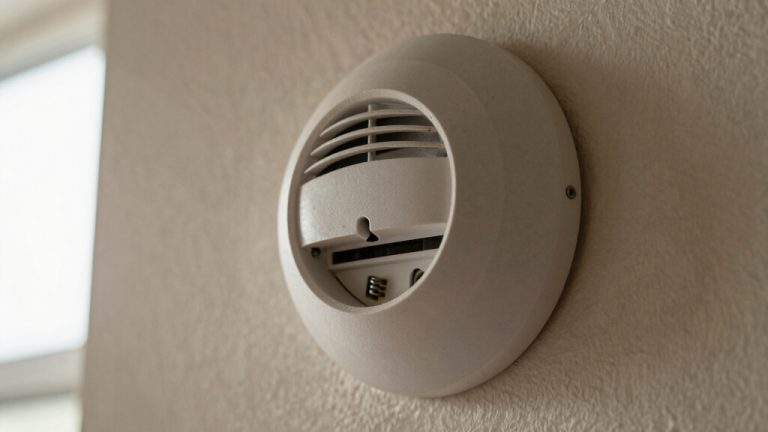
- Install gas leak detectors for continuous monitoring and audible alarms to detect leaks that may not be smelled.
How to Spot the Smell of a Gas Leak?
How can you quickly identify a gas leak by smell? Natural gas is odorless, but providers add mercaptan, which emits a distinct rotten egg or sulfur scent.
Natural gas itself lacks odor, but mercaptan is added to give it a strong rotten egg scent.
When you detect this characteristic odor near gas lines, appliances, or meters, it strongly indicates a leak.
However, be aware that some people may have reduced sensitivity to this smell due to nasal fatigue or competing odors like air fresheners.
Don’t rely solely on your nose; use it as the primary alert but confirm with other methods. If you detect the mercaptan odor, evacuate immediately, avoid sparks or flames, and contact emergency services.
Recognizing this odor quickly and accurately is critical for your safety and timely leak mitigation.
For more thorough safety, combining odor detection with electronic gas detectors can improve leak confirmation and ensure safety before attempting any repairs.
Sounds That Indicate a Gas Leak
You’ll often hear a distinct hissing or whistling sound near gas lines or appliances when a leak occurs. This noise results from pressurized gas escaping through a small opening.
Sometimes, you may notice an unusual roar or continuous whistle, indicating a serious leak requiring immediate attention. Note that similar sounds can come from plumbing or HVAC systems, so pinpointing the source is vital.
| Sound Type | Description | Implication |
|---|---|---|
| Hissing | High-pitched, continuous | Potential small leak |
| Whistling | Sharp, clear tone | Escaping gas under pressure |
| Roaring | Loud, sustained noise | Large, dangerous leak |
| Audible Alarms | Emitted by detectors | Confirmed gas detection |
Listen carefully near gas appliances and lines for these indicators. If you suspect a leak, always consider proper safety measures such as evacuating the area and notifying professionals immediately.
Visual Signs of a Gas Leak to Watch For
Hey there! Just a heads up, if you ever notice visible white gas clouds or even some dust near gas lines, that’s definitely something to keep an eye on. Those signs can mean that gas is escaping.
Also, if you see bubbling in standing water or puddles, that’s a big red flag too! It usually means natural gas is seeping through the soil, and you’ll want to address that right away.
Oh, and one more thing—if you spot dead or stunted plants around your property, it might be a sign of underground leaks that are messing with the soil quality. So, definitely take that seriously.
Visible Gas Clouds
Visible gas clouds frequently serve as one of the most direct visual indicators of a natural gas leak.
When gas escapes under pressure, it often forms a white cloud or dust-like plume near the leak site, especially around pipelines, meters, or appliances.
These clouds result from natural gas mixing with moisture in the air and condensing into visible vapor. If you spot such a cloud, it’s critical to recognize it as a potential hazard requiring immediate attention.
Don’t confuse this with steam or dust from other sources; gas clouds typically remain localized near gas infrastructure and may linger longer in calm air.
Observing visible gas clouds demands prompt evacuation and notification of emergency services or your gas provider to mitigate risks and prevent ignition or explosion.
Additionally, faulty appliances or leaks detected through soap bubble testing can contribute to gas leaks and require immediate repair.
Bubbling Water Signs
Often overlooked, bubbling water can serve as a critical visual indicator of a natural gas leak. When gas escapes underground, it displaces soil and moisture, pushing bubbles to the surface in puddles, standing water, or mud.
You should inspect any bubbling near known gas lines, meters, or appliances, as it signals gas migrating through soil.
| Location | Water Condition | Likely Cause |
|---|---|---|
| Near gas meter | Continuous bubbling | Gas escaping from pipe joint |
| Puddles in yard | Intermittent bubbles | Soil gas seepage |
| Standing water | Vigorous bubbling | Active underground leak |
| Drainage areas | Small, steady bubbles | Gas rising through soil |
Damaged Plants Indicator
Unhealthy vegetation near gas lines can reveal the presence of a natural gas leak beneath the surface. When natural gas seeps into the soil, it displaces oxygen, depriving plant roots of essential nutrients.
You’ll notice dead, dying, or stunted plants clustered around the suspected leak area, even if nearby vegetation thrives. This localized damage serves as a critical visual indicator of subsurface gas intrusion.
Pay close attention to brown or yellowing patches that don’t respond to watering or care. Such stress symptoms, isolated to specific zones near gas infrastructure, strongly suggest gas presence.
If you observe these plant abnormalities, promptly notify your utility provider for professional inspection. Ignoring these signs could result in escalating hazards and environmental damage beneath your property.
Proper setbacks and buffer zones help minimize the risk of environmental damage and contamination from leaks or other underground hazards.
Who Might Miss the Signs of a Gas Leak?
Although natural gas contains a distinctive odorant designed to aid detection, some individuals may fail to notice a leak due to factors like diminished olfactory sensitivity, nasal fatigue, or interference from other strong scents such as candles or air fresheners.
Natural gas’s added odorant may go undetected by some due to reduced smell sensitivity or overpowering scents.
You might be among those with a reduced ability to detect mercaptan’s characteristic sulfur smell, especially if you suffer from allergies, colds, or chronic nasal conditions.
Additionally, if you frequently use scented products, your sense of smell can become desensitized, masking critical warning odors.
Relying solely on your nose increases risk, so it’s vital to employ supplementary detection methods, such as listening for hissing sounds, watching for visual signs, and using gas detectors.
Being aware of these limitations helps guarantee timely identification and response to gas leaks. For optimal safety, ensure that gas detectors are placed according to manufacturer guidelines to detect leaks early and reliably.
How to Use the Soapy Water Test to Find Leaks?
When you suspect a gas leak at a connection point or pipe, you can use the soapy water test to quickly confirm its presence.
Mix a teaspoon of dish soap with water, creating a smooth solution without excessive bubbles.
Apply this mixture generously to the suspected area using a brush or spray bottle.
Watch carefully for the formation of bubbles, which indicate escaping gas at that location.
Make certain the area is accessible and clean for accurate results.
This test effectively detects pinhole leaks in fittings and joints.
Remember, it’s a preliminary method; if you observe bubbling, immediately shut off the gas supply and contact a professional technician to perform a thorough inspection and necessary repairs.
The soapy water test is a simple, cost-effective diagnostic tool but not a substitute for professional evaluation.
Because gas leaks can lead to dangerous carbon monoxide production, it is important to understand the risks of fuel-burning appliances.
Why You Should Install a Gas Leak Detector?
Hey there! So, let’s chat about why it’s a good idea to install a gas leak detector in your home. You know how sometimes, leaks can happen without any strong smells to alert you? That’s where these handy devices come in. They help you catch any sneaky leaks early on, keeping you and your space safe.
Plus, they offer round-the-clock safety monitoring. That means you can go about your day without worrying too much, knowing that if there’s a dangerous level of gas, you’ll get an alert right away. And those audible alarms? They’re pretty crucial!
They’ll give you a heads-up so you can take action quickly before things get serious. So, yeah, having a gas leak detector is definitely worth considering! It’s especially important because gas dryers produce carbon monoxide, which can be dangerous if not properly ventilated.
Early Leak Detection
Regularly installing gas leak detectors substantially enhances your ability to identify leaks early, before they escalate into dangerous situations.
These devices continuously monitor gas concentrations, triggering audible alarms at safe threshold levels. This early warning lets you act promptly, minimizing health risks and property damage.
Consider these key benefits of gas leak detectors:
| Feature | Benefit |
|---|---|
| Continuous Monitoring | Detects leaks you might miss by smell |
| Audible Alarm | Alerts you immediately to danger |
| Accurate Sensing | Identifies even low-level leaks |
| Easy Installation | Provides constant, reliable protection |
Modern detectors often include interconnectivity capabilities allowing multiple units to alert simultaneously for enhanced safety.
Continuous Safety Monitoring
Frequently overlooked, continuous safety monitoring through gas leak detectors provides indispensable protection by identifying hazardous gas accumulations before they reach dangerous levels.
Installing these detectors guarantees real-time surveillance of your environment, detecting even slow leaks that may not produce noticeable odors or sounds.
These devices employ sensitive sensors calibrated to methane or propane concentrations, triggering alerts when thresholds are exceeded.
By maintaining constant vigilance, they reduce the risk of undetected gas buildup, which could lead to fire or explosion hazards.
You can install fixed detectors in critical areas such as kitchens and near gas appliances, or use portable units for flexible monitoring.
Ultimately, continuous monitoring through gas leak detectors offers a reliable, proactive safety measure that complements traditional detection methods and markedly enhances household gas safety.
For maximum protection, integrating detectors with monitored alarm systems can ensure automatic notification of emergency services to reduce response times.
Audible Alarm Alerts
Consistently emitting an audible alarm, gas leak detectors provide immediate, unmistakable alerts when hazardous gas concentrations are detected.
You rely on these devices to identify leaks early, especially when odor detection fails due to olfactory limitations or competing scents.
The alarm activates once gas levels exceed preset safety thresholds, ensuring prompt awareness regardless of your presence or attention.
Installing detectors near gas appliances, meters, or potential leak points integrates continuous monitoring into your safety protocol.
These devices comply with rigorous standards, such as those from Underwriters Laboratories, guaranteeing reliable performance.
How Monitoring Your Gas Meter Can Reveal Leaks?
By tracking your gas meter readings closely, you can identify unusual spikes or increases in gas consumption that often indicate a leak within your home’s distribution system.
Tracking gas meter readings helps spot consumption spikes that may signal leaks in your home’s system.
Compare your current readings against historical usage patterns to detect anomalies. Sudden or unexplained increases in consumption warrant further investigation, as they may reflect escaping gas.
Regularly reviewing your utility bills complements this monitoring by revealing unexpected cost surges linked to leaks. However, remember that leaks upstream of the meter won’t affect your readings, so this method is supplemental.
Use precise, consistent meter reading intervals to guarantee reliable data. This technical approach provides an early, non-intrusive indication of leaks, enabling timely intervention before hazards escalate.
What to Do Immediately If You Suspect a Gas Leak?
If you suspect a gas leak, act immediately to protect yourself and others. Time is critical because gas leaks can lead to explosions or poisoning.
Follow these steps without delay:
- Evacuate the area: Leave your home or building immediately, avoiding actions that could ignite gas, such as switching electrical devices or using open flames.
- Shut off the gas supply: If safe to do so, turn off the main gas valve to stop gas flow and limit leak severity.
- Contact emergency services: From a safe location, call your gas utility provider or emergency responders to report the suspected leak and get professional assistance.
Never attempt repairs yourself. Prioritize safety by acting swiftly and precisely.
Frequently Asked Questions
Can Pets Sense a Natural Gas Leak Before Humans Do?
Yes, pets can often sense a natural gas leak before you do. Their acute sense of smell allows them to detect mercaptan, the chemical added to natural gas for odor.
You might notice your pet acting anxious, restless, or avoiding certain areas, which can be an early indicator. However, never rely solely on pets for detection. Always use proper gas detectors and monitor for visual or auditory signs to guarantee safety.
Are Gas Leaks More Common During Certain Weather Conditions?
Gas leaks tend to be more common during harsh weather, especially when cold snaps or heavy rains test your home’s infrastructure like a pressure cooker.
Cold weather causes metal pipes to contract, increasing the risk of cracks. Moisture from rain can corrode underground lines.
You should regularly inspect and maintain your gas system during these times, as environmental stressors can compromise pipe integrity. This can lead to leaks that might otherwise go unnoticed until they become dangerous.
How Often Should Professional Gas Line Inspections Be Scheduled?
You should schedule professional gas line inspections at least once every year to ensure safety and detect potential leaks early.
If your home has older piping, appliances, or if you notice unusual odors, sounds, or meter readings, consider inspections more frequently, every six months.
Regular inspections help identify corrosion, damage, or faulty connections, preventing hazardous situations.
Stay proactive by adhering to local codes and manufacturer recommendations for your specific gas system components.
What Health Symptoms Might Indicate Exposure to a Gas Leak?
You might experience headaches, dizziness, nausea, or fatigue if exposed to a gas leak.
Difficulty breathing, coughing, and eye or throat irritation are also common symptoms.
In severe cases, exposure can cause confusion, loss of consciousness, or even death.
If you notice these symptoms alongside the smell of rotten eggs or hear hissing sounds, evacuate immediately and seek professional help to prevent serious health risks.
Can Natural Gas Leaks Cause Electrical Appliances to Malfunction?
Yes, natural gas leaks can cause electrical appliances to malfunction.
Gas leaking into electrical components may create a hazardous environment, potentially leading to short circuits or corrosion that disrupt normal operation.
Additionally, gas accumulation can trigger safety shutoffs in appliances with built-in sensors.
If you notice unusual appliance behavior near a suspected leak, shut off gas and power immediately.
Have a qualified technician inspect the system to prevent damage or ignition risks.
Securing Your Home Against the Unseen
Think of a gas leak as an invisible thread woven through your home’s safety fabric. It is silent but dangerous. You’ve learned to spot its telltale scent, listen for subtle hisses, and watch for visual clues.
Use tools like the soapy water test and gas detectors as your trusted allies. Stay vigilant, monitor your gas meter regularly, and act immediately if you suspect a leak.
Protect your home by catching this unseen threat before it unravels your peace of mind.