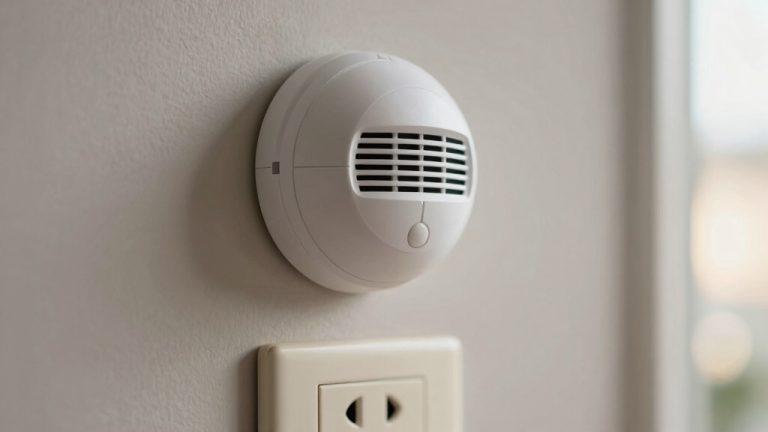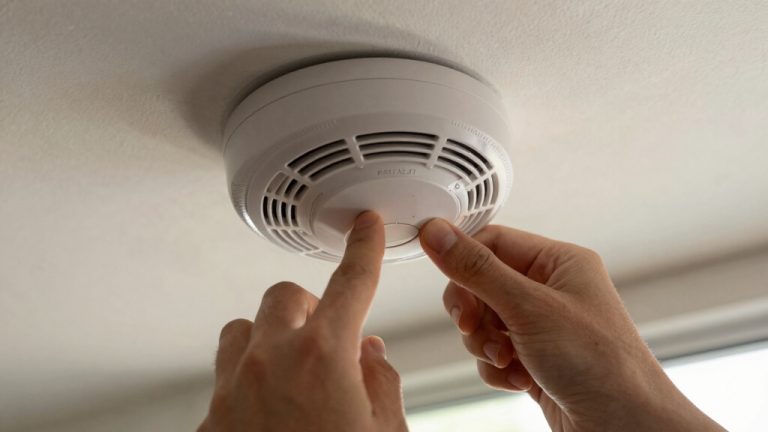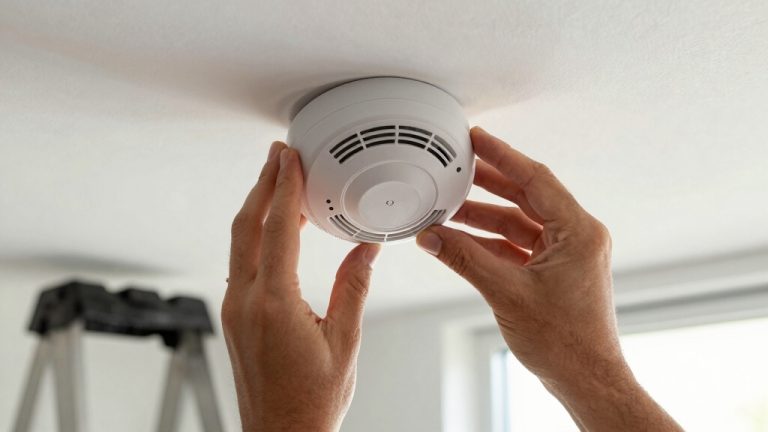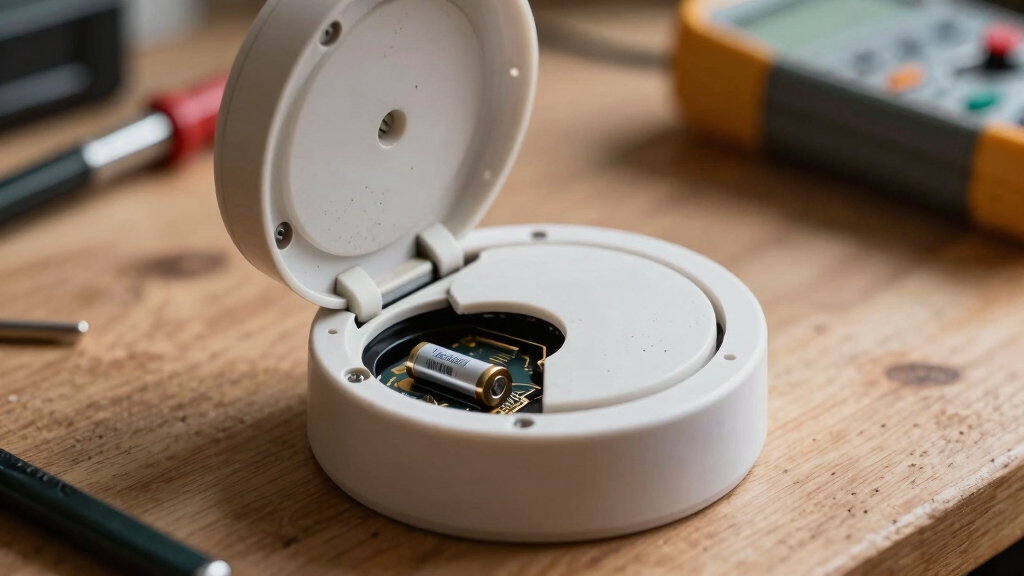

Yes, your smoke detector qualifies as a low drain device when it uses less than 10 microamps in standby, conserving battery life efficiently.
This ultra-low current draw supports continuous sensor monitoring without engaging high-power components until needed.
This enables sealed lithium batteries to last up to 10 years. Using manufacturer-specified batteries is critical to maintain this efficiency and reliability.
Understanding these power management details can enhance how you manage your smoke detector’s lifespan and performance.
Key Takeaways
- Smoke detectors qualify as low drain devices due to their extremely low standby current, often under 10 microamps.
- Their ultra-low standby current enables sealed lithium batteries to last up to 10 years without replacement.
- Low drain design supports continuous sensor monitoring with minimal energy consumption in idle mode.
- Efficient power management ensures minimal current draw, differentiating them from higher-standby household electronics.
- Any increase in standby current directly shortens battery life and reduces smoke detector reliability.
What Makes a Smoke Detector “Low Drain”?
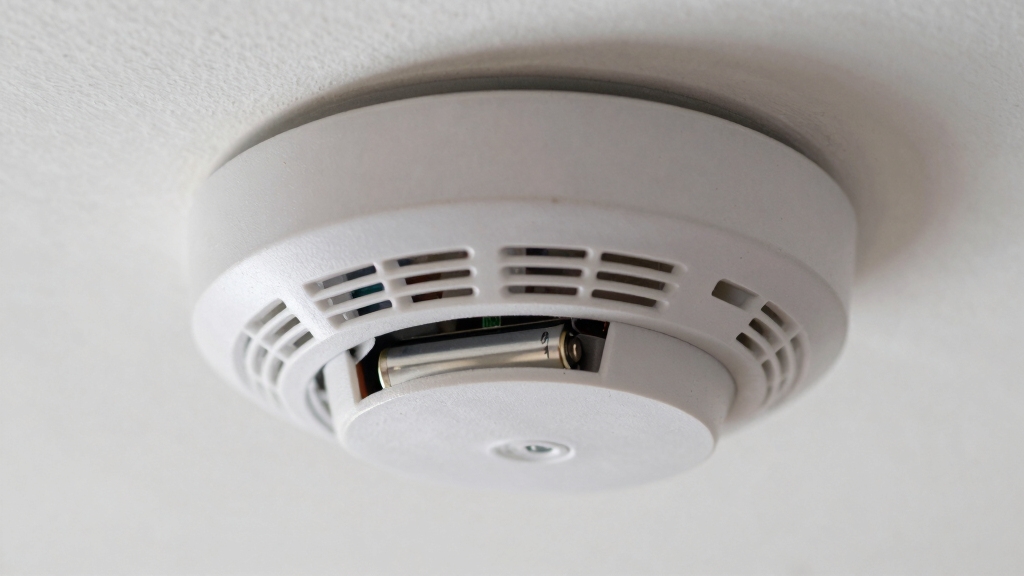
Typically, a smoke detector qualifies as “low drain” because it consumes an extremely small amount of power during standby operation, often drawing less than 10 microamps.
Smoke detectors are considered low drain devices, using less than 10 microamps during standby.
This minimal current draw enables the device to operate continuously without frequent battery replacement. You’ll find that modern detectors rely on sealed lithium batteries designed to last the device’s full 10-year lifespan.
The low power consumption is achieved through efficient circuitry optimized to monitor the sensor and maintain readiness without engaging high power components until an alert condition arises.
When you analyze the detector’s electrical profile, the idle current remains stable and negligible, ensuring long-term operation.
This precise power management differentiates smoke detectors as low-drain devices compared to other household electronics with higher standby requirements.
Many smoke detectors use sealed 10-year batteries, which eliminate the need for battery replacement while providing a reliable power source throughout their lifespan.
Which Batteries Work Best for Low Drain Smoke Detectors?
Several battery types have proven ideal for low drain smoke detectors, each balancing longevity and stable voltage output to guarantee reliable performance.
You’ll find sealed lithium batteries excel in sealed units, providing stable voltage over a full 10-year lifespan without replacement.
For interconnected systems, CR123A lithium batteries offer consistent voltage and last three to five years under moderate load.
Traditional models often rely on replaceable 9V alkaline batteries, which, while less durable, maintain reliable low current draw if you choose high-quality brands.
Avoid off-brand or cheap batteries, as they tend to discharge prematurely, risking detector failure.
When selecting batteries, prioritize those specified by the manufacturer to assure compatibility and prevent voltage sag that could impair low drain operation.
This approach assures your smoke detector remains dependable over extended periods.
Additionally, AA alkaline batteries provide roughly three times the energy of 9V cells, offering extended runtime for standalone alarms.
How to Spot Low Battery Signs in Your Smoke Detector?
You might notice some familiar low battery signals with your smoke detector. One of the most common signs is that annoying intermittent chirping or beeping every few seconds. It’s like the detector is trying to get your attention to let you know it doesn’t have enough power.
Also, keep an eye on the indicator light. If it’s flashing or dim, that’s another clear sign that the battery is weakening.
And hey, if you press the test button and nothing happens, that’s a big red flag. It means the battery needs replacing or the device might need a closer look. So, stay alert—you want your smoke detector in top shape!
Replacing batteries every six months is recommended to prevent these low battery alerts and ensure reliable protection.
Common Low Battery Signals
Frequently, smoke detectors signal low battery conditions through distinct audible or visual alerts that demand immediate attention.
You’ll notice a chirp or beep every 30 to 60 seconds, indicating the battery voltage has dropped below operational thresholds.
This intermittent sound serves as an early warning to prevent total power loss.
Additionally, if pressing the test button yields no response, the battery is likely dead or critically low.
Visual cues, such as flashing indicator lights, also highlight insufficient power supply, though these will be discussed in detail later.
Persistent chirping after battery replacement often results from residual electrical charge stored in internal components.
You must discharge this by removing the battery and holding the test button for about 20 seconds.
Recognizing these signals promptly guarantees your smoke detector maintains reliable performance.
Low battery chirps typically indicate voltage has dropped below approximately 8.7 volts, signaling imminent battery failure.
Indicator Light Behavior
Beyond audible alerts like chirping, smoke detectors use indicator lights to signal low battery conditions. Typically, these lights flash at regular intervals or remain steadily illuminated when power dips below operational thresholds.
You should observe periodic blinking, often every 30 to 60 seconds, as a clear indication the battery voltage is insufficient. This visual cue supplements chirping, allowing you to detect low battery status even in noisy environments.
Some models may alter the light’s color, shifting from green to red to signify critical battery levels. If you notice irregular or continuous flashing without audible signals, it may also suggest internal circuitry issues or residual charge effects.
Monitoring these indicator lights helps you maintain detector functionality and guarantees timely battery replacement before complete power loss occurs. Remember to replace batteries annually or immediately on low-battery warnings to ensure continuous protection.
Test Button Response
Regularly pressing the test button provides a reliable method to assess your smoke detector’s battery status. When you activate the test, the alarm emits a full sound sequence if the battery voltage is adequate.
If the detector emits a weak chirp or no sound at all, it indicates a low or dead battery requiring immediate replacement. Note that no response to the test button usually signals complete battery failure or depleted residual electrical charge.
In such cases, remove the battery and hold the test button for 20 seconds to discharge residual power before inserting a fresh, high-quality battery. Consistent testing guarantees early detection of power issues in low-drain devices.
This maintains peak functionality and prevents false alarms or failures during emergencies. Using high-quality 9-volt alkaline batteries ensures longer battery life and consistent detector performance.
Steps to Reset and Maintain Your Smoke Detector Battery
When maintaining your smoke detector battery, start by removing the battery and pressing the test button for at least 20 seconds to discharge any residual electrical charge. This step prevents persistent chirping caused by leftover power in the circuitry.
After fully draining the charge, insert a fresh, high-quality battery, preferably one specified by the manufacturer for optimal performance. Next, press the test button to confirm the detector responds with a clear alarm sound, indicating proper function.
Regularly inspect the manufacturing date and replace the battery or detector as recommended to maintain reliability. Avoid inexpensive off-brand batteries, as they tend to discharge prematurely, undermining the low-drain design.
It is essential to use backup batteries that meet manufacturer and code requirements to ensure continuous protection during power outages.
How Smoke Detectors Use Minimal Power in Standby Mode?
Did you know that smoke detectors are super efficient when it comes to power use? They typically draw less than 10 microamps of current while in standby mode, which means they consume very little energy.
Most standard models rely on replaceable 9V alkaline batteries, but there are also sealed units that use 10-year lithium batteries. This makes them really reliable over the long haul.
If you’re looking at interconnected systems, you’ll often find they use CR123A lithium batteries. These are great for maintaining stable voltage and ensuring low-drain performance. So, overall, smoke detectors are designed to keep you safe without draining your power!
Regular maintenance, such as annual battery replacement, helps ensure they continue to operate efficiently and reliably.
Standby Current Consumption
Maintaining ultra-low standby current is essential for smoke detectors to guarantee long-lasting battery life without frequent replacements.
In idle mode, these devices typically draw less than 10 microamps, significantly reducing power consumption.
This minimal current supports continuous sensor monitoring and intermittent signal processing without depleting the battery rapidly.
The low drain design ensures sealed lithium batteries can reliably power detectors for up to 10 years.
You’ll notice that interconnected units, which require more complex circuitry, still maintain efficient standby currents by optimizing component selection and power management.
Understanding this precise current draw is vital because any increase directly shortens battery life and device reliability.
Regular replacement of standard 9-volt batteries every six months is recommended to maintain reliable operation in models without sealed lithium batteries, according to battery replacement guidelines.
Battery Types Used
Several battery types serve smoke detectors, each engineered to sustain minimal power draw during standby and extend operational lifespan.
Standard models typically use replaceable 9V alkaline batteries, which supply consistent low-drain performance but require periodic replacement.
Modern sealed lithium batteries power units for up to 10 years without maintenance, leveraging low self-discharge and stable voltage under minimal current draw.
Interconnected or smart systems often employ CR123A lithium batteries, providing reliable voltage for 3 to 5 years while supporting communication features.
Avoid cheap, off-brand batteries as they tend to discharge quickly, undermining low-drain efficiency.
To guarantee peak operation, always verify manufacturer recommendations and battery manufacture dates.
Proper battery selection is critical for maintaining the smoke detector’s minimal standby power consumption and reliable, long-term functionality.
Environmental factors like humidity and temperature fluctuations can affect battery performance and overall detector lifespan, so proper placement is essential to preserve battery longevity.
How Long Do Low Drain Smoke Detectors Last?
Low-drain smoke detectors typically last around 10 years, aligning with the lifespan printed on the device’s back.
These units utilize sealed lithium batteries designed to maintain a current draw under 10 microamps in idle mode. This enables consistent low-drain performance without battery replacement.
If your detector uses CR123A batteries in interconnected systems, expect 3–5 years of service life due to higher power demands.
Standard models with replaceable 9V alkaline batteries require more frequent changes, usually every 1–2 years.
To guarantee longevity, check manufacturing dates and replace units upon expiration.
Regular testing helps detect low battery indicators like chirping, which often signal imminent failure.
Proper maintenance, including resetting residual electrical charge after battery replacement, optimizes device reliability throughout its rated lifespan.
Frequently Asked Questions
Can Low Drain Smoke Detectors Work With Rechargeable Batteries?
You can use rechargeable batteries in low drain smoke detectors, but they aren’t always ideal.
Rechargeables like NiMH have lower voltage (1.2V) than alkaline (1.5V), potentially causing unreliable operation or false low battery alerts.
Also, their self-discharge rate is higher, risking unexpected power loss over time.
For consistent performance, it’s better to stick with manufacturer-recommended high-quality alkaline or lithium batteries designed for low drain devices.
Do Low Drain Smoke Detectors Require Special Disposal Methods?
You do need to follow special disposal methods for low drain smoke detectors, mainly due to their sealed lithium batteries or integrated circuits.
Because these devices contain electronic components and batteries that can be hazardous, you shouldn’t throw them in regular trash.
Instead, take them to designated e-waste recycling centers or hazardous waste facilities. Proper disposal prevents environmental contamination and complies with regulations on electronic and battery waste management.
How Do Interconnected Smoke Detectors Affect Battery Life?
Interconnected smoke detectors typically use CR123A lithium batteries, which last about 3-5 years depending on usage.
Because they communicate continuously, these detectors draw more current than standalone units, shortening battery life.
You’ll need to replace batteries more often and use high-quality, specified brands to guarantee stable voltage and reliable operation.
Regular testing and timely replacement help maintain system integrity and prevent false alarms caused by low battery voltage.
Are Low Drain Smoke Detectors Compatible With Smart Home Systems?
Yes, low drain smoke detectors can be compatible with smart home systems, but you must make sure they use the correct battery type, like CR123A lithium batteries, which provide stable voltage for interconnected communication.
Standard low drain models with sealed 10-year lithium batteries mightn’t support smart features. Always check the manufacturer’s specifications and battery recommendations to guarantee seamless integration and reliable performance within your smart home network.
What Environmental Factors Impact Low Drain Smoke Detector Performance?
Like a delicate balance scale, temperature extremes and humidity impact your low drain smoke detector’s performance.
High humidity can cause false alarms or sensor degradation.
Extreme cold reduces battery efficiency, shortening lifespan.
Dust and insects clog sensors, increasing current draw.
You should install detectors in stable, clean environments, avoid direct sunlight, and regularly test units to guarantee accurate, low power consumption and reliable operation over time.
Confidence in Protection, Efficiency in Performance
You might think low drain smoke detectors compromise safety for efficiency, but that’s not the case. These devices use advanced circuitry to minimize power consumption without sacrificing responsiveness.
By choosing the right batteries and maintaining them properly, you guarantee reliable, long-lasting operation.
Understanding their low power usage in standby mode helps you appreciate their design, giving you confidence that your smoke detector stays vigilant while conserving energy effectively.