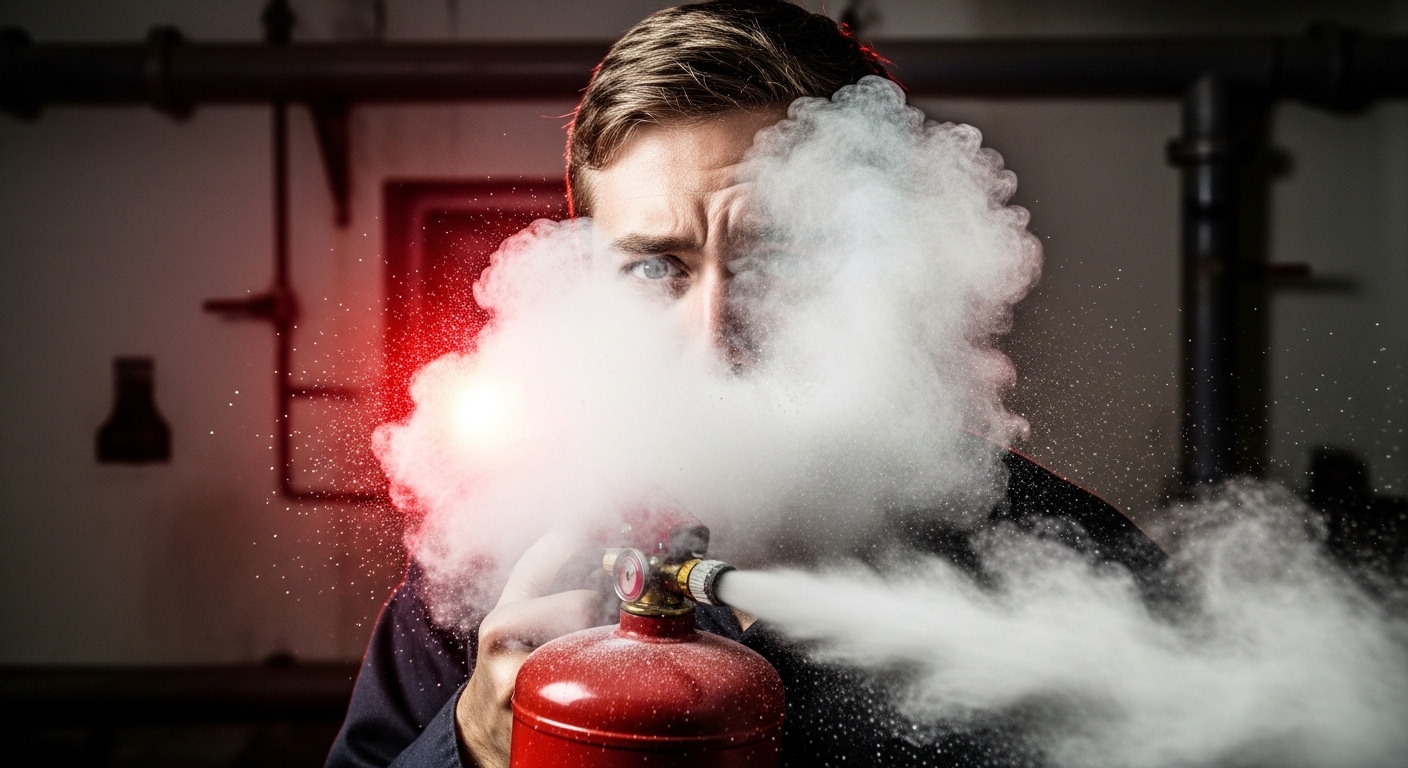

Yes, inhaling fire extinguisher powder can irritate your respiratory system immediately, causing coughing, throat and nasal irritation, and chest tightness.
Short-term exposure may lead to persistent coughing or breathing difficulty, especially if you have asthma or other lung conditions. Children, the elderly, and those with cardiovascular issues are more vulnerable.
You should leave the area promptly, seek fresh air, and consider medical care if symptoms last. Understanding how to protect yourself and the risks of repeated exposure is important.
Key Takeaways
- Inhaling fire extinguisher powder can cause throat irritation, coughing fits, and nasal sneezing due to fine particle inhalation.
- Short-term exposure may lead to chest tightness, shortness of breath, and airway inflammation requiring monitoring.
- Individuals with asthma, children, elderly, and those with cardiovascular issues face higher risks from inhalation.
- Immediate response includes moving to fresh air, drinking water, and using respiratory protection during exposure.
- Repeated inhalation risks chronic respiratory problems, systemic effects, and potential long-term damage.
Immediate Effects of Inhaling Fire Extinguisher Powder
Although inhaling fire extinguisher powder may seem minor, it can quickly trigger immediate respiratory symptoms such as coughing fits, throat irritation, and nasal sneezing.
Inhaling fire extinguisher powder can swiftly cause coughing, throat irritation, and nasal sneezing.
When you breathe in these fine particles, your body reacts by attempting to expel them, resulting in persistent coughing.
You may also notice a scratchy sensation in your throat and irritation in your nasal passages, causing sneezing.
This response stems from the powder’s abrasive and chemical properties, which irritate mucous membranes.
While these effects are generally transient, you could experience chest tightness or mild discomfort due to the powder’s impact on your respiratory tract.
Understanding these immediate reactions helps you recognize exposure risks and highlights the need for prompt removal from the contaminated environment to minimize further inhalation.
Proper cleanup and the use of PPE such as dust masks or respirators are essential to protect against prolonged inhalation of fire extinguisher residue.
Short-Term Respiratory Symptoms From Fire Extinguisher Powder
Building on the immediate effects, you may experience a range of short-term respiratory symptoms after inhaling fire extinguisher powder.
Coughing fits often occur as your body attempts to expel the irritating particles. You might feel a scratchy sensation or irritation in your throat, accompanied by nasal irritation and occasional sneezing.
Additionally, chest tightness and discomfort are common, potentially leading to shortness of breath or difficulty breathing. These symptoms result from the powder’s physical and chemical impact on your respiratory mucosa and airway tissues.
While typically transient, these responses signal inflammation and airway constriction. Prompt removal from exposure and fresh air can help alleviate symptoms.
Monitoring respiratory function is critical to ensure symptoms don’t escalate, especially if breathing difficulties persist or worsen after initial contact.
If a fire extinguisher is used, it is important to watch the area for signs of reignition while moving to safety.
Who Is Most at Risk From Fire Extinguisher Powder Exposure?
When you inhale fire extinguisher powder, certain groups face higher health risks due to their physiological vulnerabilities.
If you have pre-existing respiratory conditions like asthma or chronic bronchitis, your airways may constrict, intensifying symptoms such as wheezing, chest tightness, and shortness of breath.
Individuals with compromised lung function experience aggravated bronchitis-like effects and are more susceptible to chemical pneumonitis from high-level exposure.
Children and the elderly also show increased sensitivity due to less robust respiratory defenses.
Additionally, people with cardiovascular diseases may face systemic complications, including artery inflammation.
Your risk elevates markedly in enclosed spaces where powder concentration is higher, potentially leading to hypoxia or acute respiratory distress.
Understanding your specific vulnerabilities helps assess the severity of exposure and guides appropriate medical response.
Proper ventilation and maintaining clear airflow can reduce the accumulation of harmful airborne particles, lowering the risk of respiratory distress from inhaled substances like fire extinguisher powder and combustion byproducts.
How to Protect Yourself and What to Do If You Inhale Powder?
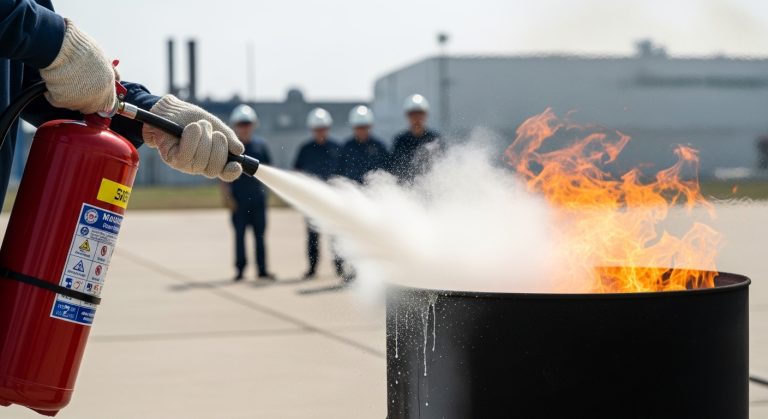
In environments where fire extinguisher powder is present, you should prioritize minimizing inhalation through proper protective measures. Use respiratory masks designed to filter fine particulates. Ensure adequate ventilation to disperse airborne powder and avoid direct exposure by maintaining distance when extinguishers discharge.
Minimize inhalation of fire extinguisher powder with masks, ventilation, and maintaining distance during discharge.
If you inhale powder, act immediately:
- Move to fresh air to reduce further inhalation and ease breathing.
- Drink water to soothe throat irritation and help clear particles.
- Seek medical attention if you experience persistent coughing, chest tightness, or difficulty breathing.
Prompt intervention prevents acute effects like chemical pneumonitis and hypoxia. Staying vigilant about your environment and reacting quickly minimizes health risks associated with powder inhalation.
Understanding how dry chemical agents work by interrupting the chemical chain reaction can help inform safe usage and handling of fire extinguishers.
Potential Long-Term Health Risks of Repeated Exposure
After addressing immediate responses to inhaling fire extinguisher powder, it’s important to recognize the risks posed by repeated exposure over time.
Chronic respiratory irritation can develop, leading to persistent inflammation and airway discomfort.
You may experience increased sensitivity or sensitization, which heightens your reaction to even small amounts of powder.
Prolonged inhalation can cause lasting breathing difficulties, resembling chronic bronchitis or asthma-like symptoms.
Additionally, chemicals from the powder may enter your bloodstream, potentially causing kidney damage.
There are also systemic concerns, such as artery inflammation and heightened cancer risk due to continuous toxin exposure.
Understanding these long-term risks underscores the importance of minimizing repeated contact and using adequate protective measures to safeguard your respiratory and overall health.
Similar to how steam particles can trigger respiratory irritation by mimicking harmful airborne substances, fire extinguisher powders can exacerbate these effects with repeated exposure.
Frequently Asked Questions
Can Fire Extinguisher Powder Cause Skin Allergies?
Yes, fire extinguisher powder can cause skin allergies. When you come into contact with the powder, your skin may react by releasing histamines, leading to rashes or irritation.
If you have sensitive skin or existing allergies, your reaction might be more pronounced. To minimize risk, you should wear protective gear and rinse the affected skin with water promptly after exposure.
Repeated contact can increase your sensitivity over time.
Is Ingesting Fire Extinguisher Powder Dangerous?
Yes, ingesting fire extinguisher powder is dangerous.
It can cause stomach upset, nausea, vomiting, and chemical irritation internally.
The chemicals may enter your bloodstream, risking kidney damage and systemic toxicity.
Large quantities increase these risks markedly.
If you accidentally ingest any amount, seek medical attention promptly.
Avoid exposure by handling extinguishers carefully, and always rinse your mouth thoroughly if contact occurs.
Are There Specific Heart Risks From Inhaling Fire Extinguisher Powder?
Yes, inhaling fire extinguisher powder can pose specific heart risks. The chemicals may cause artery inflammation, increasing cardiovascular strain.
You might experience chest pain or aggravated heart conditions, especially if you have pre-existing cardiovascular issues. The systemic toxicity can trigger inflammatory responses affecting heart function.
It’s vital you avoid heavy exposure and seek medical care if you experience any chest discomfort or symptoms suggesting heart involvement.
How Does Fire Extinguisher Powder Affect the Kidneys?
Fire extinguisher powder can harm your kidneys if chemicals enter your bloodstream, potentially causing kidney damage.
This occurs because toxins from the powder may trigger inflammation or cellular stress in renal tissues.
Repeated or heavy exposure increases this risk, leading to chronic kidney issues.
To protect your kidneys, avoid inhaling large amounts, ensure proper ventilation, and seek medical help if you suspect significant exposure or symptoms related to kidney function.
Can Repeated Exposure to Fire Extinguisher Powder Increase Cancer Risk?
Yes, repeated exposure to fire extinguisher powder can increase your cancer risk.
The chemicals in the powder may have carcinogenic properties when inhaled or absorbed over time.
Chronic exposure can lead to toxin accumulation in your body, potentially triggering cellular mutations.
To minimize this risk, you should limit contact, use protective gear, and ensure proper ventilation during handling.
Seeking medical advice after prolonged exposure is also important.
Safety Matters: The Hidden Risks of Fire Extinguisher Powder
If you inhale fire extinguisher powder, you might experience immediate coughing or short-term respiratory irritation.
For example, a firefighter exposed repeatedly during training reported persistent throat discomfort, highlighting risks of repeated exposure.
To protect yourself, avoid inhaling the powder and seek fresh air immediately if exposed.
While occasional contact may cause mild symptoms, repeated inhalation can lead to more serious respiratory issues. Always prioritize safety and proper ventilation during use.