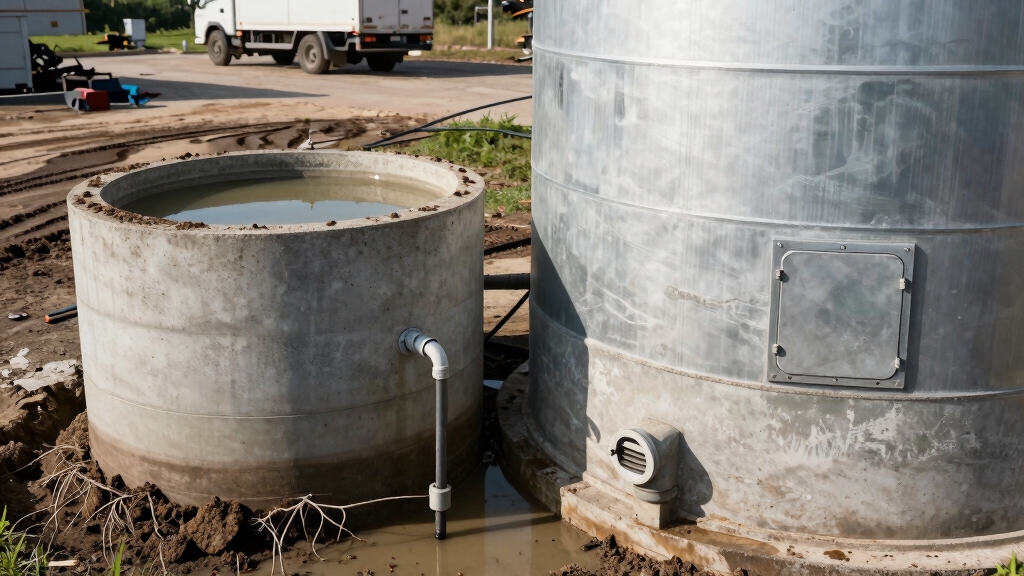

You’ll want a septic tank if your soil conditions allow it since it treats waste onsite using anaerobic digestion and soil filtration. This reduces pumping frequency to every three to five years.
Holding tanks simply store sewage without treatment, needing pumping roughly monthly. This drives higher ongoing costs and environmental risks.
Holding tanks suit areas where septic systems aren’t feasible due to regulations or poor soil. Understanding these key differences helps you pick the best system for your property’s needs.
Key Takeaways
- Septic tanks treat wastewater onsite using bacteria, while holding tanks only store sewage without treatment.
- Holding tanks require frequent pumping, often monthly, whereas septic tanks need pumping every three to five years.
- Septic systems depend on suitable soil for effluent dispersal, while holding tanks are used when soil or regulations prohibit septic systems.
- Holding tanks pose higher environmental risks due to potential leaks and contamination from lack of internal treatment.
- Septic tanks generally have longer lifespans and lower ongoing costs compared to holding tanks due to less frequent maintenance.
Holding Tank vs Septic Tank: Key Differences at a Glance
| Feature | Septic Tank | Holding Tank |
|---|---|---|
| Primary Function | Treats wastewater onsite using anaerobic bacteria | Stores sewage only, no treatment |
| Wastewater Treatment | Partial treatment before soil filtration | No treatment at all |
| Pumping Frequency | Every 3–5 years | Monthly or more often |
| Ongoing Maintenance Cost | Lower long-term costs | High recurring pumping costs |
| Average Pumping Cost | Higher per service, infrequent | ~$150 per pumping, frequent |
| Soil Requirement | Requires suitable, permeable soil | No soil treatment required |
| Environmental Impact | Lower risk due to built-in treatment | Higher risk of leaks and contamination |
| Installation Cost | Higher upfront investment | Lower upfront installation cost |
| System Lifespan | 20–40 years with proper care | Decades with strict maintenance |
| Regulatory Acceptance | Widely accepted where soil allows | Often restricted or permit-based |
| Best Suited For | Long-term residential use | Areas where septic systems aren’t permitted |
| Long-Term Cost Efficiency | More economical over time | Expensive due to frequent pumping |
Which Tank Is Right for You? Holding vs. Septic Tank Basics?
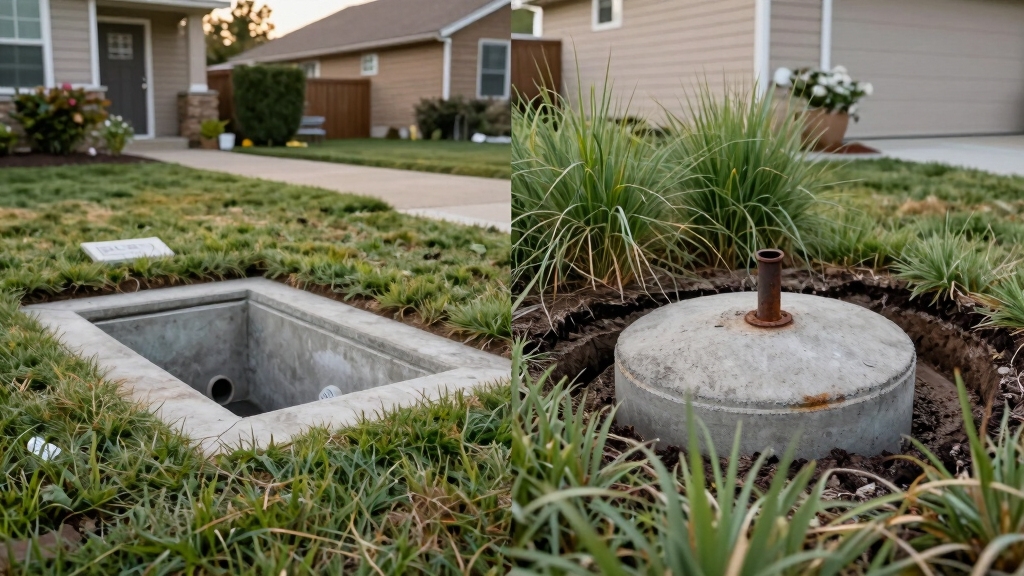
When deciding between a holding tank and a septic tank, you need to weigh how each system manages sewage and fits your property’s requirements.
Choosing between a holding tank and septic system depends on sewage handling and your property’s needs.
A holding tank stores all sewage in a watertight container without treatment, requiring regular pumping and off-site disposal.
This system lacks soil discharge and treatment functions, making it suitable for properties where septic systems aren’t allowed due to soil conditions or regulations.
Conversely, a septic tank facilitates anaerobic digestion of waste through bacteria and enzymes.
This process partially treats sewage before releasing effluent into the soil via an outlet system.
This process reduces contaminants and relies on soil filtration for final treatment.
Your choice depends on local codes, soil permeability, and whether you can support periodic pumping or prefer a system with built-in sewage treatment capabilities on-site.
Regular pumping frequency and maintenance are critical to ensure septic tanks operate effectively and avoid costly failures.
Maintenance Requirements and Pumping Frequency Compared
Pumping a holding tank? Well, you’re looking at doing that roughly once a month. That can really add up in terms of both costs and effort, right?
On the flip side, septic tanks are a bit easier on the maintenance side. You typically only need to have them pumped every three to five years. That’s a significant reduction in how often you have to deal with it, which means less hassle and lower expenses overall.
Regular maintenance, like timely pumping, is key to preventing costly repairs and ensuring system longevity, similar to how routine maintenance extends sump pump life.
Pumping Frequency Differences
Typically, holding tanks demand pumping far more frequently than septic tanks due to their lack of internal treatment processes.
Since holding tanks merely store sewage without decomposition, you must arrange for manual pumping roughly every month, or even more often with high water usage.
In contrast, septic tanks facilitate anaerobic digestion, which considerably reduces sludge volume and extends pumping intervals to an average of three to five years. This biological treatment lessens the frequency of professional maintenance you’ll need.
However, you should still monitor both systems regularly to prevent overflows or malfunctions. Regular inspection and pumping schedules are essential to prevent solids exceeding tank capacity, which can lead to system failure.
Understanding these frequency differences helps you plan maintenance schedules effectively, ensuring system longevity and environmental protection without unnecessary service calls.
Cost Implications Of Pumping
Regular pumping of holding tanks can quickly become a significant expense due to their frequent maintenance needs. This often occurs monthly or more depending on water use.
Each pumping service typically costs around $150, meaning if you pump every three days, expenses can exceed $18,000 annually. In contrast, septic tanks require pumping only every three to five years, substantially reducing ongoing costs.
Although septic tank pumping is pricier per service, the infrequency balances long-term expenses. You should also consider that holding tanks lack treatment capability, so you’re paying for constant removal without onsite processing.
Consequently, if you rely on a holding tank, expect higher cumulative pumping fees. Septic systems offer more economical pumping frequency aligned with their biological treatment function.
Efficient water use can modestly extend holding tank pumping intervals but won’t match septic tank cost advantages.
To avoid damaging your system and ensure proper maintenance, it is important to locate the septic tank accurately before any digging or yard work.
Maintenance Strategies Comparison
Although both holding tanks and septic tanks require maintenance, their strategies and frequencies differ markedly due to their functional designs.
Holding tanks need frequent pumping, usually monthly, because they store all sewage without treatment. In contrast, septic tanks perform partial treatment and need pumping every three to five years to remove sludge buildup.
Your choice affects labor, cost, and system longevity. Regular inspections and maintenance are also crucial to prevent solids buildup and costly failures in septic systems.
| Aspect | Holding Tank |
|---|---|
| Pumping Frequency | Monthly or more |
| Maintenance Type | Routine pumping only |
| Treatment Function | None |
| Cost per Pumping | Approx. $150 |
| Longevity Impact | Depends on pumping regularity |
| Aspect | Septic Tank |
| Pumping Frequency | Every 3-5 years |
| Maintenance Type | Pumping plus system checks |
| Treatment Function | Anaerobic sewage digestion |
| Cost per Pumping | Higher per service, less frequent |
| Longevity Impact | Prolonged with proper care |
Installation Costs and Long-Term Expenses for Holding and Septic Tanks
When it comes to holding tanks, you’ll notice that they’re cheaper to install right off the bat. This is mainly because they’ve a simpler design.
However, don’t forget that you’ll need to pump them out quite often, and that can really add up over time. So, while the initial cost is lower, the ongoing expenses can get pretty steep.
On the flip side, septic tanks do require a bigger upfront investment. But here’s the good news: they don’t need as much maintenance, and the costs for that maintenance are generally more manageable in the long run.
It’s all about weighing those initial installation costs against what you’ll be spending down the line. Balancing your budget now with future financial commitments is key!
Additionally, ensuring proper septic tank placement with adequate setbacks can help reduce costly repairs and prolong the system’s lifespan.
Initial Installation Expenses
When considering installation expenses, holding tanks generally cost less upfront due to their simpler design and construction requirements.
You’ll find holding tanks require less excavation and fewer materials, making initial labor and equipment costs lower. They’re suitable where local regulations restrict septic system installation or soil conditions prevent effective leach field construction.
In contrast, septic tanks demand a higher initial investment because they include anaerobic treatment components and a drain field, which require extensive site evaluation and precise installation.
Although septic tanks cost more initially, their design supports long-term functionality, reducing the need for frequent intervention.
Your choice depends on budget constraints, site suitability, and compliance with regulatory standards. Understanding these upfront costs helps you plan effectively for a sustainable wastewater management system.
It is essential to conduct proper pressure testing procedures during installation to ensure system integrity and prevent costly failures.
Ongoing Maintenance Costs
Regularly maintaining your wastewater system is essential to avoid costly repairs and guarantee efficient operation.
Holding tanks require frequent pumping, often monthly, costing around $150 per service. This can total over $18,000 annually if pumped every three days.
Septic tanks, however, need professional pumping only every three to five years, greatly reducing long-term expenses despite higher upfront installation costs.
You’ll save money over time with septic systems due to less frequent maintenance and natural anaerobic treatment that reduces sludge buildup.
Conversely, holding tanks demand constant monitoring and water conservation to extend pumping intervals.
Understanding these ongoing costs helps you choose a system that aligns with your budget and maintenance capabilities while ensuring reliable wastewater management.
Lifespan and Durability of Holding and Septic Tanks
Although both holding tanks and septic tanks can function effectively for extended periods, their lifespan and durability depend heavily on proper maintenance and environmental factors.
You can expect a well-maintained septic tank to last 20 to 40 years, benefiting from its robust construction and anaerobic treatment process. However, neglecting maintenance risks leaks, pipe ruptures, or drain field flooding.
Holding tanks, while simpler, also last decades if you perform regular pumping and upkeep to prevent structural damage. Still, they lack the self-treatment ability of septic tanks, so their watertight integrity is critical.
Environmental conditions like soil type, groundwater levels, and flooding can affect both systems’ durability. Ultimately, consistent inspection and timely servicing are essential to maximize the lifespan and prevent costly repairs or system replacement.
Environmental Impact of Holding Tanks and Septic Tanks
Because holding tanks lack treatment or filtration mechanisms, they pose a higher risk to groundwater contamination if leaks or spills occur.
You rely entirely on external pumping services to remove waste, increasing the chances of accidental discharge during transfer.
In contrast, septic tanks provide anaerobic decomposition, reducing organic load and pathogens before effluent disperses into the soil.
This built-in treatment decreases contaminant infiltration into groundwater, making septic systems environmentally preferable.
However, both systems require proper maintenance to prevent leaks or overflows.
Holding tanks demand frequent pumping, increasing operational risks, while septic tanks, pumped less often, still depend on soil conditions for effective filtration.
You should weigh these environmental factors carefully when choosing a system, as septic tanks generally offer superior protection against groundwater pollution compared to holding tanks.
Regular maintenance and inspection are critical to ensuring system integrity and preventing environmental harm.
Local Regulations and Installation Guidelines for Both Systems
When selecting between holding tanks and septic systems, you must navigate local regulations that dictate permissible installation practices. These regulations vary based on soil conditions, environmental impact, and public health considerations.
Holding tanks often require special permits and regular inspections, especially in regions with strict environmental protections. Septic systems, preferred for long-term use, must comply with building codes governing tank placement, soil percolation rates, and drainage field design.
You’ll need to guarantee holding tank access covers are positioned for efficient pumping service. Installation costs and local ordinances often influence system choice, with some areas prohibiting holding tanks due to potential groundwater risks.
Ultimately, adherence to these regulations secures system safety, longevity, and environmental compliance. This minimizes risks of contamination or failure. Always consult local authorities before installation to confirm applicable requirements and obtain necessary permits.
Proper ventilation and maintenance are critical to avoid blocked vents which can lead to hazardous gas buildup around these systems.
Frequently Asked Questions
Can Holding Tanks Be Converted Into Septic Tanks Later?
You generally can’t convert a holding tank into a septic tank because holding tanks lack the necessary outlet and soil discharge system for anaerobic treatment.
To switch, you’d need to install a proper septic system with a drain field, which involves significant excavation and permits.
It’s more practical to install a new septic tank rather than retrofit a holding tank, especially considering local regulations and soil suitability requirements for septic systems.
What Are Common Signs of Septic Tank Failure?
If your yard starts looking like the aftermath of a heavy rainstorm with soggy patches or foul odors, you might be facing septic tank failure.
You’ll notice slow drains, sewage backups, or lush, green grass over the drain field.
These signs indicate leaks, clogged pipes, or a saturated system requiring immediate attention.
Ignoring them can lead to costly repairs, groundwater contamination, and environmental hazards, so act promptly to maintain your system’s integrity.
How Does Extreme Weather Affect Holding and Septic Tanks?
Extreme weather can challenge your holding and septic tanks differently.
Holding tanks risk overflow during heavy rains since they lack discharge outlets, requiring more frequent pumping.
Septic tanks may face floating or pipe damage if floods saturate soil, especially if not properly weighted.
Freeze-thaw cycles can damage both tanks’ structural integrity.
You should inspect systems after severe weather to prevent leaks, backups, or environmental contamination.
Regular maintenance is essential in these conditions.
Are There Odor Control Methods for Holding Tanks?
You won’t believe how effective odor control methods for holding tanks can be!
You can use chemical additives that break down waste and neutralize smells, or install vent filters to trap odors before they escape.
Regular pumping is vital to prevent buildup, and maintaining an airtight cover helps keep odors contained.
Combining these techniques guarantees your holding tank stays as odor-free as possible, protecting your environment and comfort efficiently.
Can Additives Improve Septic Tank Performance?
Yes, additives can improve septic tank performance by enhancing bacterial activity and accelerating organic matter breakdown.
You’ll find enzyme-based or bacterial additives designed to boost anaerobic digestion, reduce sludge buildup, and minimize odors.
However, consistent use isn’t always necessary if your septic system is well-maintained.
Overreliance on additives might disrupt natural microbial balance, so consult a professional before starting treatment to make certain compatibility with your tank’s conditions.
Choosing a Tank That Protects Your Property and the Planet
Choosing between a septic tank and a holding tank isn’t just about cost or maintenance. It’s about what fits your lifestyle and environmental responsibility.
You might think one option is simpler, but the long-term impact could surprise you. Before deciding, consider local regulations, durability, and how often you’re willing to pump.
The right tank can protect your property and the environment, so don’t rush. Your choice matters more than you realize.