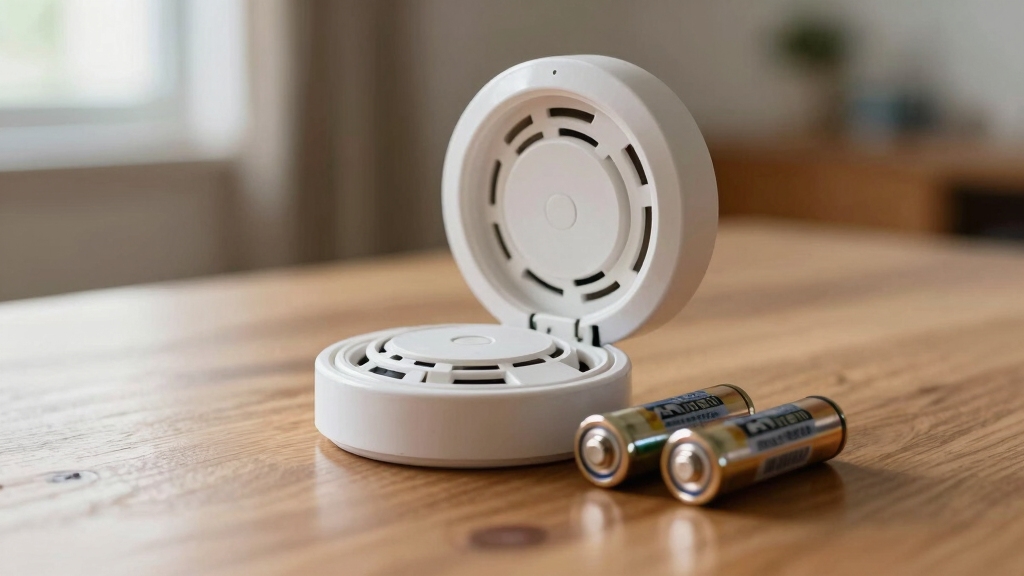

You’ll find smoke detectors powered mostly by 9V alkaline batteries, offering 6–12 months of reliable life, or AA batteries that last longer with more energy capacity.
Advanced models use CR123A lithium cells or sealed 10-year lithium batteries, ensuring steady voltage and extended lifespans up to a decade.
Rechargeable options exist but have limitations. Some detectors also use AAA batteries or combine mains power with battery backup for safety.
Understanding battery types helps you choose the best fit for your detector’s needs.
Key Takeaways
- Most smoke detectors use 9V alkaline batteries as standard power sources for ionization and photoelectric sensors.
- AA alkaline batteries are increasingly common, offering longer runtime and easier replacement in modern standalone alarms.
- AAA batteries, often in threes, supply about 4.5V and support continuous sensor function with stable power output.
- Lithium 9V and lithium AA/AAA batteries provide longer life, better temperature performance, and lower leakage risk.
- Smart alarms frequently use CR123A lithium batteries for stable 3V output and support advanced wireless and detection features.
Common 9V Alkaline Batteries in Smoke Detectors
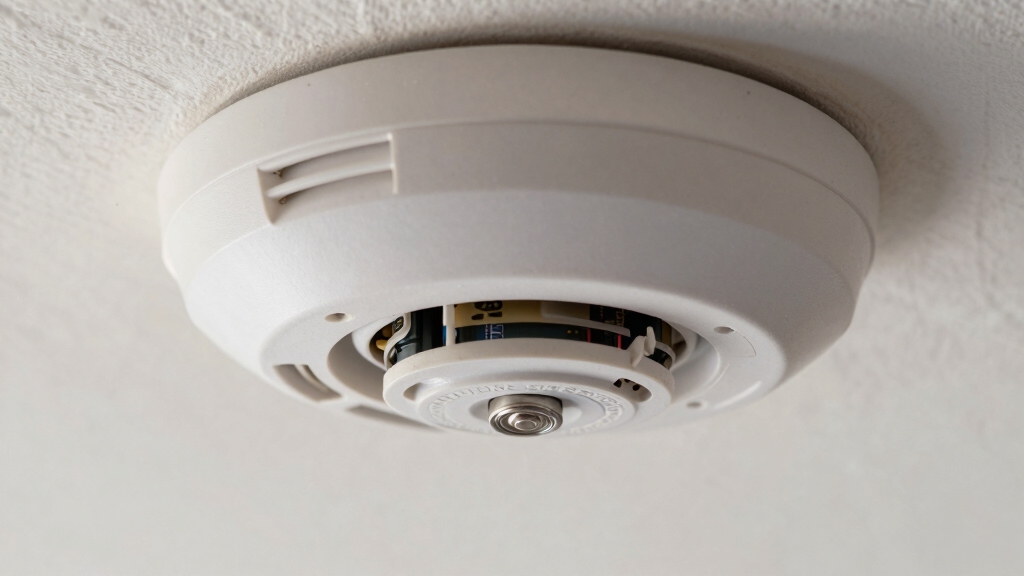
Common 9V alkaline batteries consistently serve as the primary power source for most smoke detectors, offering a reliable voltage output tailored to traditional device requirements.
These batteries power devices that typically use ionization sensors and sound alarms at around 85 dB. You’ll find these batteries deliver around 500-565 mAh capacity, supporting ionization sensors and 85 dB alarms effectively.
Their design aligns well with the steady energy needs of photoelectric and ionization smoke alarms. Typically, their lifespan ranges from 6 to 12 months, depending on power consumption and environmental conditions.
Brands like Kidde guarantee up to two years or replacement. These batteries are mercury and cadmium-free and widely available at low cost, making them a practical choice for households.
However, you should anticipate frequent replacements due to moderate self-discharge and leakage risks. Avoid mixing old and new or different brands to maintain performance.
Installation is straightforward, compatible with most smoke, gas, and carbon monoxide detectors requiring 9V input.
For enhanced longevity and fewer replacements, some modern smoke detectors use sealed 10-year lithium batteries built into the unit.
Advantages of AA Batteries in Modern Smoke Alarms
While traditional smoke detectors often rely on 9V batteries, modern alarms increasingly utilize AA batteries due to their higher energy capacity and versatility.
You’ll find AA-powered smoke alarms easier to install and maintain, especially in homes lacking wiring infrastructure or for renters. Additionally, proper installation processes ensure the device functions securely and effectively.
Their superior energy density supports longer runtimes and powers advanced dual-sensor units reliably.
Rechargeable NiMH AA batteries enhance sustainability while reducing costs and waste.
Overall, AA batteries provide a dependable and cost-effective power source critical for safety devices.
- Require no electrical wiring; ideal for standalone and portable units
- Deliver about three times the energy of 9V batteries, extending runtime
- Rechargeable options last years with hundreds of recharge cycles
- Offer consistent voltage, minimizing risk of unexpected failure
- Widely available and reduce long-term replacement expenses
- Dual-sensor smoke alarms sometimes use multiple AA batteries to ensure backup power during outages
Benefits of Lithium 9V Batteries for Smoke Detectors
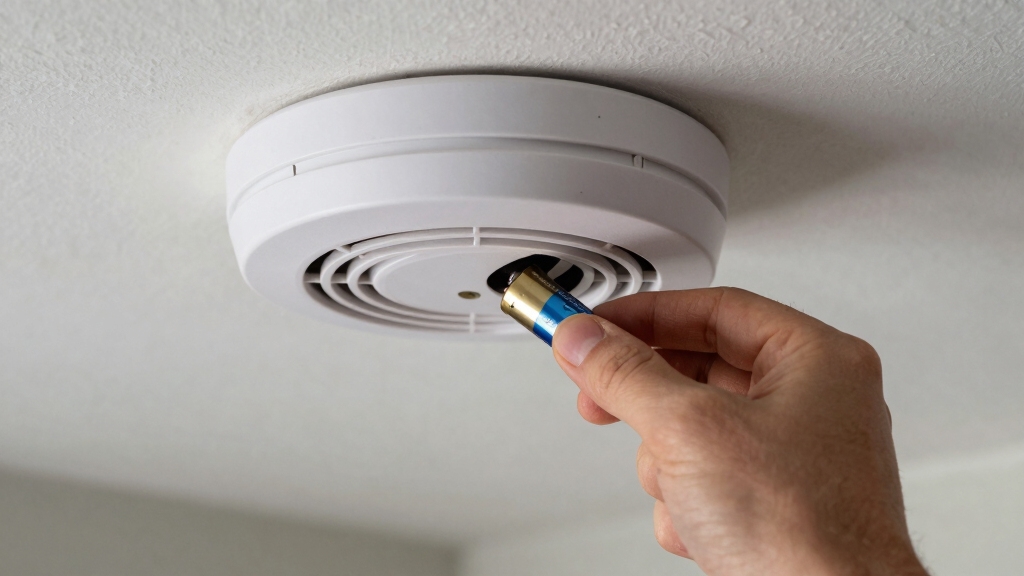
AA batteries offer convenience and reliability, but lithium 9V batteries bring distinct advantages that cater to different performance and maintenance needs in smoke detectors.
You benefit from a significantly longer lifespan, up to 10 years, matching the typical smoke detector life and reducing replacement frequency. Their consistent voltage output is maintained through advanced photocell sensor technology that ensures reliable energy delivery.
Lithium’s low self-discharge rate ensures reliable charge retention, even during inactivity. These batteries maintain consistent voltage, supporting stable sensor operation and preventing unexpected device failures, which is vital for hardwired detectors.
Their superior performance in extreme temperatures and resistance to leakage enhance safety and device integrity. Additionally, lithium 9V batteries have a lower risk of leakage and corrosion, which helps protect the smoke detector from damage.
Although lithium 9V batteries carry a higher upfront cost, their extended lifespan and reduced maintenance demands offer greater cost-effectiveness over time, especially for detectors in hard-to-reach locations or integrated with advanced smart features.
Using CR123A Lithium Batteries in Smart Smoke Alarms
CR123A lithium batteries are a great choice for smart smoke alarms. They provide a steady 3V output, which is super important for the sensitive electronics and wireless functions in these devices.
Plus, their high capacity and sealed lithium design mean you can expect them to last anywhere from 3 to 10 years, depending on how much you use them.
The BRK First Alert SC5 Smart Smoke and Carbon Monoxide Alarm, for example, uses a 10-year sealed lithium battery that ensures long-lasting, reliable power without the hassle of frequent replacements.
Keep in mind that replacing these batteries typically involves specialized labor due to the sensitive nature of smart alarms.
What’s really cool is that this voltage stability ensures your smoke alarm performs consistently. That means features like Precision Detection and interconnectivity can work without any hiccups or premature power loss.
So, you can have peace of mind knowing your smoke alarm is always ready to go!
CR123A Battery Benefits
Frequently chosen for smart smoke alarms, CR123A lithium batteries deliver consistent 3V voltage throughout their discharge cycle, ensuring reliable performance in critical safety devices.
Their lithium manganese dioxide chemistry maintains voltage stability superior to alkaline alternatives, essential for uninterrupted alarm function. You’ll appreciate their high energy density, packing up to 2500mAh in a compact form, supporting power-hungry smart features.
These batteries excel in extreme temperatures from -20°C to +60°C, guaranteeing dependability regardless of installation environment. Their stable output and robust design also reduce the risk of electromagnetic interference affecting nearby sensitive devices.
The Panasonic CR123A model, for example, comes in 12 units per pack, making it convenient for industrial or bulk use.
Their high discharge capability handles current spikes necessary for wireless communications without failure, while built-in safety features minimize leakage and eliminate recharge risks.
- Stable 3V output across entire discharge
- Energy capacity up to 2500mAh in compact size
- Reliable operation in -20°C to +60°C range
- Supports high current pulses up to 3000mA
- Enhanced safety with long shelf life and leak resistance
Longevity in Smart Alarms
Building on the reliable performance of CR123A lithium batteries, their longevity makes them ideal for smart smoke alarms. These batteries maintain operational integrity for up to 10 years, with variants like CR17335 exceeding this lifespan in ionization detectors.
You benefit from a low self-discharge rate, ensuring stable power over extended periods without degradation.
Smart alarms, such as the First Alert SC5, utilize multiple CR123A cells to support continuous smoke and CO monitoring, paired with app-based low battery alerts that prevent nuisance chirps.
Unlike sealed 10-year units requiring full replacement, CR123A batteries are user-replaceable, enabling maintenance without discarding the alarm.
Their wide temperature tolerance (-20°C to +70°C) further guarantees consistent performance across diverse environments, enhancing system reliability and user control for long-term safety.
Regular maintenance and timely replacement are crucial to maintain security features and ensure uninterrupted alarm function.
Selecting the right battery is critical because power source issues are the most common reason smoke alarms fail to operate.
Voltage Stability Features
When selecting batteries for smart smoke alarms, maintaining a stable voltage output is critical to guaranteeing consistent sensor performance.
CR123A lithium batteries deliver a nominal 3V throughout their discharge cycle, thanks to lithium manganese dioxide chemistry. This prevents voltage sag under load and ensures consistent power delivery to the alarm system.
This stability supports reliable sensor operation and uninterrupted alarm function, even in interconnected systems.
Key voltage stability features include:
- Consistent 3V output throughout battery life
- Low self-discharge rate for dependable power
- High energy density supporting high-drain devices
- Wide operating temperature range (-20°C to +70°C)
- Compliance with UL 1642 and IEC 60086-4 safety standards
CR123A batteries typically provide a 3–5 year lifespan, making them well-suited for smart and wireless smoke detectors despite the slightly reduced longevity caused by interconnected usage.
These attributes guarantee your smart smoke alarms operate reliably under varied conditions without performance drops.
Features of 10-Year Sealed Lithium Batteries
10-year sealed lithium batteries deliver a long-life power supply that guarantees your smoke detector operates continuously without the need for replacement.
Their lithium metal composition assures extended performance far beyond traditional alkalines, while the sealed design prevents tampering and accidental removal.
Activation happens automatically upon installation, streamlining setup. These batteries support ultra-low standby current (under 6 microamps), maintaining reliable power for dual-sensor systems and consistent detection.
They sustain alarm current below 30 milliamps, enabling prolonged alerting. Operating efficiently across 40°F to 100°F, they provide uninterrupted protection.
The First Alert PR710 model incorporates this battery technology with a slim, low-profile design that mounts on walls or ceilings.
The sealed battery also eliminates recurring replacement costs and maintenance hassles, backed by a 10-year limited warranty. Compliance with UL 217 and state regulations addresses failure rates seen in older models.
Their compact design and tamper-resistant features enhance secure, unobtrusive installation. Proper maintenance practices help ensure these batteries and smoke detectors function reliably throughout their lifespan.
Sealed Lead-Acid Batteries in Fire Alarm Panels
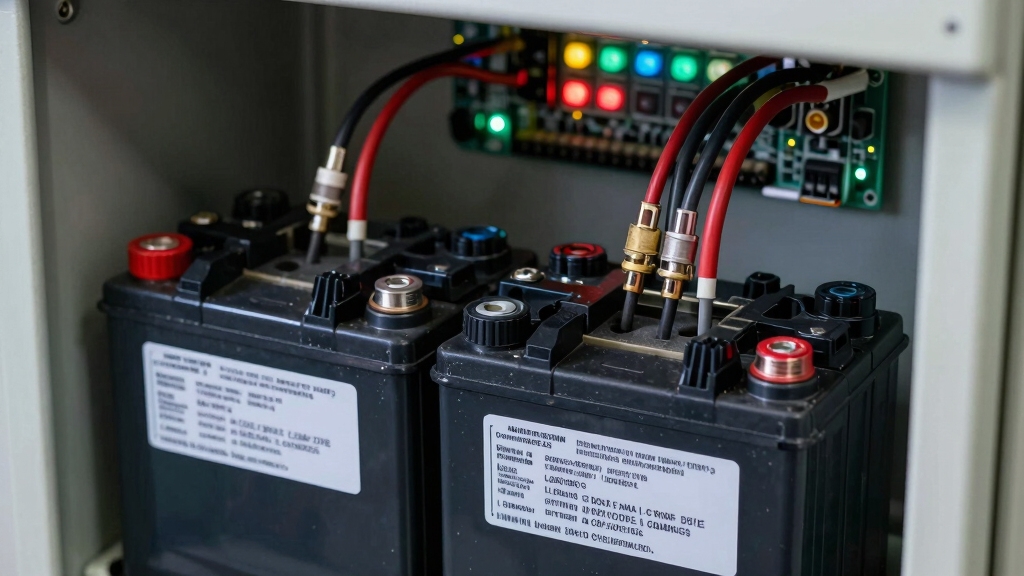
When it comes to powering fire alarm panels, sealed lead-acid (SLA) batteries are often the go-to choice. Why?
Well, they’ve got a solid track record for reliability, and they don’t break the bank either!
Their widespread use is supported by standards and testing that ensure dependable performance in critical systems.
Now, when you’re picking out an SLA battery, there are a few things you need to keep in mind.
You’ll want to think about the capacity calculations based on both standby and alarm currents. This is super important to ensure you get the backup duration you need in case of an emergency.
On the bright side, SLA batteries are a breeze to maintain. Their sealed, rechargeable design means you won’t need to worry about checking electrolytes or adding water. That’s one less thing on your plate!
Additionally, these batteries are required to provide at least 24 hours standby plus 5 minutes full alarm load according to NFPA 72 standards, ensuring system readiness during power interruptions.
Fire Panel Battery Types
Sealed lead-acid (SLA) batteries form the backbone of fire alarm panel power systems due to their reliable performance and robust construction.
You’ll find these batteries typically operate at a 12V nominal voltage, with capacities ranging from 7 Ah for small panels to 110 Ah for large installations.
The commonly used 12 Volt, 12 Ah SLA battery offers a balance between size and capacity, with dimensions of approximately 5.94″ length, 3.90″ width, and 3.94″ total height, making it suitable for many standard fire alarm panels physical dimensions.
Proper maintenance and timely replacement based on system inspection schedules ensure optimal battery performance and safety.
Their lead-calcium grid and immobilized electrolyte guarantee durability and maintenance-free operation.
When selecting a battery, you’ll calculate required capacity using system current draws and a safety factor to guarantee consistent backup power.
Key attributes include:
- Rechargeable technology supporting multiple cycles
- Low self-discharge for extended standby periods
- Faston terminal connections for secure attachment
- Temperature tolerance from –20°C to 50°C
- Standardized dimensions fitting various panel sizes
These features make SLA batteries ideal for dependable fire panel power.
SLA Battery Maintenance
Regular maintenance of SLA batteries in fire alarm panels primarily involves monitoring voltage levels and verifying connection integrity to guarantee reliable backup power.
SLA batteries are known for their durability and low maintenance requirements, making them suitable for critical safety applications.
Although SLA batteries are maintenance-free due to their sealed design, you must conduct regular voltage checks and make certain terminals remain clean and secure.
NFPA 72 mandates annual testing once capacity drops below 80%, including a 30-minute discharge test to confirm operational power.
Servicing intervals of six months are advisable for non-vented SLA batteries, especially in environments with temperatures approaching 85-90°F, which accelerate degradation.
You should replace SLA batteries every 3 to 5 years per manufacturer guidelines to avoid failure during power outages.
Maintaining appropriate ambient conditions and adhering to testing protocols ensures the batteries meet UL 864 and NFPA 72 performance standards, keeping your fire alarm system reliable.
Rechargeable Battery Options for Smoke Detectors
Evaluating rechargeable battery options for smoke detectors requires careful evaluation of their inherent limitations.
Most manufacturers discourage their use due to higher self-discharge rates, which lead to faster charge loss during inactivity.
For example, NiMH batteries, common rechargeables, have voltages slightly below standard 9V and demonstrate unreliable performance in critical safety devices.
Lithium-ion rechargeables, while promising in other electronics, are typically non-rechargeable and integrated for long life in detectors.
Key points to evaluate:
NiMH rechargeables have 200-300 cycle life but higher self-discharge.
Rechargeables may cause battery door fit issues.
Alkaline or fixed-life lithium batteries are preferred.
Manufacturer guidelines usually exclude rechargeables.
Rechargeables’ environmental benefits come with shorter effective lifespan in alarms.
It is important to always check manual for compatibility before using any rechargeable battery in a smoke detector.
Role of AAA Batteries in Smoke Detection Devices
Frequently, modern smoke detectors rely on three AAA batteries arranged in series to supply the necessary 4.5 volts for reliable sensor operation.
Each AAA cell provides 1.5 volts, and combined, they meet the voltage requirements for both photoelectric and ionization sensors.
Their alkaline chemistry offers a stable power output over a 3-5 year lifespan, markedly outperforming traditional 9V batteries that require more frequent replacement.
AAA batteries’ compact size (44.5mm height) enables streamlined device design while maintaining sufficient capacity (800-1200 mAh) to support continuous sensor function.
The DSC PG9936 PowerG Wireless Smoke and Heat Detector, for example, uses 3 AAA batteries included to achieve a typical battery life of about three years.
Lithium AAA variants further enhance reliability by extending operational life up to eight years and ensuring stable voltage under temperature fluctuations.
This configuration reduces maintenance frequency, optimizes energy efficiency, and supports consistent alarm performance in contemporary smoke detection devices.
Mains-Powered Smoke Alarms With Battery Backup
When it comes to mains-powered smoke alarms, having a battery backup is super important. You never know when there might be a power outage, and you want to make sure you’re always protected.
Now, there are several backup options you might come across, like AA batteries, 9V batteries, or even sealed 10-year lithium batteries.
Each of these has its own pros and cons when it comes to how long they last—some might last just a few months, while others can provide backup for an entire decade!
Many hardwired Kidde alarms offer a 10-year battery backup option that eliminates the need to change batteries.
So, it’s really helpful to know what kind of backup runtime you can expect from your smoke alarm. This knowledge can help you plan for maintenance and ensure that your alarm stays operational when you need it the most.
Battery Backup Types
Mains-powered smoke alarms almost always include battery backups to maintain functionality during power outages. You’ll find several battery types used for these backups, each with distinct energy capacities and lifespans suited to different needs.
Traditional 9V alkaline batteries last 6-12 months in backup roles. AA alkaline batteries offer 12-18 months and higher energy storage.
AA batteries actually contain about three times as much energy as a 9V, making them a popular choice in many newer alarms. CR123A lithium batteries power high-performance alarms for 3-5 years.
10-year sealed lithium batteries eliminate user replacement and maintenance. Interconnected hardwired models often combine mains power with battery backups for enhanced reliability.
Choosing the right backup battery type guarantees continuous smoke alarm operation, even during outages, while balancing maintenance frequency and regulatory compliance.
Regular checks and biannual replacements are recommended to ensure the batteries remain effective.
Backup Duration Expectations
Backup batteries typically power smoke alarms for a minimum of seven days without electricity, guaranteeing continuous protection during extended outages.
This duration aligns with fire safety standards and building codes, offering reliable operation throughout typical power failure scenarios.
Modern hardwired smoke alarms utilize sealed 10-year lithium batteries that sustain backup power without replacement or maintenance, eliminating low-battery alerts.
Upon mains power loss, these detectors instantly switch to battery backup, maintaining indefinite operation and continuous monitoring.
Traditional 9-volt batteries require biannual replacement, usually timed with Daylight Saving adjustments, to uphold compliance and functionality.
In practical terms, backup batteries endure months of standby use, as idle monitoring consumes minimal power.
Some brands document temperature-related chirp behavior, indicating that low battery alerts may be influenced by ambient conditions.
Ultimately, whether using lithium or replaceable batteries, the backup system guarantees uninterrupted alarm performance during power outages, safeguarding occupants effectively.
Comparing Battery Lifespan and Performance in Smoke Detectors
Frequently, choosing the right battery for your smoke detector hinges on balancing lifespan against performance under varying conditions.
You must consider not only how long the battery lasts but also how consistently it delivers power, especially in extreme temperatures or remote locations.
9V alkaline batteries last 6–12 months with nominal capacity ~500 mAh, requiring yearly replacement. AA alkalines offer 12–24 months lifespan and roughly triple energy compared to 9V cells.
Lithium 9V/AA batteries extend life to 5–10 years, maintaining stable voltage in harsh environments. CR123A lithium batteries support smart detectors with 3–5 years lifespan but may drain faster due to wireless use.
10-year sealed lithium batteries provide maintenance-free operation but necessitate full detector replacement at end-of-life. Selecting the best battery depends on your detector type, installation site, and maintenance preferences.
Frequently Asked Questions
How Do Temperature Extremes Affect Smoke Detector Battery Performance?
You’ll notice alkaline batteries lose efficiency quickly above 40°C, drastically shortening their 6-12 month lifespan due to accelerated self-discharge.
In contrast, lithium batteries maintain stable voltage and low self-discharge even in heat, supporting smoke detectors for up to 10 years.
Cold temperatures cause alkaline voltage drops and higher internal resistance, impairing performance.
Lithium types reliably operate across wide temperature ranges, making them superior for extreme environments.
Can Expired Batteries Cause False Alarms in Smoke Detectors?
Yes, expired batteries can cause false alarms in smoke detectors. As batteries age and degrade, they provide inconsistent power, triggering intermittent chirps or false alerts.
This instability can disrupt the detector’s sensing mechanisms, leading to random alarms. To guarantee reliable function, you should replace batteries annually and test the detector afterward.
Using sealed 10-year lithium batteries or smart units with battery alerts also helps minimize false alarms from battery-related issues.
What Is the Environmental Impact of Disposing Smoke Detector Batteries?
You know what they say: “An ounce of prevention is worth a pound of cure.”
Disposing of smoke detector batteries improperly releases toxic metals and chemicals, contaminating soil and water.
Lithium-ion batteries pose fire hazards during waste handling, risking thermal events.
Crushing ionization detectors can spread radioactive material.
You must recycle batteries separately and use manufacturer take-back programs to minimize environmental damage and comply with hazardous waste regulations.
This helps prevent costly pollution and health risks.
Are There Specific Battery Brands Recommended for Smoke Alarms?
Yes, manufacturers like Kidde recommend specific 9-volt battery models to guarantee peak smoke alarm performance.
You should prioritize premium brands such as Energizer, which delivered the highest capacity (1888 mAh) in tests, over generic options.
While off-brand batteries work if replaced annually, using manufacturer-specified or premium batteries reduces failure risks.
First Alert’s sealed lithium batteries also offer a maintenance-free 10-year lifespan, improving reliability and safety.
How Can I Safely Test Battery Voltage in a Smoke Detector?
Imagine you’re checking a smoke detector that’s been chirping intermittently.
To safely test its battery voltage, first remove the unit from its bracket and open the battery compartment.
Use a calibrated digital multimeter set to 20V DC, touching the red lead to the battery’s positive terminal and black to negative.
Hold steady for 10-15 seconds. A healthy 9V battery reads above 8.5V; anything below 7.5V means replacement is necessary.
Make Smoke Detector Battery Checks Part of Your Safety Routine
You should know that over 70% of smoke detectors still rely on standard 9V alkaline batteries due to their balance of cost and performance.
However, lithium 9V and 10-year sealed lithium batteries substantially reduce maintenance with longer lifespans.
Understanding these options helps you optimize your smoke alarm’s reliability.
By choosing the right battery type, you ensure consistent performance and enhanced safety, minimizing the risk of failure when you need protection most.