
Your carbon monoxide alarm goes off mainly because incomplete combustion in fuel-burning appliances or vehicle exhaust introduces CO into your living space. Poor ventilation, blocked chimneys, or airtight homes trap this gas, raising levels.
Faulty stoves, heaters, or running cars in garages let CO accumulate, triggering alarms. Detector sensitivity and placement also affect activation frequency.
Understanding these factors helps you identify and address the root causes to keep your environment safe and alarms accurate.
Key Takeaways
- Malfunctioning fuel-burning appliances with incomplete combustion produce carbon monoxide that triggers alarms.
- Vehicle exhaust or gas-powered equipment running in attached garages can cause CO infiltration and alarm activation.
- Blocked chimneys, flues, or poor ventilation restrict exhaust flow and cause dangerous CO buildup indoors.
- Using gas stoves, ovens, or unvented heaters without proper ventilation increases indoor CO levels triggering alarms.
- Improper detector placement, dust, humidity, or battery issues can cause false alarms or premature CO warnings.
How Malfunctioning Appliances Cause Carbon Monoxide Alarms?
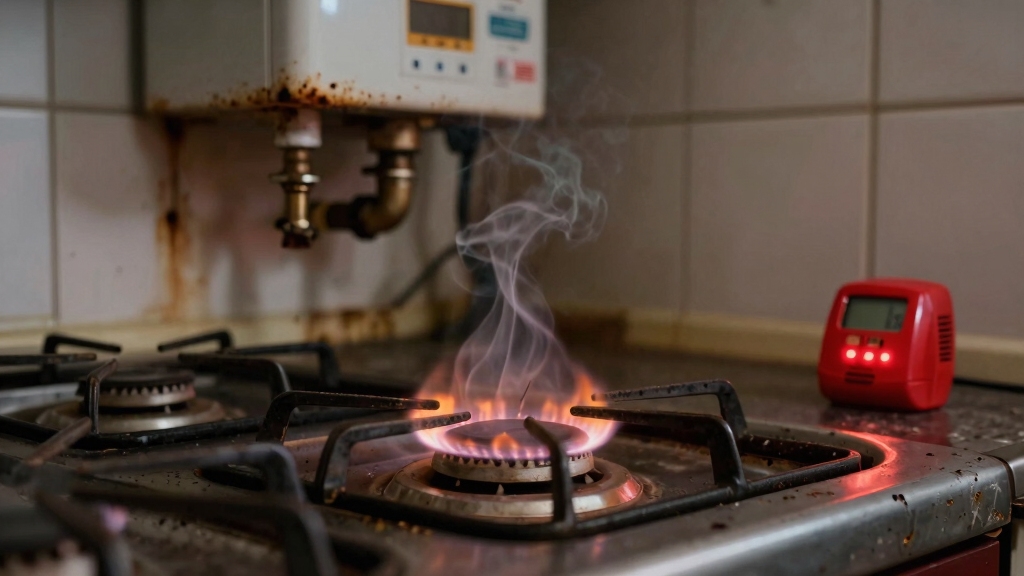
Malfunctioning appliances often trigger carbon monoxide alarms by producing CO through incomplete combustion or improper ventilation.
Faulty appliances can cause carbon monoxide alarms to sound due to poor combustion or ventilation issues.
When your furnace, boiler, or water heater operates with an incorrect gas-to-air ratio, indicated by yellow flames, it generates hazardous CO levels. Similarly, gas stoves, ovens, or clothes dryers emit CO if malfunctioning or lacking proper venting.
Fireplaces and wood stoves pose risks when blocked chimneys or poor drafting cause CO leakage into living spaces. Space heaters, particularly kerosene or gas types without ventilation, also release dangerous CO concentrations.
Additionally, pilot lights that fail to stay lit signal combustion inefficiencies, increasing CO buildup. Monitoring flame quality, ensuring ventilation integrity, and promptly repairing faulty appliances are critical to preventing CO accumulation and triggering alarms in your home.
Using soap bubble testing on gas appliance connections can help detect leaks that contribute to CO hazards.
Why Vehicle and Garage Exhaust Triggers Carbon Monoxide Alarms?
When you run a vehicle or gas-powered equipment inside an attached garage, something important happens: exhaust gases that contain carbon monoxide can actually seep into your home’s living spaces.
Even if you have the garage door closed, CO can find its way in through gaps and ventilation pathways. This means that indoor levels of carbon monoxide can rise pretty quickly.
So, it’s crucial to understand how these emissions build up. By doing that, you can prevent those annoying alarm activations and, more importantly, ensure that the air quality in your home stays safe.
It’s all about being aware and taking the right precautions! Regular use of carbon monoxide detectors is essential to detect invisible CO and keep your household safe.
Garage Vehicle Emissions
Cars and gas-powered equipment running in or near attached garages can quickly introduce dangerous levels of carbon monoxide into your home. When vehicles idle or gas-powered tools operate in enclosed or semi-enclosed garages, exhaust gases accumulate.
This leads to CO infiltration through cracks, vents, and door gaps, triggering alarms. The table below outlines key factors influencing CO buildup:
| Factor | Impact on CO Levels |
|---|---|
| Vehicle idling duration | Prolonged idling raises CO dose |
| Garage ventilation | Poor airflow traps exhaust gases |
| Door seals | Gaps enable CO seepage indoors |
| Equipment type | Gas-powered tools emit CO directly |
| Proximity to living area | Closer increases exposure risk |
Understanding these factors helps you mitigate CO risks associated with garage vehicle emissions. Recognize that poor ventilation can significantly worsen carbon monoxide accumulation and increase health risks.
Indoor Equipment Exhaust
Beyond vehicle emissions in garages, indoor equipment like gas stoves, dryers, and generators can also elevate carbon monoxide levels inside your home.
When these appliances malfunction or lack proper ventilation, incomplete combustion produces CO, which accumulates rapidly in enclosed spaces.
For instance, gas stoves with yellow flames or unvented dryers can emit dangerous CO concentrations. Generators operated indoors or too close to the house release exhaust that infiltrates living areas, triggering alarms.
You must make certain these devices have adequate ventilation and are regularly maintained to prevent CO buildup. Ignoring blocked vents or using equipment near sealed windows and doors increases CO infiltration risk, activating your carbon monoxide detector.
Monitoring appliance function and maintaining proper exhaust pathways are vital to safeguard indoor air quality and prevent hazardous CO exposure. Similar to sump pumps requiring routine maintenance to prevent failure, regular inspection and upkeep of indoor combustion appliances are crucial for safety.
How Poor Ventilation Leads to Carbon Monoxide Buildup?
When your home is super airtight, you might be putting yourself at risk for carbon monoxide buildup. It’s all about that fresh air exchange—or lack thereof. If there isn’t enough fresh air coming in, those combustion gases just hang around indoors instead of escaping outside.
And then there are those blocked chimneys or flues. They can really mess with the exhaust flow, which means carbon monoxide doesn’t vent out like it should. It’s a problem that can sneak up on you.
Oh, and let’s not forget about leaky air ducts. They can actually pull carbon monoxide from your appliances right into your living spaces. That just adds another layer to the danger. So, keeping an eye on your ventilation is really important!
Inadequate ventilation can cause hydraulic overload in indoor air systems, worsening the buildup of harmful gases like carbon monoxide.
Airtight Homes And CO
Maintaining airtight homes improves energy efficiency but can inadvertently trap carbon monoxide indoors by restricting fresh air exchange. When ventilation is limited, CO produced by fuel-burning appliances accumulates instead of dissipating.
You must recognize that modern construction techniques reduce natural infiltration rates, so combustion byproducts, including CO, concentrate within living spaces.
Additionally, sealed environments can cause negative pressure, drawing CO from leaky air ducts connected to dryers or furnaces into occupied areas. Without adequate mechanical ventilation or properly designed exhaust systems, CO levels rise, increasing poisoning risk.
To mitigate this, you should make sure balanced ventilation strategies and regularly inspect combustion appliances for proper operation.
Understanding the airtight home’s impact on indoor air quality helps you prevent hazardous CO buildup and avoid false or genuine carbon monoxide alarm activations.
When performing any maintenance or adjustments related to ventilation or combustion appliances, it is essential to follow safety precautions to avoid accidents and ensure proper function.
Blocked Chimneys Impact
Blocked chimneys can cause dangerous carbon monoxide buildup by preventing proper exhaust flow from fuel-burning appliances.
When a chimney or flue is obstructed by debris, creosote, or nests, combustion gases can’t vent outside efficiently. This causes CO to accumulate inside your home, increasing poisoning risk.
The lack of draft reduces oxygen supply, promoting incomplete combustion that generates higher CO levels. You may notice soot deposits or a weak upward draft signaling blockage.
Because modern homes are airtight, any chimney malfunction worsens CO retention indoors. Regular inspection and cleaning of chimneys guarantee unobstructed venting and maintain safe airflow.
Ignoring blockages can overwhelm detectors as CO concentration rises rapidly, posing severe health hazards. Stay vigilant to chimney conditions to prevent lethal carbon monoxide buildup.
Properly functioning photoelectric smoke alarms complement CO detectors by providing early warning of smoldering fires that may accompany ventilation issues.
Leaky Ducts And CO
When ventilation systems develop leaks, carbon monoxide can infiltrate living spaces from fuel-burning appliances, creating hidden hazards.
Leaky ducts connected to furnaces, dryers, or water heaters draw CO-laden air into your home’s breathing zone rather than venting it outdoors.
This airflow reversal results from pressure imbalances caused by duct damage or poor sealing. You risk elevated CO exposure without obvious appliance malfunction signs.
Tight building envelopes exacerbate this issue by limiting fresh air intake, reducing dilution of indoor pollutants. Detecting duct leaks requires systematic inspection and diagnostic testing, such as pressure measurements or smoke tests.
Addressing leaks and improving ventilation restores proper exhaust flow, preventing CO accumulation. Managing duct integrity is critical for maintaining safe indoor air quality and avoiding carbon monoxide alarm triggers.
Additionally, regular maintenance and inspection of ventilation components, such as reinforcing frames and hardware with security screws, can improve system reliability and reduce leak risks.
Common Cooking and Heating Mistakes That Set Off CO Alarms
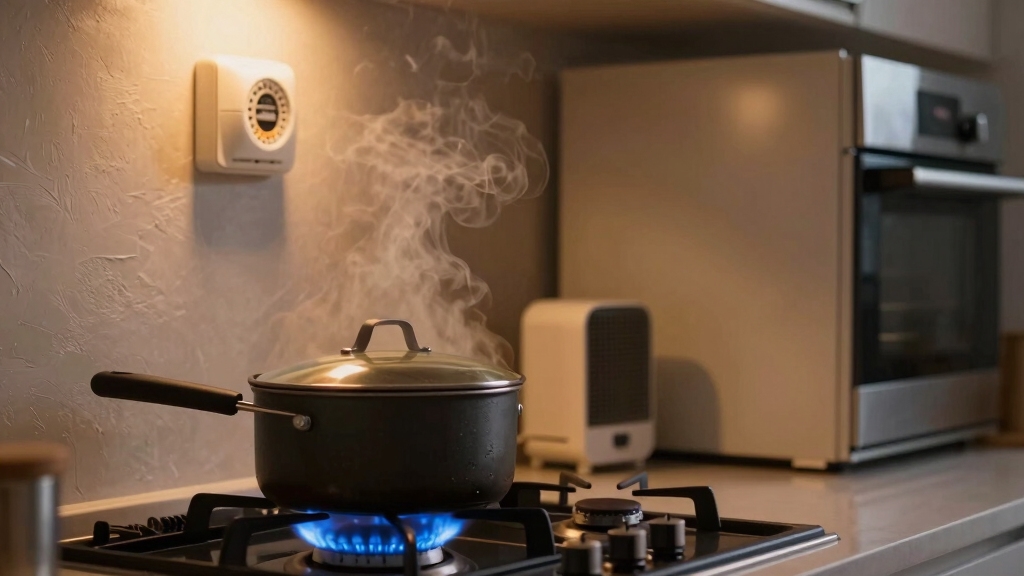
Many common cooking and heating practices inadvertently trigger carbon monoxide alarms by allowing CO to accumulate indoors. When you use gas stoves or ovens without activating exhaust fans, CO levels rise quickly.
Similarly, charcoal grilling inside garages or homes produces dangerous CO concentrations. Using unvented kerosene or portable gas heaters indoors releases CO directly into living spaces.
If you neglect maintenance on wood-burning stoves or fireplaces, blocked chimneys or poor drafting can leak CO. Even burning candles, incense, or tobacco smoke contributes minor CO amounts that can set off sensitive alarms.
These mistakes create incomplete combustion or insufficient ventilation, causing CO buildup. To prevent false alarms, guarantee proper appliance function, maintain ventilation, and avoid indoor use of unvented combustion sources.
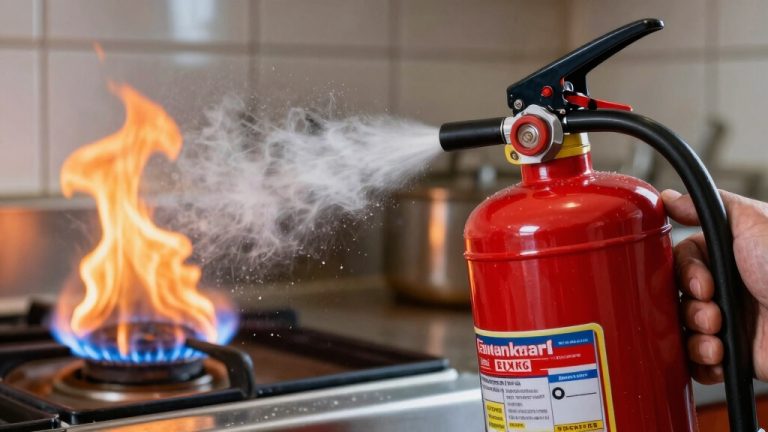
Dry chemical fire extinguishers can provide a powerful edge against unexpected heat from small fires caused by improper heating appliance use.
Why Detector Placement and Sensitivity Make CO Alarms Go Off?
After addressing how cooking and heating errors contribute to carbon monoxide buildup, it’s important to recognize that the placement and sensitivity of your CO detectors greatly influence alarm activations.
If you install detectors directly above furnaces or near gas ovens, they may detect transient, localized CO spikes, causing frequent alarms. Highly sensitive or malfunctioning units can trigger alerts even when CO concentrations remain below harmful levels.
Additionally, placing detectors in high-humidity areas or close to ventilation outlets may cause false positives due to environmental interference. Over time, dust accumulation and battery depletion further degrade detector performance, leading to erroneous alarms.
To guarantee reliability, position detectors according to manufacturer guidelines, avoid proximity to combustion sources, maintain regular cleaning, and test sensitivity periodically to balance early warning with false alarm reduction.
Proper installation and maintenance are as crucial as placement, similar to how proper peephole installation ensures security and functionality.
Warning Signs You Might Have a Carbon Monoxide Problem
Although carbon monoxide is odorless and invisible, certain indicators can alert you to its presence before your alarm sounds. You should watch for yellow or flickering flames on gas appliances, as they signal incomplete combustion, producing CO.
Soot streaks around furnaces or boilers indicate inefficient burning, increasing CO risk. Rust on flue pipes or appliance fittings suggests deterioration that may lead to leaks. If you notice fallen soot in fireplaces or a lack of upward chimney draft, your ventilation is likely compromised, raising CO levels.
Additionally, persistent headaches, nausea, or dizziness among household members without other explanation can be clinical signs of CO exposure. Monitoring these technical and physical cues helps you identify potential CO problems promptly and take corrective action before dangerous concentrations develop.
Frequently Asked Questions
Can Low Batteries Cause a Carbon Monoxide Alarm to Sound Falsely?
Yes, low batteries can cause your carbon monoxide alarm to sound falsely. When the battery voltage drops below operational levels, the detector triggers warning signals to indicate the need for replacement.
This preventive alert guarantees continuous functionality. You should replace batteries promptly to avoid false alarms or detector failure.
Additionally, aging detectors with depleted power sources or dust buildup may activate erroneously, so regular maintenance is essential for reliable CO detection.
How Often Should Carbon Monoxide Detectors Be Replaced?
Think of your carbon monoxide detector like a guardian with an expiration date. It typically needs replacement every 5 to 7 years. Over time, sensors degrade, reducing accuracy and risking false alarms or missed dangers.
Check the manufacturer’s instructions for your specific model and mark replacement dates on your calendar. Regularly testing and promptly replacing detectors guarantees they stay sharp, protecting you efficiently against invisible CO threats.
Do Pets Trigger Carbon Monoxide Alarms?
No, pets don’t trigger carbon monoxide alarms directly since these detectors sense CO gas, not movement or noise. However, pets can indirectly cause false alarms by disturbing the detector, scratching, pawing, or knocking it loose.
Make sure your detector’s placement is out of pets’ reach and regularly clean it to prevent dust or debris buildup that might mimic CO presence. This helps maintain accurate and reliable alarm functionality in your home.
Can Humidity or Steam Set off Carbon Monoxide Detectors?
Yes, humidity and steam can set off carbon monoxide detectors. They interfere with the sensors, cause false alarms, and reduce detector accuracy. High moisture levels near detectors mimic CO particles, trigger sensitivity, and impair electronic components.
To avoid this, place alarms away from bathrooms, kitchens, and humid areas, ensure proper ventilation, and maintain detectors regularly. Understanding detector placement and environmental factors helps you prevent unwarranted alerts and ensures reliable CO monitoring.
Is It Safe to Ignore a Carbon Monoxide Alarm if No Symptoms Appear?
No, you shouldn’t ignore a carbon monoxide alarm even if you don’t feel symptoms. CO is odorless and colorless, and symptoms can be delayed or subtle.
Alarms detect dangerous CO levels before health effects appear, providing critical early warning. Instead, immediately ventilate the area, turn off potential sources, and call emergency services or a professional to inspect your home.
Ignoring alarms risks severe poisoning or death.
Stay Alert, Stay Safe: Your First Line of Defense Against CO
Now that you understand how malfunctioning appliances, vehicle exhaust, poor ventilation, and improper detector placement can trigger your carbon monoxide alarm, don’t you see the importance of regular maintenance and correct usage?
Ignoring these factors increases your risk of exposure to this silent, deadly gas. Stay vigilant by recognizing warning signs and ensuring your CO detectors are properly installed and functioning.
Your safety depends on it.