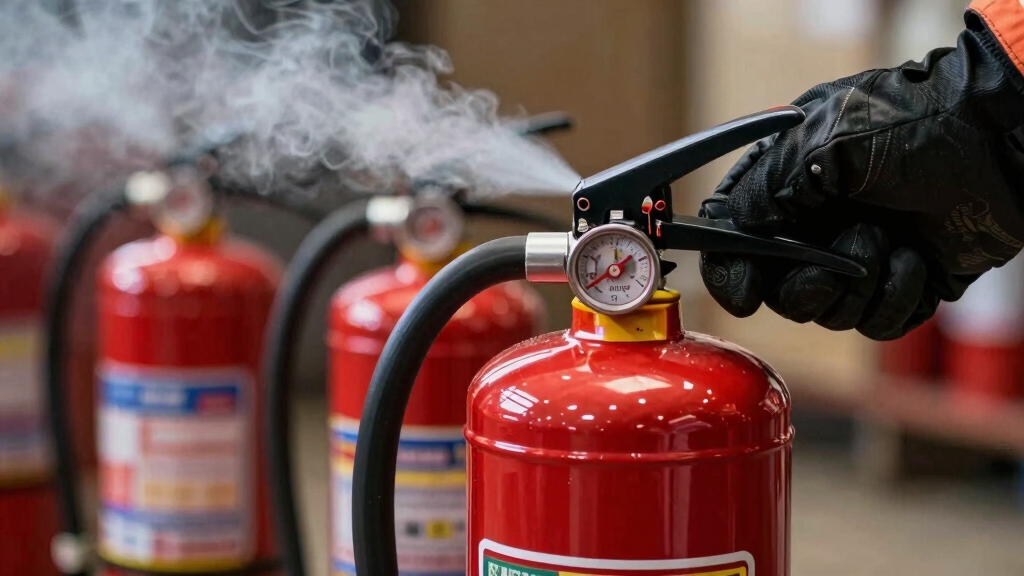

When you use a fire extinguisher, P.A.S.S. stands for Pull, Aim, Squeeze, Sweep. First, pull the pin to release the handle. Then, aim the nozzle at the base of the fire, not the flames.
Next, squeeze the handle firmly for a steady discharge. Finally, sweep the nozzle side-to-side to cover the fire’s fuel source until it’s out.
This method helps you act quickly and safely. Understanding each step guarantees you’re ready if a fire breaks out.
Key Takeaways
- P.A.S.S. stands for Pull, Aim, Squeeze, Sweep, guiding effective fire extinguisher use.
- Pull the safety pin to unlock the extinguisher handle and prepare for discharge.
- Aim the nozzle at the base of the fire, targeting the fuel source, not the flames.
- Squeeze the handle firmly to release a continuous stream of extinguishing agent.
- Sweep the nozzle side-to-side across the fire base until flames are completely out.
Understand P.A.S.S. and Its Importance for Fire Safety
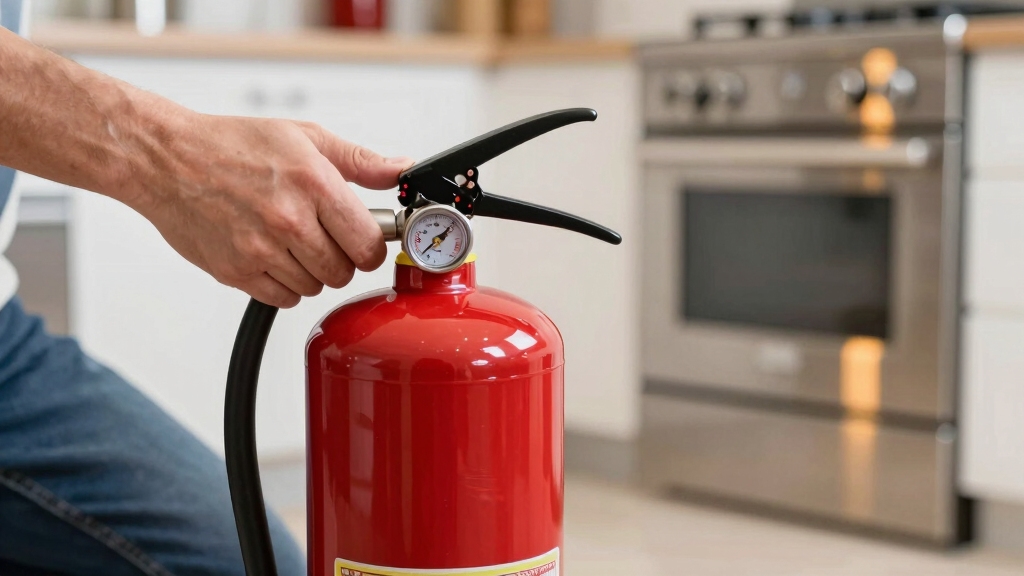
Although fire emergencies can happen unexpectedly, knowing the P.A.S.S. technique empowers you to respond quickly and effectively.
P.A.S.S. stands for Pull, Aim, Squeeze, and Sweep, representing the essential steps to operate a fire extinguisher correctly.
By mastering these four actions, you guarantee efficient fire suppression and reduce risks to yourself and others.
Each step targets controlling the fire at its fuel source, helping you act decisively rather than react impulsively.
Understanding P.A.S.S. also promotes safety by guiding you to use the extinguisher properly, avoiding wasted effort or accidental injury.
This universal method applies across extinguisher types, so you’re prepared regardless of the equipment you encounter.
Committing P.A.S.S. to memory is a crucial part of fire safety readiness.
Remember to always position yourself with a clear exit behind you to ensure a safe escape if needed.
Pull the Fire Extinguisher Pin to Prepare
Start by pulling the pin at the top of the fire extinguisher to release the handle and prepare it for use. This pin prevents accidental discharge by securing the handle in place. You might need to twist or pull firmly to remove it, breaking the safety seal.
Removing the pin is essential. It frees the extinguisher so you can squeeze the handle to discharge the agent.
Knowing the fire triangle elements helps you understand why releasing the pin is crucial to extinguishing effectiveness.
| Step | Action | Purpose |
|---|---|---|
| Pull | Remove safety pin | Free handle, prevent accident |
| Twist/Grip | Break seal if needed | Verify extinguisher readiness |
| Prepare | Hold extinguisher steady | Maintain control during use |
Always confirm the pin is fully removed before proceeding to the next step.
Aim the Fire Extinguisher Nozzle at the Fire Base
Aim the nozzle or hose directly at the base of the fire, where the fuel source is located. This is essential because extinguishing the flames at their origin stops the fire from spreading and puts out the actual fuel feeding it.
Avoid aiming at the flames themselves; doing so wastes the extinguishing agent as it passes through the fire without suppressing it. Keep a firm grip on the nozzle or hose and maintain a steady aim.
Different extinguisher types might’ve slight variations in nozzle design, but the goal stays the same: to target the fire’s base. Proper aiming maximizes the extinguisher’s effectiveness, helping you control and put out the fire quickly and safely.
Don’t rush this step; accuracy matters more than speed here. For grease fires, always use a Class K fire extinguisher or an appropriate P-class extinguisher to ensure safe and effective suppression.
Squeeze the Fire Extinguisher Handle to Discharge
Squeeze the handle firmly to release the extinguishing agent steadily onto the fire.
Squeeze the handle firmly for a steady, effective flow of extinguishing agent onto the fire.
When you do this, apply consistent pressure to guarantee a continuous flow, whether it’s powder, foam, or liquid.
Don’t hesitate or pump the handle, as that can disrupt the agent’s effectiveness and slow your response.
This step is vital because it delivers the substance that suppresses the flames and cools the fuel.
Keep a firm grip, as the force from the discharge can be strong.
If necessary, maintain pressure until the extinguisher is empty or the fire is out.
Remember, a steady, controlled release maximizes your chances of putting out the fire quickly and safely.
Focus on smooth, deliberate squeezing without pauses or weak bursts.
For kitchen fires involving oils and fats, using a Class K extinguisher is especially important to effectively suppress the flames.
Sweep the Fire Extinguisher Nozzle to Extinguish Fire
Always move the nozzle side to side across the fire’s base to guarantee the extinguishing agent covers the entire area evenly.
Sweeping makes certain that you target the fuel source, not just the flames, increasing your chances of putting the fire out effectively.
Maintain this motion until the fire is completely extinguished and watch for any smoldering spots.
When sweeping the nozzle, keep in mind:
- Use smooth, controlled side-to-side movements.
- Cover the full width of the fire’s base.
- Adjust speed based on the fire extinguisher type.
- Continue sweeping until no flames remain.
Frequently Asked Questions
How Often Should Fire Extinguishers Be Inspected or Replaced?
You should inspect fire extinguishers monthly to make certain they’re fully charged, accessible, and free from damage.
Perform a more thorough maintenance check annually, often done by a professional.
Replace or service extinguishers immediately if they show signs of damage, corrosion, or after use.
Remember, keeping your extinguisher in top condition is vital for safety and effectiveness during emergencies.
Don’t wait. Regular upkeep saves lives and property.
What Types of Fires Are Different Extinguishers Designed For?
Imagine each fire as a different beast needing a specific weapon.
You’ll use water extinguishers for ordinary combustibles like wood or paper.
For flammable liquids, turn to foam or CO2 extinguishers.
Electrical fires demand CO2 or dry chemical types to avoid shock.
Grease fires require a wet chemical extinguisher.
Knowing which extinguisher matches the fire type guarantees you strike effectively without worsening the blaze or risking harm.
Can Using a Fire Extinguisher Be Dangerous Without Training?
Yes, using a fire extinguisher without training can be dangerous.
You might mishandle it, aim incorrectly, or fail to assess the fire’s size properly, increasing risks.
You could also expose yourself to toxic fumes or get caught in spreading flames.
It’s essential to know the right technique and when to evacuate.
Proper training helps you act quickly, safely, and effectively during emergencies, reducing harm to yourself and others.
What Should I Do if the Fire Reignites After Using an Extinguisher?
If the fire reignites after using an extinguisher, don’t wait a second. Get out immediately and call 911.
Fires can flare up faster than a rocket, so your safety is the top priority. Alert others and evacuate the area calmly.
Let professionals handle it. Only attempt to fight the fire again if you’re sure it’s safe and you have the right extinguisher.
Never risk your life for flames.
Are There Alternative Methods if a Fire Extinguisher Is Unavailable?
If a fire extinguisher isn’t available, you can try smothering small fires with a heavy blanket, sand, or dirt to cut off oxygen.
For grease fires, never use water. Cover with a metal lid or use baking soda.
Always prioritize your safety: evacuate immediately if the fire grows or you can’t control it, and call 911.
Master the P.A.S.S. Method, Master Fire Safety
Now that you know what P.A.S.S. stands for, you’re ready to tackle a fire like a pro. Pull the pin, aim low, squeeze the handle, and sweep side to side. These steps are your lifeline when flames flare up unexpectedly.
Remember, using a fire extinguisher isn’t just about putting out fire; it’s about taking control and staying safe. Practice P.A.S.S., and you’ll extinguish danger before it spreads its wings.