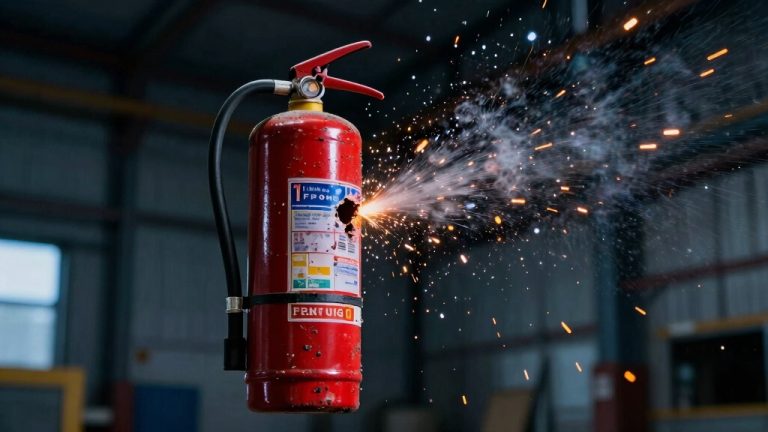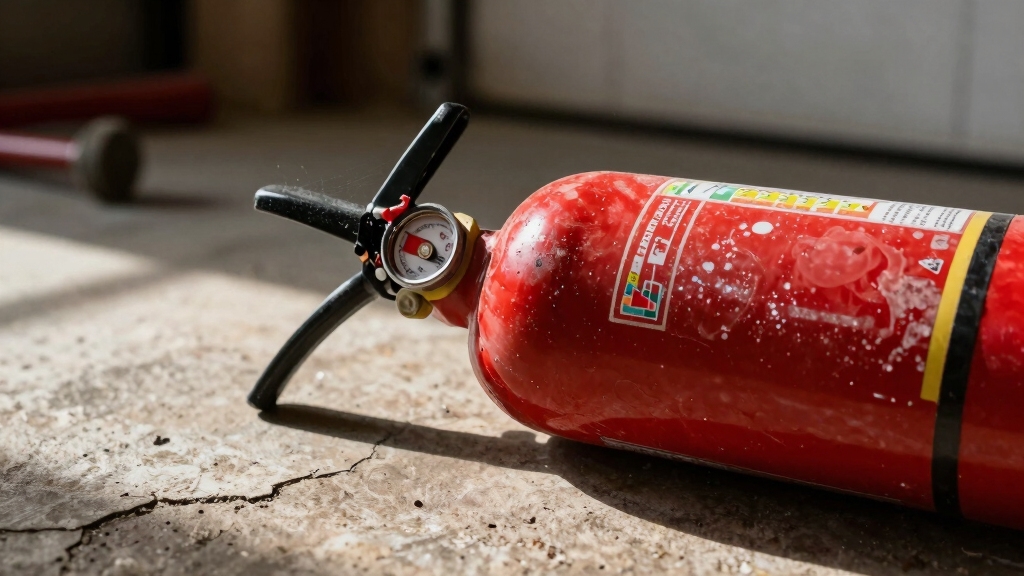

If you use an expired fire extinguisher, it might not discharge properly due to low pressure or clogging, leaving you defenseless in an emergency.
Its chemical agent could be degraded, reducing fire suppression power and increasing the risk of uncontrolled flames.
Physical damage can cause misfires or hose ruptures, putting you and others in danger. Using an expired unit can escalate fire damage and injuries.
To avoid this, understanding how to identify and replace expired extinguishers is essential.
Key Takeaways
- An expired extinguisher may fail to discharge due to loss of internal pressure.
- Chemical degradation reduces the fire-suppressing effectiveness of the agent.
- Physical damage can cause clogging, misfires, or hose rupture during use.
- Using an expired extinguisher increases the risk of fire escalation and injury.
- Weak or no discharge renders the extinguisher ineffective in emergencies.
How To Spot Physical Signs Your Fire Extinguisher Is Expired?
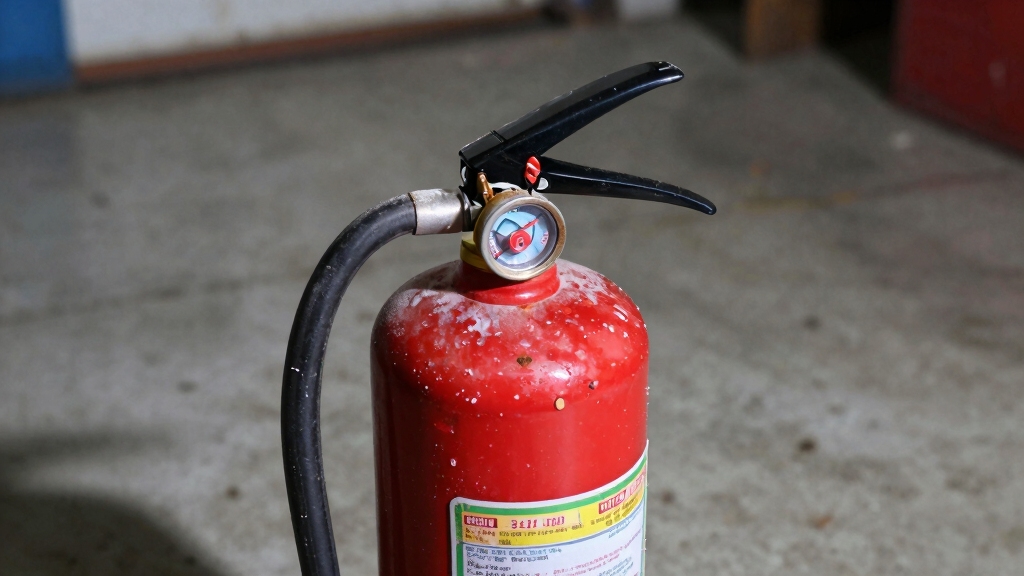
When checking your fire extinguisher, you should immediately look for physical signs that indicate it may be expired or compromised.
Start by examining the pressure gauge; if the needle is outside the green zone, the extinguisher may not function properly.
Check the safety seal and pin. If either is broken or missing, the extinguisher’s reliability is questionable.
Inspect the hose and nozzle for cracks, blockages, or damage that could prevent discharge.
Look closely for rust, corrosion, or any visible wear that suggests neglect or age.
Finally, verify the inspection tag or manufacture date. An outdated tag or a unit older than 15 years should be replaced.
Regular hydrostatic testing and maintenance are essential to ensure the extinguisher’s structural integrity and functionality.
Recognizing these signs early guarantees your extinguisher will be ready when you need it most.
How Expired Fire Extinguishers Lose Effectiveness Over Time?
After identifying signs that your fire extinguisher may be expired, understanding how its effectiveness declines over time helps emphasize why replacement is necessary.
Recognizing expiration signs and effectiveness loss underscores the importance of timely fire extinguisher replacement.
As extinguisher components age, their ability to suppress fires diminishes, putting you at risk during emergencies.
Here’s how expiration affects performance:
- Chemical degradation: The extinguishing agent breaks down, reducing its fire-suppressing power.
- Loss of pressure: Internal pressure drops, preventing proper discharge when you need it most.
- Mechanical failure: Corrosion or damage can clog the nozzle or cause misfires, rendering the device unreliable.
Knowing these factors highlights why maintaining and replacing your extinguisher within recommended timeframes is essential for safety and compliance. Regular hydrostatic testing is required every 5 to 12 years to ensure the extinguisher’s structural integrity and reliable performance.
How Expired Fire Extinguishers Put You At Risk?
Although expired fire extinguishers might look intact, they often won’t perform when you need them most. This puts you and others at significant risk.
Chemical degradation and pressure loss can cause failure to discharge or clogging, leaving fires uncontrolled. This increases the danger of injury and property damage.
| Risk Factor | Potential Consequence |
|---|---|
| Reduced chemical effectiveness | Fire suppression failure |
| Pressure loss | Inadequate spray or no discharge |
| Physical damage | Misfire or hose rupture |
| Corrosion or wear | Complete extinguisher failure |
You must replace or service extinguishers past their lifespan to guarantee reliability in emergencies. This will help protect lives and property effectively.
What Happens If You Use An Expired Fire Extinguisher?
If you use an expired fire extinguisher, you risk facing a device that won’t operate as intended during a fire emergency.
The extinguisher may fail to discharge properly due to reduced pressure or chemical degradation, leaving you defenseless against the fire.
This can escalate the situation, increasing property damage and personal injury risk.
Here’s what can happen when you use an expired extinguisher:
- It might clog or misfire, preventing effective suppression.
- The chemical agent may have settled or degraded, reducing its fire-fighting power.
- Insufficient pressure can cause weak or no discharge, making the extinguisher useless.
Using an expired extinguisher compromises safety and could worsen an emergency rather than contain it.
Always make certain your extinguisher is within its service life.
How To Safely Replace And Dispose Of Expired Fire Extinguishers?
When you discover your fire extinguisher has expired, you need to replace and dispose of it properly to maintain safety and compliance.
First, purchase a new extinguisher appropriate for your environment, ensuring it meets current safety standards.
Before disposal, safely depressurize the expired unit by following manufacturer instructions or consulting a professional.
Never throw it in regular trash due to hazardous materials inside.
Instead, take it to your local fire department, a hazardous waste disposal facility, or arrange for pick-up through fire extinguisher companies during inspections.
Proper disposal prevents environmental harm and legal issues.
Finally, register the new extinguisher’s installation date and schedule regular inspections to keep your fire safety equipment reliable and compliant with regulations.
It is also important to avoid inhaling the powder during use to prevent respiratory irritation and other health risks.
Frequently Asked Questions
Can Expired Fire Extinguishers Be Recharged or Refurbished?
Yes, you can recharge or refurbish expired fire extinguishers, but only if they’re rechargeable models and still structurally sound.
You’ll need a professional to inspect, hydro-test, and refill them properly.
If the extinguisher has corrosion, damage, or is beyond its 15-20 year lifespan, replacement is safer.
Regular maintenance and timely servicing extend lifespan, but don’t risk safety by using one that’s too old or compromised.
How Often Should Professional Fire Extinguisher Inspections Occur?
You should have professional fire extinguisher inspections at least once a year to ensure reliability and compliance.
Rechargeable models need thorough servicing every six years, including hydro-testing and recharging.
Regular inspections help catch issues like weakened seals, powder settling, or pressure loss before they become dangerous.
Staying on top of maintenance not only extends your extinguisher’s lifespan but also keeps you safe and avoids legal penalties.
Don’t skip these crucial checks.
Are There Legal Penalties for Using Expired Fire Extinguishers?
You know what they say: “An ounce of prevention is worth a pound of cure.”
Using expired fire extinguishers can lead to legal penalties, especially in high-risk business areas.
You could face fines, liability issues, and operational disruptions if your equipment fails inspections.
Authorities require proper maintenance and timely replacement, so don’t risk non-compliance.
Stay proactive: inspect, service, and replace expired extinguishers to avoid legal trouble and guarantee safety.
What Types of Fire Extinguishers Have the Longest Lifespan?
Rechargeable fire extinguishers generally have the longest lifespan, often lasting up to 15-20 years with proper maintenance.
You’ll need to get them inspected every six years and serviced regularly to extend their usability.
Disposable models typically last 10-12 years but can’t be recharged.
Where Can I Safely Dispose of an Expired Fire Extinguisher?
Don’t toss your expired fire extinguisher in the trash. It’s a ticking time bomb for the environment.
You can safely dispose of it by taking it to your local fire department, a hazardous waste disposal facility, or a fire extinguisher company during inspections.
Before disposal, make sure it’s fully depressurized to avoid accidents. Following these steps keeps you compliant and protects your community from harm.
Your Safety Deserves a Reliable Extinguisher
Using an expired fire extinguisher is like relying on a rusty lifeline in an emergency. It simply won’t hold up when you need it most. Don’t gamble with your safety by trusting outdated equipment that can fail or put you at greater risk.
Regularly check your extinguisher’s condition and replace it promptly to make certain it’s ready to perform flawlessly. Your safety depends on having a reliable, fully functional extinguisher at your side.