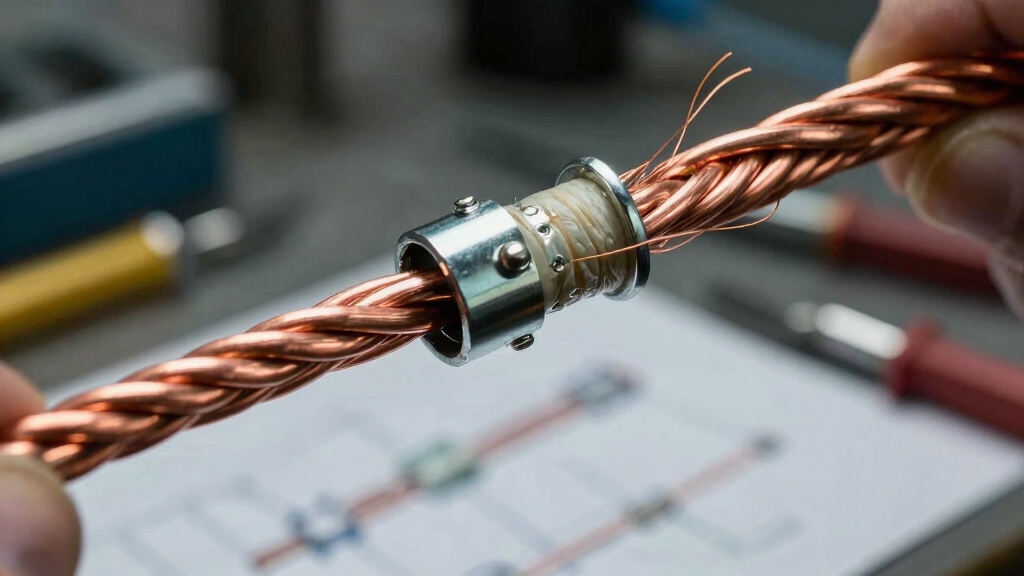

A load wire carries electricity from a switch or outlet to the next device, extending power downstream in a circuit. Unlike the line wire, which supplies constant voltage from the source, the load wire’s voltage depends on the upstream device’s state.
You’ll find load wires in lighting circuits and outlet chains, essential for proper function and safety. Getting their connections right avoids hazards and malfunctions. Understanding their role helps you troubleshoot and maintain your electrical system effectively.
Key Takeaways
- Load wire carries electricity from a switch or device to downstream appliances or fixtures, extending the circuit’s reach.
- Voltage on load wires depends on the upstream device’s state, unlike constant voltage on line wires.
- Load wires become the line wires for the next device, ensuring continuous power flow in a circuit.
- Proper identification uses voltage testing; load wires show voltage only when the upstream switch is on.
- Correct load wire connections are essential for electrical safety, device function, and code compliance.
Understanding Load Wires: Definition and Function
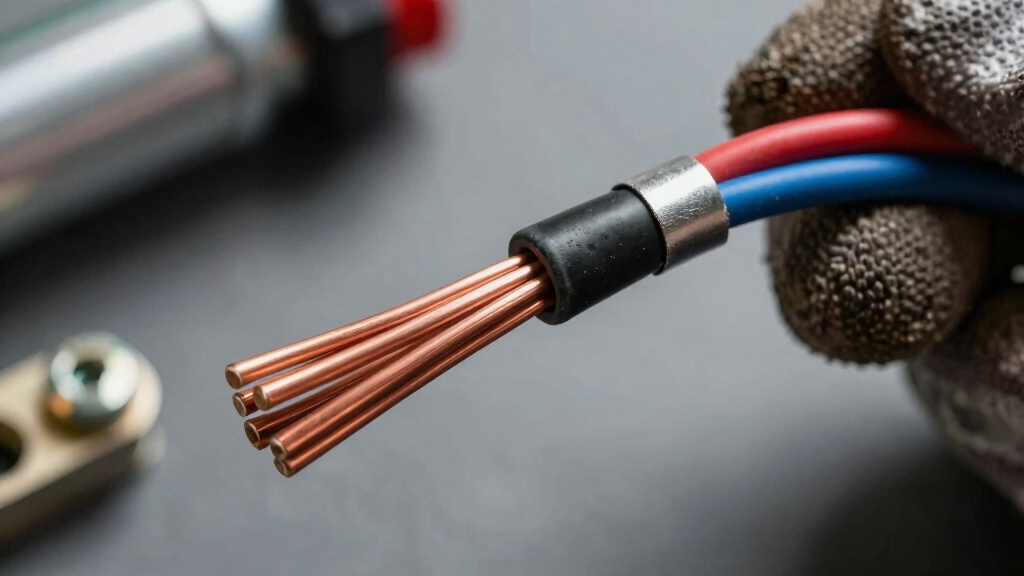
Although often overlooked, the load wire plays a critical role in electrical circuits by carrying electricity from a device or switch onward to the next appliance or endpoint.
You’ll find the load wire represents the outgoing or downstream power flow, connecting points such as switches to lights or outlets to subsequent outlets.
It functions as the conductor that delivers power after the initial supply point, effectively extending the circuit’s reach.
Unlike the line wire, which brings constant voltage from the source, the load wire’s voltage depends on the upstream device.
Understanding this distinction helps you grasp circuit operation, as the load wire for one device becomes the line wire for the next in the sequence.
This ensures continuous power delivery throughout the electrical system. Proper wiring and connection integrity are essential to prevent sparking and electrical faults that can occur due to loose or damaged load wires.
Load Wire Identification: How to Find Them in Your Home?
Identify load wires in your home by using tools like a multimeter or voltage tester to distinguish them from line wires.
First, turn off the circuit breaker to guarantee safety. Remove the outlet or switch cover, then restore power temporarily.
Always turn off the breaker first, remove the cover, then temporarily restore power for testing.
Test each hot wire to ground; the wire showing constant voltage is the line wire. The wire losing voltage when you toggle the switch or device is the load wire.
You can also note wire positions: line wires often enter at the bottom of the box, load wires at the top. Look for labels marked “line” or “load” on devices.
Confirm identification by verifying the load wire carries voltage only when the upstream device is active. Accurate identification prevents wiring errors and guarantees safe, compliant electrical work.
Electrical faults such as shorted or damaged wiring can cause serious issues, so proper load wire identification is essential for preventing unintended circuit activations.
Common Uses of Load Wires in Electrical Circuits
Once you’ve determined which wires are load wires, understanding their common applications helps clarify their role in electrical circuits.
Load wires carry power from switches to fixtures, enabling you to control lighting by directing electricity downstream. They also feed power from one outlet to subsequent outlets, maintaining circuit continuity.
In GFCI outlets, correctly identifying load wires guarantees the device protects downstream receptacles as intended. Within circuit breakers, load wires transport electricity from the panel to appliances or other devices, representing the outgoing power flow.
Whenever you work with multi-device circuits, you’ll find load wires essential to passing current beyond the initial source. Recognizing these uses helps you manage and troubleshoot electrical systems effectively, assuring each connected device receives the necessary power downstream.
For safety, it is important to install devices like carbon monoxide detectors on each floor, particularly near sleeping areas, to ensure early detection and protection from hazardous conditions, as CO can move freely throughout a home’s air coverage principles.
Why Getting Load Wire Connections Right Keeps You Safe?
Because load wire connections control the flow of electricity downstream, getting them right is critical to your safety. Incorrect wiring can cause shocks, short circuits, or device failures, especially with GFCI outlets or multi-device circuits.
Proper identification and connection prevent hazards and guarantee devices function as intended.
| Issue | Cause | Safety Impact |
|---|---|---|
| Shock hazard | Miswired load and line | Risk of electrocution |
| Device malfunction | Reversed load wires | Failure in operation |
| Circuit damage | Loose connections | Fire risk |
| Code non-compliance | Incorrect wiring | Inspection failure |
Always verify load wires with a tester and follow wiring codes to keep your installations safe and reliable. Installing gas leak detectors alongside electrical safety devices can further enhance overall home safety by providing early warnings of hazardous gas accumulations.
Troubleshooting Load Wire Issues in Switches and Outlets
When troubleshooting load wire issues in switches and outlets, you’ll need to carefully test power flow and wire continuity to pinpoint faults.
Start by turning off power at the breaker, then use a multimeter or voltage tester to verify line and load wires.
Check for voltage presence on the load side when the switch is on; absence indicates a break or loose connection.
Inspect wire terminals for corrosion, damage, or improper connections.
Confirm load wires carry voltage downstream by testing continuity from the switch or outlet to the device it feeds.
Miswiring load and line can cause device failure or hazards, so always verify labels and wiring positions.
Systematic testing guarantees you isolate and correct load wire faults efficiently and safely.
Regular maintenance and inspection schedules are essential to ensure electrical safety compliance and prevent operational hazards.
Frequently Asked Questions
Can Load Wires Carry Different Voltages in the Same Circuit?
Load wires in the same circuit typically carry the same voltage because they’re downstream from the line wire supplying consistent voltage.
However, voltage can vary if the circuit includes transformers or multiple voltage sources.
You should make certain the load wire’s voltage matches the device requirements to avoid damage or hazards.
Always verify with a multimeter before working to confirm voltage levels on each load wire within your circuit.
Are Load Wires Color-Coded Differently Internationally?
You might expect load wires to have a universal color code, but they don’t.
Internationally, color standards vary markedly.
In the US, load wires are often red or black, but in Europe, brown or other colors may be used.
This inconsistency means you can’t rely solely on color when working abroad.
Always verify with local electrical codes and use testing tools to identify load wires accurately for safety and compliance.
How Do Load Wires Affect Energy Efficiency in a Home?
Load wires themselves don’t directly impact energy efficiency, but proper wiring guarantees devices receive stable power, minimizing losses.
If you miswire load and line connections, devices like GFCI outlets or smart switches may malfunction, causing unnecessary power drain or hazards.
Can Smart Home Devices Interfere With Load Wire Function?
When it comes to smart home devices, they can throw a wrench in the load wire function if not properly installed.
These devices often require a neutral wire, which traditional load wires might lack, causing erratic behavior or failure.
You need to make certain compatibility with your wiring setup and follow manufacturer guidelines closely.
Otherwise, you risk interference that disrupts power flow, leading to malfunctions or safety hazards in your circuit.
What Tools Are Best for Measuring Load Wire Current?
You’ll want a clamp meter or a digital multimeter for measuring load wire current accurately.
A clamp meter lets you measure current without disconnecting wires by clamping around the conductor.
Use a digital multimeter with current measurement capability by connecting it in series with the load wire, but only if you’re comfortable handling live circuits.
Non-contact voltage testers won’t measure current, so stick to clamp meters for safe, precise current readings.
Handle Load Wires Right, Avoid Trouble Later
Now that you understand load wires, you see they’re the crucial link delivering power to your devices. Mistaking these wires can turn a simple fix into a shock hazard. Don’t let a small error spark big trouble.
Always identify and connect load wires correctly to keep your electrical system safe and efficient. Remember, in electrical work, precision isn’t just preferred—it’s your lifeline. Handle load wires with care, and your circuits will thank you.