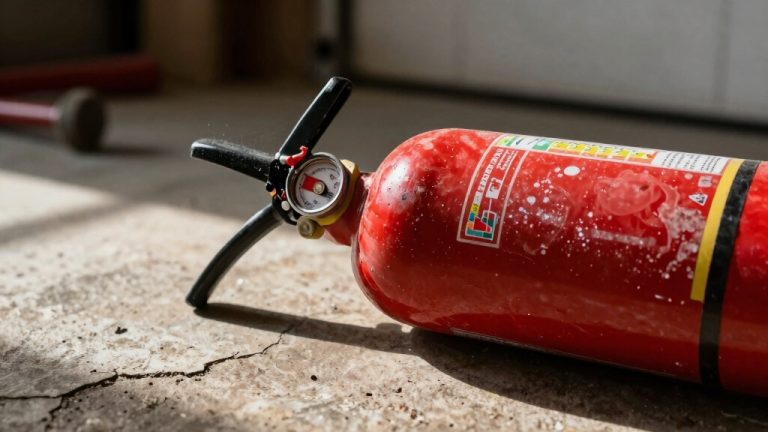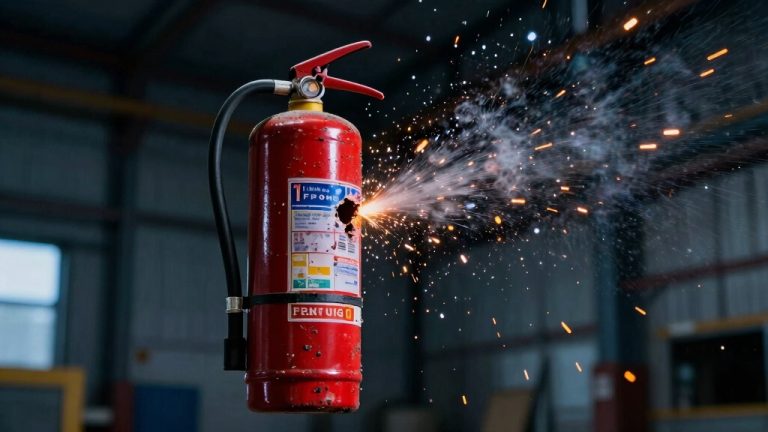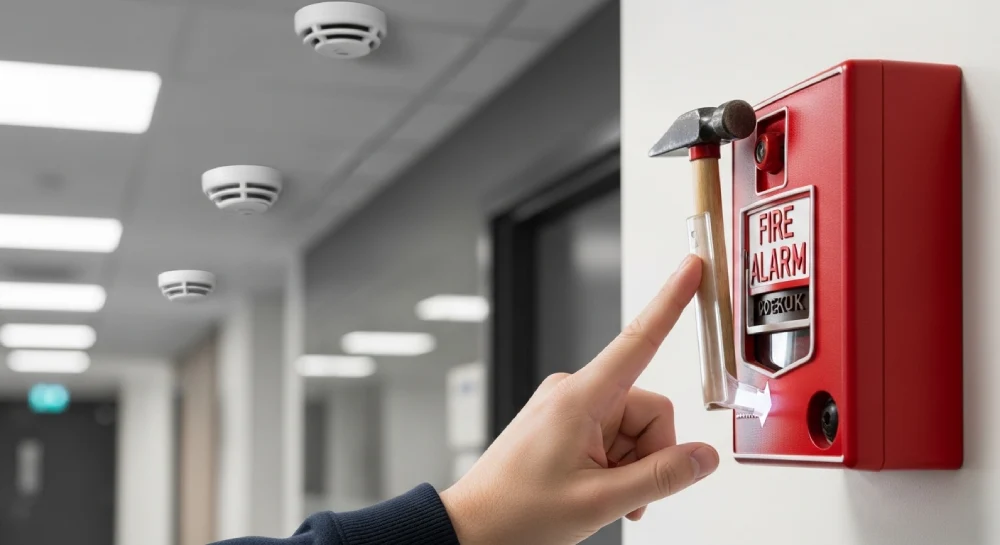

If a fire alarm sounds, evacuate immediately without hesitation. Don’t wait to confirm if it’s real.
Use the nearest exit, avoid elevators, and stay low to avoid smoke. Warn others as you leave and close doors behind you if possible.
Assist anyone needing help safely. Once outside, go to the designated assembly area and stay clear of emergency lanes.
Report the fire from a safe spot, giving details to responders. Knowing these steps will help you stay safe and prepared.
Key Takeaways
- Evacuate the building immediately using the nearest exit and avoid elevators, walking calmly and staying low to avoid smoke.
- Treat every alarm as real; do not ignore or delay evacuation even if the alarm seems false.
- Assist individuals needing help and warn others loudly while exiting the building.
- Close doors behind you if possible to contain fire and smoke during evacuation.
- Proceed to the designated assembly area and remain outside until emergency personnel give the all-clear.
What to Do Immediately When a Fire Alarm Sounds?
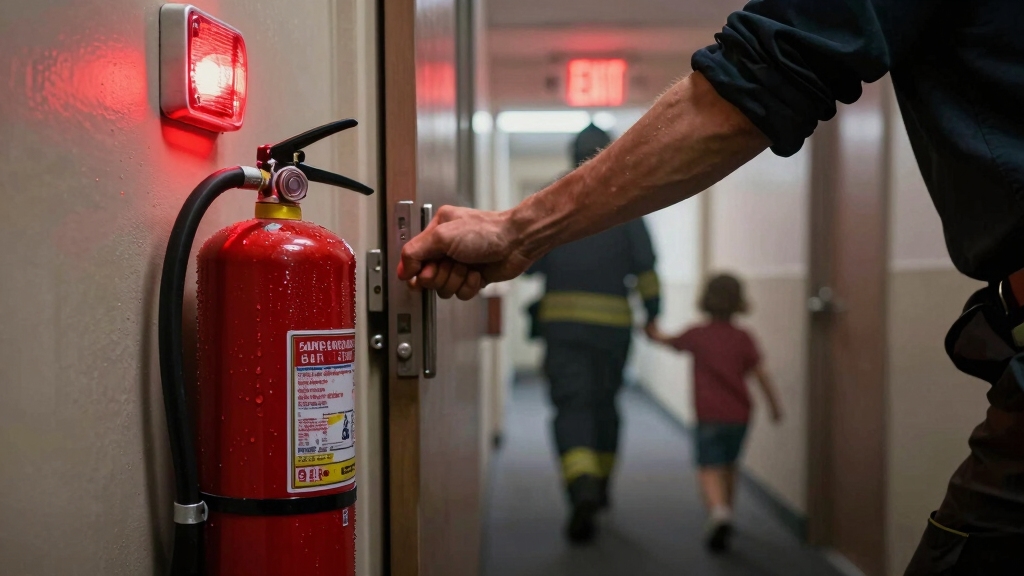
When a fire alarm sounds, you need to act immediately and evacuate the building without hesitation.
Act promptly when a fire alarm sounds and evacuate the building without any delay or hesitation.
Don’t wait to investigate or confirm the alarm’s validity; treat every alarm as real. If you discover a fire before the alarm sounds, pull the nearest fire alarm to alert others.
Quickly warn those nearby by shouting or knocking on doors as you move toward the exit. Follow the RACE procedure: Rescue anyone in immediate danger if safe, sound the Alarm, Confine the fire by closing doors if possible, then Extinguish or Evacuate.
Your priority is safety, so don’t delay. Remember, false alarms can still pose risks, so always respond promptly and seriously. Your swift action can save lives and prevent further harm.
Audible alarms, strobes, and voice messages activate instantly to provide clear evacuation instructions and assist occupants in safely exiting the building, as required by building codes.
How to Safely Evacuate the Building During a Fire Alarm?
When the fire alarm goes off, the first thing you should do is find the nearest exit. Don’t wait around—just head there right away.
Remember to walk calmly; running can create panic and lead to accidents.
Before you open any doors, make sure to check them first. Use the back of your hand to feel for heat.
This little step can help you ensure it’s safe to proceed. Always prioritize your safety!
If your building has a monitored fire alarm system, emergency services will be notified automatically, but you should still evacuate immediately.
Locate Nearest Exit
In any fire alarm situation, your priority is to quickly locate and use the nearest exit to leave the building safely.
Immediately look for illuminated exit signs and emergency lighting guiding you toward stairwells or designated exit doors.
Avoid elevators, as they may malfunction or open onto hazardous floors.
If you’re unfamiliar with the area, rely on posted evacuation maps when available.
Before opening any door, check its temperature by touching it with the back of your hand. If it’s hot, find an alternate route.
Close doors behind you if time permits to help contain fire and smoke.
Staying aware of your surroundings and knowing multiple exit options guarantees you won’t get trapped if one path becomes blocked, maximizing your safety during evacuation.
For properties with central monitoring systems, emergency responders may arrive more quickly even if you are unable to call for help.
Walk, Don’t Run
Always walk at a steady pace during a fire alarm evacuation to avoid panic and accidents.
Running can cause falls, block exits, and create chaos. Stay calm and keep control of your movements.
Follow these steps to evacuate safely:
- Walk briskly but without rushing to maintain balance.
- Keep your hands free to assist yourself or others if needed.
- Stay in line with others, avoiding pushing or crowding.
- Use handrails on stairs and watch your footing carefully.
Remember that false alarms can be caused by environmental factors such as humidity or dust, so always verify the source when safe to do so.
Check Doors Safely
Before opening any door during a fire alarm evacuation, you need to check it carefully to avoid stepping into danger.
Use the back of your hand to touch the door, starting at the bottom and moving upward. If the door feels hot, do not open it; fire or smoke could be on the other side.
If it’s cool, open the door slowly and be prepared to close it quickly if smoke is present. Always stay low to avoid inhaling smoke.
Position yourself with a clear exit behind you to ensure a safe retreat if conditions worsen.
| Check Location | Action |
|---|---|
| Door Handle | Touch with back of hand |
| Door Surface | Feel for heat |
| Door Opening | Open slowly |
| Smoke Presence | Look carefully |
| Immediate Response | Close door if smoke detected |
What to Do at the Assembly Area After Evacuating?
Once you reach the designated assembly area, take a deep breath and try to stay calm.
It’s important to keep a distance of at least 200 feet from the building. This helps ensure everyone’s safety.
Next, make sure to account for everyone in your group.
Follow any instructions given by emergency personnel—it’s crucial not to leave the site until you’re told it’s safe.
Staying clear of emergency routes is really important too; it allows responders to do their jobs without any obstructions.
Just remember, your safety and the safety of others comes first!
Knowing the fire triangle helps you understand why maintaining a safe distance is vital to avoid heat, oxygen, and fuel hazards.
Assembly Area Protocol
After evacuating, head straight to the designated assembly area, which should be at least 200 feet away from the building. Once there, follow these key protocols to stay safe and organized:
- Stay together and avoid wandering off to ensure everyone can be accounted for quickly.
- Keep clear of streets, fire lanes, and emergency vehicle paths to prevent interference with responders.
- Remain outside until emergency personnel announce the “All Clear” to avoid re-entry risks.
- Listen carefully to public address instructions or emergency personnel for updates and further directions.
- Be aware that continuous alarm beeping may indicate dangerous carbon monoxide levels, requiring immediate evacuation and emergency contact.
Post-Evacuation Responsibilities
While you wait at the assembly area, take responsibility for accounting for all personnel to make certain everyone evacuates safely.
Quickly check your team or department roster and report any missing individuals to emergency personnel immediately.
Stay clear of streets and fire lanes to avoid obstructing emergency responders.
Follow all instructions from fire officials and listen carefully to public address announcements for updates or further actions.
Avoid reentering the building until the “All Clear” is officially declared.
Use this time to remain calm and prepared to assist others if needed.
Remember, your prompt and accurate reporting can save lives and help emergency teams manage the situation effectively.
Stay vigilant and cooperative until the incident is resolved.
Ensure your safety by understanding the importance of backup power in fire alarm systems to maintain continuous protection during emergencies.
How and When to Report a Fire to Emergency Services?
If you discover a fire or hear a fire alarm, you should immediately call 911 or your campus emergency number from a safe location. Prompt reporting guarantees emergency responders arrive quickly, potentially saving lives and property.
When you call, be ready to:
- Clearly state the exact location and nature of the fire.
- Inform if anyone remains inside and their last known location.
- Report if any fire extinguishers have been used or discharged.
- Provide any additional details that could assist responders, like hazards or blocked exits.
Don’t assume someone else has called; it’s better to report promptly. Stay on the line until the dispatcher confirms all necessary information. Quick, accurate communication is critical for effective emergency response. If you suspect a fire might be related to a gas leak, also mention any distinct hissing or whistling sounds you have noticed nearby.
Helping Others and Handling Special Situations During a Fire Alarm
Whenever a fire alarm sounds, you must assist those who need help, especially individuals with mobility challenges or immediate danger nearby.
If someone can’t evacuate on their own, use a wheelchair or carry techniques only if it’s safe. Warn others loudly as you move toward exits.
Avoid elevators and guide everyone to the nearest stairwell. Before opening doors, check for heat with the back of your hand to avoid smoke or flames.
If you encounter small fires and feel confident, use an extinguisher; otherwise, focus on evacuation. Remember to shut down machinery or equipment if time allows.
Never reset alarms yourself; wait for fire department approval. Stay calm, act swiftly, and prioritize safety for everyone during these critical moments.
Photoelectric alarms provide early warning by detecting smoke through light scattering, which can be crucial for timely evacuation.
Common Mistakes to Avoid During Fire Alarms
Helping others and managing special situations during a fire alarm demands focus and quick thinking.
Avoiding common mistakes can make your response even more effective.
To keep yourself and others safe, steer clear of these errors:
- Don’t ignore or delay evacuation, even if the alarm seems false.
- Avoid using elevators; always take the nearest stair exit.
- Never re-enter the building until emergency personnel give the all-clear.
- Don’t attempt to reset or silence the alarm yourself without permission.
Preparing and Practicing Your Fire Alarm Response Plan
A well-prepared fire alarm response plan guarantees everyone knows exactly what to do when an alarm sounds.
Start by reviewing your evacuation routes and assembly points annually, ensuring they remain clear and accessible.
Regularly check evacuation routes and assembly points to keep them clear and easy to access.
Train key personnel to assist with orderly evacuations and special needs individuals.
Conduct regular fire drills to reinforce quick, calm responses and familiarize everyone with procedures.
Confirm your alarm system complies with safety standards and detectors are installed in all critical areas.
During drills, practice RACE steps: Rescue, Alarm, Confine, Extinguish/Evacuate so actions become automatic.
After drills, review performance and address any issues immediately.
Frequently Asked Questions
How Often Should Fire Alarm Systems Be Professionally Inspected?
You should have your fire alarm system professionally inspected at least once a year to ensure it’s fully operational and compliant with safety standards.
Regular inspections help identify any faults or needed maintenance before an emergency occurs.
Depending on your local regulations or building codes, inspections might be required more frequently.
Stay proactive by scheduling these inspections annually, and always follow the manufacturer’s recommendations for testing and upkeep.
What Types of Fire Extinguishers Are Suitable for Different Fires?
You should use Class A extinguishers for ordinary combustibles like wood or paper.
Class B is for flammable liquids such as gasoline, and Class C is for electrical fires.
Multipurpose ABC extinguishers handle all three types safely.
For kitchen fires involving grease, use Class K extinguishers.
Always make sure you’re trained and comfortable before attempting to extinguish a fire.
Never use water on grease or electrical fires to avoid spreading flames or shocks.
Can Pets Be Safely Evacuated During a Fire Alarm?
Yes, you can safely evacuate pets during a fire alarm, but only if it’s safe for you to do so.
Prioritize your safety first; don’t risk injury. If time allows, grab your pet quickly using a carrier or leash to prevent escape.
Warn others nearby and follow evacuation routes calmly.
How to Identify False Alarms Caused by Cooking or Steam?
Did you know that nearly 30% of fire alarms are false, often triggered by cooking or steam?
To spot these, check if the alarm sounds shortly after using the stove or shower.
Look for visible steam or smoke from burnt food, and no signs of fire or heat near detectors.
Always treat alarms seriously, but if you’re sure it’s cooking steam, ventilate the area and reset the alarm only after confirming safety.
What Legal Requirements Apply to Workplace Fire Safety Training?
You must provide fire safety training that meets OSHA and local fire codes, covering evacuation procedures, alarm use, and fire extinguisher operation.
Train employees annually and document sessions to comply with legal standards. Your program should include hazard recognition, emergency communication, and special needs assistance.
Regular drills are required to guarantee readiness. Staying compliant protects your workforce and reduces liability in emergencies.
Turning Practice into Lifesaving Action
When the fire alarm sounds, you might think it’s just a drill until smoke fills the hallway moments later. That’s exactly why you need to act quickly and confidently: evacuate safely, check in at the assembly area, and call for help if needed.
Remember, your calm response could be the difference between chaos and safety. By practicing your plan regularly, you’ll be ready to protect yourself and others when it really counts.