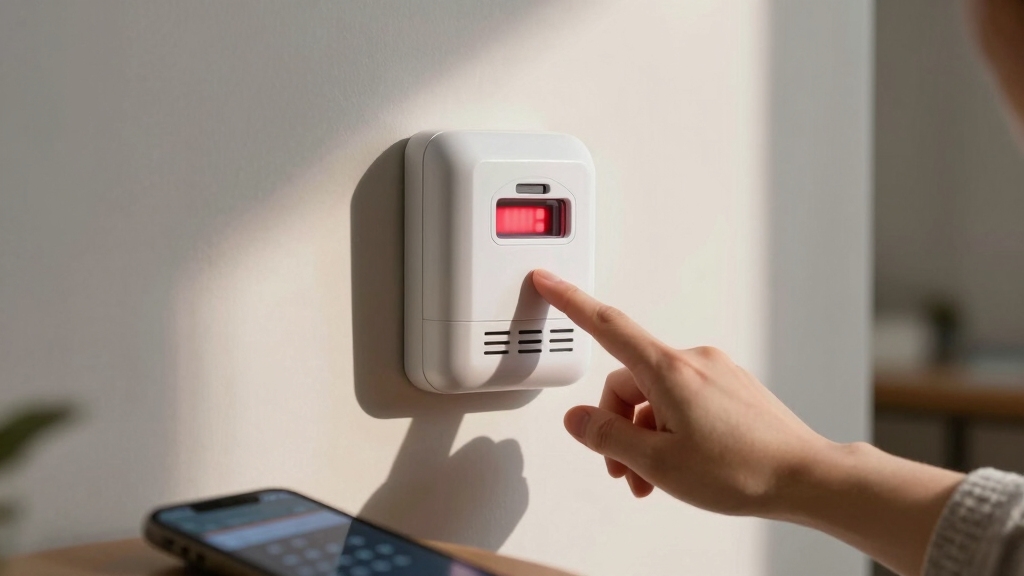

If your CO alarm goes off, leave your home immediately and get to fresh air without grabbing belongings.
Alert everyone, including pets, and do a headcount outside.
Call 9-1-1 from a safe spot to report the alarm and any symptoms.
Stay out until professionals arrive and say it’s safe to re-enter.
Don’t assume silence means safety. Carbon monoxide is invisible and deadly.
Understanding these steps can help you respond quickly and protect your loved ones.
Key Takeaways
- Immediately alert everyone and evacuate the home to fresh air without stopping to gather belongings.
- Leave doors open for ventilation only if someone cannot leave safely.
- Conduct a headcount outside to ensure all household members and pets are accounted for.
- Call 9-1-1 from a safe location to report the alarm, symptoms, and your address.
- Stay outside and do not re-enter until emergency responders declare it safe.
How to Recognize Carbon Monoxide Poisoning Symptoms?
When carbon monoxide (CO) enters your body, it quickly disrupts oxygen delivery, causing symptoms like headaches, dizziness, nausea, and vomiting.
You might also experience loss of muscular coordination or confusion, signaling serious exposure.
Pay close attention if you or others feel unusually weak or faint.
Pets may show sudden illness too, which is often overlooked.
These symptoms often improve after reaching fresh air, but don’t wait for relief to act.
Remember, CO is colorless and odorless, so symptoms are your first warning.
Early recognition can prevent severe poisoning or death.
Always treat any symptoms during a CO alarm seriously and evacuate immediately without trying to find the source yourself.
Your prompt response can save lives.
In addition, knowing the warning signs of CO problems in appliances can help prevent exposure before symptoms develop.
What to Do When a CO Alarm Sounds?
Recognizing carbon monoxide poisoning symptoms is only the first step. Responding quickly to a CO alarm can save lives. When the alarm sounds, don’t hesitate; alert everyone immediately and move to fresh air outside.
Recognizing symptoms is just the start—act fast and get everyone outside when a CO alarm sounds.
Avoid gathering belongings or lingering indoors, as CO is invisible and deadly. Leave doors open for ventilation as you exit but don’t attempt to ventilate the home yourself unless someone is unconscious and can’t leave.
Once outside, conduct a headcount and call 9-1-1 to report the alarm, symptoms, and your location. Notify the gas company or fire department as well.
Stay outside until emergency responders arrive and give the all-clear. Treat every alarm as real; never re-enter or search for the source on your own. Your swift, calm response is critical to safety.
Continuous beeping often signals dangerous CO levels or a critical malfunction and requires immediate evacuation and emergency contact.
Why You Need to Evacuate Immediately?
Because carbon monoxide is an invisible, odorless gas that can quickly reach dangerous levels, you must evacuate immediately once the alarm sounds.
Delaying puts you and your loved ones at severe risk of poisoning, unconsciousness, or even death.
When the alarm goes off, every second counts.
- You may feel fine, but CO can silently harm your brain and heart.
- Vulnerable family members like children and the elderly are at greater risk.
- Staying inside exposes you to accumulating, deadly gas.
- Entering closed spaces or gathering belongings wastes vital time and increases danger.
Leave doors open for ventilation and get outside to fresh air without hesitation.
Quick evacuation is your best defense against this silent killer.
For continuous protection, ensure you have a detector on every floor to provide early warnings throughout your home.
Who to Contact After Evacuating a CO Alarm?
Several key contacts must be notified immediately after you evacuate a carbon monoxide alarm to ensure everyone’s safety.
First, call 9-1-1 from a safe location to report the alarm and any symptoms like headaches or dizziness. Then, notify your gas company or local fire department to investigate the source.
Finally, conduct a headcount of all occupants and pets to make sure no one is missing.
It is also important to have a professional inspect your HVAC system and fuel-burning appliances to prevent further carbon monoxide exposure.
| Contact | Purpose |
|---|---|
| 9-1-1 | Emergency medical and fire response |
| Gas Company | Inspect and secure fuel lines and appliances |
| Household Members | Confirm safety and account for everyone |
Always wait for professional clearance before re-entering your home.
What Happens When Emergency Responders Arrive?
After you’ve contacted emergency services and gathered everyone outside, responders will arrive promptly to assess the situation.
They’ll prioritize your safety, quickly evaluating symptoms and measuring carbon monoxide levels using specialized equipment. Their goal is to identify the source and confirm the danger.
Here’s what you can expect:
- They’ll ask about symptoms and exposure duration to gauge urgency.
- Using calibrated CO detectors, they’ll measure levels inside and around your home.
- Responders will inspect fuel-burning appliances and ventilation systems for leaks or blockages.
- They’ll advise you on next steps, including medical attention and when it’s safe to re-enter.
Because CO detectors do not detect natural gas, responders may also use specialized methane sensors to check for gas leaks.
Stay calm, cooperate fully, and trust their expertise to protect you and your loved ones.
Why You Should Never Re-enter Until Cleared?
You really shouldn’t go back into your home until emergency responders give you the all-clear. Why? Well, carbon monoxide is both invisible and deadly.
It’s pretty scary to think about, but even if the alarm has stopped sounding, that doesn’t mean it’s safe to go back in. Dangerous levels of this gas can still be hanging around without any signs to warn you.
Because electric furnaces do not produce carbon monoxide, the risk often comes from other fuel-burning appliances in the home.
Risk of Invisible Danger
Because carbon monoxide is colorless, odorless, and tasteless, you can’t detect its presence without a proper alarm. This invisible danger can silently poison you and your loved ones, making immediate evacuation essential. Never re-enter your home until professionals declare it safe. Ignoring this can lead to severe consequences.
Consider these risks if you re-enter too soon:
- Prolonged exposure causing unconsciousness or death
- Hidden pockets of CO gas still present inside
- Inability to detect symptoms while inside
- Risk to rescuers and emergency personnel
Your safety depends on trusting the alarm and waiting for clearance. Don’t risk your life or others; leave immediately, call for help, and stay outside until responders confirm it’s safe to return. Installing audible alarms near potential hazard points ensures immediate alerts to dangerous gas levels.
Importance of Professional Clearance
Although the CO alarm may stop sounding or you might feel symptoms fading, never re-enter your home without professional clearance. Carbon monoxide is odorless and invisible, so you can’t be sure the danger is gone.
Only trained responders with calibrated detectors can accurately measure CO levels and identify leaks or ventilation failures. They’ll inspect appliances, chimneys, and vents to confirm your home is safe.
Entering prematurely risks renewed exposure, which can cause serious health problems or death. Wait for emergency personnel to confirm that CO concentrations are within safe limits before returning.
Your safety depends on their thorough evaluation, so follow their guidance strictly. Never assume the problem is resolved on your own or that silence means safety.
Professional clearance is essential to protect you and your family. Monitored systems with automatic notification can help reduce response times and ensure quicker professional intervention in emergencies.
How to Prepare Your Family for a CO Alarm?
Sure! Here’s a more conversational version of your text:
First off, it’s super important to install CO detectors on every level of your home, especially near sleeping areas. You want to make sure everyone is safe, right?
Next, take some time to teach your family how to recognize symptoms of carbon monoxide poisoning. Things like headaches and dizziness can be red flags, so it’s good for them to know what to look out for.
And don’t forget to regularly practice evacuation drills! This way, everyone will know exactly what to do if the alarm goes off. It’s all about being prepared and keeping your loved ones safe.
Also, make sure to replace your CO alarm every 7–10 years to ensure it works properly when you need it most.
Install Detectors Strategically
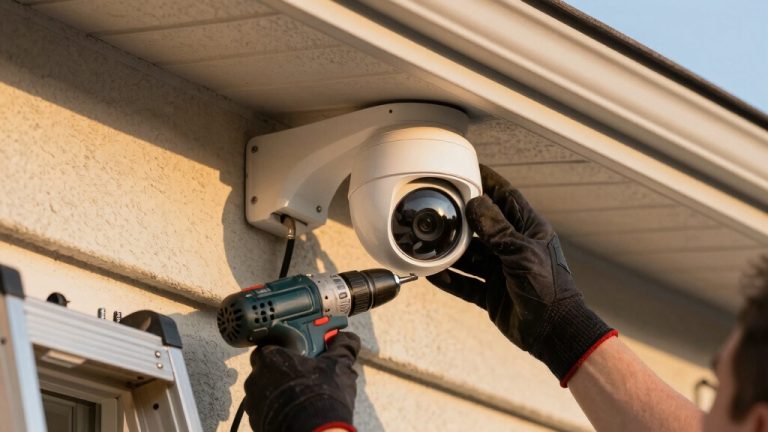
When you install CO detectors strategically throughout your home, you create an early warning system that can save lives.
Placement matters: detectors must be on every level and inside or near sleeping areas to alert you when you’re most vulnerable.
Avoid placing them too close to fuel-burning appliances to prevent false alarms.
Maintain detectors with regular testing and timely battery replacements to guarantee reliability.
Here’s what to focus on:
- Install a detector outside each sleeping area to wake your family in time.
- Place at least one on every floor, including the basement.
- Keep detectors away from humidity and direct sunlight.
- Test all units monthly and replace batteries every six months.
This strategic setup guarantees your family gets the earliest alert, giving you valuable time to act.
Additionally, ensuring your CO detectors have a reliable battery backup helps maintain protection during power outages.
Educate On Symptoms
You should always know the key symptoms of carbon monoxide (CO) poisoning to protect your family effectively. Headache, dizziness, nausea, and vomiting are early signs. Recognizing these symptoms quickly can save lives by prompting immediate evacuation and emergency calls.
Make sure everyone in your household understands these symptoms and knows to act fast.
| Symptom | Description |
|---|---|
| Headache | Persistent, dull pain |
| Dizziness | Feeling lightheaded or faint |
| Nausea/Vomiting | Upset stomach and vomiting |
| Loss of Coordination | Difficulty walking or moving |
Educate children and elderly relatives since they’re more vulnerable. Explain that symptoms often improve once outside, but delay can be deadly. Early recognition is your first defense against CO poisoning.
Practice Evacuation Drills
Knowing the symptoms of carbon monoxide poisoning is only part of staying safe. Practicing evacuation drills guarantees your family can respond quickly and calmly if the alarm sounds. You need to prepare everyone to act without hesitation to protect lives.
Here’s how to make your drills effective:
- Set a clear escape route and make certain all family members know it well.
- Include vulnerable individuals like children or elderly in your practice for extra assistance.
- Don’t allow gathering belongings; safety comes first, not possessions.
- Conduct regular drills at different times to build confidence and quick reaction.
How to Prevent CO Poisoning With Detectors and Maintenance?
Although carbon monoxide (CO) is invisible and odorless, installing detectors on every level of your home and inside bedrooms can provide an early warning before symptoms appear.
Test your detectors monthly and replace batteries every six months to ensure they’re working properly.
Remember, detectors have a limited lifespan; replace units at the end of their life, usually around 5 to 7 years.
Regularly maintain fuel-burning appliances like furnaces, stoves, and grills.
Have a professional inspect venting systems to prevent leaks.
CO alarms trigger below harmful levels, giving you time to act before symptoms start.
By combining reliable detectors with routine maintenance, you greatly lessen the risk of CO poisoning and protect everyone in your home.
Don’t wait; take these steps today.
Frequently Asked Questions
Can Carbon Monoxide Detectors Be Interconnected With Smoke Alarms?
Yes, you can interconnect carbon monoxide detectors with smoke alarms, but it depends on the brand and model.
Many modern systems allow this to guarantee that if one alarm sounds, all alarms in your home will activate, giving you an early warning.
Make sure you follow manufacturer instructions and use compatible devices. Interconnected alarms enhance safety by alerting you throughout the house, especially during sleeping hours when you mightn’t hear a single alarm.
How Long Do CO Detectors Typically Last Before Replacement?
Think of CO detectors like a trusty watch. They don’t keep ticking forever. You should replace your carbon monoxide detector every 5 to 7 years, depending on the manufacturer’s guidelines.
Over time, sensors wear out and become less reliable. Sticking to this timeline guarantees you’re not left in the dark when it matters most. Regularly check your unit’s expiration date and replace it promptly to keep your home safe.
Are There Specific Brands of CO Detectors Recommended by Safety Agencies?
Safety agencies like UL and CSA recommend CO detectors that meet their certification standards.
You should look for brands such as Kidde, First Alert, and Nest, which often receive high marks for reliability and accuracy.
Always choose detectors with UL 2034 certification to ensure quality.
Remember to install these on every level of your home, test them monthly, and replace units according to manufacturer guidelines for peak protection.
Can Portable Fuel-Burning Devices Cause CO Buildup Indoors?
You mightn’t realize it, but portable fuel-burning devices can quietly create a dangerous atmosphere indoors.
When you use items like camping stoves, portable heaters, or grills inside without proper ventilation, carbon monoxide can accumulate. This poses serious risks.
Always operate these devices outdoors or in well-ventilated areas to avoid invisible threats. Taking these precautions guarantees your safety and prevents harmful CO buildup inside your home.
What Are COmmon Mistakes People Make When Responding to CO Alarms?
A common mistake you make is ignoring or silencing the alarm, assuming it’s false.
You might also delay evacuation, gather belongings, or enter closed spaces, increasing exposure.
Trying to ventilate without professional guidance or searching for the CO source yourself puts you at risk.
Re-entering before responders arrive or driving after exposure are dangerous choices.
Always treat alarms seriously and follow emergency protocols immediately.
From Alarm to Action: Protect What Matters Most
When your CO alarm goes off, don’t hesitate; evacuate immediately. It’s not just a beep; it could save your life and your family’s.
Imagine the relief of knowing you acted swiftly, just in time to prevent tragedy. By staying calm, leaving quickly, and contacting emergency responders, you’re protecting what matters most.
Always be prepared and maintain your detectors because safety isn’t accidental, it’s intentional. Your quick action can make all the difference.