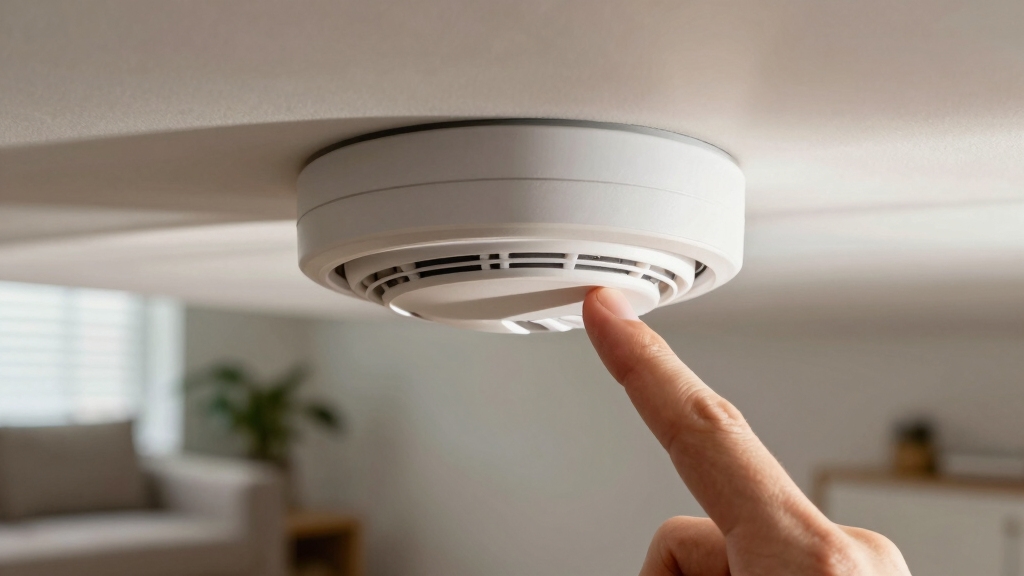

You can typically silence a smoke alarm using hush mode for about 8 to 9 minutes before it automatically resumes full alert. During hush, the alarm stays vigilant and may emit intermittent chirps to confirm it’s active.
If dense smoke appears, hush ends immediately to prioritize safety. You can reactivate hush repeatedly until the air clears. Knowing how hush mode differs from low-battery chirps and when alarms require replacement guarantees you stay prepared.
Details follow on these vital points.
Key Takeaways
- Smoke alarms typically stay silenced (in hush mode) for about 8 to 9 minutes depending on the model.
- Hush mode can be reactivated multiple times until smoke or particulates clear from the environment.
- Silence period automatically resets after the designated duration ends, and alarms resume normal function.
- Dense smoke or sudden particle increases immediately override hush mode, reactivating the full alarm.
- Interconnected alarms silence together when hush is held, and pressing the hush button for ~3 seconds silences all units simultaneously.
How Long Does Smoke Alarm Hush Mode Last??
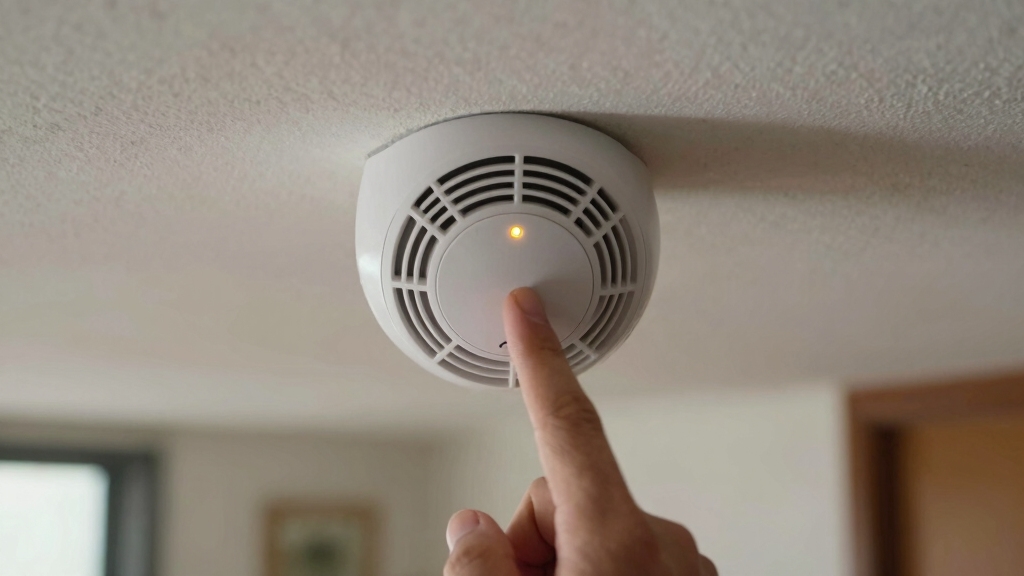
While hush mode temporarily silences your smoke alarm, it typically lasts only 8 to 9 minutes depending on the model. During this period, the alarm suspends its loud alert, giving you time to clear minor smoke or steam without full evacuation.
Some alarms signal active hush mode by chirping intermittently for 10 to 15 minutes, confirming the feature is engaged. Keep in mind, if smoke density increases markedly, hush mode is immediately overridden to guarantee your safety.
You can reactivate hush mode multiple times until the air clears, but it will automatically reset once the silence period ends. Understanding this duration helps you manage nuisance alarms effectively without compromising emergency responsiveness.
Many smoke alarms rely on 9V alkaline batteries to ensure consistent power during hush mode and normal operation.
Alarm Behavior During Hush Mode
Even though hush mode temporarily silences the loud alarm, your smoke detector continues monitoring air quality. It may emit intermittent chirps for 10 to 15 minutes to confirm the feature is active.
Hush mode silences the alarm while your smoke detector keeps monitoring, signaling activity with gentle chirps.
During this period, the alarm suppresses the continuous loud alert but remains vigilant, ready to reactivate if smoke density rises. These chirps serve as a subtle reminder that hush mode is engaged and the device is still functioning.
You can reactivate hush mode multiple times if needed until the air clears. Once the designated silence period ends, the alarm automatically resets to normal sensitivity. It’s ready to alert you loudly if smoke is detected again.
This behavior guarantees safety without unnecessary noise disruption. Many alarms use intermittent chirps specifically to signal temporary silence or low battery conditions, helping users distinguish hush mode from other alerts.
Why Dense Smoke Overrides Smoke Alarm Silence?
You can actually silence your smoke alarm for a little while, but here’s the thing: if it detects dense smoke, it’s going to override that hush feature right away. Pretty smart, right?
This automatic activation is all about keeping you safe by making sure that urgent alerts come first, even when you’ve silenced it.
Knowing how this works can really help you feel more confident in your smoke alarm. You can trust that it’ll alert you when it really counts. After all, your safety is the top priority!
It’s also important to note that factors like humidity levels can affect smoke alarm sensitivity and may cause false alarms if not properly managed.
Immediate Alarm Activation
Dense smoke triggers smoke alarms to override any silence mode immediately, ensuring you’re alerted without delay. When dense smoke enters the sensor chamber, the alarm’s circuitry detects the sudden increase in particulate concentration and cancels any hush function.
This instantaneous response guarantees that you won’t miss critical warnings, even if you manually silenced the alarm moments earlier. The override mechanism activates regardless of how long the silence mode has been engaged or how many times it’s been reset.
By prioritizing dense smoke detection, the alarm safeguards you against potential danger without hesitation. Understanding this feature helps you trust that your smoke alarm’s silence won’t compromise your safety during a real fire event.
Immediate activation is an essential fail-safe in smoke alarm design. The sensor’s ability to detect light scattering from smoke particles ensures reliable detection of smoldering fires that produce large, dense particles.
Safety Priority Enforcement
Smoke alarms consistently prioritize your safety by overriding any silence mode when they detect thick smoke.
This safety feature guarantees that even if you’ve temporarily silenced the alarm, it will immediately sound if dangerous smoke levels appear.
The hush mode typically lasts 8-9 minutes, but dense smoke detection bypasses this to alert you without delay.
This override prevents dangerous delays in emergency response, as thick smoke signals a real fire hazard requiring immediate action.
You can reactivate hush mode after the air clears, but once smoke density rises, the alarm resumes full operation to protect you.
This intelligent enforcement balances convenience with uncompromised safety, guaranteeing your smoke alarm never stays silent when you need it most.
Proper placement near bedrooms ensures these alerts reach you promptly when it matters most.
How to Reactivate Smoke Alarm Hush Mode?
Although hush mode temporarily silences your smoke alarm, you can reactivate it quickly if the air quality hasn’t improved.
To do this, simply press the test/silence button on the alarm’s front again. This reengages hush mode for another 8-9 minutes, depending on your model.
If you have interconnected alarms, holding the hush button for about 3 seconds will silence all units simultaneously, then allow reactivation as needed.
Remember, dense smoke will override hush mode, triggering the alarm immediately regardless of silencing.
You can reactivate hush mode repeatedly until the environment clears, ensuring you’re not left with unnecessary noise while maintaining safety.
Always monitor the air quality closely and be ready to respond if the alarm returns to full alert mode.
Quickly silencing false alarms with a brief press of the test or silence button helps prevent battery drain and household drama.
Difference Between Hush Mode and Low Battery Chirping
While hush mode helps you temporarily silence your smoke alarm during minor nuisances, it’s important to distinguish this from the low battery chirping signals.
Hush mode pauses the alarm for 8-9 minutes, allowing you to clear minor smoke or steam without constant beeping. In contrast, low battery chirping occurs every 30-60 seconds, indicating a maintenance issue that requires immediate attention.
Here’s how to tell them apart:
- Duration: Hush mode silences alarms temporarily; low battery chirping continues until fixed.
- Sound pattern: Hush mode may show chirps for 10-15 minutes, but low battery chirps occur consistently every minute.
- Action required: Hush mode resets automatically; low battery chirping demands battery replacement or unit change.
Knowing these differences makes certain you respond appropriately to your smoke alarm’s signals. For persistent issues like continuous beeping, following the troubleshooting and reset procedures can help ensure your device functions properly.
Common Causes of False Alarms Interrupting Silence
When moisture, dust, or temperature fluctuations interfere with your alarm’s sensors, they can trigger false alarms that break through silence modes.
Humidity from kitchens or bathrooms often causes moisture buildup, activating the sensor unnecessarily.
Dust accumulation blocks the light-sensitive components, leading to repeated chirping or alarms.
Temperature swings in unheated spaces disrupt electrical charge consistency, prompting false alerts.
Additionally, corrosion or debris on battery terminals can interrupt power flow, causing intermittent alarms.
To prevent these issues, clean your smoke alarm every six months and make certain it’s installed away from moisture-prone areas.
Recognizing these common interference factors helps you maintain reliable silence periods and avoid unexpected disruptions.
Make certain your smoke alarm performs accurately when it truly matters.
Steam particles can mimic smoke by scattering light or disrupting ion flow, often causing false alarms from steam.
End-of-Life Chirping in Smoke Alarms
So, when you hear that chirping, don’t just brush it off. It’s really important to replace the entire unit to keep your home safe. Ignoring those signals? Not a good idea!
Outdated sensors can lose accuracy over time, which means they mightn’t protect you as well as they should. Stay safe and make that swap when you hear the chirps! Regular replacement also ensures compliance with building codes that require functional detectors for continuous protection.
Sensor Lifespan Indicators
Understanding sensor lifespan is essential for maintaining effective smoke alarm protection.
Smoke alarms typically last about 10 years. After this period, their sensors degrade and can fail to detect smoke accurately.
To keep your home safe, you need to recognize the signs that your alarm is nearing the end of its useful life.
- End-of-life chirping: Your alarm emits a distinct chirp pattern, different from low-battery beeps, signaling sensor failure.
- Reduced sensitivity: The detector might respond slower or inconsistently to smoke.
- Age verification: Check the manufacture date on the unit. If it’s over 10 years old, replacement is necessary regardless of apparent function.
Ignoring these indicators risks false alarms or missed fires.
Replace your unit promptly to guarantee continuous, reliable protection.
Regular testing and maintenance are still important even near the end-of-life period to ensure safety until replacement.
Replacement Timing Signals
Although smoke alarms provide essential early warnings, they don’t last forever and will eventually signal when they need replacing.
After about 10 years, most alarms begin emitting an end-of-life chirp to alert you that the device’s sensors are no longer reliable.
This chirping differs from low-battery alerts; it’s a periodic beep indicating sensor degradation rather than power issues.
If your smoke alarm has a carbon monoxide sensor, expect mandatory replacement signals between 7 and 10 years of use.
Ignoring these signals risks false alarms or failure to detect hazards.
Regularly check your alarm’s manufacture date and replace it promptly when end-of-life chirping starts.
Doing so guarantees continued protection and prevents dangerous delays in emergency response.
How to Silence Smoke Alarms on Different Systems?
Silencing smoke alarms varies depending on the system type and model you have installed. You need to know the specific method for your alarm to stop the noise effectively without compromising safety.
Silencing smoke alarms depends on your system type and model to stop noise safely and effectively.
- Press the test/silence button on the alarm’s front. Holding the hush button for about 3 seconds usually silences all interconnected units.
- For alarms connected to a security panel, enter the designated keypad code to mute the system through its digital interface.
- If button controls don’t work, manually remove the alarm by rotating it counterclockwise. Then replace the battery to reset the silence.
Always remember, dense smoke will override hush mode immediately to ensure you’re alerted to danger.
Frequently Asked Questions
Can a Smoke Alarm Be Silenced Remotely via a Smartphone App?
Yes, you can silence some modern smoke alarms remotely using a smartphone app, especially if they’re part of a smart home system.
These apps let you hush alarms quickly without physically pressing buttons. However, not all alarms support this feature; it depends on the model and connectivity options like Wi-Fi or Bluetooth.
Always check your alarm’s specifications to confirm remote silencing capabilities and make certain safety protocols remain intact.
How Often Should Smoke Alarms Be Cleaned to Prevent False Alarms?
You should clean your smoke alarms at least every six months to prevent false alarms.
Dust, moisture, and debris can block sensors or cause chirping. Regular maintenance keeps them accurate.
Use a vacuum or soft brush to remove particles gently. If you live in humid or dusty environments, consider cleaning more often.
Staying proactive guarantees your alarms function properly and avoid unnecessary disturbances.
What Types of Batteries Are Recommended for Smoke Alarms?
You should use high-quality alkaline batteries for your smoke alarm, as they provide reliable power and longer life.
Some models also work with lithium batteries, which last even longer and perform better in extreme temperatures.
Avoid rechargeable batteries since they mightn’t offer consistent voltage.
Always check your alarm’s manual for specific recommendations to guarantee proper function and avoid false alarms or premature low-battery chirping.
Replace batteries annually for peak safety.
Can Pets Trigger Smoke Alarm False Alarms or Chirping?
Yes, pets can trigger false alarms or chirping in smoke detectors. Their fur and dander increase airborne particles, which may block sensors or cause dust buildup, leading to false activations.
Additionally, pet-related humidity or moisture can affect sensor accuracy. To prevent this, clean your smoke alarm every six months, keep it away from pet sleeping areas, and maintain proper ventilation to reduce false alarms caused by your pets.
Is It Safe to Disable a Smoke Alarm Temporarily During Renovation?
Sure, disabling a smoke alarm during renovation sounds like a brilliant idea until a real fire breaks out unnoticed.
Instead, use the hush button to silence false alarms temporarily. It lasts about 8-9 minutes and resets automatically.
This way, you avoid risking safety while dealing with dust and fumes. Always keep alarms active enough to detect dense smoke, because real emergencies don’t pause for your renovations.
Safety Lies Between Silence and Sound
Think of your smoke alarm’s hush mode like a brief pause in a storm. It gives you calm, but only momentarily. Just as the wind soon returns, dense smoke will override silence to keep you safe.
You control this pause, but remember, it’s a temporary quiet, not a permanent silence. Stay alert, reset hush mode when needed, and never mistake chirping for harmless noise.
Your safety depends on this balance between silence and sound.