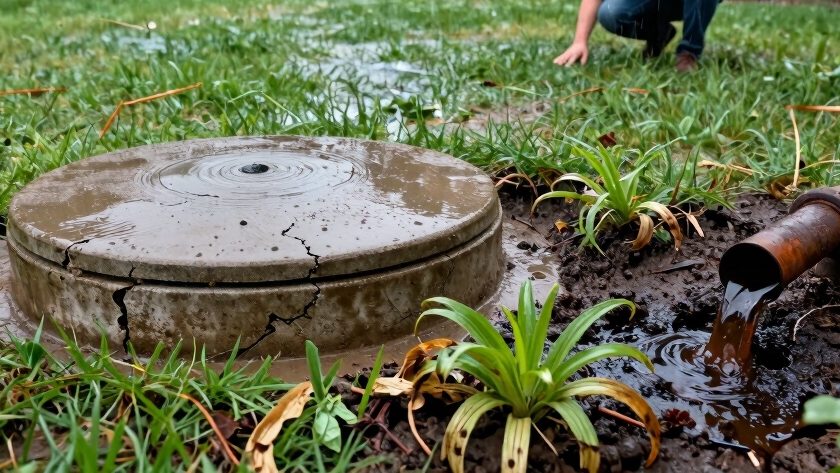

The most common cause of septic system failure is excessive water use that exceeds your system’s design capacity, leading to hydraulic overload.
This overwhelms tank retention time, reduces solids settling, and saturates the drainfield soil, causing backups and surface ponding.
Poor maintenance, like infrequent pumping and ignoring leaks or flushing non-biodegradables, also accelerates failure.
Additionally, improper design and unsuitable soil conditions worsen problems. Understanding these factors helps you safeguard system reliability and avoid costly repairs.
Key Takeaways
- Excessive water usage causing hydraulic overload is the most common cause of septic system failure.
- Leaky fixtures and additional water inputs increase wastewater volume beyond design limits, leading to backups and drainfield saturation.
- Insufficient septic tank size or poor system design reduces solids settling, accelerating clogging and system failure.
- Soil saturation and poor site selection limit effluent absorption, causing ponding and drainfield damage.
- Neglecting regular pumping and filter maintenance leads to solids buildup, biomat thickening, and eventual drainfield clogging.
Excessive Water Usage and Its Impact
When you exceed the designed flow rate of 120 gallons per bedroom per day, your septic system struggles to handle the excess water. This leads to backups inside your home or surfacing in your yard.
Exceeding 120 gallons per bedroom daily causes septic backups inside your home or in your yard.
Leaky fixtures, additional occupants, and appliances like dishwashers or sump pumps increase water volume beyond design limits. This overload saturates the drainfield soil, preventing proper effluent absorption and causing premature system failure.
The soil beneath the drainfield is critical for the treatment and dispersal of wastewater, so its saturation severely impacts system function.
Excess water reduces solids settling in the tank, increasing the risk of clogging the drainfield. External sources like roof runoff or groundwater worsen saturation, further compromising system function.
Managing household water use and promptly repairing leaks are critical to maintaining hydraulic balance and preventing these failures. Understanding these mechanisms helps you avoid costly damages and extends your septic system’s operational lifespan.
Importance of Regular Maintenance
Hey there! Just a quick reminder about the importance of keeping up with your septic system. It’s a good idea to schedule septic pumping every 3 to 5 years. This helps prevent sludge from building up, which can lead to some serious system issues down the line.
And don’t forget about those annual inspections! They’re super helpful for keeping an eye on sludge and scum levels. Catching any potential problems early can save you a lot of hassle later on. Studies have shown that even younger septic systems can develop hydraulic issues similar to old systems, making regular checks essential.
Oh, and let’s not overlook the filter and baffle maintenance. These components are really important for protecting your drain field from getting clogged. Keeping everything in check will help ensure your septic system runs smoothly!
Pumping Frequency Necessity
Regularly scheduling septic tank pumping is essential to maintain system functionality and prevent costly failures. You must tailor the pumping frequency to household size, tank capacity, and solids accumulation. Ignoring this leads to sludge and scum buildup, risking drainfield contamination and system breakdown.
Consider these critical points: Pump every 3 to 5 years for average households; more often with larger families or heavy water use. Monitor sludge exceeding 12 inches or scum beyond 6 inches to time pumping accurately. Frequent pumping prevents biomat thickening that damages soil treatment systems.
Additionally, scheduling professional inspections every 1 to 2 years can help adjust pumping intervals based on the actual condition of the system, ensuring optimal maintenance and avoiding unexpected problems.
Avoid costly repairs by investing $250-$500 in maintenance versus $5,000+ replacement expenses. Refrain from using additives or flushing non-biodegradables to maintain bacterial balance. Adhering to these guidelines optimizes system longevity and performance.
Inspection Benefits Annual
Maintaining a consistent pumping schedule lays the groundwork for effective septic system care. Annual inspections play a pivotal role in identifying issues before they escalate. During these inspections, professionals detect early signs of wear, blockages, or sludge buildup.
This proactive approach prevents costly failures like overflows or contamination. You’ll benefit from early detection of cracks or leaks, ensuring your drain field and system health remain optimal.
Economically, annual maintenance costing $100-$300 can save you from $5,000-$15,000 in replacement or emergency repairs.
Furthermore, regular inspections extend your system’s lifespan by minimizing premature failures and maintaining efficiency.
They also protect public health and the environment by verifying pollutant removal and preventing leaks.
Regular pumping is essential because it removes accumulated solids that can otherwise overflow and clog the system, leading to system failure.
Keeping documented records further supports regulatory compliance and enhances property value, demonstrating responsible ownership.
Filter and Baffle Care
Effluent filters play a critical role in septic system performance by trapping suspended solids and scum exiting the septic tank. This prevents clogging and damage to the drainfield.
Neglecting regular maintenance can lead to costly backups, drainfield failure, and environmental contamination. You should clean the filter at least every 3–5 years during tank pumping. High-use systems may require cleaning quarterly.
Professional consultation is advised to determine the best cleaning schedule based on your system’s size and water use. Replace filters if damaged or persistently clogged. To keep your system reliable:
- Prevent septic backups and costly repairs
- Extend drainfield and component lifespan
- Avoid environmental contamination risks
- Reduce emergency pumping and service disruptions
- Maintain compliance with local regulations
Consistent filter and baffle care is essential to safeguard your septic system’s function and longevity.
Consequences of Improper System Design
When you’re designing a septic system, it’s super important to pay attention to soil absorption limits. If you don’t, you could end up with saturation issues and effluent surfacing, which nobody wants!
Making sure you pick a tank that’s the right size is also key. This way, solids can settle out properly, which helps reduce the risk of clogging in the drainfield.
And let’s not forget about the site selection! Choosing a spot with the right kind of soil permeability and making sure you’re following proper setbacks can really help minimize contamination and reduce stress on the system. It all comes together to create a more efficient and effective septic system!
Additionally, installing the system in soils without the required four feet of unsaturated soil beneath the absorption area can lead to untreated wastewater entering groundwater, causing system failure.
Soil Absorption Limits
Soil absorption limits frequently determine the success or failure of a septic system, as improper design can lead to serious hydraulic and treatment deficiencies.
When you overlook soil permeability, limiting layers, or hydraulic loading, you risk system failure and environmental harm. Fine-textured soils slow infiltration, while coarse soils permit inadequate treatment time.
Limiting layers like bedrock or high groundwater reduce vertical separation, increasing contamination risk. Without proper rest periods, biomat buildup clogs the soil, causing ponding and surfacing.
Consider these consequences if you neglect soil absorption limits:
- Surface ponding and foul odors
- Rapid biomat formation reducing infiltration
- Untreated effluent reaching groundwater
- Increased nutrient and pathogen migration
- Premature system failure requiring costly repairs
Understanding and designing within soil absorption constraints is essential to maintaining a functional septic system.
Tank Size Importance
Limiting factors like soil absorption capacity place significant demands on the septic tank’s design, making tank size a key determinant of system performance.
Undersized tanks reduce hydraulic retention time, leading to poor solids settling, increased suspended solids, and accelerated drainfield clogging.
You must meet code-minimum capacities, often 1,000 gallons for three-bedroom homes, to ensure adequate treatment and system longevity.
| Factor | Impact |
|---|---|
| Tank Capacity | Ensures retention time, solids settling |
| Compartmenting | Prevents solids carryover |
| Undersizing | Increases solids scouring, clogging |
| Hydraulic Retention Time | Critical for anaerobic treatment |
| Load Estimation | Based on bedrooms, not occupancy |
Ignoring these parameters results in frequent maintenance, permit issues, and premature failure, compromising public health and system function.
Site Selection Challenges
Although proper system design depends heavily on multiple site factors, failing to evaluate and accommodate soil conditions, topography, and proximity to water sources can severely compromise septic system performance.
Overlooking these elements risks system failure, contamination, and costly repairs. You must rigorously assess:
- Soil porosity; sandy or clay-heavy soils disrupt effluent absorption.
- Slope steepness; slopes over 30% demand specialized systems.
- Setback distances from wells and water bodies to prevent pollution.
- Accurate percolation tests to tailor system design precisely.
- Land contours and drainage patterns to avoid erosion and backups. Proper placement on level ground or gentle slopes that drain away from the house and well is essential to minimize contamination risks.
Ignoring these challenges leads to inefficient effluent dispersal, groundwater contamination, and regulatory violations.
Common Installation Mistakes
When installing a septic system, overlooking critical steps during the process can lead to premature failure and costly repairs.
Common mistakes include neglecting to obtain required permits and ignoring local setback rules, which risks contamination and legal issues.
Skipping thorough soil evaluations like percolation tests or groundwater assessments, often results in incompatible system selection and poor effluent absorption. Performing proper soil testing is essential to ensure the system matches the site’s absorption capacity.
Incorrect sizing, such as undersized tanks or inappropriate system types, causes frequent overflows or mechanical failures.
Additionally, poor excavation practices, like improper base leveling or heavy equipment compaction over drainfields, reduce soil permeability and damage components.
Use of substandard materials or improper sealing further compromises system integrity. To avoid failure, make certain compliance with regulations, conduct detailed site evaluations, select proper components, and follow precise installation protocols.
How Drainfield Failures Occur?
Drainfield failures often stem from hydraulic overloading, soil limitations, physical clogging, and root intrusion, each disrupting the system’s ability to properly treat and disperse effluent.
You might witness failure when:
Excess water saturates soil, halting aerobic treatment and causing effluent to surface. Overloading the system with water from excessive water use is a common cause that overwhelms the drainfield’s absorption capacity.
Unsuitable soil texture or restrictive layers impede absorption, increasing contamination risks. Biomat layers or accumulated solids clog distribution pipes, sealing absorption surfaces.
Soil compaction or trench damage reduces permeability, promoting pooling. Tree roots invade pipes, obstructing flow and damaging infrastructure.
Understanding these precise mechanisms helps you identify vulnerabilities before catastrophic failure occurs. Each factor accelerates soil saturation or physical blockage, undermining effluent treatment and dispersal.
Effects of Improper Household Practices
Understanding the mechanical and environmental factors causing system failures sets the stage for examining how everyday household habits directly impact septic performance.
Improper practices like excessive water use, flushing non-biodegradable solids, and overusing harsh chemicals overload and disrupt the system’s biological and physical processes. Heavy rainfall and improper landscaping contribute to soil saturation and exacerbate the problem, worsening drain field saturation.
These actions accelerate sludge buildup, reduce microbial efficiency, and cause blockages or drainfield saturation.
| Household Practice | Impact on Septic System |
|---|---|
| Excessive water use | Hydraulic overloading, reduced treatment time |
| Flushing non-biodegradable solids | Pipe blockages, premature sludge accumulation |
| Overuse of harsh chemicals | Microbial population decline, impaired digestion |
You need to moderate water flow, avoid harmful disposals, and limit chemical use to maintain system integrity and prevent failure.
Recognizing Signs of Overloaded Septic Systems
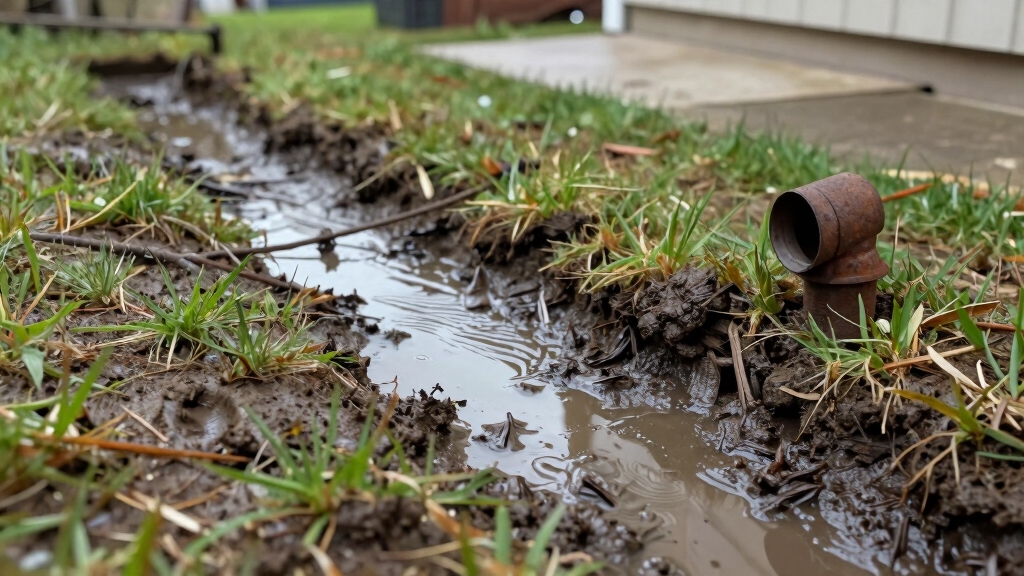
If your septic system starts acting up, recognizing the signs of overload early can prevent costly damage. You should monitor your system for these critical indicators:
- Slow drains across multiple fixtures signal system-wide congestion.
- Gurgling noises from toilets or vents indicate trapped gases and pressure imbalances.
- Foul odors near drains or the yard show untreated waste surfacing.
Pooling water or soggy spots around the drainfield is evidence of effluent overflow. Such conditions may be worsened by drainfield oversaturation or damage caused by invasive tree roots.
Sewage backups in toilets or sinks are a clear emergency requiring immediate attention. Spotting these symptoms promptly helps you address overload before it leads to full system failure.
Ignoring them risks health hazards, expensive repairs, and environmental contamination. Stay vigilant to maintain your septic system’s functionality and longevity.
Role of Soil Conditions in System Longevity
When selecting and maintaining a septic system, soil conditions play a critical role in determining its longevity and effectiveness.
Sandy and loamy soils, with high permeability, support efficient effluent dispersal and extend system life up to 40 years or more. The soil absorption area provides the final natural filtration that is vital for protecting groundwater quality.
Conversely, clay, rocky soils, or high water tables impede drainage, causing pooling and premature failure, often reducing lifespan to 15-30 years. Proper soil evaluation and matching system design to site conditions optimize performance.
| Soil Type | Impact on System Longevity |
|---|---|
| Sandy/Loamy | Supports 30-40+ years |
| Clay | Causes drainage issues, ~15-20 years |
| Rocky/Shallow Bedrock | Limits treatment, 15-30 years |
| High Water Table | Requires mound/special systems, 15-30 years |
Preventative Measures to Avoid System Failure
Although septic systems can function effectively for decades, neglecting preventative measures often leads to premature failure.
To maintain peak performance and longevity, you must adopt rigorous maintenance and operational practices. Prioritize regular inspections and timely pumping to prevent solids from clogging the drainfield.
Control water usage patterns to avoid hydraulic overload and repair leaks promptly to reduce unnecessary wastewater volume. Use the system correctly by avoiding harmful wastes and chemicals that disrupt bacterial action.
Protect the system physically to prevent soil compaction and damage.
- Schedule inspections every 1–3 years and pump every 3–5 years.
- Stagger water-intensive tasks and fix leaks immediately.
- Avoid flushing fats, chemicals, and non-biodegradables.
- Use septic-safe cleaning products only.
- Keep heavy equipment off drainfields to prevent compaction.
Frequently Asked Questions
How Does Seasonal Weather Affect Septic System Performance?
Seasonal weather directly impacts your septic system by altering soil saturation and temperature.
During wet seasons, saturated or frozen soil hinders effluent absorption, causing backups.
Cold temperatures slow bacterial breakdown, increasing solids buildup.
Heavy rains overload drainfields, exceeding their capacity.
Shift periods with fluctuating water tables stress your system, leading to biomat clogging and hydraulic failure.
You must monitor seasonal changes closely to maintain proper septic performance and prevent system failures.
Can Tree Roots Damage Septic System Components?
Yes, tree roots can severely damage septic system components despite what you might think.
Roots invade through cracks and loose joints, exploiting weak spots in pipes and tanks. Inside, they thicken and block flow, causing backups and system failure.
They also exert pressure that cracks or collapses pipes and tanks. Prevent this by maintaining proper setback distances, installing root barriers, and scheduling regular inspections to detect early root intrusion and avoid costly repairs.
What Are the Environmental Impacts of Septic System Failure?
You should know septic system failure leads to nutrient pollution, causing harmful algal blooms and oxygen depletion that kill aquatic life.
It releases pathogens contaminating water, posing health risks and causing beach closures.
Groundwater can get polluted with nitrates and bacteria, threatening drinking water safety.
Ecosystems degrade as biodiversity declines, and economic losses occur from shellfish bed closures.
Addressing failures promptly protects both environmental and public health effectively.
How Long Does a Typical Septic System Last?
You might think septic systems last forever, but they typically endure 15 to 40 years.
With proper care, like regular pumping every 3-5 years and annual inspections, you can extend this to 50 years or more.
Concrete tanks often outlast plastic or steel due to corrosion resistance.
Drainfields usually last 20 to 30 years but can exceed 50 with maintenance.
Your system’s lifespan depends heavily on design, installation, and environmental conditions.
Are There Alternative Technologies to Traditional Septic Systems?
Yes, you have several advanced alternatives to traditional septic systems.
Aerobic treatment units use oxygen to enhance wastewater breakdown, ideal for poor soils.
Mound systems elevate drain fields for high groundwater areas.
Drip irrigation delivers low-volume effluent precisely, suitable for steep slopes.
Advanced nutrient removal systems like constructed wetlands remove nitrogen and phosphorus effectively.
Each option requires specific maintenance and site evaluations, but they markedly improve treatment efficiency and environmental protection.
Extend the Life of Your Septic System by Avoiding These Common Traps
You might think your septic system could handle endless water and careless habits without fail. After all, it’s just underground, right? Ironically, ignoring regular maintenance, overloading your system, or skimping on proper design guarantees failure faster than you’d expect.
By understanding these common pitfalls and taking precise preventative steps, you actually extend your system’s life. So, don’t let neglect be the most common cause of your septic system’s premature demise.