
You should install smoke alarms on every level of your home, including outside sleeping areas and inside bedrooms. Mount them high on walls or ceilings with proper spacing.
Test alarms monthly, replace batteries annually, and clean dust regularly to avoid false alarms. Replace any faulty or 10-year-old units promptly and never reuse old batteries.
When alarms sound, exit quickly and safely. Following these steps keeps your family safe. Explore further to fully protect your home and respond effectively.
Key Takeaways
- Install smoke alarms on every home level, inside bedrooms, and outside sleeping areas for full coverage.
- Test alarms monthly and replace batteries annually or when low-battery chirps sound.
- Clean alarms regularly with a vacuum without removing covers to prevent dust buildup.
- Replace all smoke alarms every 10 years or immediately if damaged or failing tests.
- Develop and practice an emergency escape plan, including crawling low and closing doors when evacuating.
Where to Install Smoke Alarms for Maximum Safety?
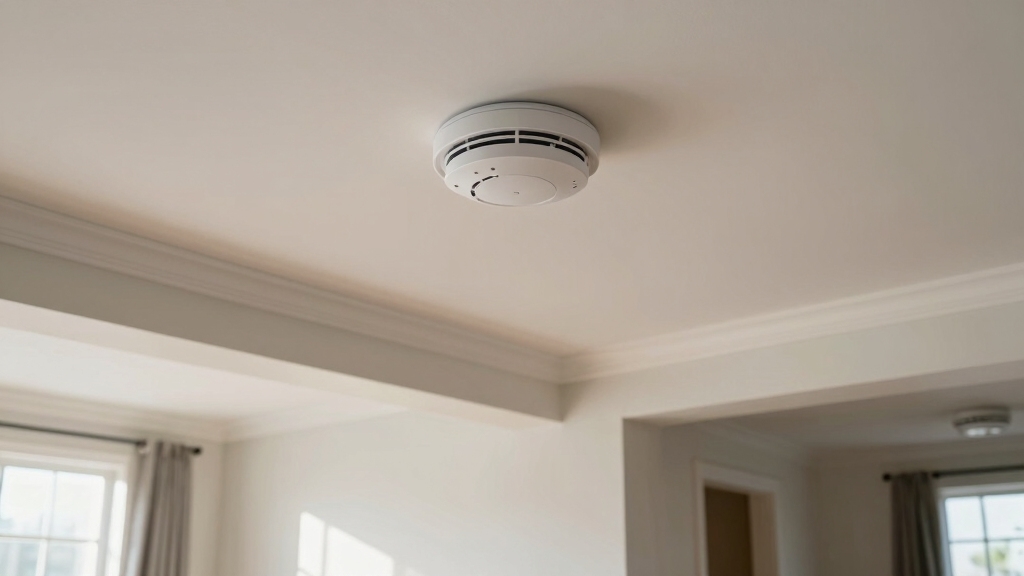
To make certain maximum safety, install smoke alarms on every level of your home, including basements and attics. Place alarms outside each sleeping area and inside every bedroom to ensure you’re protected where it matters most.
Mount the devices high on walls or ceilings. If on ceilings, position them at least 4 inches from walls. If on walls, place them 4 to 12 inches below the ceiling.
Avoid installing alarms near windows, doors, ducts, or fans since air drafts can interfere with their operation. Proper placement maximizes detection speed, giving you and your family critical extra seconds to react.
For optimal protection, maintain a maximum spacing of 30 feet between smoke detectors to ensure effective coverage.
How to Maintain Your Smoke Alarms Effectively?
Although installing smoke alarms properly is essential, maintaining them regularly guarantees they function reliably when you need them most. You should test each alarm monthly by pressing the test button for 3 to 5 seconds to confirm it’s working.
Proper installation is vital, but regular maintenance ensures your smoke alarms work when it matters most.
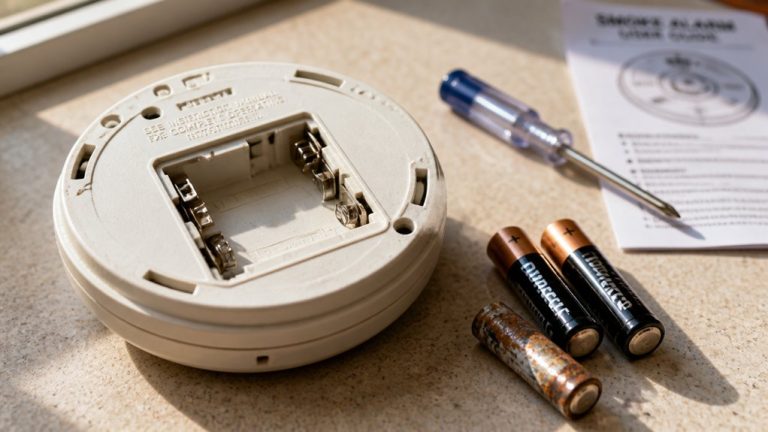
Replace batteries annually or immediately when you hear low-battery chirps. Clean alarms frequently with a vacuum cleaner to remove dust without taking covers off. This prevents false alarms or malfunctions.
Inspect each alarm carefully; if one doesn’t respond properly, replace it promptly. Also, interconnect your smoke alarms so when one sounds, all do, ensuring you’re alerted throughout your home.
Staying proactive with these maintenance steps keeps your smoke alarms ready to protect you and your family effectively. Remember to replace backup batteries every six months to maintain optimal battery performance and system reliability.
When and How to Replace Smoke Alarms Safely?
Maintaining your smoke alarms is essential, but knowing when and how to replace them is just as important to keep your home safe.
Replace all smoke alarms after 10 years, regardless of battery or power type. Sensors degrade over time. If an alarm fails to respond during monthly testing or shows physical damage, replace it immediately.
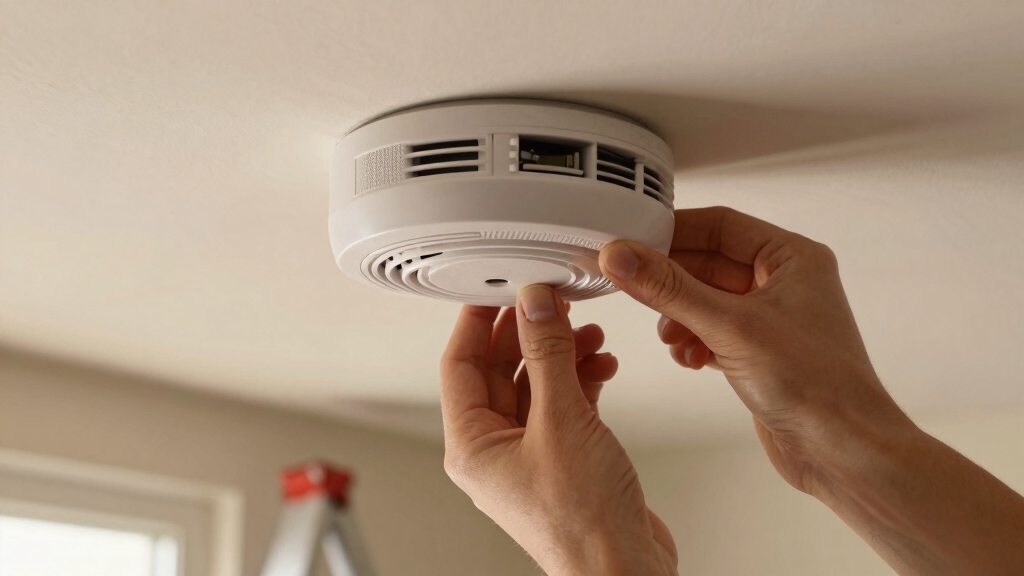
Always use alarms certified by recognized labs like UL or CSA. When installing a new unit, mount it on the ceiling or high on a wall. Avoid drafts near windows or vents.
Never reuse old batteries; install fresh, high-quality ones each time. Consider upgrading to interconnected photoelectric or dual-sensor alarms for enhanced detection.
Proper replacement guarantees reliable protection and peace of mind for you and your family. It is also critical to maintain the battery backup regularly to ensure uninterrupted operation during power outages.
Preventing False Smoke Alarms in Your Home
False alarms can quickly wear down your patience and even lead to disabling your smoke alarms, which puts your safety at risk. To prevent false alarms, you need to install and maintain your devices thoughtfully.
False alarms can test your patience and may cause you to disable alarms, risking your safety.
Follow these key steps:
- Position alarms properly. Avoid placing them near kitchens, bathrooms, or vents where steam, smoke, or drafts can trigger false alerts. Use photoelectric alarms within 20 feet of cooking areas to reduce sensitivity to cooking fumes.
- Keep alarms clean by vacuuming dust and debris regularly without removing covers.
- Choose models with a “hush” or silence button so you can temporarily reduce sensitivity during unavoidable smoke exposure, like cooking.
- Maintaining humidity below 85% near alarms helps reduce false triggers and unnecessary disruptions.
What to Do When Your Smoke Alarms Sound?
When your smoke alarm sounds, your immediate priority is to leave the home quickly and safely. Don’t hesitate; grab everyone and follow your escape plan.
Avoid opening hot doors; use alternate exits if necessary. Crawl low to avoid smoke inhalation and close doors behind you to slow fire spread.
Once outside, call emergency services and never reenter the building. If your alarm is a local system, remember to make an immediate 911 call to ensure the fire department is alerted.
| Action | Reason |
|---|---|
| Leave immediately | Smoke and fire spread quickly |
| Feel doors before opening | Prevent burns and blocked exits |
| Crawl low to escape | Smoke rises, cleaner air near floor |
| Close doors behind you | Slows fire and smoke movement |
Stay calm, act fast, and prioritize safety. Your preparedness can save lives.
Frequently Asked Questions
Can I Use Rechargeable Batteries in My Smoke Alarms?
You shouldn’t use rechargeable batteries in your smoke alarms. They often don’t provide a consistent power output and can cause the alarm to malfunction or fail to alert you during an emergency.
Always install fresh, high-quality alkaline or lithium batteries recommended by the manufacturer. This guarantees reliable operation and extends the device’s lifespan.
Using the right batteries is critical for your safety and the proper functioning of your smoke alarm.
How Loud Should a Smoke Alarm Be to Ensure Safety?
Your smoke alarm should emit a sound at least 85 decibels (dB) at 10 feet to guarantee it wakes you up and alerts everyone in the home during an emergency.
This volume is loud enough to cut through background noise and sleeping distractions.
Make sure you test your alarms regularly to confirm they’re working properly and loud enough.
Never disable or lower the volume, as that compromises your safety.
Are There Smoke Alarms Suitable for People With Hearing Impairments?
Yes, there are smoke alarms designed specifically for people with hearing impairments. You can find alarms that use flashing strobe lights or vibrating pads to alert you instead of, or in addition to, loud sounds.
When choosing one, pick units certified by recognized labs like UL or CSA to guarantee reliability. Installing these alarms near sleeping areas and interconnecting them will enhance your safety by providing multiple alert methods tailored to your needs.
Can Pets Trigger Smoke Alarms Accidentally?
Imagine your dog’s excited barking near the kitchen triggers your smoke alarm. Yes, pets can accidentally set off alarms, especially if they stir up dust or smoke from cooking.
To prevent this, place alarms away from areas with frequent pet activity. Avoid locations near vents or fans where pet hair or dust circulates.
Regular cleaning and using photoelectric alarms near kitchens help reduce false alarms caused by pets or cooking fumes.
How Do Interconnected Alarms Communicate With Each Other?
Interconnected alarms communicate through wired or wireless connections, allowing them to share signals instantly. When one alarm detects smoke, it sends a signal to all others, triggering them to sound simultaneously.
This guarantees you’re alerted throughout your home, no matter where the fire starts. You’ll want to install alarms compatible with interconnect features and confirm proper setup to ensure every device works together seamlessly to maximize your safety.
Follow These Smoke Alarm Safety Tips Before It’s Too Late
Now that you know where to install, how to maintain, and when to replace your smoke alarms, imagine the difference a working alarm can make in an emergency.
Don’t wait until the unexpected happens. Take action today to prevent false alarms and ensure your home’s safety.
Your vigilance could be the one thing that alerts you in time. Stay prepared, stay safe, and never underestimate the power of a well-maintained smoke alarm.