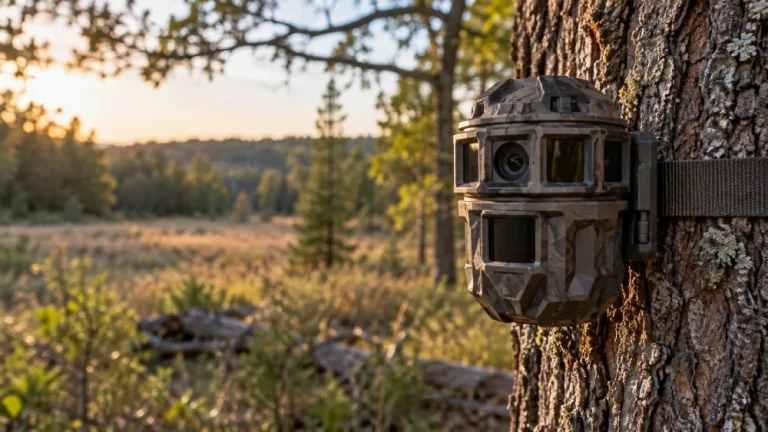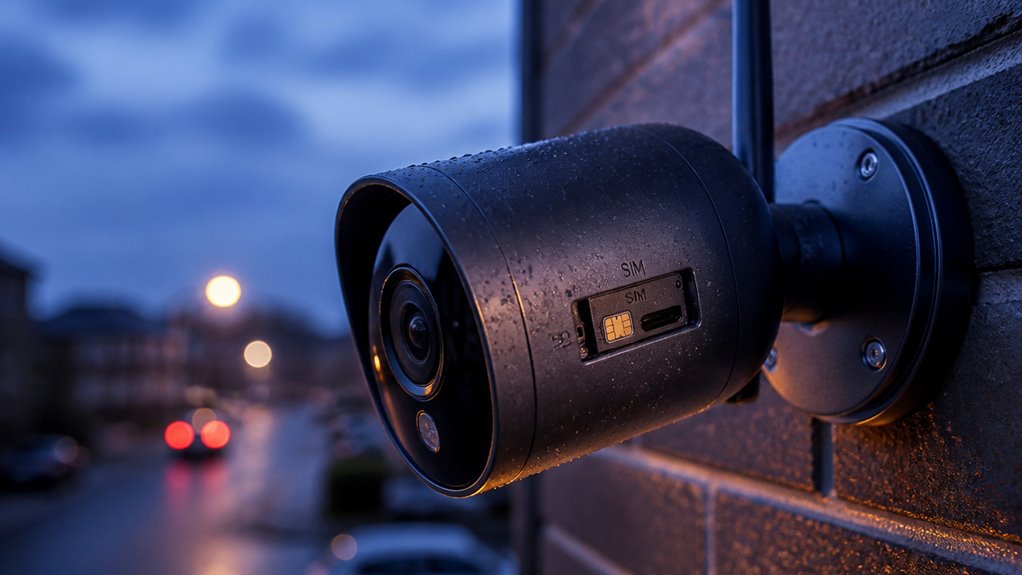

You’ll want a cellular security camera for reliable, Wi-Fi-free monitoring via 3G, 4G, or 5G networks. This is ideal in remote or underserved areas.
Look for models with strong battery capacity (13,000–20,000mAh) and optional solar panels to extend uptime.
Consider video quality options from 1080p to 2K and features like digital zoom, intelligent alerts, and dual connectivity.
Weigh local versus cloud storage for security and access needs.
Explore further to understand which model fits your setup best.
Key Takeaways
- Cellular security cameras offer remote monitoring via 3G, 4G, or 5G without relying on Wi-Fi, ideal for remote or underserved locations.
- Battery capacities between 13,000mAh and 20,000mAh, combined with 12-watt solar panels, enable extended off-grid operation and reduce maintenance.
- Video quality ranges from 1080p HD to 2K resolution, with zoom options from 4x to 12x and advanced night vision for clear imaging.
- Storage choices include local microSD cards up to 512GB for offline access or cloud storage with encrypted, remote access and smart alerts.
- Leading models like Eufy Starlight, Arlo Go 2, and Reolink Altas Go PT 4G differ by resolution, zoom, connectivity, and specialized features.
Why Choose Cellular Security Cameras?
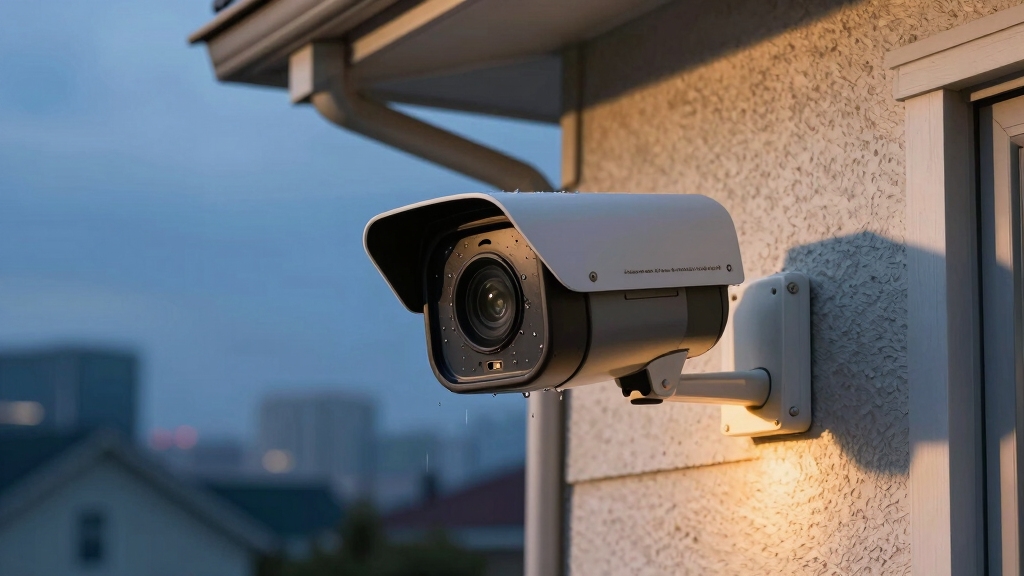
When you opt for a cellular security camera, you gain the ability to monitor your property remotely without relying on Wi-Fi or traditional internet infrastructure.
These cameras use 3G, 4G, or 5G cellular networks to transmit video data, ensuring continuous operation in locations lacking broadband connectivity.
Their fully wireless design typically depends on batteries or solar panels, providing flexibility in power sourcing and installation.
Cellular security cameras also integrate seamlessly with security panels equipped with cellular nodes, enabling efficient message and notification transmission.
This independence from fixed internet connections enhances reliability, especially in remote or underserved areas.
Many models offer built-in solar panels to extend off-grid operation for months without manual charging.
Key Features of Cellular Security Cameras to Consider
Explore essential features that define the performance and reliability of cellular security cameras to make an informed choice.
Focus on video resolution; most support 1080p HD, with some models offering 2K for enhanced clarity.
Digital zoom capabilities, ranging from 4x to 12x, allow precise monitoring of distant activity.
Intelligent detection features, including customizable alerts for people, animals, and vehicles, improve event accuracy.
Edge computing is vital, enabling on-device data processing to reduce server dependency and latency.
Consider local storage options, which can reach up to 512 GB via micro SD cards, providing secure footage retention without mandatory cloud subscription.
Finally, confirm the camera supports robust cellular connectivity—3G, 4G, or 5G networks, paired with compatible data plans, guaranteeing uninterrupted remote access regardless of Wi-Fi availability.
Optimize camera settings with energy-efficient compression formats like H.264/H.265 to maximize storage and power efficiency.
Battery Life and Power Options for Cellular Security Cameras
Cellular security cameras usually come with battery capacities that range from 13,000mAh to 20,000mAh. This range helps them operate for extended periods without needing grid power, which is super convenient, right?
Now, if you add a solar panel—typically around 12 watts—you can really stretch that battery life. In fact, just an hour of sunlight each day can keep the camera running for up to 180 days! That’s perfect for those remote locations where power sources aren’t readily available.
Using a high-efficiency solar panel can reduce the required sunlight to as little as 30 minutes, making solar charging even more effective in variable weather conditions.
Solar Panel Advantages
Frequently, solar panels markedly enhance the battery life of cellular security cameras by providing a sustainable power source that reduces reliance on manual recharging or battery replacement.
Using a 12-watt solar panel, you can sustain camera operation in remote locations without Wi-Fi or grid electricity.
This setup supports up to 180 days of battery life with just one hour of daily sunlight.
Here’s what you gain with solar panel integration:
- Extended autonomous operation, minimizing downtime.
- Reduced maintenance, avoiding frequent battery swaps.
- Environmentally friendly energy use, cutting power costs.
- Reliable camera function in off-grid or challenging environments.
Proper solar panel positioning in direct sunlight maximizes energy absorption and continuous charging.
Battery Capacity Range
Battery capacity plays a vital role in determining the operational duration and reliability of cellular security cameras, especially when deployed in remote or off-grid locations.
Typically, these cameras feature battery capacities ranging from 13,000mAh to 20,000mAh, enabling long-term standalone operation without frequent recharging.
You’ll find that higher capacity batteries sustain extended monitoring periods, essential for continuous surveillance.
Many models integrate with 12-watt solar panels, which can prolong battery life up to 180 days under optimal sunlight conditions.
This combination supports consistent power supply where grid electricity is unavailable.
When selecting a camera, consider both battery size and power management features to ensure uninterrupted use.
Efficient power options reduce maintenance frequency and enhance operational reliability in diverse environments.
The Frontier PTZ model, for example, combines solar power and 4G cellular connectivity to offer reliable off-grid operation in harsh conditions.
Comparing Local and Cloud Storage for Cellular Security Cameras
When you’re deciding between local and cloud storage for your cellular security camera, there are a few things to consider. Local options can hold up to 512 GB of data, and you get direct access without any pesky subscription fees. That’s pretty convenient, right?
On the flip side, cloud storage offers secure off-site retention of your footage. However, it usually limits video retention to around 30 days. So, if you’re looking for something that keeps your videos longer, you might want to think twice about cloud options.
Many cellular security cameras also provide real-time alerts to your mobile device, enhancing immediate response capabilities.
Ultimately, it’s all about finding the right balance for your needs. Think about how long you want to keep your footage, how much you’re willing to spend, and how easily you want to access your recordings. That way, you can make the best choice for your surveillance setup!
Local Storage Benefits
Choosing between local and cloud storage for cellular security cameras materially impacts how you manage and access your footage. Local storage stores data directly on micro SD cards within the camera, offering immediate, offline access without relying on internet connectivity.
This method enhances security by reducing exposure to cyber threats and eliminates monthly fees associated with cloud subscriptions.
Consider these advantages of local storage:
- You retain full control over your footage without third-party involvement.
- You avoid latency issues since video retrieval happens instantly on-site.
- You benefit from extended retention periods—up to six months on an 8GB card.
- You eliminate recurring costs, as no cloud service fees apply.
Local storage also helps maintain access during internet outages, ensuring continuous availability of your footage through event-triggered recording.
Cloud Storage Features
Leveraging cloud storage for cellular security cameras offers distinct advantages in accessibility and data management compared to local storage.
With cloud solutions, you can remotely access up to 30 days of securely stored footage without physical retrieval. This reduces vulnerability to device tampering or damage.
Cloud platforms typically provide encrypted transmission and scalable storage capacity, ensuring data integrity and compliance with privacy standards.
While local storage caps at about 8GB and six months of footage retention, cloud services maintain continuous off-site backups. This enables seamless event retrieval and sharing from any internet-enabled device.
However, you’ll need a cellular data plan with sufficient bandwidth to support frequent uploads, potentially increasing costs.
Cloud storage integrates well with smart alert features, delivering timely notifications and stored video clips directly to your mobile device.
For enhanced reliability and uninterrupted surveillance, strategic wiring and solar positioning are essential considerations when setting up your security system.
Top Cellular Security Camera Models and What They Offer
Although many cellular security cameras share core features like wireless operation and smart alerts, the top models differentiate themselves through resolution, zoom capabilities, and specialized functionalities.
When choosing, you’ll notice:
- Eufy Starlight offers 2K resolution, 4x digital zoom, and edge computing for efficient data handling.
- Arlo Go 2 delivers 1080p HD with an impressive 12x digital zoom plus Wi-Fi radio for dual connectivity.
- Reolink Altas Go PT 4G features 2K video quality with 360° pan and tilt for extensive coverage.
- Tactacam DEFEND 360 combines cellular connectivity with robust security features tailored for rugged environments.
These models stand out technically, ensuring you get precise monitoring, excellent image clarity, and versatile operation suited for various security needs. Many top-tier cameras also incorporate dual night vision modes to provide clear footage in diverse lighting conditions.
How to Pick the Right Cellular Security Camera for You?
Where should you begin when selecting a cellular security camera tailored to your specific needs?
First, assess your site’s connectivity and power options. If Wi-Fi is unavailable, prioritize cameras with reliable 4G/5G cellular support and substantial battery life.
Consider models with 13,000mAh to 20,000mAh batteries or solar panel compatibility to guarantee uninterrupted operation.
Next, evaluate resolution and features: choose between 1080p HD and 2K resolution based on your detail requirements.
Consider digital zoom and smart alert capabilities for precise monitoring.
Storage is essential. Local microSD support up to 512 GB offers long-term retention without recurring costs.
Cloud options provide convenience at a fee.
Finally, verify compatibility with your preferred cellular provider and data plan. Balance monthly costs with data needs for seamless remote access and reliable performance.
Also, factor in the AI detection accuracy to ensure timely and relevant alerts that reduce false notifications.
Frequently Asked Questions
Can Cellular Security Cameras Work Internationally With Different Carriers?
Yes, cellular security cameras can work internationally if they’re compatible with the local carriers’ network bands like 3G, 4G, or 5G.
You’ll need to check the camera’s supported frequency bands and ensure they match the target country’s cellular infrastructure.
Additionally, you must activate a local SIM card or data plan from a carrier that supports IoT or M2M devices.
Without this, the camera won’t maintain reliable connectivity abroad.
How Secure Is the Data Transmission Over Cellular Networks?
You’d think transmitting your sensitive footage over cellular networks would be like shouting secrets in a crowded room. But it’s actually much safer.
Cellular security cameras use strong encryption protocols like AES-128 or AES-256 to protect data during transmission. They rely on secure 4G/5G networks with built-in authentication and integrity checks, reducing interception risks.
While no system is foolproof, these layers guarantee your footage stays private against most cyber threats.
Are There Any Installation Challenges Unique to Cellular Security Cameras?
Yes, you’ll face unique installation challenges with cellular security cameras.
You need to ensure strong cellular signal strength at the site, which may require testing multiple locations.
Unlike Wi-Fi cameras, you can’t rely on existing internet infrastructure, so positioning near cellular towers matters.
Power sourcing also demands attention. You’ll depend on battery or solar power, so optimizing sunlight exposure and battery capacity is critical to maintain uninterrupted operation.
What Happens During Cellular Network Outages or Poor Signal Areas?
When cellular networks go down or signals drop, it feels like your camera’s lifeline is severed.
However, many cellular security cameras use local storage, like micro SD cards up to 512 GB, so your footage keeps recording even offline.
You won’t get real-time alerts, but the camera stores events for later review.
Once the signal returns, it uploads data.
Some models also support edge computing to minimize data loss during outages.
Can Cellular Cameras Integrate With Smart Home Systems or Assistants?
Yes, you can integrate many cellular cameras with smart home systems and voice assistants like Alexa or Google Assistant.
They often support connectivity protocols such as Wi-Fi alongside cellular, enabling seamless communication with hubs.
You’ll benefit from real-time alerts, voice commands to view footage, and automation routines.
Just make sure your camera model explicitly lists compatibility with your preferred smart home ecosystem for smooth setup and peak performance.
Final Thoughts on This Cellular Security Camera Review
Choosing the right cellular security camera is like finding a reliable guardian in a digital jungle.
You’ll want to weigh battery endurance, storage options, and key features carefully, ensuring your device stays vigilant without fail.
By comparing top models, you can pinpoint the perfect balance of power and connectivity tailored to your needs.
With the right camera, you’ll capture every moment crisply and confidently, turning your security system into an unyielding fortress of protection.