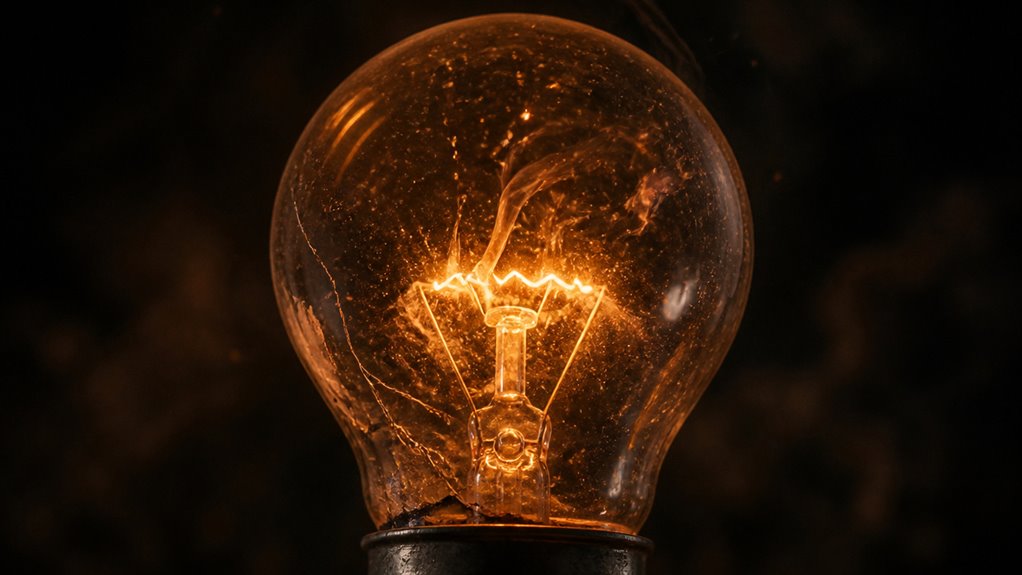

If your light bulb is buzzing, it’s often a harmless issue like filament vibration or dimmer incompatibility. You can usually fix this by replacing the bulb with a compatible type.
However, if buzzing persists or you notice flickering, dimming, heat, odors, or buzzing from wiring or switches, it could signal serious electrical faults. These may include loose wiring or overloads, which increase fire and shock risks and need professional attention.
You’ll find out how to identify and respond to these risks effectively.
Key Takeaways
- Buzzing confined only to the bulb usually indicates harmless filament vibration or dimmer incompatibility and often resolves after bulb replacement.
- Persistent buzzing with flickering, dimming, heat, or burning smells signals possible electrical faults and fire hazards.
- Buzzing from wiring, switches, or fixtures suggests loose connections, overloaded circuits, or faulty components requiring professional inspection.
- Repeated breaker trips combined with buzzing indicate serious circuit issues needing immediate electrician intervention.
- If buzzing continues after bulb replacement or comes with warning signs, avoid DIY fixes and call a licensed electrician promptly.
Is a Buzzing Light Bulb Harmless or Dangerous?
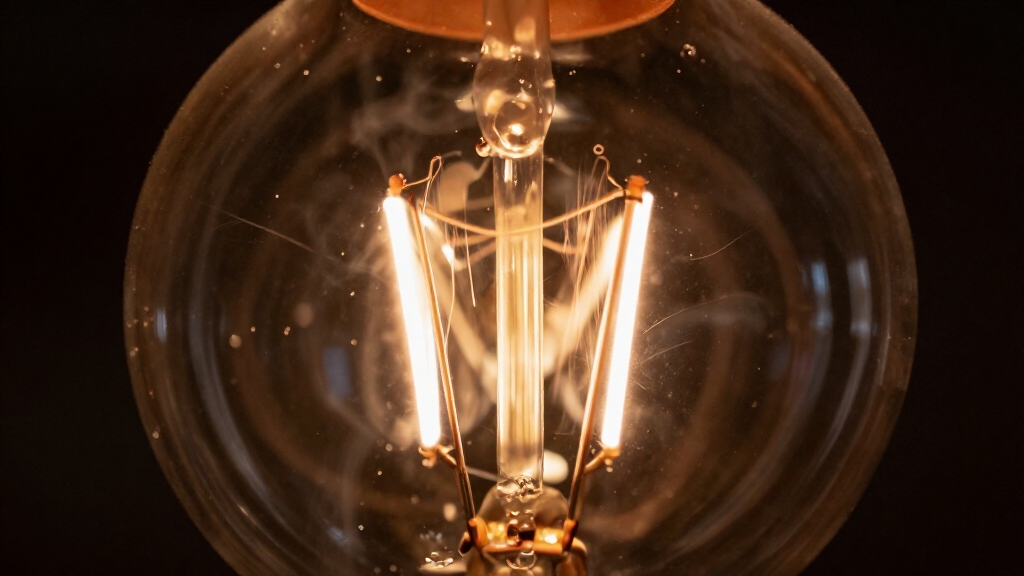
While a buzzing light bulb often results from harmless causes like filament vibration or dimmer incompatibility, you shouldn’t dismiss the sound outright.
A buzzing light bulb often stems from harmless causes but shouldn’t be ignored entirely.
The critical factor is identifying the source: buzzing confined to the bulb usually indicates non-threatening issues, such as minor filament oscillations or component resonance.
However, if the noise originates from wiring, the switch, or the fixture, it may signal underlying electrical faults.
Persistent buzzing can imply loose wiring, overloaded circuits, or faulty components, which increase fire and shock risks.
You must evaluate accompanying signs like flickering, heat, or burning odors, as these elevate the danger level.
Ultimately, repeated or unexplained buzzing warrants professional inspection to guarantee safety.
Ignoring such symptoms may lead to hazardous electrical failures.
Additionally, issues like loose wiring or worn contacts can cause intermittent arcing and sparking, which may manifest as buzzing sounds in electrical fixtures.
What Causes a Light Bulb to Buzz?
Understanding what causes a light bulb to buzz requires analyzing both the bulb’s internal components and the electrical environment in which it operates.
Buzzing often results from filament vibration in incandescent bulbs or electromagnetic interference in LEDs, especially when paired with incompatible dimmer switches.
Minor mechanical resonance within the bulb or fixture can also produce audible noise without immediate risk.
However, electrical factors like loose wiring, overloaded circuits, or faulty components such as dimmers and ballasts can induce buzzing and signify potential hazards.
These issues create vibrations or arcing within the electrical system, elevating risk.
Additionally, loose or corroded connections can cause localized heating and arcing, which may contribute to buzzing sounds and indicate a dangerous electrical condition.
How to Tell if Buzzing Comes From Wiring or the Bulb?
You can figure out where that buzzing is coming from by listening closely near the bulb, fixture, and switch. If the sound seems to be coming from the wiring or the switch, there are a few red flags to watch out for.
You might see flickering lights, dimming, or even catch a burning smell. Those signs definitely point to possible wiring issues.
Catching these clues early is really important. It helps you tell whether the buzzing is just the bulb vibrating a bit or if it’s something more serious that could pose an electrical hazard. So, keep an ear out!
Additionally, power surges from faulty outlets or wiring can cause buzzing and other electrical disturbances that may damage your devices.
Identifying Buzzing Source
Pinpointing whether buzzing originates from the bulb or the wiring requires careful observation and testing. You’ll need to isolate the source by focusing on sound location and response to adjustments.
First, make certain the bulb is securely screwed in and try replacing it with a known good bulb. Next, listen closely: buzzing from the bulb is often higher-pitched and localized, while wiring buzz tends to be deeper and emanate from the fixture or switch area.
To refine your assessment:
- Switch off power and inspect the fixture for loose components.
- Replace the bulb with a non-dimmable or compatible type to rule out dimmer issues.
- Wiggle the bulb gently; if buzzing changes, the bulb is likely the source.
- Test the switch and wiring for vibration or heat during operation.
These steps help you accurately identify buzzing origins before taking further action. Additionally, inspecting wiring for loose or damaged connections is crucial as these can cause buzzing and other electrical issues.
Signs of Wiring Issues
Although buzzing from a light bulb often stems from the bulb itself, certain characteristics indicate the issue lies within the wiring. If the buzzing originates from the switch, fixture, or breaker panel, it’s a red flag.
Pay attention to additional symptoms like flickering, dimming, or a burning smell, which suggest loose connections or overheating wiring. You might also notice the fixture feels unusually warm or breakers trip frequently, signaling circuit overload or shorts.
To differentiate, isolate the bulb by replacing it first. If buzzing persists and these warning signs appear, the wiring is likely at fault. In such cases, avoid DIY fixes and call a licensed electrician promptly to prevent fire hazards and equipment damage.
Also, frequent breaker trips may indicate an overloaded circuit that requires professional assessment for safe resolution.
Signs a Buzzing Light Bulb Is Dangerous
When buzzing originates from the switch, wiring, or breaker panel rather than the bulb, it signals a potentially dangerous electrical issue.
You should watch for specific signs that elevate the risk level:
- Buzzing accompanied by flickering or dimming, indicating loose connections or failing components.
- A burning smell near the fixture, which suggests overheating and possible insulation damage.
- Fixtures feeling excessively hot to the touch, raising the likelihood of fire hazard.
- Frequent breaker trips correlated with buzzing, pointing to short circuits or overloads.
These indicators go beyond normal bulb noise and reflect underlying electrical faults.
Ignoring them increases the chance of arcing, equipment failure, or fire.
You must treat buzzing from wiring or switches with immediate caution and prioritize professional inspection.
What to Do About Persistent Light Bulb Buzzing?
If you’re dealing with that annoying buzzing sound, the first step is to figure out where it’s coming from. Is it the bulb, the fixture, the wiring, or maybe even the switch? If you find that the bulb is the culprit and there are no other warning signs, just go ahead and replace it.
But if the buzzing sticks around or seems to be coming from the wiring or switch, it’s time to call in a pro—a licensed electrician. Remember, safety first! It’s best to steer clear of any DIY electrical fixes when you’re not sure what’s going on, especially if there’s potential danger involved. Electrical issues like power surges and voltage spikes can cause persistent buzzing and may damage components, so professional inspection is important.
Identifying Buzzing Sources
Narrowing down the source of persistent buzzing requires a systematic approach focused on the location and characteristics of the noise.
First, listen carefully to determine if the buzzing originates from the bulb, fixture, switch, or wiring. Then, examine each component for signs of damage or looseness.
Follow these steps:
- Check the bulb for vibration or dimmer incompatibility.
- Inspect the fixture and wiring for loose connections or heat.
- Test the switch for buzzing or flickering symptoms.
- Observe for additional warning signs like burning smells or breaker trips.
Power surges and voltage spikes can cause temporary resets and activate safety features, so it’s important to consider voltage fluctuations as a potential cause of buzzing.
When To Call Electrician?
After pinpointing the source of buzzing, you need to evaluate the severity and potential risks.
If buzzing originates solely from the bulb and resolves after replacement, it’s usually harmless.
However, if buzzing persists post-bulb change or comes from wiring, switches, or fixtures, you must act.
Call an electrician immediately if you detect flickering, dimming, a burning odor, heat, or repeated breaker trips alongside buzzing.
These symptoms indicate electrical faults such as loose wiring, overloads, or faulty components that pose fire and shock hazards.
Never attempt repairs involving wiring or switches without expertise.
Until a professional inspects and resolves the issue, keep power off to the affected circuit to prevent escalation.
Prioritizing safety guarantees early detection and mitigation of potential electrical failures.
Proper identification of load wires is crucial to avoid miswiring and ensure electrical safety in troubleshooting buzzing issues.
When to Call an Electrician for a Buzzing Light Bulb?
Recognizing when buzzing signals a serious electrical issue is crucial for your safety. If the buzzing noise persists after replacing the bulb or originates from wiring, switches, or the fixture, you should call an electrician immediately.
Buzzing accompanied by flickering, dimming, heat, or a burning smell warrants professional inspection. Ignoring these signs risks electrical shorts, arcing, or fire hazards.
Consider contacting an electrician if you notice:
- Buzzing from the switch, wiring, or breaker panel.
- Repeated breaker trips alongside buzzing.
- Buzzing plus a burning odor or fixture overheating.
- Persistent noise after bulb replacement.
Addressing these symptoms promptly prevents escalation and guarantees your electrical system operates safely and reliably. Additionally, just as regular maintenance is essential for garage door sensors to prevent malfunctions, it is important to schedule routine electrical inspections to ensure safe operation of all electrical components.
Frequently Asked Questions
Can Buzzing Light Bulbs Affect My Electricity Bill?
Buzzing light bulbs generally don’t cause a noticeable increase in your electricity bill, as the sound is usually due to mechanical vibration or electrical interference, not excess power consumption.
However, if the buzzing stems from faulty wiring or an overloaded circuit, these issues can lead to energy inefficiency and higher costs.
Do All Types of Bulbs Buzz the Same Way?
Think of bulbs as musical instruments; each buzzes with its own tune. You won’t find all types buzzing the same way.
Incandescent bulbs hum due to filament vibrations, especially on dimmers. LEDs might buzz if paired with incompatible dimmers or nearby interference.
Fluorescents often buzz from ballasts aging or failing. You need to analyze the bulb type and circuitry because their buzzing origins differ, demanding distinct troubleshooting approaches to diagnose precisely.
Is Buzzing Common in Outdoor Light Fixtures?
Yes, buzzing can be common in outdoor light fixtures due to environmental factors like moisture, temperature fluctuations, and electromagnetic interference.
You might notice buzzing caused by loose bulbs, incompatible dimmers, or minor wiring issues.
However, since outdoor wiring is exposed to harsher conditions, persistent buzzing could also signal corrosion or loose connections.
You should inspect these issues promptly to prevent electrical hazards or fixture damage.
Can a Buzzing Bulb Damage Other Electronics Nearby?
A buzzing bulb itself typically won’t damage other electronics nearby, but the underlying cause might.
If the buzzing results from electromagnetic interference, especially with LED bulbs and incompatible dimmers, it can introduce noise into the electrical circuit. This may disrupt sensitive devices.
Loose wiring or faulty components causing buzzing can also create voltage fluctuations, risking harm to electronics.
You should investigate persistent buzzing and address wiring or component issues to protect your devices.
Are There Specific Bulb Brands Less Likely to Buzz?
You might think all bulbs have similar buzzing risks, but specific brands do offer improved designs that reduce vibration and compatibility issues.
High-quality manufacturers invest in better filament stability, driver circuitry, and dimmer compatibility testing.
When you choose reputable brands known for rigorous quality control, you’re less likely to encounter buzzing caused by electromagnetic interference or poor component matching.
Still, check product specs for dimmer compatibility to minimize buzzing.
Final Thoughts on Why Your Light Bulb Is Buzzing
If your light bulb’s buzzing sounds like a tiny rock concert in your fixture, don’t just shrug it off.
While some buzzing is harmless, it could signal wiring issues or a faulty bulb that’s begging for attention.
Ignoring it might turn your peaceful room into an electrical disaster zone.
So, take buzzing seriously, analyze the source promptly, and call an electrician if you suspect danger.
Your safety depends on it.