
You can’t smell a carbon monoxide leak because CO is a colorless, odorless gas. It has no scent or taste.
This “invisible killer” forms during incomplete combustion in appliances and binds with your blood to block oxygen delivery.
Many people confuse odors from malfunctioning appliances or exhaust with CO, but no smell confirms its presence.
Since sensory detection is impossible, using detectors and knowing safety steps is vital to protect yourself and your household from this silent hazard.
Key Takeaways
- Carbon monoxide is completely odorless, colorless, and tasteless, making it impossible to detect by smell.
- Any smells near fuel-burning appliances are from other sources, not carbon monoxide itself.
- Odors often come from sulfur compounds, unburned fuel, or exhaust fumes, which are distinct from CO.
- Diesel, gasoline, or other fuel fumes may be confused with CO but are not indicators of its presence.
- Absence of any odor does not mean there is no carbon monoxide; use detectors for reliable detection.
Why Carbon Monoxide Has No Smell?
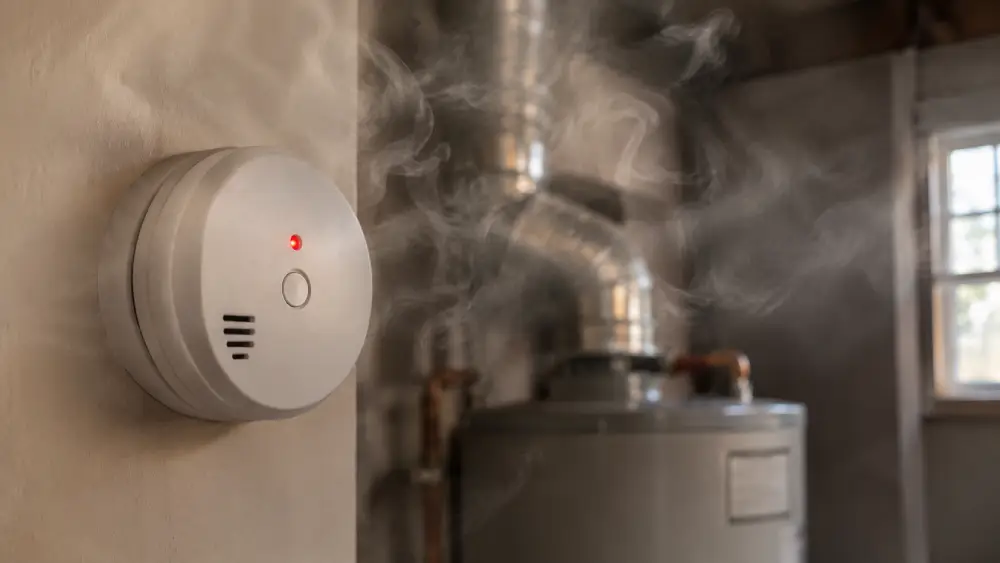
Although many people believe carbon monoxide has a distinct odor, it actually has none at all. You can’t detect carbon monoxide through your senses because it’s colorless, tasteless, and completely odorless.
Contrary to popular belief, carbon monoxide is completely odorless, tasteless, and invisible to the senses.
This is due to its chemical structure, which lacks volatile compounds that stimulate olfactory receptors. When you think you smell carbon monoxide, you’re actually noticing other chemicals released by malfunctioning fuel-burning appliances or exhaust systems.
These sources emit gases containing sulfur or hydrocarbons that have recognizable smells, but the carbon monoxide itself remains undetectable by smell. Because of this, relying on your nose to identify carbon monoxide is unreliable.
Instead, you must install and maintain carbon monoxide detectors, which use sensors to alert you to dangerous, invisible concentrations of this toxic gas. Proper detector placement and regular maintenance are essential to ensure accurate and timely warnings.
Why You Can’t Rely on Smell to Detect Carbon Monoxide?
You really can’t trust your nose when it comes to carbon monoxide. Why? Because it’s completely odorless. That’s right—there are no telltale signs to alert you.
Often, when you catch a whiff of something strange, it’s probably other substances coming from malfunctioning appliances, not the gas itself. So, it’s super important to have a carbon monoxide detector in place. This way, you’ll get accurate and timely warnings, keeping you and your loved ones safe. Installing a detector outside each sleeping area ensures early warning during sleep and enhances home safety with UL 2034 certification.
Carbon Monoxide Is Odorless
Since carbon monoxide is completely odorless, detecting its presence by smell is impossible. You can’t rely on your nose because carbon monoxide molecules lack any scent or taste.
This colorless, tasteless gas results from incomplete combustion in fuel-burning appliances. Many mistakenly believe carbon monoxide has a smell, often confusing it with odors from malfunctioning equipment or exhaust fumes.
However, these smells come from other chemicals, not carbon monoxide itself. Because you can’t detect it without specialized equipment, installing and maintaining carbon monoxide detectors is essential for safety.
These devices provide reliable, early warnings that your senses can’t. Always remember, absence of smell doesn’t mean absence of carbon monoxide. The “invisible killer” remains undetectable without proper alarms. For comprehensive safety, it is important to use separate detectors for natural gas leaks, as carbon monoxide detectors will not alert you to methane.
Misleading Odors From Appliances
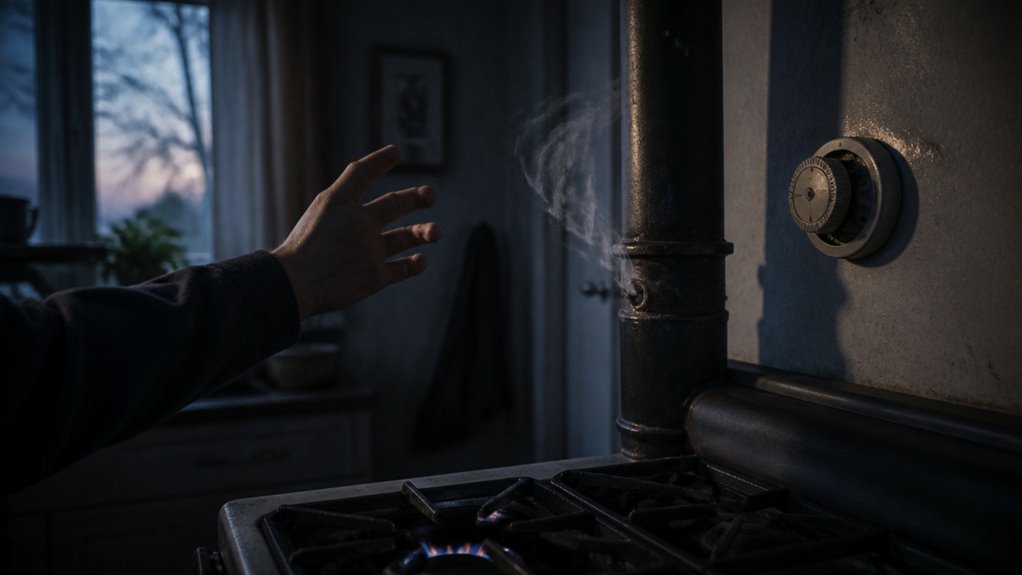
Fuel-burning appliances can give off distinct odors when they malfunction. These smells don’t come from carbon monoxide itself. Instead, you might detect odors from incomplete combustion byproducts like unburned fuel, exhaust gases, or sulfur compounds.
These scents can mislead you into thinking carbon monoxide has a smell. However, carbon monoxide remains odorless, colorless, and tasteless. Relying on smell as an indicator can be dangerous because odor presence or absence doesn’t confirm carbon monoxide levels.
Faulty furnaces, stoves, or generators might emit recognizable smells signaling appliance issues. It’s essential to install and maintain carbon monoxide detectors for accurate detection. Never assume safety based on odor; a working CO alarm is essential to alert you to this invisible, deadly gas before symptoms or harm occur. Carbon monoxide is odorless and colorless, making electronic detection the only reliable method to identify its presence.
Odors People Mistake for Carbon Monoxide
Certain odors from malfunctioning appliances or exhaust leaks often get mistaken for the smell of carbon monoxide.
You might notice a faint sulfur or rotten egg scent, which usually indicates a natural gas leak containing mercaptan, an added odorant for safety.
Similarly, incomplete combustion in gas stoves, furnaces, or water heaters can release odors from unburned fuel or exhaust gases.
Diesel or gasoline fumes from a generator or vehicle exhaust may also cause confusion.
However, carbon monoxide itself is odorless, colorless, and tasteless, so relying on smell alone is unreliable.
You should never assume the absence of odor means no carbon monoxide risk.
Instead, install and maintain carbon monoxide detectors to guarantee early, accurate detection regardless of any accompanying smells.
For additional safety, consider using continuous monitoring devices that provide real-time detection and alert you immediately to hazardous gas levels.
Common Sources of Carbon Monoxide in Your Home
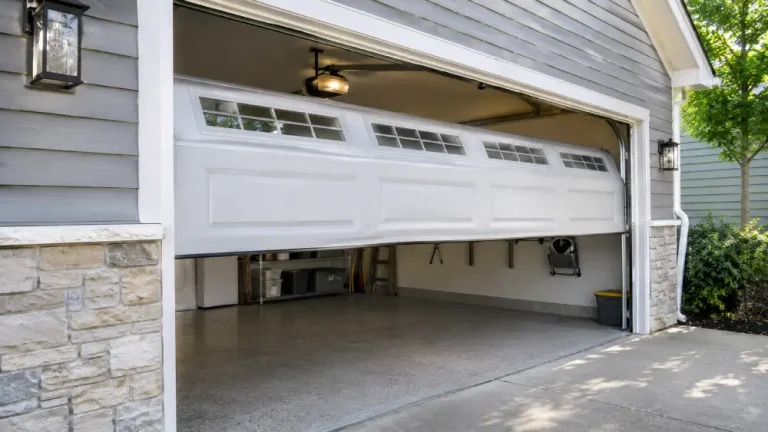
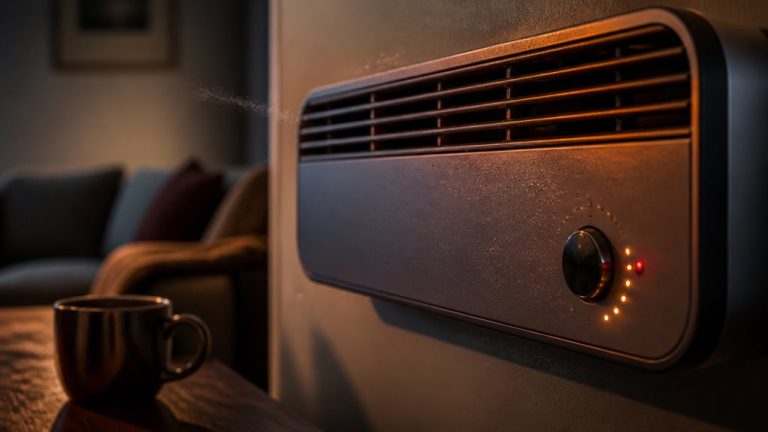
Malfunctioning or improperly vented appliances in your home can produce carbon monoxide without obvious warning signs. You should be aware of common sources that may emit this odorless, colorless gas. These include heating appliances, fuel-burning equipment, and attached garages where exhaust can accumulate. Even homes without natural gas appliances can have CO risks from sources like wood stoves, charcoal grills, or vehicle exhaust due to alternative fuel combustion.
| Source | Risk Factor | Notes |
|---|---|---|
| Furnaces | Poor venting, malfunction | Requires regular inspection |
| Generators | Indoor use, enclosed area | Use outdoors only |
| Gas appliances | Faulty installation | Includes stoves, water heaters |
| Attached garages | Exhaust buildup | Avoid idling vehicles inside |
Regular maintenance and proper ventilation are essential to minimize carbon monoxide risks in your home.
Health Effects of Carbon Monoxide Exposure
Although carbon monoxide is invisible and odorless, it can have serious health effects when you’re exposed to it.
When inhaled, carbon monoxide binds to hemoglobin in your blood more effectively than oxygen, reducing oxygen delivery to your organs.
Early symptoms include headache, dizziness, weakness, nausea, vomiting, confusion, and sleepiness.
If exposure continues or intensifies, you may experience fainting, unconsciousness, or even death.
These effects can occur suddenly and without warning, making it particularly dangerous since you can’t rely on your senses to detect it.
Carbon monoxide poisoning affects everyone nearby, including sleeping individuals who may not notice symptoms.
If you suspect exposure, seek medical attention immediately.
Prompt treatment is critical to prevent lasting damage or fatality caused by oxygen deprivation.
Installing carbon monoxide detectors near potential sources provides early warning and improves safety.
How Carbon Monoxide Detectors Keep You Safe?
Because carbon monoxide is odorless and invisible, you can’t rely on your senses to detect its presence.
That’s why carbon monoxide detectors are essential safety devices. These detectors continuously monitor the air for CO gas using electrochemical sensors that react with carbon monoxide molecules.
When CO levels reach a dangerous threshold, the detector triggers a loud alarm to alert you immediately.
Installing detectors near sleeping areas and on every level of your home guarantees early warning, even while you’re asleep.
Regularly testing and maintaining your detectors is vital to make certain they function properly.
For optimal protection, detectors should be mounted about 5 feet above the floor to align with the breathing zone and ensure accurate detection.
What to Do If You Suspect Carbon Monoxide?
If you think there might be carbon monoxide in your space, the first thing you should do is get to fresh air right away. Seriously, don’t stick around. Once you’re outside, avoid going back inside the building.
And if a carbon monoxide alarm goes off, it’s time to evacuate everyone immediately. Make sure everyone is out safely and then call emergency services from a safe spot. Remember, it’s super important to wait for professionals to give you the all-clear before you even think about going back in. Your safety comes first!
Continuous beeping from a carbon monoxide alarm typically signals dangerous CO levels or a critical malfunction, so do not ignore it and evacuate immediately.
Immediate Safety Actions
When you suspect carbon monoxide presence, immediately leave the area to breathe fresh air.
Exposure can rapidly become life-threatening.
Don’t try to locate the source or investigate odors inside.
Once outside, call emergency services or the fire department from a safe location.
Avoid re-entering the building until professionals confirm it’s safe.
If anyone shows symptoms like headache, dizziness, or nausea, seek medical attention promptly.
Ventilate the area only after responders arrive and declare it secure.
Remember, carbon monoxide is odorless and colorless, so never rely on smell to assess danger.
Installing and maintaining functioning carbon monoxide alarms is critical for early detection.
Immediate evacuation and contacting authorities are the most effective safety actions to mitigate carbon monoxide risks.
Pets are also at risk and may show signs of CO poisoning, so be attentive to pet symptoms during exposure.
Alarm Response Steps
Respond promptly to a carbon monoxide (CO) alarm by evacuating everyone from the premises immediately. Your swift action can prevent serious injury or death from invisible CO exposure.
Once outside, follow these essential steps:
Move to fresh air immediately, avoiding re-entry to the building.
Call emergency services or the fire department from a safe location.
Inform responders about the alarm activation and any symptoms experienced.
Do not attempt to locate the source or silence the alarm yourself.
Wait for official clearance before returning indoors.
Preventing Carbon Monoxide Poisoning in Your Home
Although carbon monoxide is invisible and odorless, you can take specific measures to prevent poisoning in your home.
Install and maintain CO detectors on every level and near sleeping areas to guarantee early detection. Regularly inspect and service fuel-burning appliances to confirm proper ventilation and operation. Avoid using generators indoors or near windows.
| Prevention Step | Recommended Action |
|---|---|
| CO Detector Installation | Place on every floor, near bedrooms |
| Appliance Maintenance | Annual inspection and servicing |
| Safe Generator Use | Operate outdoors, away from enclosed spaces |
Frequently Asked Questions
Can Pets Sense Carbon Monoxide Before Humans?
No, pets can’t sense carbon monoxide before you do because CO is odorless, colorless, and tasteless. Your pets won’t detect it through smell or sight any better than you can.
However, they might show early signs of poisoning, like dizziness, weakness, or unusual behavior, before you notice symptoms yourself. Always rely on functioning carbon monoxide detectors to warn you both, since neither you nor your pets can detect CO without alarms.
How Long Does Carbon Monoxide Stay in the Bloodstream?
Carbon monoxide stays in your bloodstream based on exposure level and your body’s oxygen intake.
Typically, its half-life is about 4 to 6 hours when you breathe normal air, meaning half the CO clears in that time.
If you receive 100% oxygen therapy, that half-life drops to roughly 1 hour.
Hyperbaric oxygen treatment reduces it even faster, around 20 to 30 minutes, helping your body eliminate CO more efficiently.
Are Some People More Sensitive to Carbon Monoxide Exposure?
Yes, some people are more sensitive to carbon monoxide exposure than others.
You’ll find that infants, pregnant women, the elderly, and individuals with heart or respiratory conditions experience symptoms at lower concentrations.
Your body’s ability to tolerate CO depends on overall health and exposure duration.
Even low levels can cause dizziness or nausea in sensitive individuals.
You should always rely on CO detectors rather than symptoms for safety.
Can Carbon Monoxide Cause Long-Term Health Problems?
Yes, carbon monoxide can cause long-term health problems if you’re exposed to high levels or repeated low-level exposure.
You might experience lasting neurological issues, such as memory loss, difficulty concentrating, or mood changes.
Chronic exposure can also damage your heart and brain.
It’s essential you avoid prolonged exposure by maintaining proper ventilation, using CO detectors, and addressing any fuel-burning appliance issues promptly to protect your long-term health.
Is Carbon Monoxide Dangerous in Outdoor Environments?
You might think fresh air keeps you safe, but carbon monoxide outdoors can still be a silent threat.
While it disperses more quickly than indoors, in enclosed or poorly ventilated outdoor spaces, like near garages or crowded events, it can accumulate to dangerous levels.
You should never underestimate its potential. Staying aware and avoiding heavy exposure, especially near running engines, helps keep you protected from this invisible hazard.
What Does a Carbon Monoxide Leak Smell Like? Final Answer
You can’t rely on your nose to detect carbon monoxide. It’s a silent, invisible threat lurking like a shadow in your home.
Instead, trust carbon monoxide detectors to act as your vigilant sentinels, alerting you before danger strikes.
Understanding common sources and symptoms helps you respond quickly.
By taking preventative steps and knowing what to do if you suspect a leak, you protect yourself and your loved ones from this invisible hazard.