
You don’t need to worry about carbon monoxide from your electric clothes dryer because it doesn’t produce any during normal use. Since it runs entirely on electricity without burning fuel, no combustion occurs, so no carbon monoxide forms.
However, you should still maintain proper venting and clean lint traps to avoid fire risks, which could indirectly create CO if a fire happens. Understanding these details helps you keep your dryer safe and efficient.
Key Takeaways
- Electric clothes dryers run on electricity and do not burn fuel, so they do not produce carbon monoxide (CO) during normal operation.
- CO forms only from incomplete combustion, which does not occur in electric dryers as they have no combustion process.
- Electric dryers emit no combustion gases, but blocked vents can cause indirect hazards like fire, which may produce CO.
- Proper venting of electric dryers is essential to remove moist air and prevent moisture-related indoor air quality issues.
- Regular maintenance, including lint trap cleaning and vent inspections, ensures safe operation and prevents fire risks.
Do Electric Dryers Produce Carbon Monoxide? The Truth
When you use an electric dryer, you don’t have to worry about carbon monoxide (CO) production because these appliances operate solely on electricity without any combustion process.
Electric dryers produce no carbon monoxide since they run entirely on electricity without burning fuel.
Carbon monoxide forms only when fuel burns incompletely, which doesn’t happen in electric dryers since they rely entirely on electric heating elements. During normal drying cycles, electric dryers emit no CO or other combustion-related gases.
This means they’re excluded from the list of appliances that pose CO risks. However, maintain your dryer properly to avoid fire hazards, which in rare cases might produce CO indirectly.
Still, under standard operation, electric dryers remain safe from CO emissions, making them a reliable choice if you’re concerned about indoor air quality related to carbon monoxide.
Unlike fuel-burning appliances, electric dryers do not have heat exchangers that could crack and cause CO leaks.
How Do Gas Dryers Create Carbon Monoxide Risks?
While electric dryers eliminate concerns about carbon monoxide since they operate without combustion, gas dryers introduce different risks.
When you use a gas dryer, it burns natural gas or propane, producing carbon monoxide as a byproduct. If the combustion process is incomplete, carbon monoxide levels can rise dangerously.
You need to guarantee the dryer’s venting system is clear and functioning properly because blocked or damaged vents can trap this toxic gas indoors. Regular maintenance is vital; overworked or poorly maintained gas dryers increase the risk of carbon monoxide buildup.
Proper ventilation and annual inspections help expel exhaust safely outside your home. By staying vigilant about vent cleanliness and appliance condition, you can minimize carbon monoxide hazards associated with gas dryers.
In case of suspected leaks or vent blockages, it is essential to shut off gas supply immediately and contact a licensed professional for inspection and repair.
What Causes Carbon Monoxide in Clothes Dryers?
Although electric dryers don’t produce carbon monoxide themselves, gas dryers create a risk because their combustion process generates this toxic gas. When gas burns incompletely, carbon monoxide forms and can accumulate if vents are blocked or damaged.
Poor maintenance and overworked units increase this danger. You must make sure vents remain clear and the dryer is serviced regularly to prevent CO buildup.
Electric dryers avoid this risk since they don’t burn fuel.
| Cause | Impact |
|---|---|
| Incomplete combustion | Produces harmful CO |
| Blocked vents | Traps CO indoors |
| Overworked dryer | Raises emission risk |
| Poor maintenance | Increases CO leakage potential |
Regular maintenance is crucial because neglecting it can lead to premature system failure and increased hazards associated with faulty appliances.
Can Electric Dryer Fires Produce Carbon Monoxide?
Hey there! You might be curious if electric dryer fires can produce carbon monoxide. Well, here’s the scoop: electric dryers don’t actually burn fuel like gas dryers do.
However, fires that stem from clogged vents or lint buildup can create combustion, which can release carbon monoxide (CO). So, what can you do to prevent these hazards? Regular maintenance and ensuring proper ventilation are super important.
Keeping your dryer in good shape can help avoid any dangerous situations. Just a little bit of care goes a long way! Be sure to maintain your appliances regularly to reduce risks associated with mechanical wear and accelerated failure from malfunctioning parts.
Fire Risks And CO
Since electric dryers don’t use combustion, they don’t produce carbon monoxide during normal operation.
However, if a fire breaks out, often caused by lint buildup or clogged vents, combustion can occur, potentially generating carbon monoxide as a byproduct.
This situation is rare but serious, as the fire itself, not the dryer’s function, produces CO.
You should be aware that proper maintenance, like regular cleaning of lint traps and vents, materially reduces this risk.
While electric dryers don’t emit CO under typical conditions, fire incidents can indirectly cause dangerous CO accumulation.
Regular maintenance is crucial as neglect can accelerate wear and increase the risk of hazardous failures, similar to how routine maintenance protects other home appliances from failure.
Combustion In Dryer Fires
When a fire ignites inside an electric dryer, combustion can occur, potentially producing carbon monoxide as a dangerous byproduct. While electric dryers don’t burn fuel during normal operation, a fire fueled by lint or other materials can create incomplete combustion conditions, generating CO.
You should recognize this scenario is rare but serious. Key points to take into account include:
- Fires in electric dryers usually stem from clogged lint traps or vents.
- Combustion during these fires may release carbon monoxide and other harmful gases.
- Proper maintenance reduces fire risk, indirectly preventing CO production.
- CO from dryer fires is an indirect hazard, not from the dryer’s electrical function.
- Understanding these risks helps you respond appropriately if a dryer fire occurs.
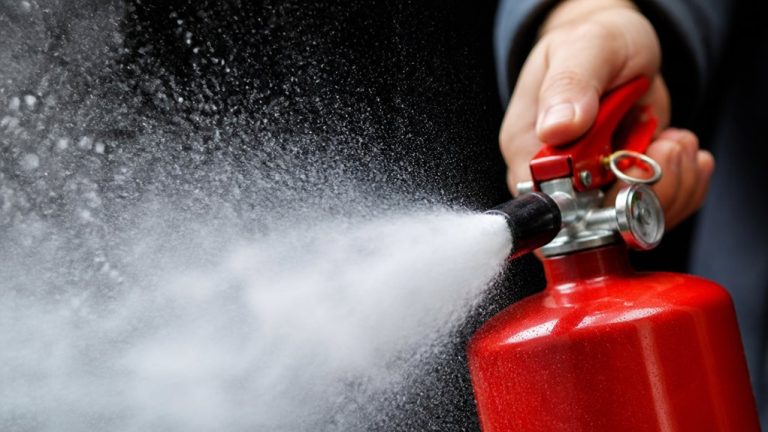
Using a dry chemical fire extinguisher, which works by releasing pressurized powder to smother flames, can be an effective first response to such fires.
Preventing Dryer Fire Hazards
Electric dryer fires rarely produce carbon monoxide, but you should never overlook the risk entirely.
While electric dryers don’t burn fuel and therefore don’t emit CO during normal use, a fire caused by lint buildup can create combustion that produces CO in rare cases.
To prevent this hazard, clean your lint trap after every load and inspect dryer vents regularly for blockages. Clogged vents not only reduce efficiency but also increase fire risk, which indirectly raises CO dangers.
Avoid overloading your dryer and make certain proper ventilation to minimize overheating. Scheduling annual professional vent cleanings helps maintain safe airflow and prevents lint accumulation.
Regular inspections and maintenance are essential to ensure continued safe operation and prevent hazards related to fire risk.
How Does Maintenance Prevent Dryer Carbon Monoxide and Fire Hazards?
Regular maintenance plays a crucial role in preventing carbon monoxide risks and fire hazards associated with dryers.
While electric dryers don’t produce carbon monoxide during normal operation, neglecting maintenance can cause clogged vents or lint traps. This can lead to overheating or fires that may generate CO indirectly.
By maintaining your dryer, you keep it safe and efficient. To prevent hazards, you should:
- Clean lint traps after every use to avoid buildup.
- Inspect and clear dryer vents at least once a year.
- Avoid overloading the dryer to reduce strain and wear.
- Schedule professional inspections to ensure all components work properly.
These steps minimize fire risk and guarantee no dangerous conditions develop that could indirectly produce carbon monoxide. This protects your home and health.
Additionally, increasing ventilation and air circulation around your dryer area can help prevent moisture buildup and reduce the risk of mold or odors forming due to trapped dampness.
Why Is Proper Venting Important for Dryer Safety?
Hey there! Let’s chat about why proper venting for your dryer is super important.
First off, it can seriously help prevent fire hazards. You know how lint can build up? Well, if it does, it can cause overheating, which is definitely something we want to avoid.
Plus, proper venting is great for managing moisture in your home. When moisture isn’t controlled, it can lead to mold and bacteria growth, and that’s the last thing you want in your living space, right?
And here’s another thing: when you ensure efficient airflow, it not only keeps your dryer running safely but also helps it work more effectively. So, venting is really a big deal for both safety and efficiency!
Additionally, using appropriate battery backup systems in safety devices can provide reliable operation during power outages, emphasizing the importance of consistent maintenance and monitoring.
Preventing Fire Hazards
Because clogged vents and lint traps can ignite fires, maintaining proper dryer venting is essential for safety. You need to make certain that airflow remains unobstructed to prevent overheating and reduce fire risk.
Proper venting also helps your dryer work efficiently, avoiding unnecessary wear. To keep your dryer safe, focus on these key practices:
- Regularly clean lint traps after each use to remove combustible material.
- Inspect and clear dryer vents at least annually to prevent blockages.
- Use rigid or semi-rigid metal ducts instead of plastic, which can trap lint.
- Avoid overloading the dryer, which increases drying time and heat buildup.
Additionally, understanding how automatic sensor systems operate can inspire better maintenance habits to ensure your dryer functions safely and efficiently.
Managing Moisture Build-Up
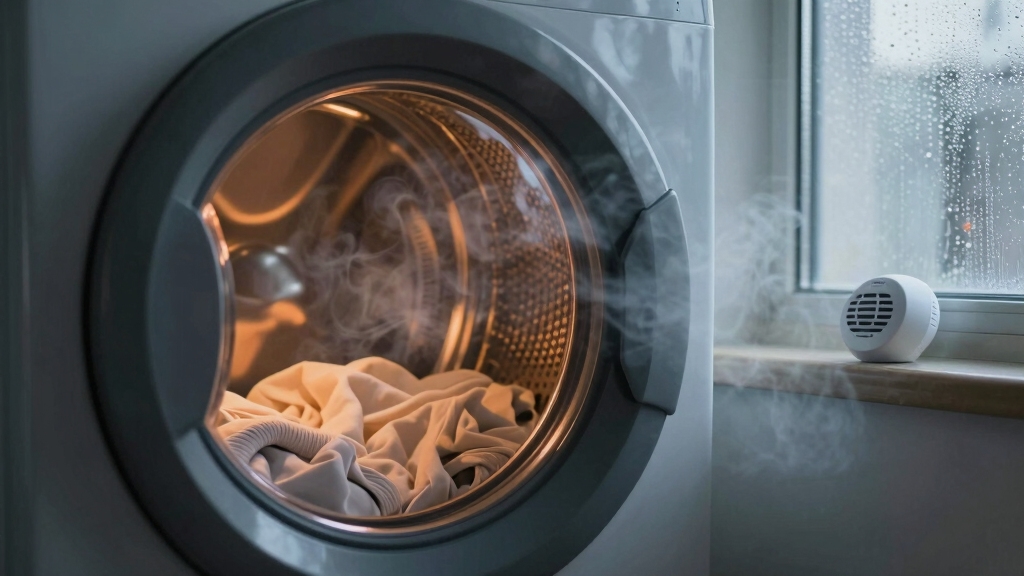
Managing moisture buildup in your home starts with making sure your dryer vents properly. Electric dryers release warm, moist air during operation, and if this moisture isn’t vented outside, it can accumulate indoors.
Excess humidity promotes mold growth, structural damage, and poor indoor air quality. Proper venting directs this moisture outdoors, preventing condensation on walls and ceilings. You should regularly inspect and clean your dryer vents to avoid blockages that trap moisture and increase fire risks.
While electric dryers don’t produce carbon monoxide, improper venting still poses safety and health concerns due to moisture buildup. Maintaining clear, functional vents helps you protect your home from these issues and ensures your dryer operates safely and efficiently without contributing to indoor humidity problems.
Ensuring Efficient Airflow
When dryers operate, they rely on proper venting to maintain efficient airflow that removes moisture and prevents heat buildup. Without it, your dryer can overheat, reducing its lifespan and increasing fire risk. Proper venting also guarantees that excess humidity exits your home, preventing mold growth.
While electric dryers don’t produce carbon monoxide, clogged vents can still cause dangerous conditions, like fires from lint accumulation. To maintain safe and efficient airflow, you should:
- Regularly clean lint traps and dryer vents
- Use rigid or semi-rigid venting materials to avoid blockages
- Guarantee vent paths are as short and straight as possible
- Schedule annual professional vent inspections and cleanings
What Happens When Dryer Vents Are Blocked?
Clogged dryer vents can quickly lead to serious problems, including reduced drying efficiency and increased fire risk. When vents are blocked, moist air can’t escape properly, causing your dryer to work harder and take longer to dry clothes.
Blocked dryer vents reduce efficiency and raise fire risks by trapping moist air inside the appliance.
This inefficiency not only wastes energy but also increases wear on the appliance. More critically, lint buildup in the vent creates a highly flammable environment. If heat accumulates, it may ignite, potentially causing a fire.
While electric dryers don’t produce carbon monoxide during normal operation, blocked vents indirectly raise hazards by increasing fire chances.
To prevent these issues, you should inspect and clean your dryer vent regularly, ideally once a year, ensuring clear airflow and safe operation. Proper maintenance helps avoid dangerous buildup and keeps your dryer running efficiently.
How Do Electric Dryers Affect Indoor Air Quality?
Did you know that electric dryers can actually release moisture into the air inside your home? Yeah, that can really hike up the humidity levels if your dryer isn’t vented properly.
Just think about it—if all that extra moisture is hanging around, it can create a perfect breeding ground for mold and bacteria. Not exactly what you want for your indoor air quality, right?
Moisture Impact On Air
Although electric dryers don’t emit carbon monoxide, they do release significant moisture into the indoor air during operation. This added humidity can affect your home’s air quality and comfort. You should be aware of how this moisture influences indoor conditions and take measures accordingly.
Excess moisture may encourage mold and bacterial growth, impacting health. High humidity can cause condensation on walls and windows, leading to structural damage. Moist air can reduce the efficiency of heating and cooling systems. Continuous indoor moisture buildup may worsen allergens and respiratory irritation.
To manage these risks, make sure your dryer vent directs moisture outdoors. While electric dryers avoid combustion gases, the moisture they release still requires careful attention to maintain safe, healthy indoor air conditions.
Ventilation Importance
When electric dryers operate, they release moist air that must be properly vented outdoors to prevent indoor humidity buildup.
Failure to vent correctly can raise indoor moisture levels, affecting air quality and comfort. Unlike gas dryers, electric models don’t emit carbon monoxide, but poor ventilation can still impact your home’s environment.
You should make sure vents are clean and exhaust goes outside to avoid excess condensation.
| Aspect | Effect on Air Quality | Recommendation |
|---|---|---|
| Moist air release | Increases indoor humidity | Vent dryer exhaust outside |
| Carbon monoxide | None from electric dryers | No CO risk from electric |
| Vent clogging | Reduces airflow, causes fire risk | Clean vents regularly |
| Proper ventilation | Maintains air quality | Annual vent inspection |
Mold And Bacteria Risks
Proper ventilation not only keeps air quality stable but also helps prevent mold and bacteria growth caused by excess moisture from electric dryers.
Since electric dryers release moist air during operation, failing to vent this humidity outdoors can raise indoor moisture levels. This creates an environment conducive to microbial growth.
You should make certain your dryer vents directly outside to minimize condensation indoors. Otherwise, damp areas may develop mold or bacteria, which harm respiratory health and damage building materials.
Consider these points to manage moisture-related risks effectively:
- Regularly inspect and clean vents to maintain airflow.
- Avoid venting into enclosed spaces like basements or crawlspaces.
- Use a dehumidifier if indoor humidity remains high.
- Address any leaks or water accumulation near the dryer promptly.
Electric vs. Gas Dryers: Which Has Lower Emissions?
Many households face the choice between electric and gas dryers, and understanding their emissions is essential for making an informed decision.
Electric dryers don’t produce carbon monoxide since they operate solely on electricity without combustion. This means no direct CO emissions during normal use.
Gas dryers burn natural gas or propane, generating carbon monoxide as a byproduct. If combustion is incomplete or vents are blocked, CO can accumulate, posing health risks.
From an emissions perspective, switching to electric models can reduce your carbon footprint by up to 90%, considering both direct and indirect emissions.
However, electric dryers do emit moisture, which requires proper venting to prevent mold. While electric dryers offer lower emissions and no CO risk, you should maintain all dryers well to avoid indirect hazards.
What Are the Best Tips to Keep Your Electric Dryer Safe?
Regularly cleaning your electric dryer’s lint trap and vents is essential to prevent fire hazards and maintain efficient operation. Lint buildup restricts airflow, increasing fire risk and reducing drying efficiency.
Regularly clean your dryer’s lint trap and vents to prevent fire risks and ensure efficient drying.
You should also inspect the vent hose for damage or blockages to guarantee proper ventilation. Avoid overloading the dryer, as it can cause overheating and mechanical wear. Additionally, keep the area around your dryer clear of combustible materials.
Clean the lint trap after every load to minimize lint accumulation. Schedule annual professional vent cleaning to remove hidden debris. Use rigid or semi-rigid venting instead of flexible plastic tubing.
Confirm the dryer is installed according to manufacturer guidelines and local codes. Following these tips reduces indirect fire risks and keeps your electric dryer running safely.
Frequently Asked Questions
Can Electric Dryers Be Used Safely in Small Apartments Without Outdoor Vents?
You can use electric dryers safely in small apartments without outdoor vents, as they don’t produce carbon monoxide. However, you should be cautious about moisture buildup since the exhaust releases humidity.
Without proper ventilation, excess moisture can cause mold and mildew problems. Consider using a ventless electric dryer or installing a vent system to manage humidity. Regular maintenance, like cleaning lint traps, also helps keep your dryer efficient and safe.
How Does Using a Dryer Booster Fan Impact Energy Consumption?
Imagine a gentle breeze pushing warm, moist air faster through your dryer’s vent. Using a dryer booster fan increases airflow, helping your dryer work more efficiently. This reduces drying time, which can lower overall energy consumption.
However, the fan itself uses electricity, so the net energy savings depend on your specific setup. To maximize efficiency, make sure vents are clean and properly sized. Then the booster fan can meaningfully cut energy use without waste.
Are There Specific Electric Dryer Models With Enhanced Moisture Sensors?
Yes, you can find electric dryers with enhanced moisture sensors designed to improve drying efficiency. These sensors detect moisture levels accurately, preventing over-drying and saving energy.
Brands like LG, Samsung, and Whirlpool offer models featuring advanced sensor technology. When choosing, look for terms like “smart sensor” or “advanced moisture detection.”
Using such dryers helps you dry clothes thoroughly while reducing energy consumption and wear on your garments.
What Are the Signs of Electrical Issues in Electric Dryers?
You might notice your electric dryer using more energy. Electric models can emit 3,800 kg CO2 equivalent over their lifecycle, so efficiency dips matter.
Signs of electrical issues include unusual noises, failure to start, intermittent operation, or inconsistent heating. You could also see tripped breakers or burnt smells.
It’s essential to address these promptly as electrical faults may cause overheating or fire risks. Regular maintenance helps you avoid these problems safely.
How Do Electric Dryers Compare in Drying Time Versus Gas Dryers?
Electric dryers generally take a bit longer to dry clothes than gas dryers because they rely solely on electric heating elements, which heat up slower than gas burners.
You might notice gas dryers finish cycles faster since gas produces more immediate and intense heat.
However, drying times can vary with load size, fabric type, and dryer model. To optimize drying time, you should avoid overloading your dryer and clean the lint trap regularly.
No Carbon Monoxide, Still No Complacency
Electric dryers don’t produce carbon monoxide since they don’t burn fuel. However, blocked vents and poor maintenance can still create hazards like fires or indoor air pollution.
Think of your dryer as a well-tuned instrument; regular care keeps it playing safely without unexpected notes. Staying vigilant with cleaning and inspections helps protect your home’s air quality and prevents dangerous situations.
In the balance between convenience and safety, your attention makes all the difference.