
Your fire keeps going out because it isn’t getting enough oxygen due to blocked vents, poor draft, or chimney problems that disrupt airflow.
Using wet or unseasoned wood makes ignition tough and flames unstable.
Incorrect fire-building techniques and ash buildup further restrict airflow, smothering the fire.
In gas fireplaces, dirty pilots or faulty sensors also cause flame failure.
Understanding how fuel, airflow, and maintenance impact your fire will help you keep it burning steadily.
Key Takeaways
- Insufficient airflow due to closed vents, blocked chimneys, or poor draft can starve the fire of oxygen and cause it to die out.
- Soot and creosote buildup in the chimney restrict airflow, reducing draft strength and extinguishing flames prematurely.
- Using wet or unseasoned wood produces excessive smoke, lowers heat output, and makes it difficult to maintain steady combustion.
- Ash accumulation blocks oxygen paths and restricts airflow, smothering flames and weakening fire intensity.
- Faulty gas fireplace components like dirty pilot lights, clogged sensors, or incorrect gas pressure can cause flame outages.
How Lack of Oxygen Flow Causes Your Fire to Go Out?
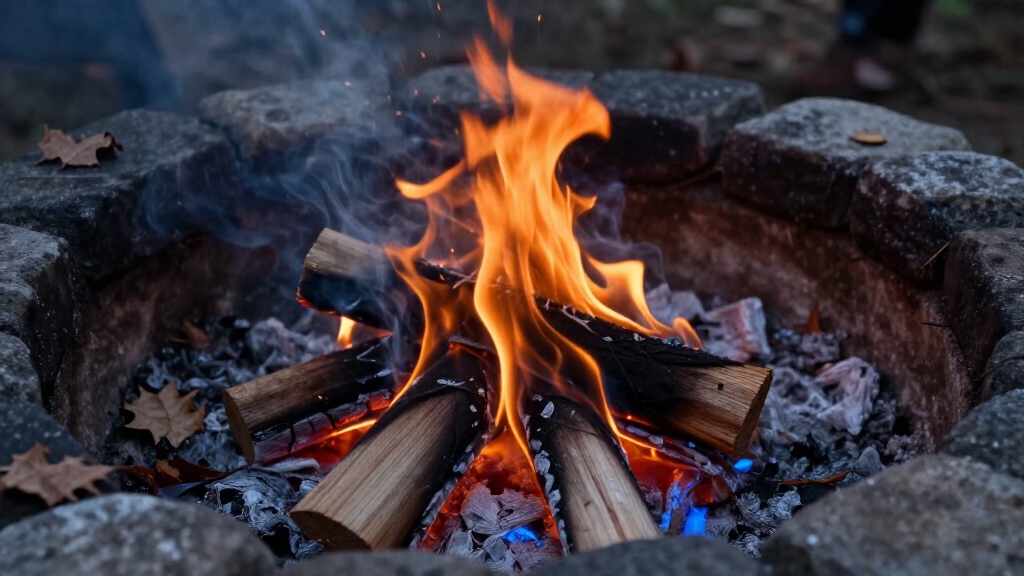
Although you might’ve plenty of fuel, your fire will go out if it doesn’t get enough oxygen. Fires require a continuous airflow to sustain combustion. Without adequate oxygen, flames smolder and eventually extinguish.
Closed vents, blocked airflow paths, or tight indoor spaces restrict oxygen supply, starving the fire. Additionally, drafts or downdrafts can destabilize flames by disrupting consistent airflow, causing the fire to falter.
Excess smoke buildup further displaces oxygen around the combustion zone, reducing flame efficiency and potentially quenching the fire. To maintain a stable burn, ensure vents are open and air pathways remain unobstructed.
Ventilation should support steady oxygen flow. Proper oxygen delivery is essential for the chemical reactions in combustion, making airflow management a critical factor in preventing your fire from going out. Removing oxygen effectively smothers the fire by suffocating flames and causing rapid extinguishment.
Why Wet or Poor-Quality Fuel Makes Fires Hard to Keep Alive?
Once your fire gets enough oxygen, the quality and condition of your fuel become the next critical factors in maintaining a steady flame.
Wet or damp wood contains excess moisture, which absorbs heat energy, making ignition difficult and slowing combustion. You’ll notice that freshly cut or poorly seasoned wood produces more smoke and less heat, which reduces flame stability.
Additionally, thick or dense fuel can resist catching fire, especially early in the burn cycle. Conversely, overly fast-burning fuel may burn out before your fire generates sufficient heat to sustain itself.
Using dry, well-seasoned wood with appropriate thickness guarantees consistent combustion, maximizing heat output and flame longevity. Poor-quality or wet fuel disrupts this balance, causing your fire to sputter and eventually extinguish despite adequate airflow.
For kitchen fires, it’s important to avoid using water or other unsuitable substances, as they can worsen the fire rather than help extinguish it, highlighting the need to understand proper fire extinguishing methods.
How Building Your Fire Affects Flame Stability?
How you build your fire directly influences how well it burns and stays lit. Proper structure guarantees oxygen flows freely, supporting stable combustion.
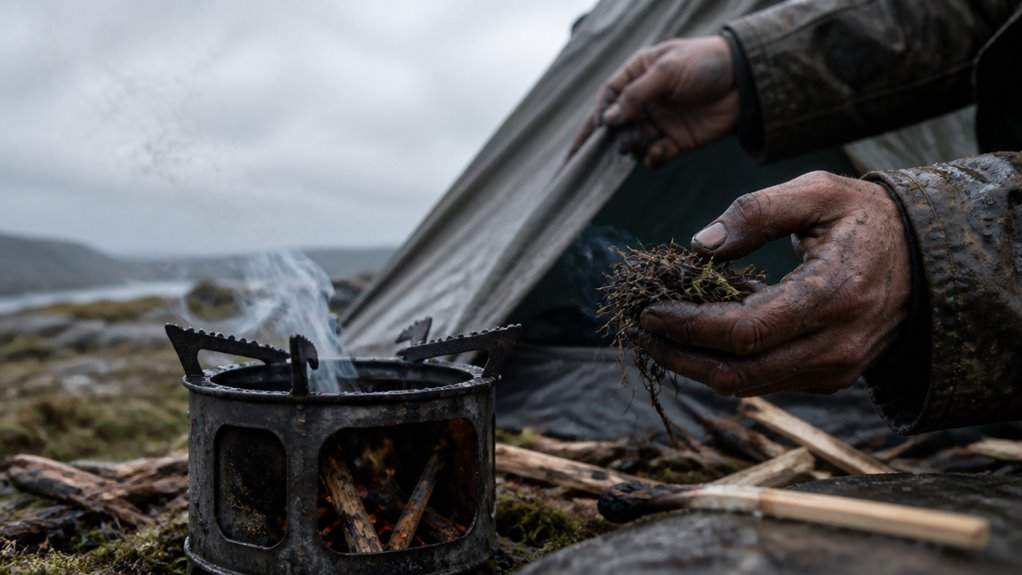
Start with a teepee or log cabin arrangement using thin kindling to establish heat before adding larger logs. Adding big fuel too soon can smother flames, causing them to die out.
Gradual buildup enhances flame stability by maintaining consistent airflow and heat.
| Fire-Building Element | Effect on Flame Stability |
|---|---|
| Thin Kindling | Ignites quickly, promotes airflow |
| Gradual Fuel Addition | Prevents smothering, supports heat |
| Proper Arrangement | Maximizes oxygen, sustains flames |
Build your fire thoughtfully to avoid fragile flames that flicker out prematurely. Always ensure you have a clear exit behind your fire pit to maintain safety while managing your fire.
How Ash Buildup Blocks Air and Extinguishes Fires?
You know, ash buildup really has a big effect on airflow. It can block oxygen from getting to the fuel bed.
When ash starts piling up in the firebox or clogs the grates and vents, it really restricts the draft that’s crucial for combustion.
This obstruction in airflow is a problem. It causes the fire to smolder, and eventually, it can just go out.
Without adequate oxygen, one of the essential elements of the fire triangle is missing, making it impossible for the fire to continue burning.
Ash Accumulation Effects
A significant buildup of ash can severely restrict the airflow necessary to sustain a fire. When ash accumulates, it creates a barrier that limits oxygen reaching the fuel, directly impacting combustion efficiency.
You’ll notice decreased flame intensity and increased smoldering as oxygen supply drops. In stoves or fireplaces, ash packed tightly in the firebox can block grates and vents, further reducing draft.
Here’s what ash accumulation does:
- Blocks oxygen pathways to the burning fuel.
- Smothers flames by forming an insulating layer.
- Restricts air intake through grates and vents.
- Decreases draft strength, weakening combustion.
Regular ash removal is critical to maintain proper airflow. This ensures your fire burns steadily and doesn’t extinguish prematurely. Similar to how airflow affects retention, restricted oxygen flow can impede the effectiveness of a system’s operation.
Airflow Obstruction Causes
When ash builds up excessively, it obstructs essential airflow channels that feed oxygen to your fire. This blockage reduces the oxygen supply, critical for combustion, causing the flames to weaken or extinguish.
In stoves and fireplaces, accumulated ash can fill grates and vents, restricting the draft necessary to sustain the fire. Without proper air circulation, combustion efficiency drops, leading to incomplete burning and increased smoke.
To maintain a steady flame, you need to regularly remove ash from the firebox and ensure vents remain clear. Neglecting this can cause your fire to smolder or die out prematurely.
Managing ash buildup directly improves airflow, stabilizes the flame, and keeps your fire burning efficiently and safely. Always scoop cooled ashes into a metal container to prevent reignition and maintain proper airflow.
How Chimney and Vent Problems Cause Fires to Go Out?
If your chimney gets blocked, it can really mess with the airflow that’s essential for keeping a fire burning. When that happens, your fire may struggle to stay lit or even go out completely.
And then there are flue draft problems. Sometimes, cold air can push down into the chimney, disrupting the ventilation your fire needs to thrive.
Properly functioning fire suppression systems can help manage fires effectively when ventilation issues arise.
Blocked Chimney Effects
Although many factors influence fire performance, chimney and venting issues play a critical role in whether your fire stays lit.
A blocked chimney reduces the airflow essential for combustion, starving your fire of oxygen.
Soot and creosote buildup narrow the chimney passage, hindering exhaust and fresh air intake.
Cold chimneys can cause air to descend, disrupting the fire’s oxygen supply.
Additionally, narrow or poorly designed flues limit draft strength, making it hard to sustain flames.
Here’s what you might face with a blocked chimney:
- Restricted airflow starving the fire of oxygen
- Accumulated soot or creosote obstructing venting
- Cold air pushing down into the firebox
- Insufficient draft due to chimney size or shape
Maintaining a clean, unobstructed chimney is vital to keep your fire burning steadily.
Without proper airflow, the fire triangle’s heat component is interrupted, causing flames to go out.
Flue Draft Problems
Because the draft in your flue directly controls the airflow through the firebox, any disruption can quickly extinguish your fire.
If your chimney or flue is cold, it can cause downdrafts that push air downward, starving the fire of oxygen.
Soot and creosote buildup narrow the flue’s passage, restricting airflow and weakening draft strength.
A flue that’s undersized or improperly designed won’t generate enough draft to sustain combustion.
Additionally, exhaust fans or tightly sealed doors can reduce the room’s air supply, further impairing ventilation.
To maintain a steady fire, make certain your flue is clean, properly sized, and warm enough to draw air upward.
Regular inspection and maintenance prevent draft problems that commonly cause fires to die out prematurely.
Improper system design and sizing can lead to poor performance, much like how an undersized septic tank causes failures in wastewater systems.
Common Gas Fireplace Problems That Cause Flames to Go Out
When your gas fireplace flame keeps going out, several mechanical or safety components may be at fault. Identifying these issues quickly helps maintain consistent operation and safety.
Common problems include:
- Dirty or faulty pilot light: A clogged pilot can fail to ignite or sustain the flame.
- Faulty thermocouple or thermopile: These sensors detect flame presence and control gas flow. Failure causes shutdown.
- Blocked burner ports: Obstructions reduce gas delivery, weakening or extinguishing the flame.
- Incorrect gas pressure: Low or unstable pressure can prevent the flame from stabilizing.
Regular inspection and cleaning of these components guarantee reliable ignition and steady flames.
If you notice persistent flame outages, consider consulting a professional technician to diagnose and repair underlying gas system faults. Additionally, understanding motion alerts can help monitor your home environment for safety concerns beyond the fireplace.
Frequently Asked Questions
Can Wind Outside Affect My Indoor Fire’s Stability?
Yes, wind outside can affect your indoor fire’s stability by creating drafts that disrupt airflow within your home.
These drafts can cause downdrafts in your chimney or fireplace, pushing smoke and cold air back into the firebox. This reduces the oxygen supply necessary for combustion.
To maintain steady flames, make certain your vents and chimney are properly sealed and shielded from strong winds.
Consider using draft stoppers or dampers to regulate airflow effectively.
How Does Altitude Impact Fire Burning Efficiency?
At higher altitudes, air pressure drops, which reduces oxygen density.
You’ll find that fires burn less efficiently because there’s less oxygen to support combustion.
You’ll need to adjust fuel and airflow to compensate for this thinner air.
For instance, increasing ventilation or using more finely split, dry wood helps maintain stable flames.
If you don’t, your fire may struggle to ignite or sustain itself due to insufficient oxygen supply.
Do Certain Types of Wood Produce More Smoke Than Others?
Yes, certain woods produce more smoke than others. You’ll find that softwoods like pine and fir generate more smoke due to their higher resin content.
This also causes more creosote buildup. Hardwoods such as oak, maple, and hickory burn cleaner and produce less smoke because they’ve lower sap and resin levels.
To minimize smoke, use well-seasoned, dry hardwoods that burn efficiently and reduce soot and particulate emissions.
Can Using Fire Starters Damage My Fireplace?
Using fire starters generally won’t damage your fireplace if you use them properly.
However, excessive use of chemical or petroleum-based starters can leave residue that contributes to soot and creosote buildup. This buildup can obstruct airflow and increase chimney fire risk.
Opt for natural, non-toxic fire starters to avoid this. Always follow manufacturer instructions and ensure your chimney is cleaned regularly to maintain safe, efficient operation.
How Do Pets or Children Impact Fire Safety Around Flames?
You need to keep pets and children away from open flames to prevent accidents.
Their unpredictable movements can knock over fire tools or disturb the fire structure, causing sparks or embers to escape.
Also, curious pets and kids might touch hot surfaces or get too close to flames, risking burns.
Always use protective barriers and supervise closely to maintain a safe environment and reduce the chance of fires spreading or injuries occurring.
Why Does My Fire Keep Going Out? Final Troubleshooting Tips
If your fire keeps going out, it’s like trying to breathe through a straw. Without proper oxygen, flames just can’t survive.
Using wet fuel or ignoring ash buildup is like throwing a wet blanket over your fire’s face. Poor construction or clogged vents suffocate the flame instantly.
Even gas fireplaces have quirks that snuff out flames unexpectedly. Understanding these factors lets you take precise control, keeping your fire roaring instead of flickering out in frustration.