
If you’re locked out, first check for a trusted person with a spare key or a secure on-property backup.
Avoid forcing entry, which can damage locks or doors. For standard spring bolt locks, thin plastic methods might work.
If your lock is complex or high-security, call a licensed locksmith to prevent damage and assure safe access.
Knowing when to seek professional help and how to manage keys wisely can save time and frustration. Explore solutions to avoid future lockouts and improve your home’s security.
Key Takeaways
- Check for spare keys with trusted family, friends, or neighbors before attempting entry.
- Use a credit card or plastic shim to slide open spring bolt locks without damage if safe to do so.
- Avoid forcing locks or tools to prevent damage; only attempt DIY entry on simple lock types.
- Call a licensed locksmith promptly for emergency or complex lockouts to ensure damage-free entry.
- Consider upgrading to smart locks or install secure spare key boxes to prevent future lockouts.
Check for Spare Keys Before Trying to Get In
Before attempting any entry methods when you’re locked out, always check for spare keys.
Start by identifying trusted individuals, such as family members, neighbors, or friends, who might hold duplicates.
Begin by asking trusted people like family, neighbors, or friends if they have a spare key.
Accessing a spare key eliminates risks of damage and extra costs.
If you’ve stored a spare key on your property, locate it carefully; common spots include lockboxes secured with a code or discreet hiding places designed to resist theft.
Avoid insecure locations like under doormats or flowerpots, which compromise safety.
Confirm the key’s compatibility with your lock type to prevent futile attempts.
Checking for spares first saves valuable time and preserves the integrity of your door and lock.
Relying on spare keys guarantees swift, non-destructive access and should be your primary step during a lockout.
Keep in mind that hiring a locksmith for emergency services can add additional charges that range significantly depending on the time and complexity of the service.
Unlock Your Door Safely With These DIY Tricks
Try simple, non-destructive DIY methods to open your door when you’re locked out, but only if you fully understand the risks and limitations involved.
Begin by examining the lock type; standard spring bolt locks may be manipulated using a credit card or thin plastic shim to retract the latch without damage.
Insert the card between the door and frame, applying pressure while sliding it down to push the latch back.
For pin tumbler locks, tension wrenches and lock picks can be employed, but require skill to avoid jamming or breaking internal components.
Avoid forcing tools, which can damage the lock mechanism and worsen the situation.
If you lack experience or face high-security locks, refrain from DIY attempts and seek professional assistance to maintain property integrity and security.
Certified locksmiths use non-destructive techniques to open locks without causing damage.
Know When to Call a Locksmith for a Home Lockout
When you’re locked out, the first thing you should do is take a moment to assess how urgent the situation is. If there are vulnerable individuals inside your home or if safety is at risk, then you definitely want to act quickly.
Now, I get it—it’s tempting to try and handle the situation yourself. But trust me on this: DIY attempts can end up damaging your locks or even compromising your security. It’s really not worth the risk.
And before you call someone for help, make sure to verify their credentials. You want to ensure that you’re getting professional, reliable assistance. It’s always better to be safe than sorry!
Additionally, understanding common lock vulnerabilities like bumping can help you make informed decisions about upgrading your home’s security.
Assess Lockout Urgency
Although some lockouts may seem minor, you should assess the urgency carefully to determine whether immediate professional locksmith assistance is necessary.
Consider if vulnerable individuals, such as young children or elderly relatives, are inside; their safety elevates urgency considerably.
Evaluate the environment: if you’re locked out in an unsafe area or during extreme weather, prompt locksmith intervention is critical.
Also, assess lock condition. Damaged or malfunctioning locks can worsen without expert handling.
Recognize the time of day; night or holiday lockouts often require emergency services with faster response times.
By methodically analyzing these factors, you guarantee a timely, secure resolution with minimal property damage.
In some cases, understanding the presence of hidden door lock mechanisms can influence the approach and urgency of gaining entry.
Evaluate DIY Risks
Since attempting a DIY entry can cause costly damage or worsen lock issues, you need to carefully evaluate the risks before proceeding.
Consider your skill level, tools available, and lock complexity. Forcing entry might lead to expensive repairs or compromised security.
When in doubt, calling a professional locksmith guarantees minimal damage and efficient access.
| Factor | Consideration |
|---|---|
| Lock Type | High-security locks require expertise |
| Tools Required | Specialized tools prevent damage |
| Potential Damage | DIY can break lock or door frame |
| Time and Safety | Risk of injury or prolonged lockout |
Weigh these factors objectively to decide if DIY efforts are feasible or if professional intervention is the safer, more cost-effective option. Understanding the multi-point locking systems commonly used in reinforced doors can help you better assess the complexity of your lockout situation.
Verify Locksmith Credentials
You should always verify a locksmith’s credentials before authorizing any service to guarantee professionalism and security.
Confirm that the locksmith is licensed, insured, and bonded according to your state or local regulations.
Request identification and business information, including a physical address and contact number.
Check online reviews and verify their affiliation with recognized professional organizations, such as the Associated Locksmiths of America (ALOA).
Avoid locksmiths who provide vague estimates or refuse to furnish credentials upfront.
Confirm pricing details in writing to prevent unexpected charges.
Ensuring these credentials protects you from fraud and property damage while ensuring the technician has the expertise to handle your lockout efficiently and securely.
Taking these steps will help you engage a qualified professional who prioritizes your safety and property integrity.
For enhanced safety, consider installing smart home security systems that can assist in preventing lockouts and alert you to unauthorized access.
What to Expect From Emergency Locksmith Services?
When facing a lockout, you can expect emergency locksmith services to respond promptly with specialized tools designed to gain entry while minimizing damage. Their technicians arrive equipped to handle diverse lock types efficiently, guaranteeing swift access without compromising security.
Here’s what you can anticipate from professional emergency locksmiths:
- Rapid response times, often within an hour depending on your location.
- Use of non-destructive entry techniques to protect your property.
- Verification of your identity to ensure authorized access.
- Mobile units capable of servicing various residential lock systems.
- Immediate assessment and repair or replacement of malfunctioning locks.
Trustworthy locksmiths maintain high technical standards, prioritizing both your safety and the integrity of your home’s security system throughout the emergency process. For added security, consider installing a peephole in metal doors to enhance your home’s entryway protection.
Estimate the Cost of Emergency Lockout Assistance
Calculating the cost of emergency lockout assistance involves considering factors such as location, time of service, and the complexity of the lock system.
Typically, standard home lockouts range from $50 to $200, with national averages between $107 and $242.
You’ll pay more if service occurs during nights, weekends, or holidays due to emergency surcharges.
Complexity matters: advanced lock mechanisms or damaged systems require specialized tools, increasing fees.
Always request a detailed price estimate before authorizing service to avoid surprises.
Remember, professional locksmiths provide efficient entry with minimal property damage, often saving you money compared to alternative methods like window breaking.
Factoring in response time and technician credentials guarantees you receive reliable, cost-effective emergency access without compromising your home’s security.
For maintaining the effectiveness of electronic locks, it is important to use the correct battery type and replace batteries promptly to avoid failures during emergencies.
How Smart Locks Can Save You From Lockouts?
Smart locks have revolutionized home security by eliminating the need for physical keys, greatly reducing the risk of lockouts. You can control access remotely via smartphone apps, granting or revoking entry instantly.
These locks use encrypted wireless protocols ensuring secure communication and preventing unauthorized access. In emergencies, you won’t be stranded outside; biometric or PIN code entry lets you regain access quickly without calling a locksmith.
Additionally, smart locks log entry history, providing transparency and enhancing security monitoring.
- Remote locking/unlocking capabilities
- Biometric and PIN access options
- Real-time access notifications
- Integration with home automation systems
- Tamper and forced-entry alerts
For enhanced safety, combining smart locks with a properly functioning door peephole can provide a reliable passive security measure alongside electronic access control.
Manage Your Keys to Avoid Getting Locked Out
Regularly organizing and managing your keys greatly reduces the risk of being locked out of your home.
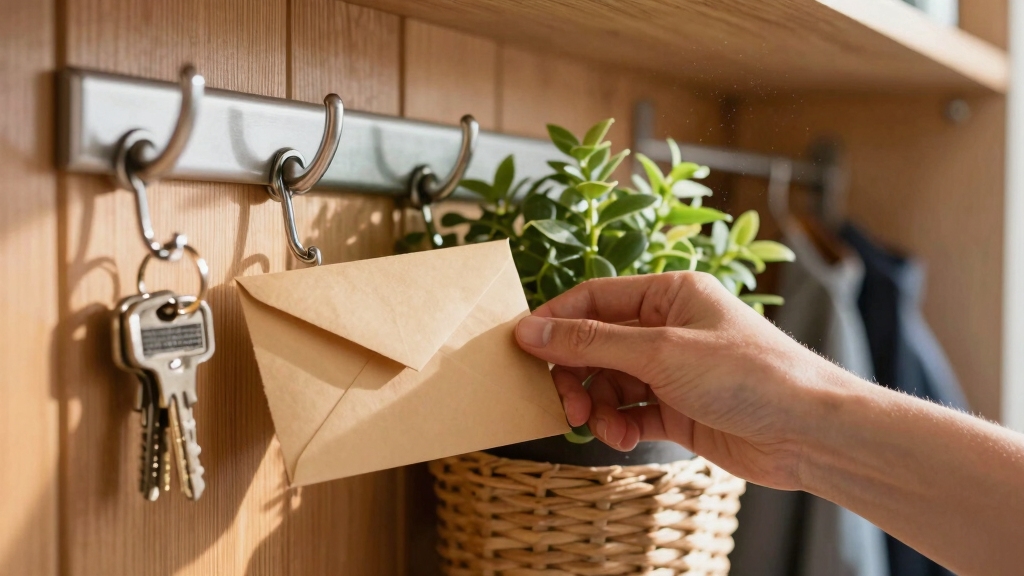
Start by designating a specific place to store your keys, such as a key rack or bowl near the main entrance.
Consistently placing keys there prevents misplacement.
Create duplicate keys and distribute them to trusted individuals or keep a secure spare at a discreet location.
Label keys clearly to avoid confusion among duplicates.
Routinely inspect keys for wear or damage and replace them promptly to prevent breakage in locks.
Consider using key management tools like labeled keychains or smart key holders that track your keys’ location.
These steps minimize lockout chances by maintaining key integrity and accessibility.
This ensures you always have reliable access to your home without emergency locksmith intervention.
Additionally, installing a peephole viewer in your door can enhance home security by allowing you to identify visitors before opening the door.
Emergency Steps If Someone Is Locked Inside Your Home
If someone is locked inside your home, the first thing you want to do is check on their immediate safety. You need to figure out how urgent the situation really is. Is anyone feeling unwell or in distress?
Once you have that sorted out, it’s time to reach out to a 24/7 emergency locksmith. These pros can get there quickly and have the right tools to help get the door open without causing any damage.
Assess Immediate Safety
When someone is locked inside your home, you must quickly evaluate their safety to determine the urgency of the situation.
Begin by confirming their physical and emotional condition. Check if they’ve access to water, ventilation, and communication devices.
Assess environmental hazards such as heat, cold, or smoke. Prioritize actions based on risk severity.
Verify if the person shows signs of distress or medical emergency. Confirm availability of fresh air and absence of harmful gases.
Determine if they can communicate or signal for help. Identify potential risks like flames, flooding, or structural instability.
Establish time elapsed since entrapment to gauge urgency.
Accurate safety assessment guarantees you respond appropriately without delay or unnecessary damage.
Contact Emergency Locksmith
Act immediately by contacting a reputable emergency locksmith if someone is locked inside your home.
Emergency locksmiths operate 24/7 nationwide, ensuring rapid response times that vary based on location and traffic.
Choose a licensed professional with verified credentials to guarantee secure, damage-free entry using specialized tools.
Avoid attempting forced entry yourself, which risks injury and property damage.
Before authorizing service, request a clear cost estimate; typical fees range from $50 to $200, with higher rates during nights or holidays.
Mobile locksmiths offer on-site assistance for swift resolution, vital when vulnerable individuals are trapped inside.
Prioritize safety by communicating clearly with the locksmith about the urgency and any special circumstances.
Prompt professional intervention makes certain secure access restoration while maintaining your home’s integrity.
Upgrade Your Locks After a Lockout for Better Security
Consider upgrading your locks immediately after a lockout to enhance your home’s security and prevent future incidents.
Replacing or rekeying your locks assures compromised keys no longer grant access.
Opt for high-security locks that resist picking and bumping to fortify entry points.
You might also consider smart locks for keyless, controlled access, reducing lockout risks.
Always hire a licensed locksmith to guarantee proper installation and maintain security integrity.
Replace worn or damaged locks promptly.
Install high-security deadbolts for added protection.
Upgrade to smart lock systems with remote access.
Rekey locks if keys are lost or stolen.
Schedule professional lock maintenance regularly.
These steps help you regain control and secure your home effectively after a lockout.
Frequently Asked Questions
Can I Use a Credit Card to Unlock a Spring Bolt Lock?
You can sometimes use a credit card to unfasten a spring bolt lock because it’s designed to retract when pressure is applied.
Slide the card between the door and frame, then wiggle it while pushing the bolt back.
However, this only works on spring bolts, not deadbolts, and risks damaging your card or door.
For reliable, damage-free entry, professional locksmith services are a safer choice.
What Tools Do Locksmiths Use for Non-Destructive Entry?
You might think locksmiths just jimmy locks with bobby pins, but they actually use specialized tools like tension wrenches, pick guns, and bump keys for non-destructive entry.
These precision instruments allow them to manipulate lock mechanisms without damage.
They also employ lock scopes and decoding tools to assess and bypass locks carefully.
Trust these experts; they combine technical skill and advanced tools to get you back inside safely and efficiently.
How Long Do Locksmiths Typically Take to Arrive?
You can expect locksmiths to arrive within a few hours, though times vary based on your location, traffic, and time of day.
Emergency services often respond faster, especially if you’re in urgent need.
Mobile locksmiths prioritize quick arrival to minimize wait.
Keep in mind, peak hours or remote areas may extend response time.
Always confirm estimated arrival when you call to stay informed and prepared.
Are There Legal Restrictions on DIY Lock Picking?
Yes, you should know that DIY lock picking often faces legal restrictions depending on your jurisdiction.
Many places allow it only if you’re the property owner or have explicit permission.
Possessing lock-picking tools without lawful intent can be illegal and lead to fines or charges.
Always check local laws before attempting any lock manipulation.
For urgent access, hiring a licensed locksmith guarantees compliance and minimizes legal risks.
Can Pets Be Safely Locked Inside During a Lockout?
You should avoid leaving pets locked inside during a lockout, as safety concerns escalate markedly, especially if temperatures fluctuate or emergencies arise.
Studies show that 80% of lockout situations can be prevented with proper planning, highlighting the importance of quick resolution.
If pets are inside, contact emergency locksmiths promptly. They use specialized tools for rapid, damage-free entry, minimizing risks to your animals and property while ensuring their well-being.
Stay Prepared, Stay Secure: Prevent Your Next Lockout
Getting locked out happens to the best of us, but remember, “an ounce of prevention is worth a pound of cure.”
Always check for spare keys first and try safe DIY methods before calling a locksmith. Knowing when to seek professional help makes sure you don’t cause damage or waste time.
Consider upgrading to smart locks and managing your keys wisely to avoid future lockouts. Taking these steps keeps your home secure and accessible when you need it most.