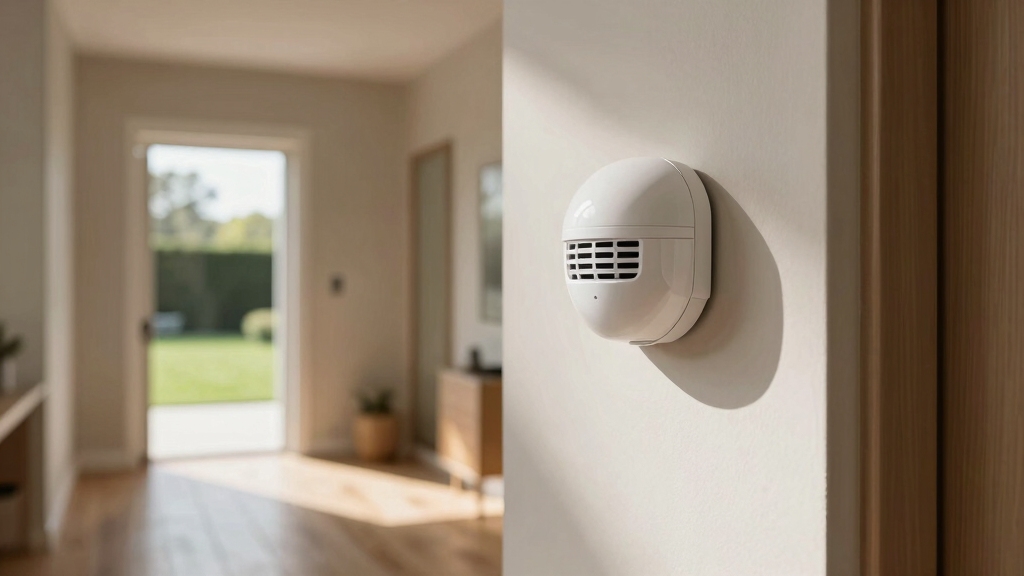

Yes, you need working smoke detectors installed and compliant with local codes before selling your house. Most states require them to pass inspections and secure final sale approval, often including carbon monoxide detectors.
Placement, functionality, and certification vary by jurisdiction and can impact closing timelines or liability risks. Sellers must provide documentation proving compliance and make certain detectors are fully operational.
Understanding these requirements protects you and streamlines the sale process. Explore how specific rules and your responsibilities affect your transaction.
Key Takeaways
- Most states require operational smoke detectors to be installed and functioning when selling a house to comply with local regulations.
- Home inspections often verify smoke alarm presence, and missing or non-functional units can delay or void the sale.
- Specific requirements, including the number and placement of alarms, vary by state and local jurisdiction.
- Sellers must provide documentation or certification of compliance, sometimes including a written statement or fire department certificate.
- Carbon monoxide detectors are frequently required alongside smoke alarms, especially if fuel-burning appliances or garages are present.
Why Smoke Detectors Are Required When Selling Your Home?
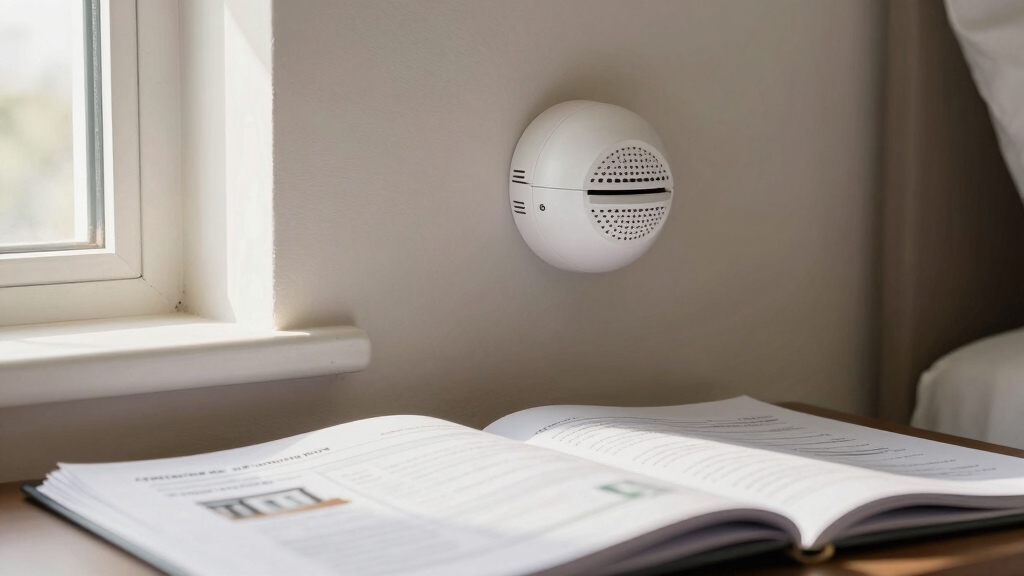
Because smoke detectors play a critical role in fire safety, most states require sellers to provide working smoke alarms when selling a home.
Most states mandate sellers to install functional smoke alarms to ensure fire safety during home sales.
You must make certain these devices meet local codes before closing to comply with fire safety regulations. Smoke detectors alert occupants to fires early, reducing injury and property damage risks.
When you sell, inspections verify compliance; if detectors are missing or non-functional, you’ll need to install or repair them. This requirement applies even to as-is sales or cash transactions in many areas.
Additionally, certificates of occupancy often mandate full fire safety compliance, including operational smoke alarms. Providing approved, functional detectors protects buyers and limits your liability.
This reinforces your responsibility to offer a safe home as part of the sale process.
It is also important to ensure the detectors are properly placed inside bedrooms and on every level to maximize safety and meet common fire code standards.
What States Require Smoke Detectors at Sale?
While smoke detector requirements vary across the United States, most states mandate working smoke alarms at the point of home sale to guarantee fire safety compliance.
You must make certain your home meets local laws before closing, as non-compliance can delay or void sales. Some states require certification from fire departments, while others focus on installation and operational status.
| State | Key Requirement |
|---|---|
| Massachusetts | Certificate from local fire department |
| Florida | Installation in new and some existing homes |
| Washington | At least one working smoke detector |
| Tennessee | Local regulations require detectors |
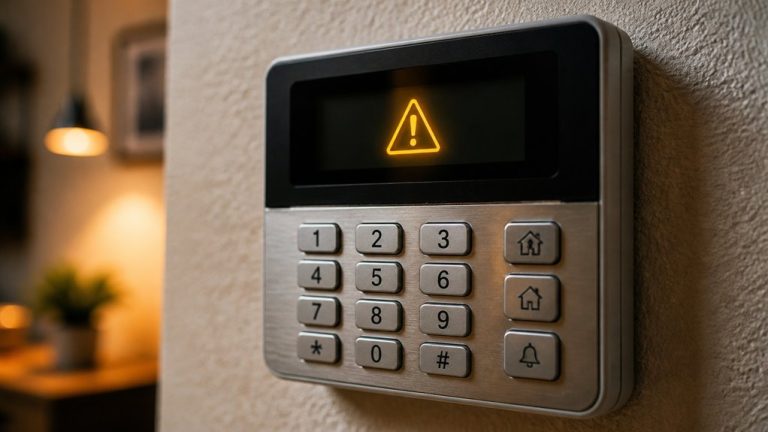
Check with your local authority for specific rules. Meeting these requirements protects buyers and sellers alike and ensures a smooth transaction. Additionally, knowing how to identify alarm signals can be vital for verifying that detectors are functioning correctly during inspections.
California Smoke Detector Requirements for Sellers
Among the states with specific smoke detector requirements at home sale, California enforces detailed regulations to guarantee fire safety compliance.
You must make certain at least one operable smoke alarm, listed by the State Fire Marshal, is installed in the single-family dwelling you’re selling.
This alarm must meet Health & Safety Code section 13113.8, effective since 2013.
If your home already has compliant alarms, you don’t need to install new ones, but they must function properly.
Before transferring the title, you’re required to provide the buyer with a written statement confirming compliance.
Additionally, carbon monoxide detectors are mandatory for all residential transfers.
Meeting these requirements is essential to avoid delays or legal issues during the sale process and to ensure the safety of future occupants.
It is also critical to ensure that hardwired smoke detectors have battery backups to maintain functionality during power outages, as required by fire safety standards.
How Local Rules Affect Smoke Detector Compliance?
Hey there! Let’s talk about smoke detector requirements. They really do change a lot depending on where you are—each state and local jurisdiction has its own rules. So, it’s super important to know what applies to you to stay compliant.
Fire departments play a big role in this. They often conduct inspections and certification processes to make sure all safety standards are met before a property gets sold. It’s all about keeping everyone safe, right?
And here’s something to keep in mind: these local regulations can really impact real estate transactions. If you have missing or non-compliant smoke detectors, it could slow down closings or even affect the offers you get.
So, staying on top of those requirements is definitely worth the effort! Proper placement and maintenance of smoke detectors is key to ensuring they provide reliable protection and meet safety standards.
State And Local Variations
Because smoke detector requirements vary widely across states and municipalities, you must carefully review local regulations to guarantee full compliance when selling a house.
States like California, Massachusetts, and Florida each impose distinct rules, including specific smoke alarm types, placement, and certification procedures.
Additionally, local ordinances may add requirements or provide rare exemptions, particularly for older homes.
For example, Memphis, Tennessee mandates working detectors for traditional sales, while some jurisdictions enforce carbon monoxide detector installations alongside smoke alarms.
You should consult your local fire marshal or building department to understand precise mandates, which often affect sale approval and liability exposure.
Meeting these variable standards ensures a smooth transaction and protects you from potential legal repercussions related to fire safety non-compliance during the sale process.
It is also important to install detectors with UL 2034 certification or equivalent to ensure quality and reliability.
Enforcement By Fire Departments
Local fire departments play a significant role in enforcing smoke detector regulations, directly impacting sellers’ obligations during a home sale.
You must make certain your property meets local fire codes, as fire departments often conduct inspections or require certification before closing.
These agencies interpret and apply state and municipal laws, which can vary widely.
For example, some departments mandate a minimum number of detectors, proper placement, and approved models.
Failure to comply may result in penalties or delays in the sale.
To avoid complications, you should contact your local fire department early to verify specific requirements and inspection procedures.
Their enforcement guarantees your home meets safety standards, protecting buyers and minimizing your liability risks during the transaction.
Staying informed helps you fulfill your legal duties efficiently.
Additionally, understanding the difference between local and central fire alarm systems can help ensure compliance with safety regulations and improve overall fire protection.
Impact On Real Estate
Although smoke detector requirements vary by jurisdiction, their impact on real estate transactions is significant and immediate.
When you sell a home, local regulations often mandate operational smoke detectors, affecting both listing eligibility and closing timelines.
Non-compliance can delay sales, as inspectors require repairs or installations before approving the transaction.
Some states, like California and Massachusetts, demand certificates or written compliance statements, adding administrative steps you must complete.
Real estate agents may refuse to list properties lacking approved detectors, limiting market exposure.
Additionally, absence of required alarms can reduce buyer confidence and complicate negotiations.
To avoid these issues, you should verify local codes early and make certain your home meets all smoke detector standards.
Doing so safeguards the sale process and minimizes liability risks tied to fire safety violations.
Regular maintenance, such as monthly testing and biannual cleaning, is essential to ensure your detectors remain fully operational and compliant with safety regulations, preventing potential sale delays due to detector failure or malfunction. Regular maintenance
Seller Responsibilities for Smoke Detector Installation
When you’re getting ready to sell your house, one important thing you’ll need to take care of is installing smoke detectors that meet local codes. It’s not just a suggestion—it’s a requirement! Plus, you’ll need to gather the proper compliance documentation to show that you’ve done everything right.
If you skip this step, you might run into some delays when it comes to closing. Nobody wants that! In fact, you could end up facing some costly repairs if inspections reveal any issues.
So, taking the time to understand these responsibilities not only helps you avoid legal headaches but also makes sure your sale goes smoothly. Regular maintenance and timely replacement of detectors are essential to ensure smoke detector functionality and compliance with safety standards.
Installation Requirements Overview
When selling a house, you must make sure that all smoke detectors meet the specific installation requirements mandated by state and local codes.
Typically, this means installing at least one approved and operational smoke alarm on every level of the home, including inside and outside sleeping areas.
You’ll need to use devices listed by recognized authorities, such as the State Fire Marshal or UL.
Installation locations and mounting heights must comply with fire safety regulations to guarantee optimal detection.
If your home lacks compliant detectors or existing units aren’t operational, you’re responsible for installing or repairing them before closing.
Adhering to these requirements is crucial to pass inspections, avoid sale delays, and reduce liability risks associated with fire safety non-compliance.
Many homes benefit from hardwired smoke detectors with backup batteries to ensure continuous operation even during power outages.
Compliance Documentation Needed
Because smoke detector compliance is a critical part of home safety regulations, sellers must provide proper documentation verifying that all installed detectors meet local codes before closing. You’ll need to supply proof that the devices are approved, functional, and installed according to jurisdictional standards.
This documentation often includes inspection reports, certificates from local fire authorities, or signed compliance statements. Providing thorough compliance documentation guarantees you:
- Protect your liability by demonstrating adherence to safety laws.
- Build buyer confidence with verified fire safety measures.
- Streamline the closing process by avoiding last-minute repair demands.
Check local requirements carefully, as some states mandate specific forms or certificates. This step is essential for a smooth sale and safeguarding future occupants.
Additionally, ensuring detectors are within their effective service life is crucial for maintaining reliable protection and compliance.
Consequences of Non-Compliance
Failing to install or provide functioning smoke detectors that meet local codes can lead to significant legal and financial consequences for sellers. You may face repair mandates before closing, reduced sale value, or even lawsuits if a fire incident occurs post-sale.
Non-compliance undermines buyer confidence and can delay or derail the transaction.
| Consequence Type | Description |
|---|---|
| Legal Liability | Potential lawsuits for injuries or damages |
| Financial Penalties | Fines and costs for required corrections |
| Transaction Delay | Closing postponed until compliance is met |
| Market Impact | Lower offers or lost buyers due to safety concerns |
Ensure compliance to protect yourself and facilitate a smooth sale process.
Home Inspection and Smoke Detector Compliance
Although home inspections cover a broad range of safety and structural issues, they always include verifying smoke detector compliance.
You must make certain your smoke detectors meet local codes before closing, as inspectors will check their presence and functionality. Non-compliance often leads to mandatory repairs, delaying the sale.
Even if you’re selling as-is, most areas require working detectors. Meeting these standards safeguards both you and the buyer.
Failing to comply risks:
- Jeopardizing buyer safety and trust
- Delaying closing due to repair demands
- Facing potential legal liability after sale
To avoid complications, consult your local fire department and confirm your detectors meet all current regulations before inspection. This proactive step ensures a smooth transaction and peace of mind for everyone involved.
What Types of Smoke and Carbon Monoxide Detectors Are Needed?
Selecting the correct types of smoke and carbon monoxide detectors is essential to meet legal requirements and guarantee safety when selling your home.
Generally, you must install smoke detectors approved by your state fire marshal or local authority.
Install smoke detectors approved by your state fire marshal or local authority to ensure compliance and safety.
Often, this requires at least one in every bedroom, outside sleeping areas, and on each level of the home.
Carbon monoxide detectors are typically mandatory if your home contains fuel-burning appliances or an attached garage.
Detectors must be operable, properly installed per manufacturer instructions, and comply with local codes.
For example, California requires alarms listed by the State Fire Marshal, while other states may specify battery-operated or hardwired units with battery backup.
You should confirm specific detector types and placement with your local fire department to guarantee full compliance before closing.
What Happens If Your Home Lacks Working Smoke Detectors?
Ensuring your home has working smoke detectors is a key step before selling. What happens if these devices are missing or non-functional?
You face legal and financial consequences, as most states require operational detectors for sale compliance. Your home inspection will flag the absence, potentially delaying closing until repairs are made.
Additionally, lacking detectors may reduce buyer confidence, complicating negotiations.
Failing to provide working smoke detectors can lead to:
- Increased liability risks, including potential fire injury lawsuits
- Reduced property value due to non-compliance with safety codes
- Difficulty attracting serious buyers concerned about safety
Quick Tips for Smoke Detector Compliance
Because smoke detector compliance is crucial for a smooth home sale, you should prioritize installing and maintaining approved, fully functional devices that meet your local codes.
First, verify state and municipal requirements to guarantee the number, placement, and type of alarms conform. Install detectors in key areas, typically one per bedroom, hallway, and living space, and replace batteries regularly.
Test each alarm before listing your home and document functionality. If your jurisdiction mandates carbon monoxide detectors, include them accordingly.
Keep receipts and certification handy to provide proof of compliance at closing. Consult your local fire department or real estate professional if unsure about specific rules.
Frequently Asked Questions
Can I Install Wireless Smoke Detectors to Meet Sale Requirements?
Yes, you can install wireless smoke detectors to meet sale requirements, provided they comply with local fire codes and are approved by relevant authorities.
Make certain the detectors are listed by your state fire marshal or equivalent and installed according to regulations.
Wireless units often offer ease of installation and interconnectivity, but verify they meet the specific standards for your area before closing to avoid inspection issues or sale delays.
Are Smoke Detectors Required When Selling Commercial Properties?
Yes, you need smoke detectors when selling commercial properties, but requirements differ from residential rules.
Commercial buildings must comply with local fire codes and the National Fire Protection Association (NFPA) standards. These often mandate interconnected smoke detection systems tailored to occupancy type and size.
Before sale, make certain detectors are installed and functional per these codes. Consulting your local fire marshal or building authority helps you meet all safety and legal obligations effectively.
How Long Do I Have to Fix Smoke Detector Issues After Inspection?
You usually have only days, not years, to fix smoke detector issues after inspection. Delays can feel like waiting for lightning to strike!
Most states require repairs before closing to guarantee safety compliance. Your local fire marshal or real estate agent sets the exact timeline, often within the escrow period.
Don’t ignore it; failing to fix detectors promptly risks delaying your sale and possible legal trouble. Act quickly to meet deadlines.
Do Smoke Detector Rules Apply to Rental Property Sales?
Yes, smoke detector rules generally apply to rental property sales, as safety standards remain essential regardless of occupancy type.
When you sell rental properties, you must make certain smoke detectors meet local codes before closing. This includes installing approved, functioning alarms and providing necessary compliance certificates.
Failing to comply can delay sales and expose you to liability. Always verify specific local regulations since requirements may vary by jurisdiction and property type.
Can a Buyer Waive Smoke Detector Requirements in the Sale Contract?
You generally can’t waive smoke detector requirements in a sale contract because these are mandated by law to ensure safety.
Even if you attempt to agree otherwise, local regulations and fire codes override contract terms.
Sellers must provide working, code-compliant detectors before closing.
It’s vital to comply since non-adherence can delay closing, lead to legal liability, or void the sale.
Always consult local fire authorities for specific rules.
Seal the Deal Safely: Don’t Overlook Smoke Detector Compliance
When selling your home, smoke detectors aren’t just a modern convenience; they’re often a legal must-have, much like a trusty quill for signing important documents.
You’re responsible for ensuring these devices meet local and state regulations, especially in places like California. Staying compliant not only smooths your sale but safeguards future occupants.
Don’t overlook inspections or detector types. A little diligence now prevents costly delays later. Keep your sale and your home secure.