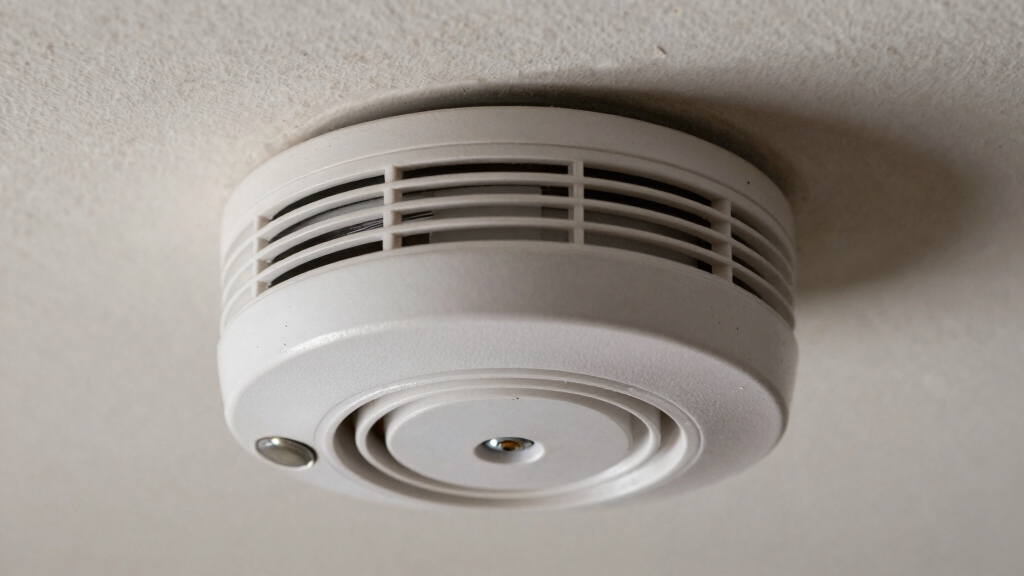

Yes, ionization smoke alarms do contain a small, sealed amount of radioactive material, typically americium-241, that emits alpha particles to detect smoke quickly.
This radiation is safely enclosed inside the device, posing no health risk during normal use, as shielding and regulations keep exposure far below harmful levels.
You won’t notice any radiation beyond natural background levels in your home. Understanding how these alarms work and how to handle them can help you guarantee safety and compliance.
Key Takeaways
- Ionization smoke alarms contain a small amount of americium-241, a radioactive material emitting alpha particles for smoke detection.
- The radioactive source is safely enclosed, preventing radiation exposure during normal use or fires.
- Radiation from ionization alarms is extremely low, less than 0.002 millirems annually, comparable to natural background radiation.
- The device’s casing blocks alpha particles, ensuring no harmful radiation escapes into the home environment.
- Consumers do not require special licenses, and alarms meet strict safety and radiation regulations before sale.
How Ionization Smoke Alarms Work?
Ionization smoke alarms rely on a small amount of radioactive material to detect smoke particles in the air. Inside the alarm, this material emits alpha particles that ionize air molecules, creating a steady flow of charged ions between two electrodes.
When smoke enters the ionization chamber, it disrupts this ion flow by attaching to the ions and neutralizing their charge. This interference causes the electrical current to drop below a threshold, triggering the alarm.
This mechanism enables rapid detection of small smoke particles, especially from fast-flaming fires. Since the 1960s, ionization alarms have saved thousands of lives by providing reliable early warnings.
Their design carefully balances sensitivity and safety, using minimal radioactive material encased securely to prevent exposure while ensuring prompt smoke detection.
Ionization detectors are generally more responsive than photoelectric alarms to flaming fires due to their ability to sense smaller smoke particles via changes in ion currents.
What Types of Radiation Are in Ionization Smoke Alarms?
Although you mightn’t realize it, ionization smoke alarms contain radioactive sources that emit specific types of radiation essential for their function.
Ionization smoke alarms use small radioactive sources to detect smoke through emitted radiation.
The primary source is americium-241, which emits alpha particles. These alpha particles ionize air molecules inside the detector’s chamber, enabling it to sense smoke particles that disrupt the ion flow, triggering the alarm.
Some variants use nickel-63, which emits beta particles, though americium-241 remains most common. The emitted alpha particles travel only a few inches and are fully blocked by the alarm’s plastic housing, ensuring no external radiation exposure.
Beta particles, if present, also have limited penetration, contained by the detector’s enclosure. Gamma radiation levels from these sources are negligible and indistinguishable from natural background radiation.
This precise radiation emission is crucial for the smoke alarm’s reliable operation. Ionization alarms often produce a sharp, rapid beep designed to catch attention immediately for fast-flaming fires.
Are Ionization Smoke Alarms Safe for Your Home?
When you install a smoke alarm containing radioactive material, you might wonder about its safety for your household. Ionization smoke alarms use americium-241, which emits alpha particles shielded by the device’s casing, posing minimal risk.
These alarms have saved thousands of lives since the 1960s. Consider these facts:
- Radiation exposure from two alarms is less than 0.002 millirems yearly, comparable to a few hours of natural background radiation.
- The radioactive source is enclosed in foil and ceramic, preventing particle release during normal use or fires.
- Tampering can damage the shield, increasing health risks, so avoid dismantling the device.
Regular maintenance, including testing and cleaning, is essential to ensure the alarm’s continued sensor effectiveness and safety.
Nuclear Regulations for Ionization Smoke Alarms
Understanding the safety of smoke alarms with radioactive sources naturally leads to questions about the regulations governing their manufacture, distribution, and use.
The Nuclear Regulatory Commission (NRC) licenses manufacturers of ionization smoke alarms containing americium-241 but doesn’t require licensing for consumers.
The NRC licenses manufacturers of ionization smoke alarms but exempts consumers from licensing requirements.
These alarms must comply with strict surface radiation limits, typically 0.1 millisieverts per hour at 10 centimeters, ensuring minimal radiation exposure.
Additionally, products must meet thorough health, safety, and labeling standards before reaching the market.
Transport regulations under 49 CFR 173.424 allow exemptions for these devices due to their low radioactivity.
As a user, you benefit from these rigorous controls without needing special permits.
This regulatory framework balances the proven life-saving advantages of ionization smoke alarms with the minimal radiological risks they pose.
Hardwired smoke detectors, often used alongside ionization alarms, rely on continuous power sources for reliable operation and safety.
Disposal and Maintenance of Ionization Smoke Alarms
Since ionization smoke alarms contain a small amount of americium-241, proper disposal and maintenance are essential to guarantee safety and functionality.
You should handle these devices carefully to prevent damage to the radioactive source and ensure effective smoke detection.
Follow these key steps:
- Replace batteries annually and test alarms monthly to maintain reliability.
- Dispose of old alarms in household trash; however, consider recycling programs that send americium-241 to licensed waste facilities for safer management.
- Avoid tampering or deliberately destroying the ionization chamber, as this can release radioactive material and pose inhalation risks.
Additionally, using the recommended 9V alkaline batteries helps ensure consistent power for reliable alarm performance.
Frequently Asked Questions
How Long Does the Americium-241 Source Remain Effective in Smoke Alarms?
The americium-241 source in your smoke alarm remains effective for about 10 years, which aligns with the typical lifespan of the alarm.
Its radioactive decay rate is slow, so the alpha particles needed to ionize air molecules and detect smoke stay consistently active during this period.
After 10 years, the detector’s sensitivity may decline, so you should replace the smoke alarm to guarantee reliable fire detection and maintain safety.
Can Ionization Smoke Alarms Detect Smoldering Fires as Effectively as Photoelectric Alarms?
Ionization smoke alarms don’t detect smoldering fires as effectively as photoelectric alarms.
You’ll find ionization detectors respond quickly to fast-flaming fires with small smoke particles, but they’re less sensitive to larger particles from smoldering fires.
To maximize safety, you should use both types or a dual-sensor alarm.
This combination guarantees prompt detection across different fire conditions, helping you react faster regardless of fire type.
What Should I Do if My Smoke Alarm Gets Damaged or Cracked?
If your smoke alarm gets damaged or cracked, you should immediately stop using it to avoid any risk of radioactive material exposure.
Tampering or damage compromises the sealed americium-241 source, increasing inhalation hazards. Handle it carefully, avoid breaking the source, and dispose of it according to local regulations or return it to the manufacturer for safe recycling.
Replace the unit promptly to maintain reliable fire detection and safety.
Are There Alternatives to Americium-241 in Newer Smoke Detector Models?
Yes, you’ll find alternatives to americium-241 in newer smoke detectors. Some models use photoelectric sensors that detect smoke optically, avoiding radioactive materials altogether.
Additionally, certain ionization detectors employ nickel-63, a beta emitter, instead of americium-241. These alternatives maintain safety and effectiveness while addressing radioactive concerns.
When choosing, consider your environment and sensitivity needs to select the best detector type for reliable fire detection.
How Can I Safely Remove the Radioactive Component if Replacing the Alarm?
Oh sure, just yank out the radioactive heart like it’s a loose tooth. Easy, right? Actually, you shouldn’t remove the americium-241 source yourself.
It’s sealed in a shielded capsule to prevent exposure. Instead, dispose of the whole unit according to local hazardous waste guidelines or return it to a recycling program.
Handling it improperly risks contamination. Leave radioactive component removal to professionals who follow strict safety protocols.
Safe, Smart, and Surprisingly Scientific
You might be surprised to learn that ionization smoke alarms contain a tiny amount of americium-241, a radioactive element emitting alpha particles.
Despite its radioactive nature, the level is extremely low—about 0.9 microcuries—making these alarms safe for your home. Strict nuclear regulations guarantee proper handling and disposal.
By understanding how they work and following maintenance guidelines, you can confidently rely on ionization smoke alarms for effective fire detection without health risks.