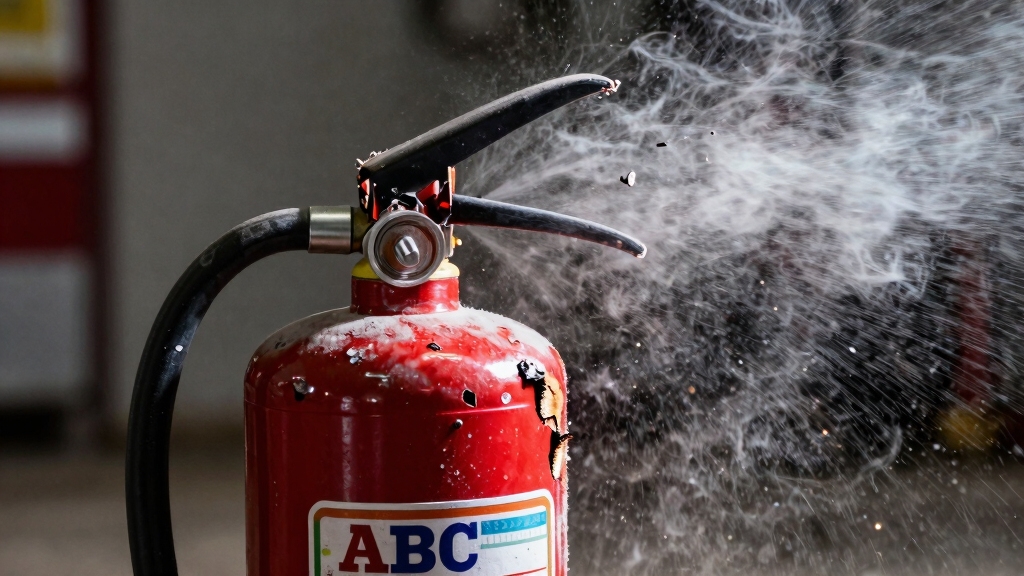

Yes, a fire extinguisher can explode, but it’s rare if you handle and maintain it properly.
Excessive heat, physical damage, or overfilling during servicing can raise internal pressure beyond safe limits, causing rupture.
Corrosion, manufacturing defects, or aging also weaken cylinders, increasing failure risk.
Regular inspections, certified servicing, and proper storage within manufacturer temperature limits help prevent explosions.
Understanding these risks guarantees you keep your extinguisher reliable and safe under all conditions.
Key Takeaways
- Fire extinguishers can explode if exposed to extreme heat, causing internal pressure to exceed design limits.
- Corrosion, dents, or mechanical damage weaken cylinders, increasing rupture and explosion risk under pressure.
- Overfilling or improper servicing can raise internal pressure beyond safe thresholds, leading to potential explosions.
- Manufacturing defects and aging cause material flaws that may fail catastrophically under pressure.
- Regular inspections, certified servicing, and adherence to safety standards prevent explosion hazards.
How Fire Extinguishers Work and Stay Safe?
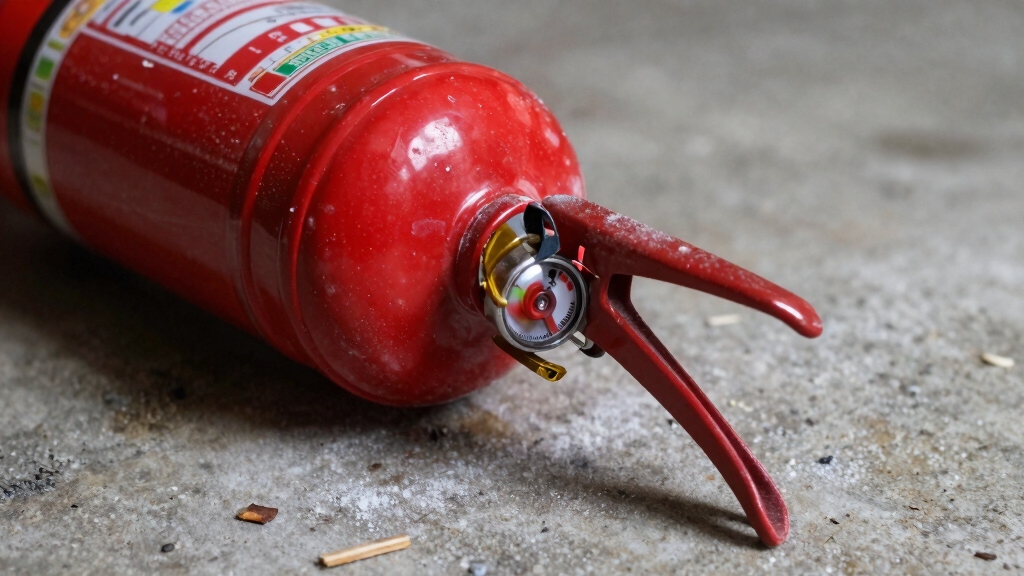
Although fire extinguishers may seem simple, they rely on carefully engineered pressure and chemical agents to function effectively and safely. When you activate one, a controlled release of pressurized extinguishing agent suppresses the fire rapidly.
The cylinder maintains internal pressure typically around 175 psi, well below its tested bursting limit of 1200-1750 psi, ensuring structural integrity. Manufacturers design units with specific temperature ratings (-20°C to +60°C) and incorporate pressure relief valves, especially in CO2 models, to prevent dangerous overpressurization.
You must store extinguishers properly and perform routine inspections, as corrosion, physical damage, or improper servicing can compromise safety. Certified servicing following standards like NFPA guarantees components remain functional and pressure stays within safe limits, minimizing explosion risk.
Your adherence to maintenance protocols keeps these devices reliable and secure. Additionally, built-in pressure relief valves and safety features ensure that excess gas is vented gradually, preventing sudden or catastrophic ruptures.
What Causes Fire Extinguisher Explosions?
So, let’s talk about what causes fire extinguisher explosions. First off, one of the main culprits is excessive heat. When a fire extinguisher gets too hot, the internal pressure can rise way beyond what’s safe, and that’s when things can go wrong.
But it doesn’t stop there! Physical damage is another factor. If a fire extinguisher has dents or corrosion, that can really weaken the cylinder. And guess what? That increases the risk of it rupturing when it’s under pressure.
Oh, and we can’t forget about improper servicing or manufacturing defects. If a fire extinguisher isn’t maintained correctly, or if there’s a flaw in how it was made, its structural integrity can be compromised.
Under stress, that can definitely lead to an explosion. Regular hydrostatic testing is essential to ensure the cylinder can safely withstand internal pressures over time.
Heat Exposure Risks
When fire extinguishers are exposed to high temperatures, the internal gases expand, markedly increasing pressure inside the cylinder. This pressure can surpass the design limits, risking structural failure.
You should be aware that fire extinguishers are rated for a working temperature range of -20°C to +60°C. Exceeding these limits places undue stress on the unit.
Key heat exposure risks include:
Prolonged exposure in vehicles during summer raises internal pressure.
Placement near heat sources accelerates gas expansion.
Temperatures of 300-600°C cause violent explosions in controlled tests.
Pressure may rise from resting 175 psi to bursting thresholds of 1200-1750 psi under extreme heat.
Maintaining proper storage conditions and avoiding heat exposure is critical to prevent catastrophic failure. Additionally, chemical degradation caused by heat can reduce the effectiveness of the fire extinguishing agent, compromising safety during use.
Physical Damage Factors
Beyond heat exposure, physical damage plays a significant role in compromising a fire extinguisher’s integrity.
Corrosion weakens the cylinder walls, creating a high risk of rupture under pressure. Impacts, drops, or dents can cause micro-cracks, which may propagate and increase the likelihood of failure.
While minor dents rarely cause explosions, severe blows markedly raise this risk. Continuous vibration, such as on construction sites, accelerates structural fatigue.
Additionally, mishandling, like inverting the extinguisher, can displace internal components, impairing safety mechanisms.
You must recognize that these physical factors degrade the extinguisher’s ability to contain pressurized agents safely.
Proper maintenance schedule and regular inspections are critical to preventing catastrophic failure beyond thermal stresses.
Thus, avoiding mechanical damage and conducting regular inspections are critical to preventing catastrophic failure beyond thermal stresses.
Servicing And Manufacturing
Improper servicing and manufacturing defects substantially contribute to fire extinguisher explosions. When you rely on uncertified repairs or incorrect refilling, you risk overpressurization or contamination.
Manufacturing flaws may cause cylinder weaknesses that fail under pressure. Additionally, aging and environmental exposure accelerate material degradation, increasing explosion risk.
Key factors include:
- Overfilling during servicing, causing internal pressure beyond design limits.
- Use of nonstandard or incompatible components in repairs.
- Manufacturing defects that introduce structural weaknesses.
- Corrosion and wear due to age or environmental conditions.
To prevent explosions, always ensure servicing follows NFPA and local codes. Use certified technicians and replace extinguishers past their expiration or showing signs of deterioration.
Proper manufacturing standards and adherence to maintenance protocols are critical for safety. Additionally, the presence of corrosion inhibitors in foam formulations helps protect equipment integrity during storage and use, reducing the risk of material failure.
Fire Extinguisher Heat Exposure Risks
Hey there! It’s really important to know how heat can impact a fire extinguisher. You see, when it gets hot, the pressure inside the extinguisher can rise because the gases inside expand. Pretty fascinating, right?
Now, fire extinguishers are built to work safely within a specific temperature range, which is between -20°C and +60°C. If things get hotter than that, you could be looking at some serious pressure buildup, and that’s definitely not what you want. Regular pressure gauge checks can help ensure the extinguisher remains safe and effective despite temperature changes.
Temperature Effects on Pressure
When fire extinguishers are exposed to high temperatures, the internal gases expand, causing the pressure inside to rise markedly. This pressure increase can approach or exceed the extinguisher’s design limits, risking rupture or explosion if unchecked.
You must understand how temperature directly affects pressure to mitigate hazards effectively. Key factors include:
Gas laws dictate that pressure rises proportionally with temperature inside a sealed cylinder. Typical operating temperatures range from -20°C to +60°C. Exceeding this range stresses the extinguisher.
Extreme heat (300-600°C) can cause violent failures during testing due to rapid pressure spikes. Heat exposure in confined spaces, like vehicles on hot days, accelerates internal pressure buildup.
Maintaining temperature awareness is critical to prevent dangerous overpressurization of fire extinguishers. Additionally, OSHA and NFPA 10 recommend placing extinguishers where temperature limits are maintained to ensure safety and effectiveness.
Safe Storage Temperature Range
Understanding how temperature affects internal pressure leads directly to recognizing the importance of adhering to safe storage temperature ranges for fire extinguishers. You must store extinguishers within the manufacturer’s specified limits, typically -20°C to +60°C, to prevent dangerous pressure buildup.
Exposure to extreme heat, such as in vehicles during summer, risks expanding internal gases beyond design thresholds, potentially causing failure.
| Temperature Range | Impact on Fire Extinguisher |
|---|---|
| Below -20°C | Reduced pressure, possible malfunction |
| -20°C to +60°C | Safe operating/storage range |
| Above +60°C | Increased pressure, risk of rupture |
| 300°C to 600°C | Violent explosion in testing |
| Continuous heat exposure | Accelerates aging and corrosion |
Strict compliance with these limits safeguards you against heat-induced risks and guarantees operational reliability. The drawn steel construction of ABC fire extinguishers provides essential structural integrity to withstand pressure variations within this temperature range.
How Physical Damage Can Cause Explosions?
Although fire extinguishers are engineered to withstand substantial pressure, physical damage such as severe dents, impacts, or corrosion can compromise the cylinder’s integrity and lead to rupture.
When the metal walls weaken or develop cracks, the extinguisher can fail catastrophically under internal pressure. You must recognize these key damage factors:
Severe dents or impacts can create stress points prone to cracking.
Corrosion thins cylinder walls, reducing pressure tolerance.
Vibrations from construction or transport may aggravate existing weaknesses.
Improper handling, such as dropping or malicious strikes, risks structural compromise.
Ignoring these risks increases the chance of an explosive failure.
Always inspect extinguishers for visible damage and avoid exposing them to conditions that could worsen physical deterioration.
Regular inspection and maintenance are essential to ensure extinguisher safety and prevent such dangerous failures.
Servicing Errors That Cause Fire Extinguisher Explosions
Since servicing directly impacts a fire extinguisher’s reliability, errors during maintenance can drastically increase the risk of explosion.
When you overfill a cylinder, internal pressure may exceed design limits, causing rupture.
Contaminants introduced during improper refilling can degrade components, leading to malfunction under pressure.
Using untrained personnel or incorrect replacement parts compromises system integrity, potentially resulting in overpressurization or valve failure.
You must make certain servicing complies with NFPA and local codes, including precise pressure checks and post-use evaluations.
Certified technicians verify that pressure levels remain within safe ranges and that seals and valves function correctly.
Neglecting these protocols invalidates warranties and elevates explosion risk.
To maintain safety, always rely on professional servicing to prevent critical errors that compromise extinguisher performance and structural soundness.
Proper inspection and maintenance routines are essential to ensure ongoing safe operation and to minimize the risk of fire extinguisher failure during emergencies.
Manufacturing Defects and Aging Effects on Safety
When manufacturing defects go unnoticed, they create weak points in a fire extinguisher’s structure that can fail under pressure, putting you at risk.
Over time, aging accelerates corrosion, causes leaks, and degrades internal components, compromising safety margins. You must understand these factors to avoid catastrophic failures.
Key concerns include:
Microscopic cracks or material flaws from production weaken cylinder integrity.
Corrosion caused by environmental exposure, especially humidity and UV light.
Degradation of seals and valves reduces pressure containment reliability.
Expired extinguishers fail certification tests, increasing rupture likelihood.
Recognizing these manufacturing and aging effects helps you ensure your extinguisher remains reliable. Always prioritize replacing units past their service life or showing signs of deterioration to maintain maximum safety.
How Routine Inspections Prevent Fire Extinguisher Explosions?
Regularly inspecting your fire extinguisher guarantees early detection of corrosion, pressure anomalies, and physical damage that could compromise its integrity.
You’ll identify weakened cylinder walls, dents, and cracks before they escalate into rupture risks. Monitoring the pressure gauge assures internal pressure remains within safe limits, preventing overpressurization.
Inspections also verify the absence of contamination and confirm the extinguisher is properly sealed and maintained according to NFPA standards.
By spotting signs of aging, you prevent failures due to material degradation or expired components. Routine checks enable timely servicing or replacement, maintaining the extinguisher’s designed bursting pressure tolerance.
Ultimately, your proactive approach reduces explosion risks markedly, assuring operational reliability and compliance with safety codes.
Best Practices to Store and Handle Fire Extinguishers Safely
Although fire extinguishers are designed to withstand significant pressure, improper storage or handling can jeopardize their safety and functionality.
You must control environmental factors and physical impacts to maintain integrity and prevent failures.
Follow these best practices to store and handle extinguishers safely:
Store units within the manufacturer’s specified temperature range (-20°C to +60°C) to prevent pressure build-up.
Avoid placing extinguishers near heat sources or in vehicles exposed to high temperatures.
Handle cylinders carefully to prevent dents, corrosion, and impacts that weaken structural strength.
Use certified servicing to refill or repair; untrained interventions risk overpressurization and malfunction.
Adhering to these measures minimizes explosion risks and guarantees reliable operation during emergencies.
Frequently Asked Questions
Can Different Types of Fire Extinguishers Explode Differently?
Yes, different types of fire extinguishers can explode differently due to their contents and pressure mechanisms.
For example, CO2 extinguishers use high-pressure gas and have pressure relief valves to prevent catastrophic failure.
In contrast, dry chemical units rely on stored pressure in cylinders that can rupture if damaged or overfilled.
You need to handle each type according to its specifications, as variations in design, pressure limits, and chemical properties affect explosion risk and failure modes.
Are Fire Extinguisher Explosions Covered by Insurance?
Imagine your insurance policy as a sturdy dam, designed to hold back unexpected floods.
Whether a fire extinguisher explosion is covered depends on your policy’s fine print.
Typically, standard property or liability insurance covers accidental damage, including rare extinguisher failures, if you’ve maintained and used the device properly.
Negligence or improper handling might void coverage.
Always review your insurer’s terms and document regular extinguisher inspections to guarantee protection.
What Should I Do if a Fire Extinguisher Leaks?
If your fire extinguisher leaks, immediately remove it from service to prevent pressure loss or malfunction.
Avoid using it and place it in a safe, ventilated area away from heat sources.
Contact a certified technician for inspection and repair or replacement.
Do not attempt DIY fixes, as improper handling can increase risks.
Regularly inspect extinguishers to catch leaks early and ensure your safety equipment remains reliable and compliant with standards.
Can Extreme Cold Cause a Fire Extinguisher to Fail?
Extreme cold alone rarely causes a fire extinguisher to fail, but temperatures below -20°C can affect performance.
The propellant pressure may drop, reducing discharge effectiveness. Some extinguishers aren’t rated for freezing conditions, risking internal component damage or fluid separation.
You should store units within manufacturer temperature limits and inspect them regularly, ensuring reliable operation.
Proper maintenance prevents cold-related failures, maintaining extinguisher readiness when you need it most.
How Long Does a Fire Extinguisher Typically Last Before Replacement?
You should replace a fire extinguisher every 5 to 15 years, depending on the manufacturer’s guidelines and local regulations.
Regular inspections help determine if corrosion, damage, or pressure loss shortens its lifespan.
After 12 years, most units require hydrostatic testing to verify cylinder integrity.
Proper servicing and storage prolong usability, but expired or compromised extinguishers must be replaced promptly to guarantee safety and compliance with NFPA and local codes.
Safety First: Turning Risk into Reliable Protection
You rely on fire extinguishers for safety, yet improper handling or unnoticed damage can turn them into hazards themselves.
While these devices are engineered to contain pressure securely, exposure to heat, physical harm, or poor maintenance can cause dangerous failures.
By understanding these risks and committing to regular inspections and careful storage, you transform a potential threat into a reliable protector.
This ensures your extinguisher works precisely when you need it most.