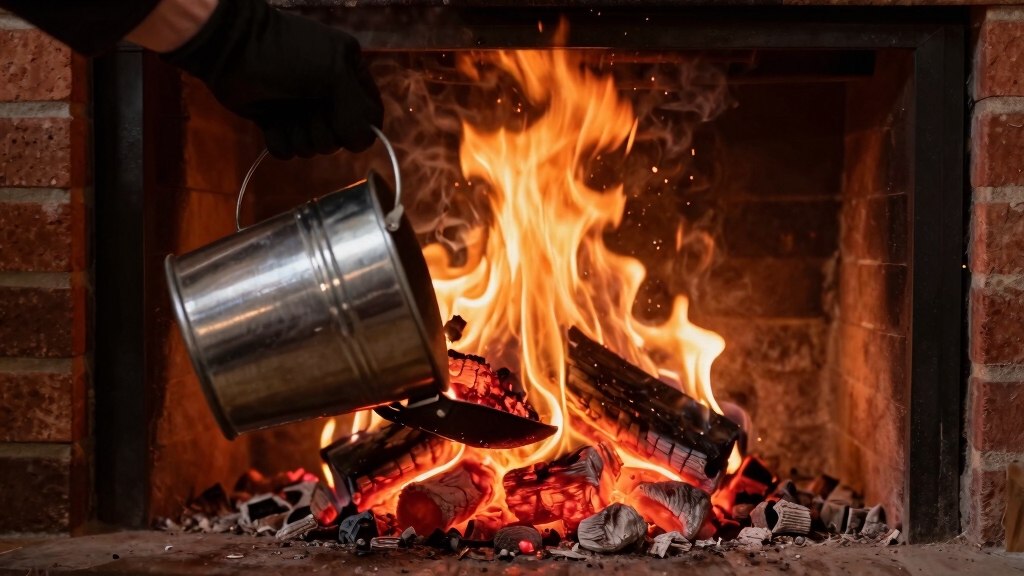

You should wear heat-resistant gloves and keep the fireplace screen in place before stopping fuel additions to let the fire die down naturally.
Use fireplace tools to rearrange logs and spread embers to cool them safely. Smother flames with cooled ashes, baking soda, or sand, avoiding water unless it’s an emergency.
Confirm embers are fully cool before scooping ashes into a metal container and closing the damper securely. Following these steps guarantees safe extinguishing.
There’s more to learn about managing your fireplace effectively.
Key Takeaways
- Wear heat-resistant gloves and keep the fireplace screen in place to prevent burns and flare-ups during extinguishing.
- Stop adding fuel early and spread embers into a flattened mound to promote natural cooling.
- Smother embers with cooled ashes, baking soda, or sand to block air and extinguish flames safely.
- Avoid using water unless in emergencies; if used, sprinkle gradually from a safe distance with a long-handled container.
- Confirm embers and ashes are fully cool before removing ashes and closing the damper to prevent reignition.
Prepare Safely to Extinguish Your Fireplace
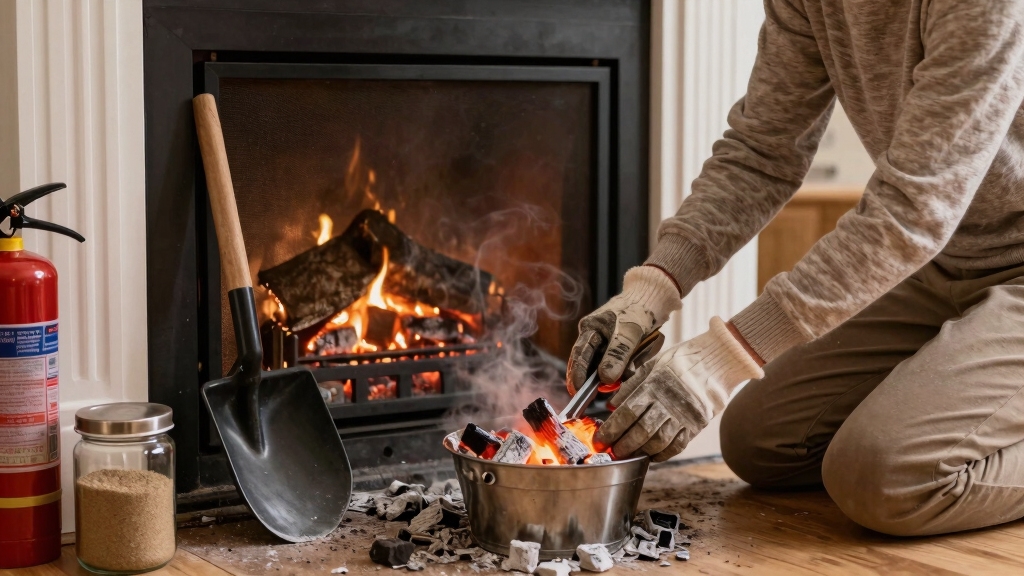
Before you begin extinguishing your fireplace fire, make sure you’re wearing heat-resistant gloves. Avoid loose clothing around your arms and torso to protect yourself from accidental burns and sparks.
Wear heat-resistant gloves and avoid loose clothing to protect against burns and sparks before extinguishing your fireplace fire.
Keep the fireplace screen firmly in place until the fire is fully out to prevent embers from escaping. Stop adding fuel to the fire well in advance so it can naturally die down, reducing active flames and heat.
Make certain the damper stays open during this process to allow smoke to exit safely. This prevents buildup inside your home.
These critical safety steps prepare you to handle the fire responsibly and minimize risks before you proceed with any extinguishing methods. Always prioritize personal safety and proper ventilation right from the start.
Remember that understanding the fire triangle helps you select the best method to safely control the fire.
Manage Embers Using Fireplace Tools
Once you’ve prepared safely by stopping fuel addition and keeping the damper open, it’s time to manage the embers with the right fireplace tools.
First, put on heat-resistant gloves and use a poker or tongs designed for fireplaces to carefully rearrange burning logs.
Spread embers and wood into a flattened mound to promote cooling. Position the hottest logs toward the back of the fireplace to reduce flare-ups near the opening.
Avoid using household items; only use fireplace-rated tools to maintain control and safety.
You can also scoop cool ashes from the fireplace bottom with a shovel, but never disturb embers aggressively, as this may reignite flames.
Keep the fireplace screen in place throughout to protect against sparks or flying embers while you work.
Be mindful that steam or smoke from the fire can potentially trigger nearby smoke detectors, especially those sensitive to photoelectric detection technology.
Smother Fireplace Flames With Ashes, Baking Soda, or Sand
When you want to put out fireplace flames safely, smothering them with cooled ashes, baking soda, or sand can be highly effective.
These materials cut off oxygen, suffocating the fire without causing damage or dangerous steam like water might.
Follow these steps for smothering:
- Heap cooled ashes directly over embers, layering repeatedly to block air.
- Sprinkle a thin, even layer of baking soda; it releases carbon dioxide, helping extinguish flames.
- Use sand as an alternative smothering agent, covering all burning areas fully.
- Keep the fireplace screen in place until the fire is completely out to prevent flare-ups.
This method lets you safely control the fire’s oxygen supply and ensure it burns out cleanly. Avoid using water or other kitchen ingredients, as these can worsen fires similarly to how they affect grease fires.
Handle Emergencies: Use Water and Fire Extinguishers Safely
Although water is commonly used to extinguish fires, you should avoid it in your fireplace except during emergencies.
Rapid cooling can cause thermal shock and damage the structure.
If you must use water, sprinkle it gradually from a safe distance with a long-handled container to minimize risk.
In most emergencies, a fire extinguisher is a safer choice.
Use a multipurpose extinguisher rated for wood fires, aiming at the base of the flames while maintaining a safe distance.
Always wear heat-resistant gloves and keep your face clear of smoke and heat.
Avoid pouring water rapidly or directly on hot logs, as this can crack the fireplace or spread embers.
Prioritize safety and act calmly to control the fire effectively.
For larger fires, use a Class B or Class K fire extinguisher, following the PASS technique to extinguish flames safely.
Confirm Your Fireplace Fire Is Fully Out
When the flames have finally settled down, grab your heat-resistant gloves. It’s time to carefully shift the ashes with your poker. You want to check for any lingering heat or smoldering embers hiding in there.
If you feel any warmth, don’t worry! Just go ahead and repeat the smothering steps until everything is completely cool. It’s super important not to rush this process.
Making sure the fire is fully out is crucial for your safety, so take your time! Always stir ashes gently to check for residual heat before leaving the fireplace unattended.
Check For Residual Heat
Always take the time to thoroughly check for residual heat before considering your fireplace fire fully extinguished. Residual heat can reignite embers, posing a fire risk. To confirm your fire is out, follow these steps:
- Wear heat-resistant gloves to protect your hands from burns.
- Use a poker to gently shift ashes and embers, exposing any hidden heat.
- Feel cautiously for warmth above the ashes without touching directly.
- If you detect any heat, apply smothering techniques and wait longer before rechecking.
This careful inspection makes certain no smoldering embers remain. Never rush this step, as overlooking residual heat can lead to accidental fires. Only when you’re confident the fireplace is cold should you proceed with ash removal or closing the damper. Always ensure proper ventilation and detector placement to avoid false alarms and maintain safety.
Shift Ashes Carefully
Gently shift the ashes and embers with your poker to expose any hidden heat beneath the surface.
Wear heat-resistant gloves to protect your hands as you carefully move the ashes, ensuring you don’t disturb the fireplace screen.
Look for any glowing embers or warmth that might indicate the fire is still active.
If you detect heat, continue smothering techniques before proceeding.
Avoid stirring ashes too vigorously to prevent spreading dust or reigniting embers.
Confirming the fire is fully out at this stage is critical for safety.
Only when you’re certain no residual heat remains should you consider removing ashes or closing the damper.
This careful inspection prevents accidental fires and guarantees your fireplace is truly extinguished before you finish cleanup.
Regular chimney cleaning to remove creosote buildup is essential for preventing future fire hazards and ensuring proper ventilation. fireplace maintenance
Repeat Smothering Steps
If you detect any lingering heat or embers while inspecting the ashes, you’ll need to repeat the smothering steps to fully extinguish the fire. Confirming complete extinguishment prevents dangerous flare-ups and guarantees safety.
Follow these steps to repeat smothering effectively:
- Heap cooled ashes over any warm embers to block oxygen.
- Sprinkle a thin layer of baking soda to suffocate remaining flames.
- Use sand as an alternative if baking soda isn’t available.
- Maintain the fireplace screen until you’re certain the fire is out.
Always wear heat-resistant gloves when handling ashes or tools. After smothering, inspect again for residual heat. Repeat as needed until no warmth remains.
This guarantees your fireplace fire is completely extinguished and safe. Water’s ability to cool fuel by absorbing heat and reducing temperature below ignition helps prevent re-ignition after smothering.
Clean Up and Secure Your Fireplace After Extinguishing
Once the fire is completely out and the ashes have cooled down, go ahead and scoop them into a metal container. This way, you can avoid any risk of reignition.
It’s important to take this step seriously!
After that, don’t forget to close the damper. This helps keep cold air from sneaking in and keeps everything safe.
And lastly, make sure to store your fireplace tools properly. Keeping the area organized will make it all set for your next fire!
For added safety, always ensure you have an accessible portable fire extinguisher nearby in case of unexpected flare-ups.
Ash Removal Safety
After confirming that all embers and ashes have fully cooled, you should scoop the ashes into a metal container specifically designed for ash storage. Handling ashes prematurely risks burns and accidental fires.
To guarantee safety when removing ashes:
- Wear heat-resistant gloves to protect your hands from residual heat.
- Use a fireplace shovel to transfer ashes; avoid household tools that can ignite or break.
- Store the metal container away from flammable materials and outdoors if possible.
- Never use plastic buckets or bags, as these can melt or catch fire from hot ashes.
Following these steps helps prevent re-ignition and protects your home.
Proper ash removal and storage are critical for maintaining a safe and efficient fireplace environment. Always ensure you have steady footing and clear the area beneath you before beginning ash removal to protect your safety.
Damper Closure Importance
Although your fire may seem fully extinguished, closing the damper too soon can trap lingering smoke and heat inside your home. Always keep the damper open until you’re certain every ember and ash is completely cool.
This allows any residual smoke and gases to escape safely through the chimney, preventing unpleasant odors and potential health hazards indoors. Once you’ve confirmed no warmth remains by carefully checking with heat-resistant gloves and shifting ashes with your poker, close the damper securely.
Closing it at this stage seals your fireplace, stopping cold drafts and conserving your home’s heat. Neglecting this step risks smoke damage and inefficient heating.
Tool Storage Tips
Before storing your fireplace tools, make sure they’re completely cool and free of ash or soot. This prevents damage and keeps your storage area clean.
Follow these steps to maintain your tools properly:
- Wipe each tool with a dry cloth to remove any residual ash or moisture.
- Store tools in a designated rack or holder near the fireplace for easy access.
- Keep tools away from damp areas to prevent rusting or corrosion.
- Inspect tools regularly for wear or damage and replace if necessary to ensure safety.
Frequently Asked Questions
How Often Should I Inspect My Chimney for Safety?
You should inspect your chimney at least once a year to guarantee safety. Annual inspections help catch creosote buildup, blockages, or structural damage early.
If you use your fireplace heavily, consider checking it twice a year. Always hire a certified professional for thorough assessments.
Regular inspections prevent fire hazards, guarantee proper ventilation, and keep your home safe. Don’t wait for problems; schedule inspections proactively to maintain peak chimney function.
What Types of Wood Burn Safest in a Fireplace?
Imagine warm, steady flames crackling with clean smoke.
You’ll want hardwoods like oak, maple, or hickory. They burn longer and hotter, producing less creosote buildup.
Avoid softwoods like pine, which spark and leave sticky residue that clogs your chimney.
Season your wood thoroughly; dry for at least six months to guarantee efficient burning and minimize smoke.
Using the right wood keeps your fireplace safe, efficient, and your home air fresh and comfortable.
Can Fireplace Ashes Be Used in the Garden?
Yes, you can use fireplace ashes in your garden, but you need to be careful.
Wood ashes are alkaline and rich in potassium, which benefits certain plants.
Avoid applying ashes directly to acid-loving plants like blueberries or azaleas.
Always wait until ashes are completely cool before handling.
Sprinkle them thinly and evenly to prevent soil pH imbalance.
Using ashes properly improves soil structure and nutrient content without harming your garden.
How Do I Prevent Smoke From Entering the Room?
To prevent smoke from entering your room, always keep the damper fully open before and during the fire.
Use a properly fitting fireplace screen to control airflow and block sparks.
Make certain your chimney is clean and free of obstructions for peak draft.
Avoid overloading the fire with fuel, which can cause incomplete combustion and smoke.
Finally, position logs to promote efficient burning and always maintain proper ventilation in the room.
What Maintenance Extends the Life of Fireplace Tools?
To extend the life of your fireplace tools, you should clean them regularly, removing ash and soot after each use.
Store them in a dry place to prevent rust, and avoid using them for tasks they aren’t designed for.
Inspect tools for damage and tighten loose parts promptly.
Wearing heat-resistant gloves while handling helps prevent burns and accidental drops, preserving their condition and ensuring safe, long-lasting use.
nding the Fire with Confidence and Care
Now that you’ve safely extinguished your fireplace fire, you’re like a skilled conductor bringing an orchestra to a gentle close. Each step matters.
Managing embers, smothering flames, and confirming the fire’s fully out guarantees your home stays safe and warm. Always clean up thoroughly and secure the area to prevent any unexpected sparks.
With these clear, precise actions, you’ll confidently put out your fireplace fire every time, protecting your home and loved ones.