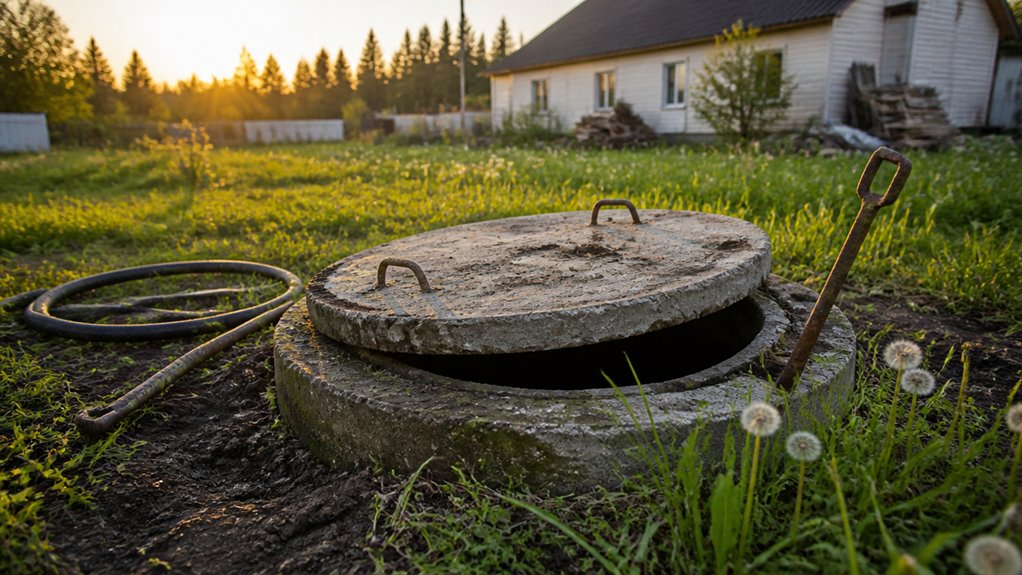

You can typically go three to five years without pumping your septic tank, depending on factors like household size, tank capacity, water use, and soil conditions.
Larger families or heavy water use shorten this interval, while bigger tanks and conservative habits extend it.
Using a garbage disposal or having an older tank usually means more frequent pumping.
Neglecting maintenance can lead to costly failures.
Understanding these variables helps you optimize your septic system’s lifespan and performance.
Key Takeaways
- Septic tanks typically need pumping every 3 to 5 years for average households to prevent system overload and failures.
- Household size and water usage significantly affect pumping frequency, with larger families requiring more frequent pumping.
- Using a garbage disposal can shorten pumping intervals to about once a year due to increased solid waste.
- Soil type and climate influence sludge buildup, with poor drainage soils and wet climates requiring more frequent pumping.
- Ignoring pumping can cause backups, odors, drain field damage, and costly repairs due to sludge and scum accumulation.
How Often Should a Septic Tank Be Pumped for Average Households?
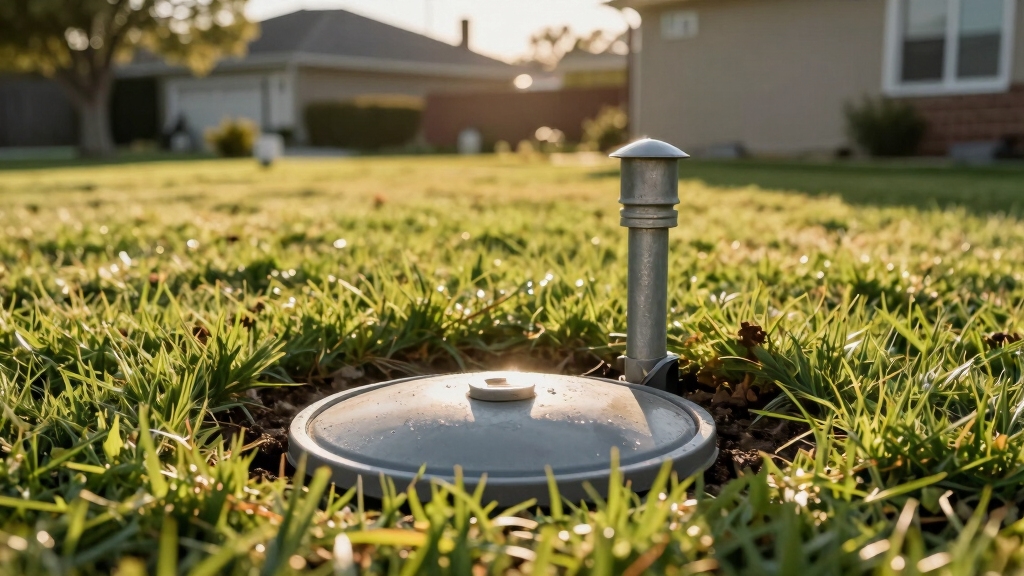
Typically, you should pump your septic tank every 3 to 5 years if you have an average household. This interval aligns with EPA guidelines recommending inspections every 1 to 3 years and pumping every 3 to 5 years to maintain system efficiency.
For homes without a garbage disposal, agencies like MassDEP advise pumping at least once every 3 years to prevent sludge accumulation. Professional consensus generally targets 2 to 3 years for active families of four due to increased solid waste production.
Complying with these schedules helps prevent solids from entering the drain field and reduces the risk of costly failures. Regular pumping maintains holding capacity and guarantees proper waste separation, preserving the septic system’s functionality and longevity within typical usage parameters. Regular inspections by a septic professional at least every three years are also recommended to assess sludge levels and system integrity.
How Household Size Changes Septic Tank Pumping Frequency?
Household size directly influences how often you need to pump your septic tank. The volume of waste produced increases with more residents.
The more occupants you have, the faster solids accumulate, shortening the interval between pumpings. For instance, a single person can often wait 4–5 years.
Larger families of five or more should pump every 2–3 years to prevent system overload.
| Household Size | Pumping Frequency |
|---|---|
| 1–2 residents | Every 4–5 years |
| 3–4 residents | Every 3–4 years |
| 5+ residents | Every 2–3 years |
| Family of 4 (active) | About every 1.5 years |
Adjust your pumping schedule accordingly to maintain system efficiency and avoid costly failures. Regular septic tank pumping is essential to prevent solids from exceeding 30–50% of tank capacity and causing backups.
Why Tank Size Matters for Septic Tank Pumping Intervals?
Frequently overlooked, tank size plays a crucial role in determining how often you need to pump your septic system.
Larger tanks provide greater holding capacity, allowing solids to accumulate more slowly. For example, a standard 1,000-gallon tank typically requires pumping every 3 to 5 years under average use.
In contrast, a 1,500-gallon tank can extend this interval to 4 to 7 years. The tank’s volume directly affects the sludge accumulation rate and the time before solids reach critical levels that threaten the drain field.
A 1,500-gallon tank extends pumping intervals by reducing sludge buildup and protecting the drain field longer.
Properly sized tanks maintain effective separation between solids and effluent, delaying system failure. When selecting or evaluating your septic tank, consider how its capacity aligns with your household size to optimize pumping frequency and prevent premature maintenance issues.
Regular inspections every 3 to 5 years are essential to evaluate sludge levels and maintain system integrity.
How Water Use Habits Affect Septic Tank Maintenance?
Water use habits directly influence how often you need to pump your septic tank. Excessive water flow accelerates sludge accumulation, reducing the interval between pumpings. Conserving water helps maintain peak tank function and extends maintenance periods.
Consider these key factors affecting your septic system:
- High water use, such as frequent laundry or long showers, forces more frequent pumping. This can be every 2–3 years.
- Conservative water use extends pumping intervals. Tanks may safely go 4–5 years without service under low consumption.
- Leaks in toilets or faucets create continuous flow, overloading the system hydraulically and increasing sludge buildup rate.
Additionally, monitoring septic tank condition through inspection caps and risers can help identify when pumping is necessary before problems arise.
How Garbage Disposals Affect Pumping Frequency?
Garbage disposals substantially increase the rate of solid waste entering your septic tank, which demands more frequent pumping to prevent system overload.
Using a garbage disposal raises solid waste in your septic tank, requiring more frequent pumping to avoid overload.
When you use a disposal, food particles and organic matter enter the tank, accelerating sludge accumulation and reducing the effective capacity.
This increased solid load disrupts natural bacterial breakdown, causing rapid sediment buildup.
As a result, pumping intervals must shorten significantly, typically to once a year, compared to the 3 to 5 years recommended for households without disposals.
Ignoring this adjustment risks solids passing into the drain field, leading to costly failures.
To maintain peak function, you should monitor usage closely and schedule pumping proactively.
This ensures your system handles the higher organic load without compromising longevity or performance.
Regular inspections and timely pumping are essential to protect the soil dispersal system and prevent environmental contamination.
Signs Your Septic Tank Needs Pumping
You can tell your septic tank needs pumping when you notice slow drains, odors around the tank or drain field, or unusually lush grass growth above the system.
These signs indicate solids may be nearing the tank’s holding capacity or that the drain field is compromised. To confirm, watch for these key indicators:
1. Slow Drains and Backups
Wastewater drains sluggishly when sludge or scum restricts flow. This signals the tank’s filling up.
2. Foul Odors
Persistent smells near the tank or drain field suggest trapped gases from decomposing solids.
3. Lush Vegetation
Overly green, spongy grass above the drain field often means effluent is surfacing due to system overload.
Addressing these signs promptly prevents damage and maintains peak septic function. It is important to schedule professional inspection and pumping when these warning signs appear to restore system capacity and avoid costly repairs.
What Happens If You Don’t Pump Your Septic Tank?
Frequently overlooked, failing to pump your septic tank can lead to serious system malfunctions.
When sludge and scum build up beyond capacity, solids clog pipes and enter the drain field. This causes blockages and system backups.
This reduces the tank’s ability to separate solids and liquids, resulting in premature failure and costly repairs.
| Consequence | Cause | Result |
|---|---|---|
| Solids clog pipes | Excess sludge accumulation | Drain field blockage |
| Baffle damage | Solid overflow | Reduced separation efficiency |
| Biomat overload | Excessive organic matter | Soil absorption failure |
| Drain field failure | Hydraulic overload | Sewage backups and surface pooling |
| System backup | Blocked outflow | Health hazards and odors |
Neglect accelerates failure and increases maintenance costs. Proper maintenance typically involves regular inspections every 3–5 years to evaluate sludge levels and prevent such issues through timely pumping and repairs of septic system components.
Why Older Septic Tanks Need More Frequent Pumping?
As septic tanks age, their internal components and overall efficiency tend to degrade. This requires more frequent pumping to maintain peak function.
You’ll notice older tanks accumulate solids faster and lose their separation capacity. This increases the risk of solids entering the drain field.
Here are three critical reasons why you should pump older tanks more often:
- Sediment buildup narrows baffles and pipes, causing blockages and reduced flow.
- The tank’s structural integrity weakens, leading to cracking or leaks that impair function.
- Biological activity declines, slowing sludge breakdown and accelerating accumulation.
Regular maintenance and monitoring can extend the service life and prevent costly failures related to environmental wear effects.
How Soil and Climate Affect Septic Tank Pumping?
When it comes to septic tank pumping, soil permeability is a big deal. It directly impacts how well your septic system drains, which in turn affects how often you need to pump it. If the soil drains slowly, you might find yourself needing to pump more frequently.
Now, let’s talk about climate. It plays a crucial role, too! Soil moisture levels and drainage capacity can change quite a bit with the seasons. For instance, heavy rains can saturate the soil, making it harder for your system to process waste. This might lead to quicker sludge buildup, meaning you’ll have to adjust your pumping schedule accordingly. Additionally, proper venting ensures balanced air pressure and oxygen exchange, which supports system function and can influence pumping frequency through maintaining leach field performance.
Soil Permeability Impact
Although septic tank pumping intervals primarily depend on household factors and tank capacity, soil permeability and local climate markedly influence system performance and maintenance needs.
When soil permeability is low, effluent drainage slows, increasing biomat buildup and stressing the drain field. Conversely, highly permeable soils allow faster liquid dispersal, reducing sludge backup risks.
Consider these impacts:
- Clay or compacted soils with poor permeability cause frequent inspections and potentially shorter pumping intervals due to system overload.
- Sandy or gravelly soils permit efficient effluent absorption, often extending the time between pumpings.
- Soil saturation levels affect absorption rates, influencing sludge accumulation and necessitating adaptive maintenance schedules.
Understanding your soil’s permeability helps you anticipate septic system demands and schedule pumpings more effectively. Additionally, hydraulic overload from excessive water usage can saturate soil, halting aerobic treatment and increasing the risk of system failure.
Climate Influence On Drainage
Since climate directly affects soil moisture and temperature, it plays an essential role in septic system drainage efficiency and sludge decomposition rates. High soil moisture from frequent rainfall slows effluent percolation, increasing the risk of system overload.
Conversely, dry climates enhance drainage but can limit microbial activity, slowing sludge breakdown. Temperature variations influence bacterial metabolism. Warmer conditions accelerate decomposition, extending pumping intervals, while colder climates retard it, necessitating more frequent maintenance.
| Climate Type | Soil Moisture Impact | Effect on Pumping Interval |
|---|---|---|
| Humid | High moisture retention | Shorter intervals (3 years) |
| Arid | Low soil moisture | Longer intervals (4–7 years) |
| Temperate | Moderate moisture levels | Standard intervals (3–5 years) |
| Cold | Low microbial activity | Shorter intervals (2–3 years) |
| Tropical | High moisture, warm temps | Variable; frequent inspections |
Seasonal Variations Effects
Variations in seasonal weather markedly influence soil conditions and septic system performance, directly impacting how often you’ll need to pump your tank.
During wet seasons, saturated soil slows effluent absorption. This causes increased hydraulic load and faster sludge buildup. In colder months, microbial activity decreases, slowing sludge decomposition and potentially shortening pumping intervals.
Dry seasons improve soil permeability but can lead to system stress if water use remains high.
Consider these seasonal effects on pumping frequency:
- Increased rainfall elevates water table levels, reducing drain field efficiency and requiring more frequent pumping.
- Winter cold suppresses bacteria, slowing sludge breakdown and necessitating earlier maintenance.
- Dry, hot periods may concentrate solids but also improve soil percolation, allowing slightly longer intervals.
Adjust your pumping schedule accordingly to maintain system health year-round.
Tips to Extend Time Between Septic Tank Pumpings
You know, one way to stretch the time between septic tank pumpings is by conserving water. When you use less water, it really helps lighten the load on your system, which can slow down sludge buildup.
Also, if you can, try to limit or even stop using your garbage disposal. It might seem convenient, but it actually sends a lot more solid waste into the tank, which can cause issues down the line.
Water Conservation Practices
Regularly practicing water conservation can markedly extend the interval between septic tank pumpings by reducing the volume of wastewater and solids entering the system.
To optimize your septic system’s longevity, focus on these key practices:
- Limit water usage by spreading out laundry loads and avoiding excessive water flow. This decreases hydraulic overload and sludge accumulation rates.
- Repair leaks promptly, including dripping faucets and running toilets. This prevents unnecessary water entering the tank and overwhelming treatment capacity.
- Install water-efficient fixtures such as low-flow toilets and showerheads. This reduces daily wastewater volume, thereby slowing sludge build-up and extending pumping intervals.
Garbage Disposal Management
Garbage disposals can markedly speed up sludge buildup in septic tanks, requiring more frequent pumpings to maintain system health. To extend time between pumpings, limit disposal use, avoid fibrous or starchy wastes, and consider composting. Proper management reduces solids entering the tank, slowing sludge accumulation.
| Garbage Disposal Use | Pumping Frequency | Impact on Tank Health |
|---|---|---|
| Heavy | Annual | Rapid sludge buildup, risk of clogging |
| Moderate | Every 2-3 years | Manageable solids, moderate sludge growth |
| Minimal or None | Every 3-5 years | Slower sludge accumulation, longer intervals |
| Composting waste | Extended | Minimal solids, ideal septic function |
Following these practices helps maintain system efficiency and prevents premature failure.
Frequently Asked Questions
Can Additives Replace Regular Septic Tank Pumping?
No, additives can’t replace regular septic tank pumping. While some products claim to break down solids or reduce sludge, they don’t eliminate the need for pumping.
You still must remove accumulated solids to prevent system failure. Relying solely on additives risks drain field clogging and costly repairs.
Regular inspections and pumping based on your household size and tank capacity remain essential to maintain your septic system’s proper function and longevity.
How Does Septic Pumping Impact Local Groundwater Quality?
Septic pumping prevents solids from overflowing into the drain field, which protects local groundwater quality.
When you pump regularly, you reduce the risk of untreated waste seeping into soil and contaminating groundwater with pathogens and nutrients like nitrogen and phosphorus.
Neglecting pumping causes system failure, leading to polluted water sources.
What Equipment Do Professionals Use for Septic Tank Pumping?
Think of your septic tank like a treasure chest filled with sediment gold. You need the right tools to retrieve it without damage.
Professionals use a combination of vacuum trucks, high-capacity pumps, and long hoses to safely extract sludge and scum. They often deploy inspection cameras to assess tank conditions beforehand.
This precise equipment guarantees efficient, thorough pumping, preventing clogs and system failures while maintaining your home’s sanitation integrity.
Are There Health Risks During Septic Tank Pumping?
Yes, there are health risks during septic tank pumping. You’re exposed to harmful pathogens and gases like hydrogen sulfide and methane, which can cause respiratory issues or poisoning.
Direct contact with sewage can lead to infections or skin irritation. That’s why professionals use protective gear, ventilate the area, and follow strict safety protocols.
Avoid inhaling fumes or touching waste to minimize your risk during the pumping process.
Can Septic Tank Pumping Be Done During Winter Months?
Yes, you can pump your septic tank during winter months.
However, freezing temperatures may complicate access to the tank’s lid and pipes. You’ll need proper equipment and possibly insulation or heating measures.
Professionals often use heated pumping trucks or thaw the ground first to avoid damage.
Scheduling pumping before severe cold sets in helps, but with precautions, winter pumping is feasible.
This guarantees your system keeps functioning safely year-round.
Know When Your Septic Tank Needs Pumping
You can’t just forget your septic tank indefinitely. It’s not a magic pit where waste disappears!
How often you pump depends on your household size, tank capacity, water use, and even climate. Ignoring maintenance risks costly failures and environmental hazards.
By understanding these factors and following best practices, you can confidently extend time between pumpings without turning your septic system into a ticking time bomb.
Stay proactive, and your septic tank will serve you efficiently for years.