
You should keep space heaters at least 3 feet from anything flammable and plug them directly into outlets.
Turn them off when you leave or sleep.
Schedule annual inspections for your heating system and chimney to prevent buildup or leaks.
Use fireplaces and wood stoves safely by maintaining clearances and disposing of ashes properly.
Check holiday lights for damage and never leave candles unattended.
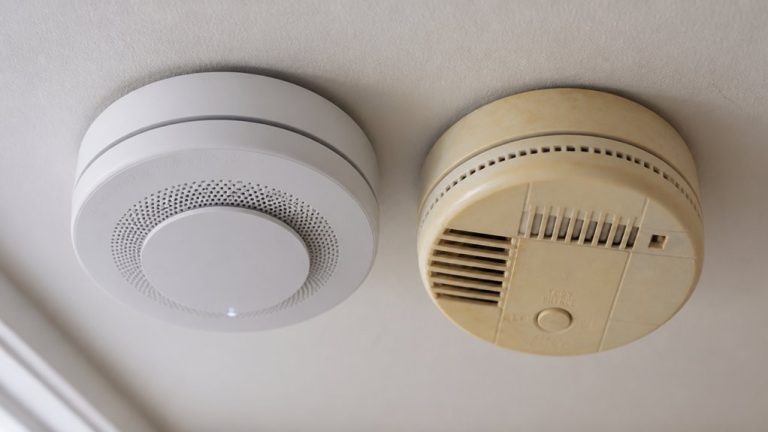
Have a clear fire escape plan and test smoke alarms monthly.
These essential tips help you reduce winter fire risks and protect your home effectively.
Key Takeaways
- Keep space heaters at least 3 feet from combustibles and place them on hard, flat surfaces away from wet areas.
- Schedule annual inspections for heating systems and chimneys to detect hazards and clean creosote buildup.
- Never leave fireplaces or wood stoves unattended and use protective screens to contain sparks and embers.
- Inspect holiday lights for damage, avoid overloading circuits, and always turn off lights when unattended or sleeping.
- Install and test smoke alarms monthly, plan escape routes with at least two exits per room, and practice fire drills regularly.
Winter Fire Risks: Causes and Statistics
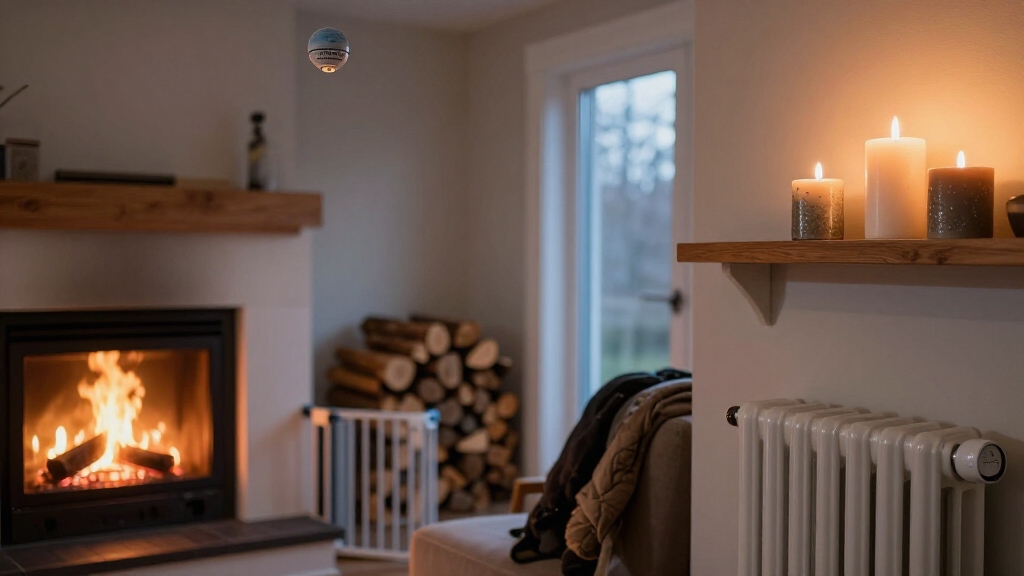
Although winter brings cozy warmth, it also raises the risk of fires, especially from heating equipment.
Winter’s cozy warmth comes with increased fire risks from heating equipment.
Nearly half of heating equipment fires occur between December and February, with U.S. fire departments responding to over 37,000 annually.
These fires represent 11% of all home fires and result in about 417 civilian deaths, 1,260 injuries, and $1.2 billion in property damage each year.
Portable heaters cause a smaller portion of these fires but account for a disproportionately high number of fatalities, highlighting the need for vigilance.
Understanding these statistics helps you recognize the serious risks associated with heating devices during winter.
This emphasizes the importance of proper use and maintenance to protect your home and family from potentially deadly incidents.
Using local storage for security footage can help monitor fire hazards effectively without ongoing costs.
Using Space Heaters Safely
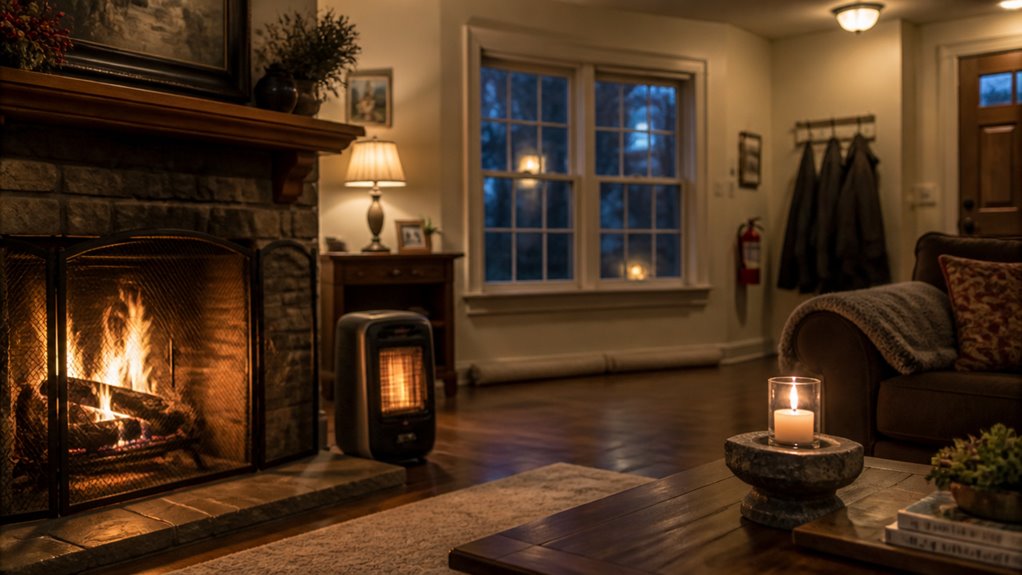
When you set up a space heater, make sure to keep it at least 3 feet away from anything that can catch fire, such as curtains, furniture, or bedding.
Place your heater on a hard, flat surface, not on carpet, furniture, or bedding, to prevent overheating.
Always plug your space heater directly into a wall outlet; avoid using extension cords or power strips as they increase fire risk.
Turn off the heater when you leave the room or go to sleep to avoid unattended operation.
Keep the heater away from wet areas like bathrooms or sinks to prevent electrical hazards.
Ensure that the area around the heater is regularly inspected and cleaned to remove any dust or debris buildup that could increase fire hazards, following a proper cleaning and maintenance routine.
How to Maintain Your Heating System and Chimneys?
Schedule annual inspections and cleanings for your heating systems and chimneys by a qualified professional to guarantee safe and efficient operation.
Before winter’s peak, have your furnace, boiler, or heat pump examined to identify and resolve potential hazards like gas leaks or faulty wiring.
Chimneys demand thorough cleaning to remove creosote buildup, which can ignite and cause dangerous fires.
Keep combustible materials at least three feet away from all heating devices, including radiators and portable heaters.
If you detect unusual odors, smoke, or notice poor heating performance, arrange for immediate professional service.
Regular maintenance not only reduces fire risks but also extends your system’s lifespan and improves energy efficiency.
This ensures your home stays warm and secure throughout the cold season.
Additionally, consider installing smoke alarms following NFPA guidelines to provide early warning in case of fire emergencies.
Keeping Your Fireplace and Wood Stove Safe
You’ll want to keep a good three feet of space between your fireplace or wood stove and anything flammable, like decorations or furniture. It’s all about safety!
And remember, always keep an eye on your fires. Never leave them unattended or let them burn overnight. It’s just not worth the risk.
When it comes to disposing of ashes, make sure they’re completely cool first. You definitely don’t want to accidentally start a fire from something that should be long gone!
Also, be aware that smoldering embers can retain heat for hours or even days, so it’s important to thoroughly soak and stir ashes to prevent reignition.
Fireplace Clearance Guidelines
To make certain safety around your fireplace or wood stove, maintain a clearance of at least 3 feet between these heat sources and any combustible materials such as furniture, decorations, or curtains.
This minimum distance reduces fire risk by preventing heat from igniting nearby objects.
Always keep the area around your fireplace or stove free from clutter.
Follow these key clearance guidelines:
- Store firewood and kindling at least 3 feet away to avoid accidental sparks igniting them.
- Keep stockings, decorations, and any flammable items outside the 3-foot safety zone.
- Use a protective screen to contain sparks and prevent embers from reaching combustible surfaces.
In addition, always position your fireplace or stove with a clear exit behind it for quick escape and follow proper fire safety practices.
Safe Fire Management
Managing your fireplace or wood stove fire safely means staying vigilant at all times. Always use a sturdy screen to contain sparks and never leave the fire unattended.
Keep flammable items like decorations and firewood at least 3 feet away. Make sure your chimney and stove are inspected and cleaned annually by professionals.
| Action | Distance to Keep Clear | Frequency |
|---|---|---|
| Flammable items | 3 feet | Always |
| Chimney inspection | N/A | Once a year |
| Fire supervision | N/A | Constant |
Maintain proper airflow and only burn dry, seasoned wood. If you notice unusual smoke or odors, stop using the fire and call a professional for service immediately. For enhanced safety, consider integrating dual-sensor fire devices with your home alarm system to provide early fire detection and alerts.
Ash Disposal Practices
Although ashes may seem harmless once the fire dies down, they can retain heat for many hours and pose a serious fire risk if not handled properly. To keep your fireplace and wood stove safe, follow these essential ash disposal practices:
- Always wait at least 24–48 hours to make sure ashes are fully cooled before handling.
- Use a metal container with a tight-fitting lid to store ashes temporarily; never use combustible containers like paper or plastic.
- Place the metal container on a noncombustible surface, away from your home and any flammable materials, until you can dispose of the ashes safely.
Additionally, consider using local storage alternatives for important safety recordings to ensure critical footage is preserved without relying solely on cloud services.
How to Safely Use Holiday Lights and Decorations?
Before you hang your holiday lights, take a moment to check all the cords and bulbs for any damage. This is super important to prevent any electrical hazards. You definitely don’t want to start your festive season with a safety issue!
When it comes to securing the lights, opt for clips instead of nails or staples. Clips are a much safer choice since they won’t harm the wiring—plus, they keep everything looking neat and tidy.
And here’s a little tip: always turn off your decorations when you leave the house or head to bed. It’s a simple way to reduce the risk of fire and keep your home safe while you enjoy the holidays!
Additionally, using certified LED products with built-in protections can further reduce the risk of electrical fires and ensure safer holiday lighting.
Inspect Lights And Cords
Start by carefully inspecting all holiday lights, plugs, and extension cords before you use them each season.
Damaged cords or loose connections can cause sparks or fires, so never overlook this step.
Replace any worn or frayed wires immediately to prevent electrical hazards.
Follow these essential tips to keep your decorations safe:
- Look for cracked sockets, broken bulbs, or exposed wires and discard any compromised strands.
- Test lights in a safe area before installation to verify they function properly and don’t overheat.
- Use only lights rated for indoor or outdoor use as appropriate, avoiding mixing types to reduce risk.
Also, ensure to disconnect power before maintenance to prevent accidental activation and maintain electrical safety.
Safe Hanging And Usage
When hanging holiday lights, use clips instead of nails or staples. This helps prevent damage to the cords and reduces fire hazards.
Always ensure that lights are rated for indoor or outdoor use as intended. Avoid overloading circuits by plugging too many strings together.
Never use extension cords that show wear or damage. Turn off all decorative lights when you leave or go to bed to minimize fire risk.
Winter Candle Fire Safety Tips
Frequently overlooked, candle safety plays a crucial role in preventing winter fires.
You must treat candles with respect, especially during the festive season when decorations abound.
Never leave candles unattended or burn them near flammable materials.
Always stay present with burning candles and keep them away from anything flammable.
Follow these essential tips to keep your home safe:
- Always place candles at least 3 feet away from curtains, decorations, and other combustible items.
- Blow out all candles before leaving a room or going to bed to prevent unattended flames.
- Use sturdy, non-flammable holders that won’t tip over easily. Keep candles on stable surfaces.
In case of a small fire, having baking soda nearby can help smother flames quickly and safely.
Creating and Practicing a Winter Fire Escape Plan
Although winter fires can spread quickly, having a well-designed fire escape plan markedly improves your chances of safely evacuating your home.
Begin by identifying at least two exits from every room, guaranteeing all family members know them well.
Clear pathways of snow, ice, or obstacles that might hinder quick escape.
Designate a safe outdoor meeting spot away from the house, so everyone can be accounted for.
Practice your escape plan twice a year, including during winter conditions, to reinforce familiarity and speed.
Test all smoke alarms monthly to guarantee they’re functioning properly.
Remember to keep exits, doors, and windows clear of snow and decorations during winter months.
A practiced, clear fire escape plan can save lives when seconds matter most.
Emergency Steps to Take If a Winter Fire Starts
Having a practiced fire escape plan prepares you to act quickly. Knowing the immediate steps to take if a winter fire starts can make all the difference in protecting yourself and your loved ones.
When flames ignite, act decisively and follow these essential steps:
- Alert and evacuate: Sound the alarm by shouting “Fire!” and evacuate everyone immediately. Use your planned escape routes; never use elevators.
- Call for help: Once safely outside, call 911 or your local emergency number. Provide clear information about the fire’s location.
- Stay out and stay safe: Don’t re-enter the building. Wait for firefighters and inform them if anyone is missing or trapped.
Following these actions promptly reduces injury and saves lives during winter fires.
Frequently Asked Questions
Can Pets Trigger Space Heater Fires?
Yes, pets can trigger space heater fires by accidentally knocking them over or pushing flammable objects close to the heater.
You should keep space heaters at least 3 feet away from anything that can burn. Place them on stable, hard surfaces to prevent tipping.
Always supervise pets around heaters and never use extension cords.
Turning off heaters when you leave the room or sleep further reduces fire risks caused by pets.
Are Electric Blankets Safer Than Space Heaters?
Yes, electric blankets are generally safer than space heaters, but you still need to use them carefully.
Electric blankets don’t pose the same open-flame risk that space heaters do, but they can overheat or cause burns if left on too long or folded.
Always follow the manufacturer’s instructions, avoid using old or damaged blankets, and never use them with pets or children unsupervised.
Regular inspection and proper use keep you safer.
How Often Should Smoke Alarms Be Replaced?
You might think smoke alarms last forever since they quietly sit on your ceiling. But they don’t.
You should replace your smoke alarms every 10 years to make certain they’re working properly. Over time, sensors can degrade or become less sensitive.
Don’t wait for a false sense of security; install new alarms promptly. Regular testing is great, but replacing them on schedule is what truly keeps you safe.
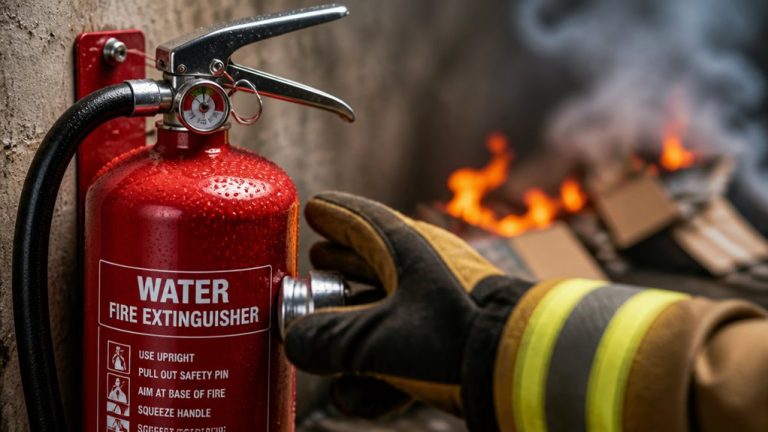
What Is the Best Fire Extinguisher Type for Home Heating Fires?
For home heating fires, you want a multi-purpose fire extinguisher labeled ABC.
This type handles common household fires, including those involving wood, paper, flammable liquids, and electrical equipment.
Since heating fires often involve combustible materials or electrical components, an ABC extinguisher provides the versatility you need.
Make sure you know how to use it properly and keep it accessible near heating equipment to act quickly in an emergency.
Can Humidifiers Reduce Winter Fire Risks?
You might think humidifiers are fire extinguishers in disguise, but they don’t directly reduce winter fire risks.
However, by adding moisture to dry indoor air, they can prevent static electricity buildup and keep wood furniture and flooring from becoming overly dry and brittle.
These conditions can contribute to fire hazards. So, while humidifiers aren’t a fire prevention tool themselves, they support a safer, less flammable environment during winter months.
Keep Your Home Warm and Safe Throughout Winter
As winter wraps you in its cozy embrace, don’t let fire hazards cloud your comfort.
By handling heaters, fireplaces, and decorations with care, you’re not just staying warm; you’re safeguarding your sanctuary.
Remember, a well-maintained home and a practiced escape plan are your best allies against unexpected flames.
Stay vigilant, keep your loved ones close, and enjoy the season with peace of mind, knowing you’ve done all you can to prevent fire’s unwelcome visit.