
Yes, you can get carbon monoxide (CO) from a fireplace, especially if combustion is incomplete or ventilation is poor.
CO forms when wood, gas, or charcoal doesn’t burn fully due to damp fuel, blocked chimneys, or closed dampers.
This odorless, colorless gas binds to your blood more effectively than oxygen, posing deadly risks.
If your fireplace isn’t maintained or used properly, CO may build up dangerously indoors. Understanding the causes and safety measures is essential to protect yourself and your household.
Key Takeaways
- Fireplaces can produce carbon monoxide due to incomplete combustion of wood, charcoal, or gas fuel.
- Blocked chimneys, creosote buildup, or closed dampers can cause CO to leak into living spaces.
- Vent-free fireplaces pose a higher risk of carbon monoxide exposure as they lack proper exhaust ventilation.
- Carbon monoxide is odorless and colorless, making exposure from fireplaces hard to detect without alarms.
- Proper maintenance, open dampers, and CO alarms significantly reduce the risk of carbon monoxide poisoning from fireplaces.
Why Carbon Monoxide From Your Fireplace Can Be Deadly?
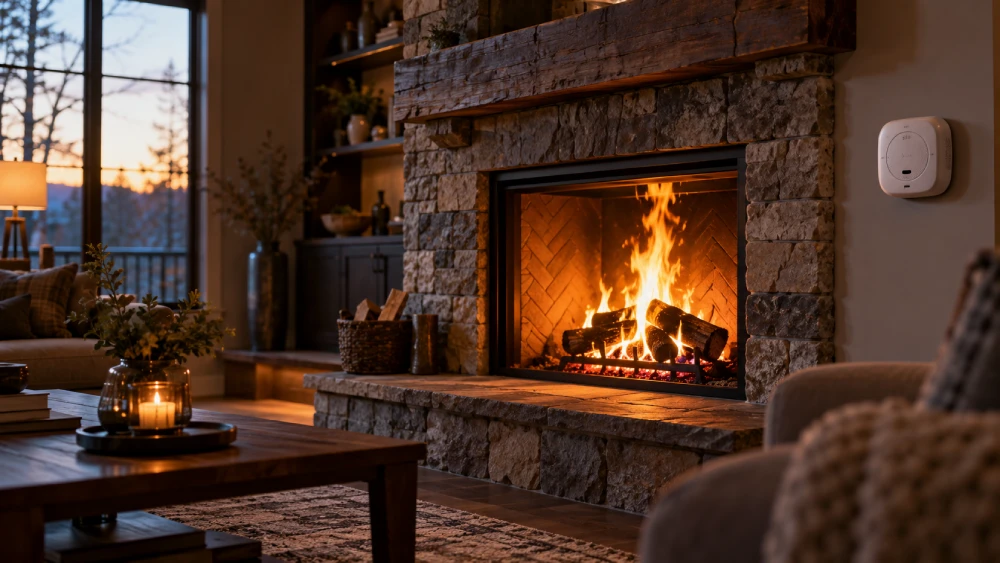
Because carbon monoxide (CO) is colorless, odorless, and undetectable by human senses, you can be exposed to dangerous levels from your fireplace without realizing it.
Carbon monoxide’s invisible nature makes fireplace exposure dangerously undetectable until symptoms arise.
CO binds to hemoglobin in your blood more effectively than oxygen, reducing oxygen delivery to crucial organs.
Early symptoms, such as headache, dizziness, and nausea, mimic flu but lack fever, often delaying diagnosis.
Prolonged exposure impairs coordination, causes confusion, and may lead to loss of consciousness, respiratory failure, or death.
Sleeping near a fireplace or in poorly ventilated rooms increases risk, as symptoms can develop unnoticed.
You must recognize that CO poisoning can escalate rapidly and requires immediate action.
Installing CO alarms and ensuring proper ventilation are essential to prevent fatal consequences linked to invisible carbon monoxide exposure from your fireplace.
If your CO alarm sounds, you should evacuate immediately and call emergency responders to keep yourself and your household safe.
How Your Fireplace Can Create Carbon Monoxide?
Understanding how your fireplace produces carbon monoxide helps you identify and prevent conditions that cause dangerous gas buildup.
When wood, charcoal, or gas burns incompletely, your fireplace emits carbon monoxide, a colorless, odorless gas.
Incomplete combustion often occurs if fuel is damp, the fire lacks oxygen, or burning conditions are poor.
If your chimney or flue is blocked, creosote accumulates, or the damper closes prematurely, combustion gases can back-draft into your living space instead of venting outside.
Vent-free fireplaces pose a higher CO risk since they rely on room air for combustion and lack proper exhaust.
Keeping your damper fully open during use and ensuring clear, unobstructed ventilation are critical to preventing CO accumulation in your home.
Neglecting maintenance on wood-burning stoves or fireplaces causes blocked chimneys or poor drafting, which leads to CO leakage into living spaces.
Warning Signs You Might Have Carbon Monoxide Poisoning
If you experience symptoms like headache, dizziness, nausea, or chest pain while using your fireplace, you might be facing carbon monoxide poisoning.
Other warning signs include weakness, confusion, shortness of breath, and vomiting.
Pay attention if multiple people in your home show similar symptoms simultaneously.
Notice if symptoms improve after leaving the area, which strongly suggests CO exposure from combustion gases.
A sounding carbon monoxide alarm demands immediate action. Evacuate right away and seek emergency help.
Never ignore flu-like symptoms without fever during fireplace use, as they often mask CO poisoning.
Early recognition is critical because prolonged exposure can cause severe neurological damage or death.
If you suspect poisoning, get fresh air immediately and call emergency services for medical evaluation and response.
Improper venting or maintenance of your fireplace can increase the risk of carbon monoxide accumulation indoors.
Preventing Carbon Monoxide Buildup in Fireplaces
Recognizing the warning signs of carbon monoxide exposure is only the first step. Preventing CO buildup in your fireplace is key to maintaining a safe indoor environment.
Always keep your fireplace damper fully open during use and until the fire and embers are completely cool to guarantee proper ventilation.
Schedule annual inspections and cleanings of your chimney, flue, and fireplace by a certified professional to remove creosote, debris, and blockages that can cause back-drafting.
Use only properly seasoned firewood, avoiding charcoal or inappropriate fuels that increase incomplete combustion.
Never operate vent-free fireplaces in closed rooms or while sleeping.
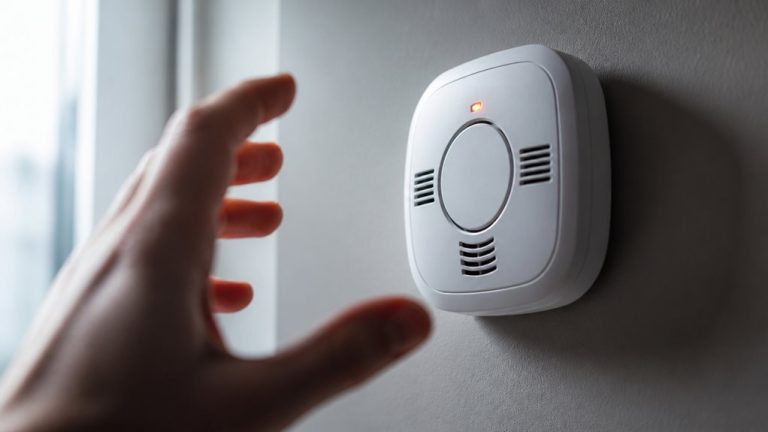
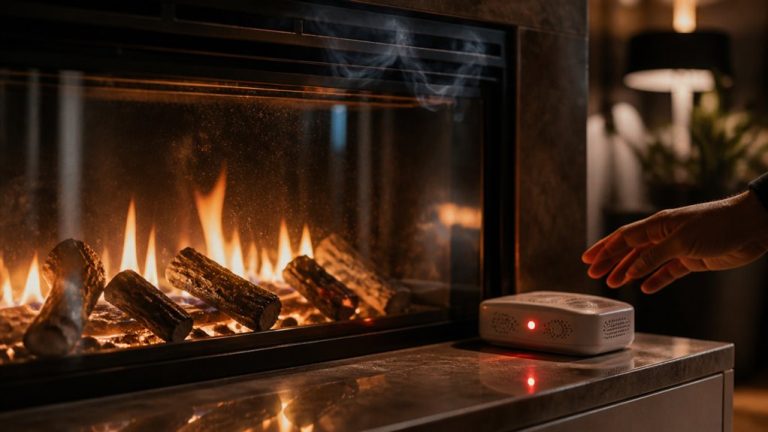
Install carbon monoxide alarms on every floor, especially near sleeping areas, and test them regularly.
These precautions minimize the risk of CO accumulation and protect your home from dangerous exposure.
Regular maintenance reduces creosote buildup, which can accelerate CO production by altering combustion efficiency and trapping gases.
What to Do If You Suspect Carbon Monoxide Exposure?
When you suspect carbon monoxide exposure, immediately move to fresh air and leave the building without delay to prevent further inhalation of the toxic gas.
Once outside, call emergency services if anyone experiences severe symptoms such as unconsciousness, difficulty breathing, or collapse.
Do not re-enter the home until it has been professionally cleared of carbon monoxide.
Even if symptoms seem mild, seek medical evaluation promptly, as delayed effects can occur.
After medical care, arrange for a qualified professional to inspect the fireplace, chimney, and other combustion appliances to identify and correct the source of carbon monoxide.
For ongoing safety, ensure you have a properly placed carbon monoxide detector installed near sleeping areas and fuel-burning appliances to provide early warning of dangerous gas levels.
Frequently Asked Questions
Can Electric Fireplaces Produce Carbon Monoxide?
No, electric fireplaces don’t produce carbon monoxide because they don’t involve combustion.
Since they run on electricity, there’s no burning of fuel like wood or gas that creates CO gas. You can use them safely indoors without worrying about carbon monoxide buildup.
However, make sure your electric fireplace is installed correctly and maintained well to avoid electrical hazards. Always follow the manufacturer’s guidelines for safe operation and ventilation.
How Often Should I Replace My Carbon Monoxide Alarm Batteries?
You should replace your carbon monoxide alarm batteries at least once a year to ensure reliable operation.
Many alarms beep periodically to signal low battery, so replace batteries immediately when you hear these alerts.
Some modern alarms use sealed, long-life batteries that last up to 10 years, but check your model’s instructions.
Regularly test your alarm monthly to confirm it’s functioning properly, and never ignore any low-battery warning signals.
Is a Gas Fireplace Safer Than a Wood-Burning One Regarding CO?
You might think gas fireplaces are completely safe, but they still pose CO risks if not properly vented and maintained.
Compared to wood-burning fireplaces, gas units generally produce less carbon monoxide because combustion is more controlled.
However, incomplete burning or blocked vents can cause dangerous CO buildup.
Always keep dampers open, guarantee proper ventilation, and install CO alarms.
Regular inspections are essential regardless of the fireplace type to protect your safety.
Can Using a Fireplace Increase My Home Insurance Rates?
Yes, using a fireplace can increase your home insurance rates, especially if it’s wood-burning or unvented. This is due to higher fire and carbon monoxide risks.
Insurers may require safety upgrades like chimney inspections, CO detectors, or proof of maintenance to mitigate hazards.
However, a properly installed, well-maintained gas fireplace with safety features mightn’t markedly impact your premiums.
Always notify your insurer about fireplace installation to ensure accurate coverage and compliance.
What Types of Firewood Produce the Least Carbon Monoxide?
You’ll produce the least carbon monoxide by burning hardwoods like oak, maple, hickory, and ash because they burn hotter and more completely.
Avoid softwoods like pine or fir, which contain more resin and create more incomplete combustion, increasing CO emissions.
Always use properly seasoned firewood with moisture content below 20%. Wet wood burns inefficiently, producing more carbon monoxide.
Proper ventilation and maintenance are critical to minimizing CO risks regardless of wood type.
Protect Your Home From Fireplace Carbon Monoxide Risks
Don’t let carbon monoxide silently creep into your home like an unseen shadow. Your fireplace, while cozy, can produce this deadly gas if not properly maintained.
Stay vigilant for warning signs, make certain regular inspections, and install reliable detectors. Taking these precise steps will keep your indoor air safe and prevent carbon monoxide buildup.
Remember, prevention is your best defense against this invisible threat lurking in the warmth of your fire.