
You’ll typically find carpet cheaper upfront than vinyl flooring, with installed costs often half those of luxury vinyl planks. Carpet materials generally run $1.50–$5.50 per sq ft, while vinyl planks range $1.50–$5.50 or higher.
Installation for vinyl requires more precise prep, raising labor expenses. Carpet also needs more frequent replacement and maintenance, increasing long-term costs.
Understanding these trade-offs will help you weigh immediate savings against overall value.
Key Takeaways
- Carpet materials generally cost less per square foot than vinyl, especially compared to luxury vinyl planks (LVP).
- Carpet installation is typically cheaper and less complex than vinyl flooring installation.
- Total installed carpet costs often range from $2 to $8 per sq ft, while vinyl flooring ranges $3.50 to $13.50 per sq ft.
- Vinyl flooring lasts longer and requires less maintenance, potentially lowering long-term expenses despite higher upfront costs.
- Carpet requires more frequent replacement and cleaning, increasing lifetime costs compared to more durable vinyl flooring.
Choosing Between Carpet and Vinyl Flooring: What You Need to Know?
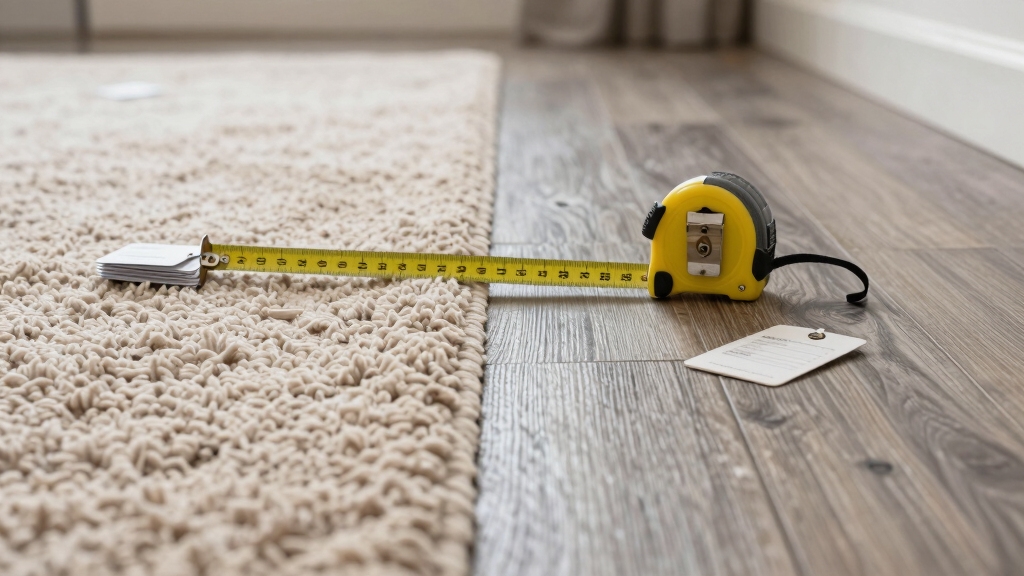
When choosing between carpet and vinyl flooring, you need to weigh several critical factors including upfront costs, installation complexity, durability, and long-term maintenance.
Carpet typically involves lower material costs but requires more frequent replacement, roughly every 10 to 15 years.
Vinyl flooring, particularly luxury vinyl plank (LVP), incurs higher initial expenses but offers superior longevity and resilience.
Installation of vinyl tends to be more labor-intensive and costly due to precise subfloor preparation and specialized tools.
In contrast, carpet installation is generally quicker and less complex.
Maintenance also diverges markedly: carpet demands regular deep cleaning and is prone to staining, while vinyl requires minimal upkeep and resists moisture damage.
Evaluating these technical elements will help you make an informed decision based on your specific functional needs and budget constraints.
Regular carpet maintenance schedules including spot cleaning and biannual deep cleaning are essential to prolong the life and appearance of carpet.
How Upfront Costs Compare for Carpet and Vinyl Flooring?
When you’re looking at upfront costs for flooring, it’s pretty interesting to see how carpet and vinyl stack up against each other. For starters, carpet materials usually fall in the range of $1.50 to $12 per square foot.
On the flip side, vinyl is a bit more budget-friendly, ranging from $1.50 to $5.50 per square foot. So right off the bat, you can see how this could impact your initial budget.
Now, let’s talk about installation costs. This is where things start to differ quite a bit. Carpet installation typically averages between $2 to $8 per square foot. But when it comes to vinyl, you might be looking at higher costs, with installation ranging from $4 to $16 per square foot. That’s a pretty significant difference!
When you put both material and labor together, your total initial investment can really vary. It all depends on the grade of the product you choose and how complex the installation is. So, make sure to keep those factors in mind as you plan your flooring project!
Material Price Differences
Compare the upfront material costs of carpet and vinyl flooring to make an informed decision for your project.
Carpet material prices generally range from $1.50 to $4 per square foot, with polyester carpets near $3 and nylon at about $5.50. Wool carpets can reach up to $12 per square foot.
Vinyl flooring, however, spans a broader range: sheet vinyl starts around $1.50, vinyl composition tile at $2.50, and vinyl plank averages $4.50, with luxury vinyl plank peaking near $5.50 per square foot.
While mid-grade carpet materials are typically less expensive than vinyl planks, luxury vinyl’s durability influences its higher initial price.
Your choice should factor in these material price variations to align with budget constraints and desired flooring performance.
Installation Cost Variations
Although both carpet and vinyl flooring involve installation expenses beyond material costs, vinyl generally demands higher upfront investment due to more complex labor and supplies.
Carpet installation typically runs $2 to $8 per square foot, with labor and supplies adding $1 to $3.
In contrast, vinyl plank installation ranges from $4 to $16 per square foot, with labor and supplies costing between $2 and $6 per square foot.
This difference stems from vinyl’s preparation needs, such as subfloor leveling and adhesive application, which require specialized skills and materials.
Carpet installation is often quicker and requires less surface preparation, reducing labor intensity.
When budgeting, you should anticipate that vinyl’s upfront installation costs will exceed carpet’s, reflecting the technical demands of achieving a precise, durable vinyl finish.
Total Initial Investment
Evaluating the total initial investment requires combining both material and installation costs to understand the full upfront expense for carpet and vinyl flooring.
Carpet materials typically range from $1.50 to $4 per square foot, with installation adding $2 to $8 per square foot, resulting in a total installed cost between $2 and $8 per square foot.
Vinyl plank materials cost between $1.50 and $5.50 per square foot, while installation costs range from $4 to $16 per square foot, pushing total installed costs to $3.50–$13.50 per square foot.
Mid-grade carpet with padding can install at approximately $2 per square foot, making carpet generally less expensive upfront.
However, vinyl plank flooring’s higher initial cost reflects its durability. You’ll find carpet often offers lower upfront expenses, but vinyl demands a larger initial investment.
What Installation Costs Look Like for Carpet and Vinyl Flooring?
Understanding the installation costs for carpet and vinyl flooring is essential for accurate budgeting. Carpet installation generally runs between $2 and $8 per square foot, including labor and supplies.
Vinyl flooring installation is pricier, typically $4 to $16 per square foot, influenced by material type and complexity.
| Flooring Type | Installation Cost (per sq ft) |
|---|---|
| Carpet | $2 – $8 |
| Vinyl Plank | $4 – $16 |
| Mid-grade Carpet with Padding | ~$2 |
Labor and supplies add approximately $1–$3 for carpet and $2–$6 for vinyl. Mid-grade carpet with padding offers a cost-effective installation option around $2 per square foot.
Vinyl’s higher installation costs reflect precision cutting and subfloor preparation, unlike carpet’s quicker, less labor-intensive process.
Keep in mind that additional service call fees may apply depending on the installer’s policies and location.
How Durability and Maintenance Affect Long-Term Flooring Costs?
When it comes to flooring, you might want to consider how durability and maintenance can really shape your long-term costs. For instance, carpet usually needs to be replaced every 10 to 15 years. That’s not too long, right? On the other hand, vinyl flooring can last for several decades, especially if you take good care of it.
Now, let’s talk about maintenance costs. With carpet, you often end up shelling out money for professional cleaning and replacing the padding. Those expenses can really pile up over time.
But with vinyl, the upkeep is a lot lower, and since it lasts longer, it typically means you spend less in the long run. So, when you’re thinking about your overall flooring investment, it’s clear that vinyl might just be the smarter choice!
Considering washable and reusable filters as an analogy, choosing materials that require less frequent replacement and care can significantly reduce both environmental impact and expenses over time.
Lifespan And Replacement
Although carpet may cost less upfront, its shorter lifespan and maintenance demands can increase your long-term flooring expenses.
Carpet typically needs replacement every 10–15 years, while vinyl flooring, especially luxury vinyl plank (LVP), can last multiple decades with proper care. This difference impacts your total cost of ownership, as frequent carpet replacements add labor and material costs.
Vinyl’s durability reduces replacement frequency, lowering long-term expenditures despite higher initial costs.
| Flooring Type | Lifespan (Years) | Replacement Frequency (Years) |
|---|---|---|
| Carpet | 10–15 | Every 10–15 |
| Standard Vinyl | 15–20 | Every 15–20 |
| Luxury Vinyl | 25+ | Every 25+ |
| Vinyl Sheet | 15–20 | Every 15–20 |
Maintenance Expenses Impact
Since durability directly influences maintenance needs, it plays a critical role in determining long-term flooring expenses.
Carpet typically requires more frequent cleaning, stain treatments, and eventual replacement every 10–15 years due to wear and fiber degradation.
You’ll spend on vacuuming supplies, professional steam cleaning, and spot removal products.
Conversely, luxury vinyl flooring offers superior resilience and resists scratches, moisture, and stains, reducing maintenance frequency and cost.
Vinyl’s smooth surface allows easier cleaning with standard mops and mild detergents, minimizing upkeep efforts.
Over decades, vinyl’s low maintenance demands translate to lower total expenses despite higher initial costs.
When evaluating flooring, consider that carpet’s upfront savings are often offset by higher ongoing maintenance and replacement expenses.
Vinyl’s resilience guarantees a more cost-effective long-term investment through reduced upkeep and extended lifespan.
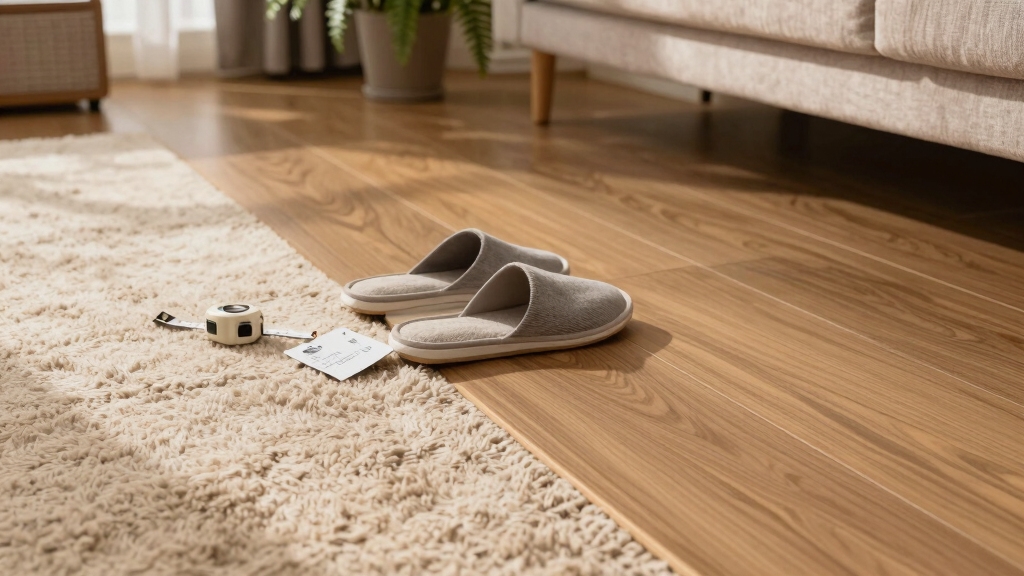
Proper installation with accurate measurements and clearances also contributes to vinyl flooring’s durability and maintenance efficiency.
Which Flooring Lasts Longer: Carpet or Vinyl?
When comparing the longevity of carpet and vinyl flooring, vinyl clearly outperforms carpet in durability and lifespan.
Vinyl flooring, especially luxury vinyl planks, can last several decades if maintained properly, resisting moisture, stains, and wear.
Carpet, by contrast, typically requires replacement every 10 to 15 years due to fiber degradation, staining, and matting.
The synthetic fibers in most carpets degrade faster under foot traffic and exposure to spills, while vinyl’s tough composition withstands these conditions more effectively.
Additionally, vinyl’s resistance to fading and its moisture barrier contribute to its extended service life.
While carpet may provide initial cost savings, its shorter lifespan results in more frequent replacements.
Consequently, if longevity is your priority, vinyl offers a more durable, longer-lasting flooring solution compared to carpet.
Cost Ranges for Popular Carpet and Vinyl Flooring Types
Understanding the lifespan differences between carpet and vinyl sets the stage for evaluating their cost ranges.
Carpet material costs typically range from $1.50 to $4 per square foot, with nylon carpets reaching up to $5.50 and wool as high as $12.
Installation adds $2 to $8 per square foot. Overall, carpet installation costs fall between $2 and $8 per square foot.
Vinyl flooring, meanwhile, spans a wider range: sheet vinyl starts at $1.50, vinyl composition tile at $2.50, and vinyl planks from $1.50 to $5.50 per square foot.
Installation for vinyl runs higher, approximately $4 to $16 per square foot. Total installed costs for vinyl are generally $3.50 to $13.50 per square foot.
Real-Life Price Examples for Carpet and Vinyl Installation
Although carpet generally costs less upfront, you’ll find that real-life installation expenses illustrate the price gap between carpet and vinyl more clearly.
For example, installing 500 square feet of carpet typically totals between $1,400 and $2,600, factoring in materials ($2–$5 per square foot) and labor ($1–$3 per square foot).
In contrast, luxury vinyl plank (LVP) installation for the same area ranges from $2,200 to $3,500, with materials averaging $4.50 to $5.50 per square foot and installation costs between $2 and $6 per square foot.
Mid-grade carpet with padding installs around $2 per square foot, while mid-line vinyl plank installation can reach $4 per square foot.
These figures highlight that vinyl’s upfront investment is roughly double that of mid-range carpet in many cases.
How Vinyl Flooring Offers Better Long-Term Value Than Carpet?
Choosing vinyl flooring over carpet can substantially reduce your long-term expenses due to vinyl’s superior durability and lower maintenance requirements.
Vinyl flooring typically lasts several decades, whereas carpet often needs replacement every 10–15 years. This longevity means you avoid frequent replacement costs and disruptions.
Consider these key factors:
- Durability: Vinyl resists stains, scratches, and moisture better than carpet, reducing repair and replacement frequency.
- Maintenance: Vinyl requires minimal upkeep; simple cleaning suffices. Carpet demands regular deep cleaning to maintain appearance and hygiene.
- Return on Investment (ROI): Although vinyl’s initial cost may be higher, its extended lifespan and reduced maintenance lead to lower total lifetime costs.
When Carpet Flooring Can Be the Cheaper Choice Despite Higher Upkeep?
While vinyl flooring offers longer durability and lower maintenance costs, carpet can still be the more affordable option upfront, especially when budget constraints prioritize initial expenses over long-term savings.
Carpet material costs range from $1.50 to $4 per square foot, with installation typically between $2 and $8 per square foot, totaling an average installed cost of $3 to $4 per square foot.
In contrast, vinyl plank installation can cost nearly double, averaging $4 to $16 per square foot installed.
If your priority is minimizing initial outlay for a 500-square-foot space, carpet may cost $1,400 to $2,600, while vinyl plank runs $2,200 to $3,500.
Despite higher upkeep and replacement every 10–15 years, carpet’s lower upfront cost makes it a viable choice when immediate budget limits outweigh long-term durability benefits of vinyl.
Frequently Asked Questions
How Do Carpet and Vinyl Flooring Compare in Terms of Environmental Impact?
You’ll find that carpet usually has a higher environmental impact due to synthetic fibers and a shorter lifespan, leading to more frequent replacements.
Vinyl flooring, made from PVC, poses concerns with toxic chemical production and disposal but lasts longer, reducing waste.
If you prioritize sustainability, look for carpets made from natural fibers or vinyl options certified for low VOC emissions. Both require mindful disposal to minimize ecological harm.
Can Vinyl Flooring Be Installed Over Existing Carpet?
Laying vinyl flooring over carpet is like planting a garden atop rocky soil—it’s possible, but not ideal.
Vinyl requires a flat, stable base for proper adhesion and durability. Carpet’s softness and uneven texture can cause vinyl planks or sheets to buckle, separate, or wear prematurely.
For best results, you should remove the carpet, make certain the subfloor is clean and level, then install the vinyl flooring to guarantee longevity and performance.
What Are the Allergy Considerations for Carpet Versus Vinyl Flooring?
You should know carpet tends to trap allergens like dust, pet dander, and mold, which can worsen allergy symptoms.
Vinyl flooring, being non-porous and smooth, resists allergen accumulation and is easier to clean thoroughly.
If you suffer from allergies or asthma, vinyl flooring offers a more hypoallergenic environment by preventing allergen buildup.
Carpet requires frequent deep cleaning to maintain good indoor air quality and reduce allergen exposure.
How Do Carpet and Vinyl Flooring Affect Indoor Air Quality?
Carpet can trap dust, allergens, and VOCs, potentially lowering indoor air quality if not regularly cleaned. You’ll need a high-efficiency vacuum and frequent maintenance to reduce these pollutants.
Vinyl flooring, on the other hand, releases fewer VOCs once cured and doesn’t trap allergens, making it easier to maintain better air quality.
However, some vinyl products emit VOCs initially, so choosing low-VOC certifications is essential for healthier indoor environments.
Are There Specific Cleaning Products Recommended for Carpet Versus Vinyl?
You should use carpet-specific cleaners with enzymes or oxygen-based stain removers to break down organic stains without damaging fibers.
For vinyl, opt for pH-neutral cleaners or mild detergents to avoid surface wear or discoloration.
Avoid abrasive scrubbing on vinyl and steer clear of harsh chemicals like bleach on both surfaces.
Regular vacuuming for carpet and gentle mopping for vinyl maintain cleanliness without compromising material integrity.
Make the Flooring Choice That Saves You More Over Time
While carpet often comes with a lower upfront price, vinyl flooring outperforms it in durability, maintenance, and long-term value. You might save initially with carpet, but higher upkeep and shorter lifespan can increase overall costs.
Conversely, vinyl’s resilience and easier maintenance translate into fewer replacements and repairs. Ultimately, choosing between carpet and vinyl hinges on whether you prioritize immediate savings or a more cost-effective investment over time.