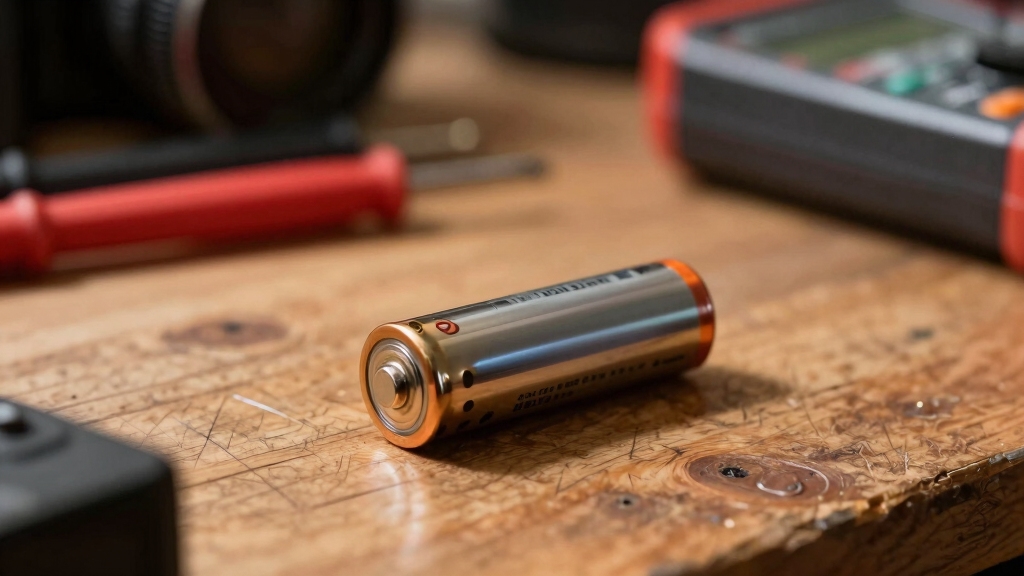

A 9V battery‘s life varies widely. Expect 25 to 500 hours based on its chemistry and your device’s power draw.
Alkaline types generally last 50 to 200 hours, while lithium batteries can extend runtime up to 500 hours with low-drain devices.
Rechargeables provide 100 to 300 hours per charge cycle but need recharging after multiple uses. High current draw dramatically reduces runtime.
To optimize usage and choose the right battery, understanding these factors is essential for tailored performance.
Key Takeaways
- Typical 9V alkaline batteries last between 50 and 200 hours depending on device power consumption.
- Lithium 9V batteries provide longer runtimes, from 100 up to 500 hours in low-drain devices.
- Higher device current draw drastically reduces 9V battery life; measure in milliamps to estimate runtime.
- Rechargeable NiMH 9V batteries offer 100 to 300 hours per charge with hundreds of recharge cycles.
- Smoke detectors can run 1 to 3 years on a single 9V battery due to low current draw (5–10 mA).
How Long Does a 9V Battery Typically Last?
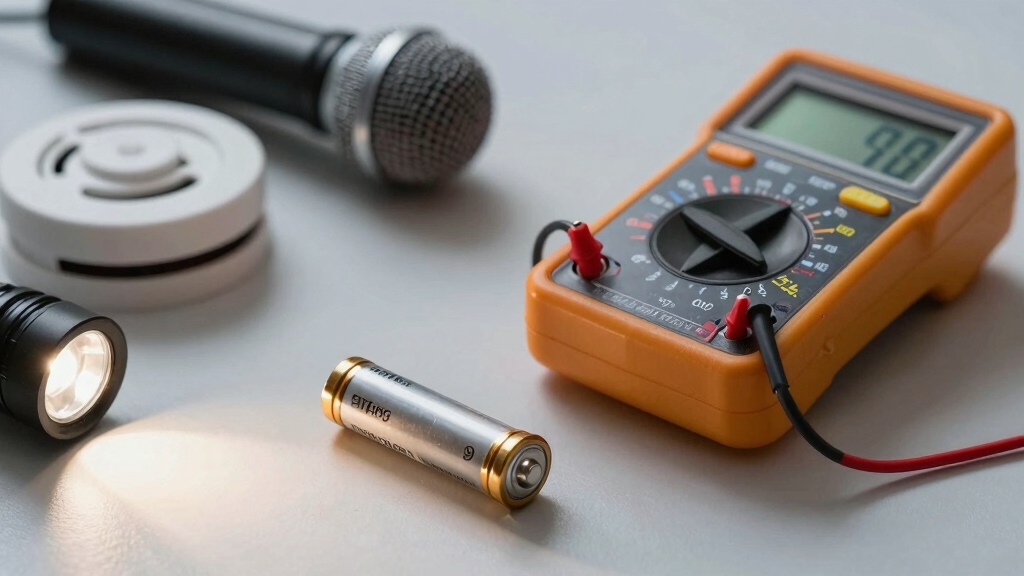
Typically, a 9V battery lasts anywhere from 25 to 500 hours depending on its chemistry and application.
9V battery life ranges widely from 25 to 500 hours, depending on type and usage.
You’ll find zinc-carbon batteries delivering roughly 25 to 50 hours, about half the lifespan of alkaline types, which provide 50 to 200 hours.
Lithium variants extend usage markedly, ranging from 100 up to 500 hours due to higher energy density.
Rechargeable options like NiMH offer between 100 and 300 hours per charge cycle, balancing capacity with reusability.
The lifespan you get hinges on matching the battery chemistry to your device’s power needs.
However, for devices requiring stable voltage like key fobs, using the recommended lithium coin cell batteries such as CR2032 ensures consistent performance and longevity.
Key Factors That Affect 9V Battery Life
The chemistry of your 9V battery plays a big role in how long it lasts and how quickly it discharges. Basically, the type of materials used in the battery affects its overall capacity.
Then there’s the power demand of the device you’re using. If your device requires a lot of power, it can drain the battery’s energy faster than you’d like. So, it’s good to keep that in mind when you’re choosing a battery for a high-drain gadget.
And we can’t forget about storage conditions! Things like temperature and humidity really do matter. If you store your battery in extreme conditions, it can seriously impact its shelf life and performance when you finally need to use it.
For example, alkaline 9V batteries typically have a nominal capacity around 500 mAh and last about 6 to 12 months in standby use under normal conditions, which is an important consideration when selecting battery types.
Battery Chemistry Impact
Although several factors influence how long a 9V battery lasts, its chemistry plays a pivotal role in determining performance and lifespan.
You’ll find that different chemistries deliver varying capacities and cycle lives, directly impacting usage duration.
- Alkaline batteries offer 50 to 200 hours of use, balancing cost and longevity for moderate power demands.
- Lithium batteries provide superior performance, lasting 100 to 500 hours, ideal for high-drain or critical applications due to high energy density and stable voltage output.
- Rechargeable NiMH batteries last 100 to 300 hours per charge but support 300 to 500 cycles, offering cost efficiency over time despite slightly lower per-use duration.
Understanding these chemistry-driven differences helps you select the best 9V battery for your specific device and usage pattern. Proper device function depends on correct power delivery, similar to how load wire connections ensure electrical safety and reliable operation.
Device Power Demand
Battery chemistry sets the foundation for 9V battery performance, but the actual lifespan heavily depends on the power demands of your device.
Devices with high current draw like smoke detectors or handheld radios consume battery capacity rapidly, reducing operational hours markedly.
Conversely, low-drain devices such as clocks extend battery life by drawing minimal current.
To estimate battery duration, divide the battery’s milliampere-hour (mAh) rating by your device’s average current in milliamperes (mA).
Then adjust for real-world inefficiencies, typically around 25% lower.
Remember, fluctuating loads and intermittent usage patterns further impact battery longevity.
Selecting a battery with appropriate chemistry and capacity tailored to your device’s power profile is critical for maximizing service life, especially in applications with demanding or variable current requirements.
Maintaining devices at a distance or using wired connections can reduce unnecessary power consumption, similar to how Wi-Fi router placement affects exposure and efficiency.
Storage Conditions Effects
When you store 9V batteries in cool, dry environments, you markedly preserve their shelf life and performance.
Temperature and humidity critically affect battery chemistry stability, influencing self-discharge rates and capacity retention.
Avoiding extreme heat or moisture minimizes internal corrosion and electrolyte degradation. To optimize storage conditions:
- Maintain temperatures between 0°C and 25°C to reduce chemical reactions that accelerate aging.
- Store batteries in sealed containers or original packaging to limit exposure to humidity.
- Remove batteries from devices during prolonged non-use to prevent parasitic drain and leakage.
Proper handling of devices with sealed lithium batteries also helps ensure safety and longevity.
Comparing Lifespans of 9V Battery Chemistries
Since your choice of 9V battery chemistry directly impacts device runtime, understanding their relative lifespans is essential. Different chemistries offer varying performance based on capacity and discharge characteristics.
Lithium batteries provide the longest lifespan, while zinc-carbon offers the shortest. Rechargeable options balance longevity with recharge cycles. Here’s a concise comparison:
| Battery Type | Typical Lifespan (hours) | Recharge Cycles (if applicable) |
|---|---|---|
| Lithium | 100 – 500 | 500 – 1,000 |
| Alkaline | 50 – 200 | N/A |
| NiMH | 100 – 300 | 300 – 500 |
| Zinc-Carbon | 25 – 50 | N/A |
| Lithium-ion | Variable | 500 – 1,000 |
Selecting the right chemistry depends on your device’s power demands and usage frequency.
Typical 9V Battery Life for Common Devices
Did you know that a single 9V alkaline battery can power a smoke detector for about 1 to 3 years? It really depends on how efficient the device is and the quality of the battery you choose. Pretty neat, right?
Now, if you’re thinking about using a 9V battery for a flashlight, you can expect it to last anywhere from 30 to 100 hours. Of course, this will vary based on the type of bulb and how you use it.
Smoke Detector Battery Duration
Smoke detectors typically run on a single 9V battery for one to three years before needing replacement.
This extended duration results from their low but continuous power draw, optimized to balance safety and battery longevity.
When evaluating battery life for your smoke detector, consider:
- Battery Chemistry: Alkaline batteries commonly last up to 3 years, while lithium variants may extend this further.
- Device Current Draw: Smoke detectors have a steady low current demand, typically 5 to 10 mA, enabling prolonged operation.
- Environmental Factors: Temperature and humidity influence battery performance; cooler, drier conditions preserve capacity better.
For hardwired smoke detectors, the battery also serves as a critical backup power source during electrical outages to ensure continuous operation.
Flashlight Usage Hours
Flashlights typically run on a single 9V battery for 30 to 100 hours, depending on factors like bulb type and brightness settings.
If you use an alkaline 9V battery, expect around 50 to 100 hours under moderate brightness.
Lithium 9V batteries extend runtime up to 500 hours in low-drain LED flashlights.
High brightness or incandescent bulbs drastically reduce battery life due to increased current draw.
To estimate usage hours, divide the battery’s mAh capacity by the flashlight’s current consumption (mA), then adjust for real-world efficiency, which often falls 25% below theoretical.
For example, a 600mAh battery powering a 25mA LED light yields roughly 18 hours.
Selecting a battery chemistry aligned with your flashlight’s power demands optimizes runtime and performance.
Proper maintenance and attention to electrical issue signs can also prolong the effective use of battery-powered devices.
How Device Power Use Impacts 9V Battery Life?
Understanding how device power consumption affects 9V battery life is essential for accurate lifespan estimation and ideal battery selection. Your device’s current draw directly dictates battery duration.
High-drain devices exhaust batteries rapidly, while low-drain ones extend usage. To quantify this impact, consider:
- Measure device current in milliamps (mA); higher values shorten battery life.
- Calculate theoretical lifespan by dividing battery capacity (mAh) by device current (mA).
- Adjust for real-world conditions by reducing theoretical hours by approximately 25% due to inefficiencies.
For instance, a 600mAh battery powering a 25mA device theoretically lasts 24 hours, but actual use yields around 18 hours.
Understanding these relationships lets you tailor battery choice and usage to device demands, optimizing performance and cost-efficiency.
How Storage Conditions Affect 9V Battery Shelf Life?
Although 9V batteries come with a typical shelf life of around 10 years, how you store them materially influences their actual longevity.
You should keep them in cool, dry environments, ideally between 0°C and 60°C, to preserve battery integrity.
Exposure to heat accelerates chemical degradation, while moisture promotes corrosion, both reducing shelf life markedly.
Storing batteries in sealed packaging or airtight containers minimizes humidity exposure.
Avoid leaving batteries in devices during extended non-use to prevent slow discharge.
You’ll find that alkaline 9V batteries, when stored under ideal conditions, maintain their charge closer to their rated shelf life.
Conversely, poor storage shortens usable life, resulting in diminished capacity and performance.
Proper storage conditions are essential for maximizing your 9V battery’s reliability and ensuring it performs as intended when deployed.
For best results, always keep batteries away from sources of chemical contamination similar to how surface preparation is crucial for maintaining material integrity in other applications.
When to Choose Rechargeable 9V Batteries?
When deciding whether to switch to rechargeable 9V batteries, you should weigh factors like usage frequency, device power demands, and long-term cost efficiency.
Consider usage frequency, device power needs, and cost savings before switching to rechargeable 9V batteries.
Rechargeables excel when you use devices regularly and require consistent power output. Consider these key points:
- High usage frequency – Devices like guitar pedals or handheld radios benefit from NiMH or lithium-ion rechargeables due to their 300-1,000 cycle lifespan. This reduces replacement frequency and cost.
- Power demand – Rechargeables maintain stable voltage under load, making them preferable in high-drain applications where alkaline batteries deplete faster.
- Cost efficiency – Although initial investment is higher, rechargeables become economical over time as you avoid repeated disposable purchases.
Proper maintenance and regular monitoring of battery health can help prevent issues similar to those found in HVAC systems where regular inspection is key to safety and efficiency.
How to Calculate and Maximize Your 9V Battery Life?
Choosing the right battery type and usage pattern sets the stage for accurately determining how long your 9V battery will last.
To calculate battery life, divide the battery capacity (mAh) by the device current draw (mA). Then multiply by 0.75 to account for real-world inefficiencies.
To maximize lifespan, select high-quality alkaline or lithium batteries and minimize high-drain usage.
| Battery Type | Capacity (mAh) | Approx. Device Draw (mA) |
|---|---|---|
| Alkaline | 600 | 25 |
| Lithium | 1200 | 25 |
| NiMH (Rechargeable) | 200 | 25 |
| Zinc-Carbon | 400 | 25 |
Run dry tests to validate theoretical calculations. Remove batteries during inactivity to prevent drain. Additionally, using devices with photocell sensors can help reduce unnecessary power consumption by automatically managing lighting based on ambient light conditions.
Signs Your 9V Battery Needs Replacing
Keeping an eye out for specific signs can help you determine when your 9V battery needs replacing to maintain peak device performance.
Monitoring key indicators ensures timely replacement of your 9V battery for optimal device performance.
Identifying battery degradation early prevents device malfunction and guarantees safety, especially in critical applications like smoke detectors.
Here are three key indicators to monitor:
- Voltage Drop: Use a multimeter to check voltage. A reading below 7.5V typically signals insufficient power output, indicating replacement is necessary.
- Device Performance Decline: Notice sluggish or inconsistent operation in your device, such as dimming lights or delayed responses, reflecting reduced battery capacity.
- Physical Signs: Look for corrosion, leakage, or swelling at battery terminals, which compromise both battery function and device integrity.
Frequently Asked Questions
What Are the Environmental Impacts of Disposing 9V Batteries Improperly?
If you dispose of 9V batteries improperly, you risk releasing toxic metals like mercury, lead, and cadmium into soil and water.
This contaminates ecosystems and harms wildlife.
These pollutants can bioaccumulate, impacting human health through the food chain.
You also contribute to landfill waste that doesn’t decompose.
Proper recycling recovers valuable materials, reduces environmental hazards, and conserves resources.
Can 9V Batteries Be Safely Used in Medical Devices?
Yes, you can safely use 9V batteries in medical devices if they meet the device’s specifications and quality standards.
Make sure you select high-quality alkaline or lithium batteries for reliable performance and stable voltage output.
Avoid using zinc-carbon types due to shorter lifespan and inconsistent power.
Regularly check battery condition and replace them before depletion to prevent device malfunction, especially in critical medical applications where continuous power is essential.
How Do Temperature Extremes Affect 9V Battery Performance During Use?
You might think extreme temperatures won’t impact your 9V battery much, but they markedly reduce performance.
Cold slows chemical reactions inside, dropping capacity and voltage, causing shorter runtimes.
Heat accelerates chemical degradation, risking leakage and permanent damage.
Operating outside 0°C–60°C harms efficiency and lifespan.
To maintain peak function, store and use your battery within recommended temperature ranges, ensuring reliable power delivery and longevity.
Are There Any Safety Precautions When Handling Damaged 9V Batteries?
You should never attempt to use or charge a damaged 9V battery, as leakage or swelling can cause chemical burns or fire hazards.
Always wear gloves and eye protection when handling compromised batteries to avoid skin or eye contact with corrosive substances.
Dispose of damaged batteries following local hazardous waste regulations.
Avoid puncturing or crushing them, and store damaged units separately in non-conductive containers to prevent short circuits or thermal events.
What Innovations Are Emerging in 9V Battery Technology?
You’ll see innovations like solid-state electrolytes boosting 9V battery safety and energy density.
Researchers are enhancing lithium-ion and lithium-metal chemistries to extend cycle life and reduce weight.
Smart battery management systems improve performance by optimizing charge cycles and preventing degradation.
Plus, eco-friendly materials and manufacturing processes aim to minimize environmental impact.
These advancements collectively enable more durable, efficient, and sustainable 9V batteries for diverse applications.
The Final Charge: Getting the Most Life from Your 9V Battery
Understanding how long a 9V battery lasts depends on device demands, battery chemistry, and storage settings. By balancing these factors, you can boost battery benefits and better predict performance periods.
Remember, recognizing reduced runtime and replacing worn batteries will prevent power pitfalls. Whether choosing disposable or rechargeable, calculated care and consistent checks guarantee consistent, cost-effective current.
Stay sharp and savvy to maximize your 9V’s lifespan and maintain reliable, robust results every time.